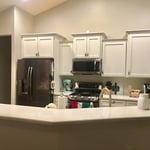
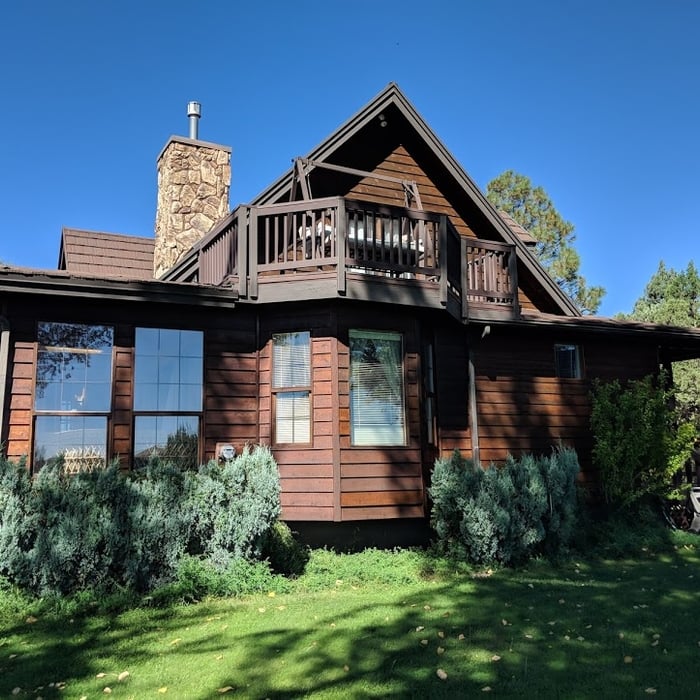
"The crew showed up every morning on time. They patched/drywalled and textured numerous small areas. The texturing was so good, that it is almost impossible to detect where the repairs where made. They also framed, drywalled and textured the kitchen area for recessed lighting installation. They repaired an area where there was a shower leak. They replaced the drywall and textured an area where a closet had been removed. On every part of the project, they exhibited superior workmanship. And at the end of every day, they cleaned up after themselves. Hire them again? Definitely yes! "
"Shannon arrived promptly at the scheduled time. He was very personable, courteous, and thorough and even developed an immediate relationship with our three big dogs. Shannon is a resident of Maricopa as well as a home owner and very active in our community. It s obvious he takes a great deal of pride in his professionalism and thoroughness. He spent over 3 and one half hours evaluating interior and exterior structures as well as mechanical systems, heating system, plumbing system, grounds and yard, etc. Shannon provided his results in a written report (via PDF format) which we could then forward to our builder. We didn t realize how little we actual knew about our house until Shannon s inspection. All things considered and according to our estimates his visit saved us about $3,000 in potential repairs. We now have the knowledge and comfort of knowing the real condition of our home. We have peace of mind and feel the resale value of our home is secure."
"At one point he became sick, and didn't show up for 3 days, and didn't notify me. When I called him, he said he would make it right and he did.I don't think this was done on purpose. He does great work, I find him trustworthy, and a great personality."
Plastering and skimming are two different techniques for finishing walls. Plastering involves applying a thick layer of a plaster mixture—typically containing gypsum, lime, cement, sand, and water—to create a new surface. This process often requires multiple coats and is used for repairing significant damage or creating decorative textures. Skimming, on the other hand, is a technique that involves applying a thin layer of drywall compound or joint compound over an existing surface to smooth it out, covering minor imperfections, small cracks, or uneven textures for a polished look. Plastering is generally more costly and labor-intensive than skimming. Although some people use the terms interchangeably, they refer to different processes and materials.
While you should consult with a ceiling professional for larger cracks, especially if you’re not sure what’s causing your ceiling to crack, you can certainly try to repair small cracks on your own. If you’re up for the task, here’s how to repair ceiling cracks for $150 or less.
There are several warning signs that a ceiling crack is connected to a larger issue. For starters, if the crack is wider than 1/8 inch or longer than 12 inches, you might have a more serious problem. The same applies if you have multiple smaller cracks or cracks going across the ceiling and down the wall. In any of these situations, you should ask a professional to assess the damage.
Whether you can install or repair plaster yourself depends on the project's size and your comfort level with DIY projects. It's possible to handle small repairs on your own, but for larger projects like a room restoration or a full installation, it's often best to hire a local plaster professional. The final appearance, even coverage, and durability of the plaster depend heavily on proper wall preparation and application. If you are not 100% confident in your ability to achieve a professional result, letting an expert handle the job is a worthwhile investment.
Although they have similar applications, spackle and joint compound are not the same. Their primary differences lie in their composition, consistency, and ideal use cases.
Spackle is composed of gypsum and binding agents, making it thicker than joint compound. It dries quickly and is easy to sand, which makes it ideal for small wall repair projects like filling nail holes or patching minor damage.
Joint compound, also known as drywall mud, consists of limestone and gypsum. It is primarily used for large-scale projects, such as taping and finishing the seams on newly installed drywall. It tends to shrink more than spackle and can be more difficult to spread.
While both products can be used to fill small depressions and cracks, spackle cannot replace joint compound for taping and mudding new drywall. Conversely, you can often use joint compound for small patching jobs typically done with spackle.
The Chambers, AZ homeowners’ guide to plaster repairs
From average costs to expert advice, get all the answers you need to get your job done.
Venetian plaster can add depth and texture to your aesthetic. Learn how much Venetian plaster costs based on factors like square footage and whether you hire a pro to help.
You can find plaster walls in a lot of older homes. What’s behind these walls—whether that’s lath or calcimine—can have an impact on how long they last. Finding out the age of your house can help you determine what you’re dealing with.