"He was able to quickly diagnose that the water leak from the water heater was a result of a ruptured tank, resulting in the need to replace the entire water heater."
We're dedicated to providing our clients with the very best in service, installation, and repair for all phases of your plumbing needs. We specialize in a variety of residential and commercial services and take pride in the attention to detail put into each of the projects we're involved with. We're known for our quality work and the integrity of our business. We look forward to building long-term relationships with our clients, and guarantee your satisfaction.
Not all types of water heaters require a venting system. Electric tankless water heaters don’t use natural or propane gas, so no venting is required. Instead, they use electric burners to heat water quickly and efficiently. However, any system that does use gas or propane will require ventilation.
Gas water heaters last between eight and 12 years on average. You can help them reach their maximum lifespan with regular cleanings, maintenance, and professional checkups, though don’t hesitate to swing for a full replacement if the total cost of repairs is greater than that of purchasing and installing a new unit.
Excessive pressure (above 80 psi) puts too much stress on plumbing pipes, joints, and fixtures. This can lead to leaks and burst pipes. Plus, it shortens the lifespan of appliances, can waste water, and can raise your utility bills. High water pressure might feel like a gift, but it’s actually a silent threat to plumbing.
The right way to vent a gas water heater is to have a pipe directly upward or slopes upward out of the house. Because hot air naturally rises, this type of venting will efficiently ensure that all gas moves out of the house. Your system may rely on fans or blowers as well.
The lifespan of a water heater depends on its type, usage, and maintenance schedule. Traditional tank-style water heaters typically last between 8 and 12 years, though the range can be as wide as 6 to 15 years. Within this category, gas models often last 8-12 years, while electric models may last 10-15 years. In contrast, tankless water heaters have a significantly longer lifespan, often lasting up to 20 years or more. Factors like heavy usage, hard water, and sediment buildup can shorten a unit's life. To extend its lifespan, it is crucial to perform regular maintenance, such as flushing the tank annually and scheduling professional inspections. If your unit is over a decade old and shows signs of rust, leaks, strange noises, or inconsistent heating, it is likely time for a replacement.
The Wickes, AR homeowners’ guide to water heater services
From average costs to expert advice, get all the answers you need to get your job done.
A water heater flush costs $160 on average but can vary based on the unit size, type, labor, location, and more. Keep reading to learn how much you could pay.
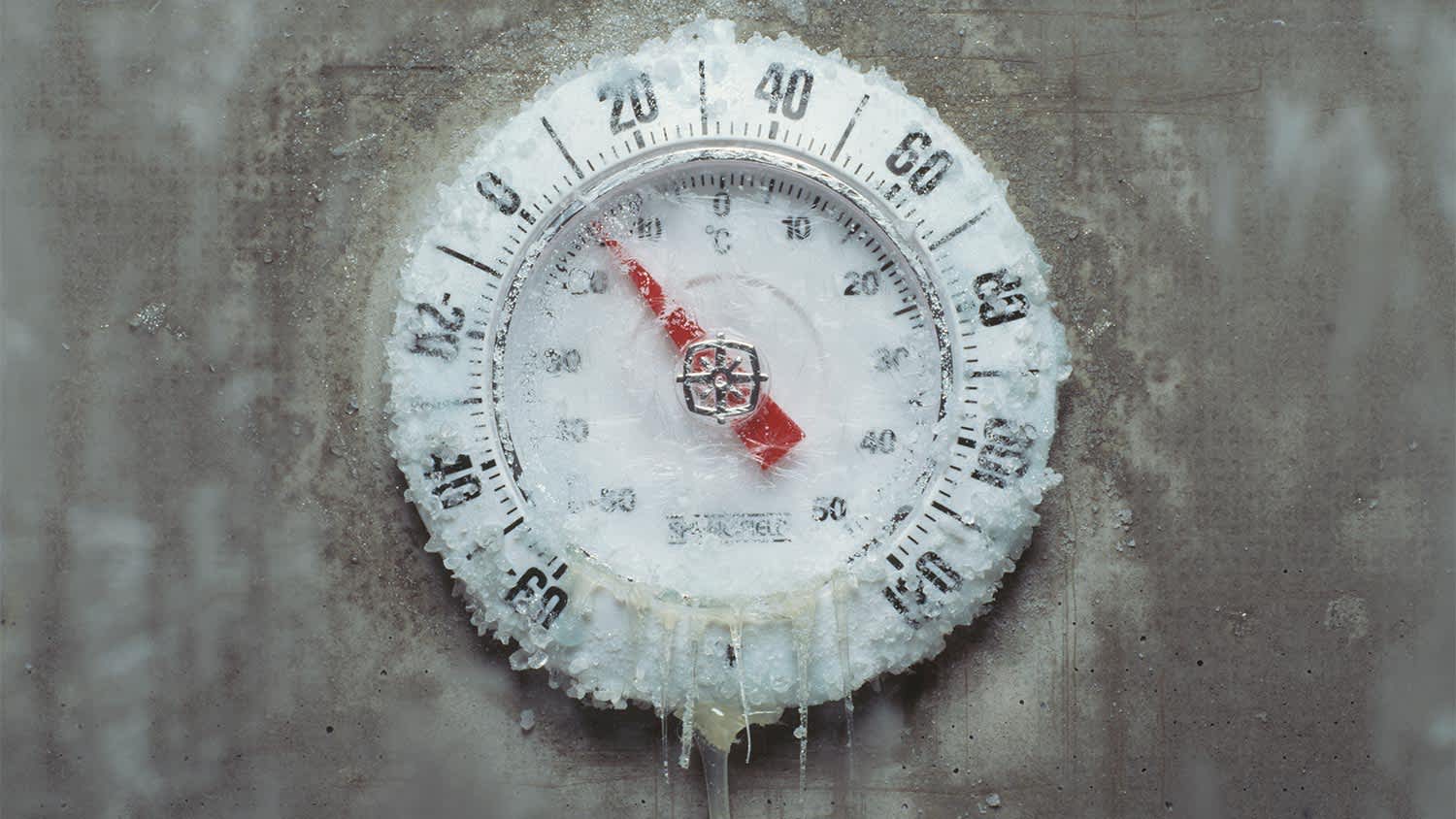
Worried your water heater might freeze this winter? Learn to spot the warning signs and how to safely thaw your tank or tankless system out if necessary.
Hybrid water heaters will have you weighing high initial costs versus long-term savings. Is it the right option for you? Explore the pros and cons of hybrid water heaters.
The average lifespan of water heaters is 6 to 15 years for conventional models and up to 20 for tankless ones, but it can be less if they are not properly maintained.