





Top-rated energy efficiency auditors.

Best energy efficiency auditors near Strong, AR

Enter your zip and get matched with up to 5 pros

Need a pro for your energy efficiency auditing project in Strong, AR?

Select your specific project to find the pro for you.

Top-Rated Energy efficiency auditors in Strong - Updated Nov 2026

Avatar for ADT Solar
ADT Solar
4.4(
111
)
Energy Audit - For BusinessHome Energy Audit

Serving Strong, AR and surrounding areas

In business since 2008

Free estimates

Warranties offered

"Rep. checked entire system. He found several wires not connected properly and fixed this. He also made recommendations regarding the attachment of the panels to the rood that would provide more stability and leakproofing. The representative appeared to know what he was doing - much better than others, including the representative who was engaged by the roofer (who replaced our rood due to hail damage) to disconnect/connect the panels."
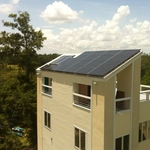
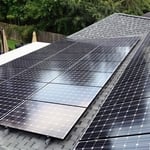
11 kW PV Installation
5 kW PV Installation
9.5 kW PV Installation
Recommended by89%of homeowners

Energy Efficiency Auditing FAQs, answered by experts

A small sump pump running infrequently uses an average of 10 kilowatt-hours (kWh) of electricity per month. The average cost for electricity is $0.171 per kWh. The size and use frequency affect how much electricity it uses. Sump pumps average one-third to one horsepower (hp) motors. One hp is equal to 745.7 watts. Watts multiplied by the time your pump is running divided by 1,000 equals your average kWh. Multiply kWh by your average cost of electricity. In areas with high rain or a marsh basin, the average cost can be as high as $15-$25 a month.

Yes, a dirty air filter can cause a higher electric bill. That’s because clogged filters make it harder for air to flow through your HVAC system, which forces it to work harder and use more energy. According to the U.S. Department of Energy, replacing dirty filters can save you between 5% and 15% in utility costs.

Smart glass doesn’t use a lot of electricity, and you can expect a standard window to add between $1 and $2 per year to your electric bills. Smart glass is proof that energy-efficient windows work. Although your smart windows may consume a little energy to operate, they can save enough energy to offset the costs. If you’re concerned about the minimal bump to your electricity consumption, you can opt for smart tint, which doesn’t require electricity to work.

HVAC systems use the most household electricity. This major and essential system is responsible for heating and cooling your home all year round. Since they operate for a significant amount during the day, it consumes more energy than other appliances. 

Fireplaces can theoretically help you save on heating bills if you lower the temperature throughout the rest of your home and heat only a single room that you occupy using the fireplace. However, in most cases, homeowners won’t save any money on heating bills. Gas and electric fireplace inserts could actually lead to a spike in your respective energy bills if you use them frequently, and if you don’t keep up with chimney maintenance and repairs, your traditional masonry fireplace could actually be a source of heat loss in the winter.

The Strong, AR homeowners’ guide to energy efficiency auditing services

From average costs to expert advice, get all the answers you need to get your job done.