




Top-rated arborists.

Get matched with top arborists in Redfield, AR

Enter your zip and get matched with up to 5 pros

Need a pro for your arboricultural service project in Redfield, AR?

Select your specific project to find the pro for you.

TRUSTED BY REDFIELD, AR HOMEOWNERS

  • Average homeowner rating star icon4.8
    Average homeowner rating
  • Verified reviews icon36
    Verified arboricultural services reviews

Find Arborists in Redfield

Avatar for Can Tree Service, LLC
Can Tree Service, LLC
4.3(
3
)
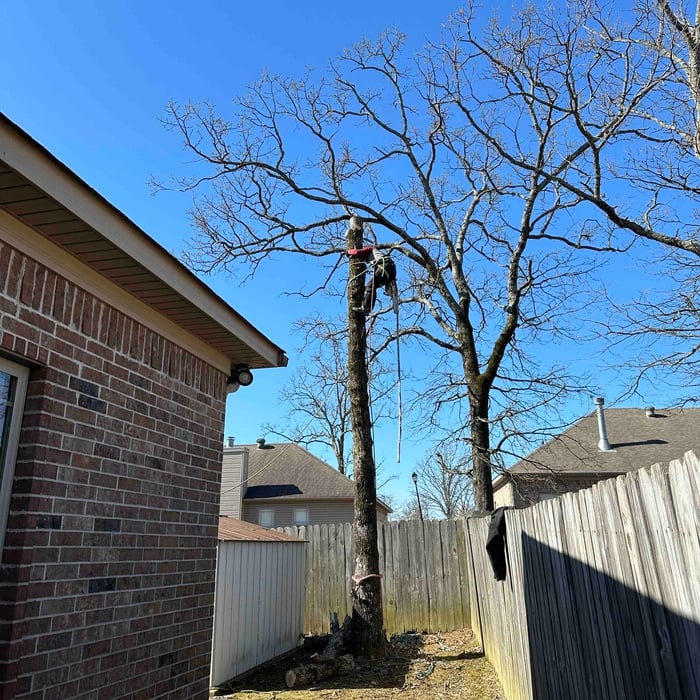
Tree RemovalTree Trimming

Serving Redfield, AR and surrounding areas

Approved

In business since 2003

Free estimates

Offers commercial services

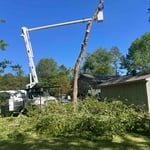
"Did a great job and I was worried about some of the limbs he was cutting falling on the power line, but Alfredo cut all of them without any problem to the line. He did a good job."
Response time6 hrs
Response rate100%
42 neighbors recently requested a quote
...
Showing 1-10 of 83
Arborists questions, answered by experts

Ivy eventually kills trees by restricting its growth, blocking sunlight, absorbing nutrients and water from the soil, and weakening the tree. Trees with ivy are more likely to experience diseases, pests, rot, and fungi growth. When ivy weighs down tree branches, the tree is more likely to break during a storm and cause damage.

Hiring an arborist costs around $900 on average, with prices ranging from $250 to $2,500 or more. Some arborists charge an hourly rate, typically between $100 and $350 per hour. The final cost depends on several factors, including the type of work, the number of trees, accessibility, and whether you hire an independent arborist or a larger tree service company. When hiring, you should also consider their experience and insurance coverage.

Below are some estimated costs for common arborist jobs:

  • Small tree removal: $300 to $500

  • Large tree removal: $500 to $2,000 or more

  • Tree health assessment: $150

  • Trimming a small tree: $75 to $200

  • Trimming a large tree: $150 to $400

  • Dealing with invasive species: $150 to $1,000 or more

The felling notch you make before you make the final cut will determine which way the tree will fall. The cut will be in a wedge or triangle, and the tree will fall from the highest point of the triangle. You can use this, as well as the process described above, to estimate where a tree will fall. 

The typical lifespan of a Bradford pear is relatively short, only 15 to 25 years. However, these trees have issues long before their life is over. Due to their soft wood and fast-growing branches, Bradford pear trees often split around 15 years, making them a risk for falling branches and more prone to disease. 

In most cases, you should not use a pruning seal on trees after trimming. Applying a sealant can interfere with the tree's natural healing process, and it does not guarantee protection from pathogens. Instead of sealing the cut, the best practice is to support the tree's natural recovery by providing it with plenty of water and a dormant-style fertilizer. However, there are exceptions. Pruning seals may be recommended for very vulnerable species, like elm trees, in areas where dangerous diseases such as Dutch elm disease are prevalent. In these specific situations, the protection offered by a sealant can outweigh its downsides. For advice tailored to your situation, especially after cutting large branches, it is best to consult a local tree trimming professional.

The Redfield, AR homeowners’ guide to arboricultural services

From average costs to expert advice, get all the answers you need to get your job done.