





Top-rated arborists.

Get matched with top arborists in Pine Bluff, AR

Enter your zip and get matched with up to 5 pros

Need a pro for your arboricultural service project in Pine Bluff, AR?

Select your specific project to find the pro for you.

TRUSTED BY PINE BLUFF, AR HOMEOWNERS

  • Average homeowner rating star icon4.8
    Average homeowner rating
  • Verified reviews icon60
    Verified arboricultural services reviews

Find Arborists in Pine Bluff

Avatar for Can Tree Service, LLC
Can Tree Service, LLC
4.3(
3
)
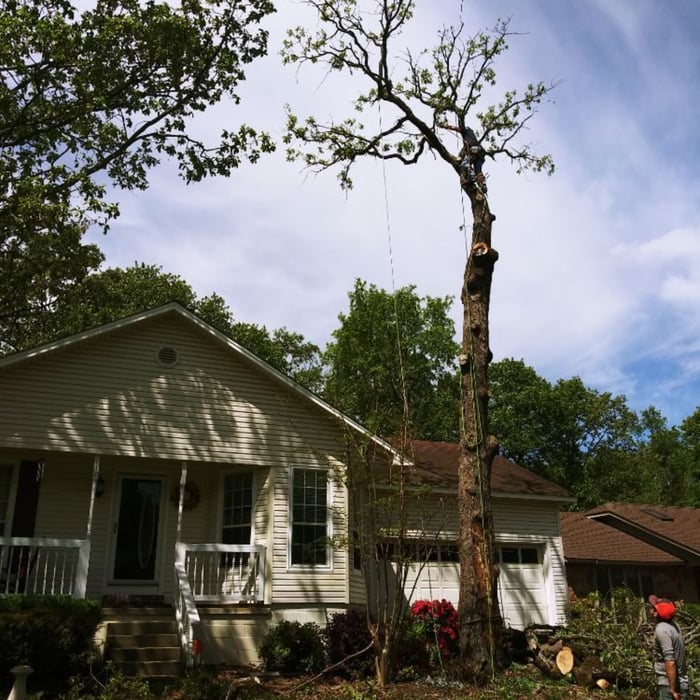
Tree RemovalTree Trimming

Serving Pine Bluff, AR and surrounding areas

Approved

In business since 2003

Free estimates

Offers commercial services

"Did a great job and I was worried about some of the limbs he was cutting falling on the power line, but Alfredo cut all of them without any problem to the line. He did a good job."
Response time6 hrs
Response rate100%
40 neighbors recently requested a quote
Avatar for Cypress River construction
Cypress River construction
New to Angi
Tree RemovalTree Stump - RemoveTree Trimming

Serving Pine Bluff, AR and surrounding areas

Approved

Free estimates

Emergency services offered

Warranties offered

Here at Cypress River Construction we offer a wide variety of trades and crafts! From fencing, painting, new builds, full remodels, or roofs! We are fair and believe in honest work, we offer a warranty with our work!

Tree damage
Tree damage
Privacy fence
Privacy fence
3 neighbors recently requested a quote
...
Showing 1-10 of 91
Arborists questions, answered by experts

Palm trees are unique in that their roots don't grow straight down; they grow horizontally. Typically, palm tree roots go down between 12 and 36 inches deep. The roots grow far and wide from the base of the palm tree to absorb as much water and soil nutrients as possible. In addition, the horizontal roots are also very strong—keeping palm trees stable and helping them sway during storms.

There are a few differences between tree guying and tree staking. Tree guying requires anchor stakes that are shorter and stronger than regular stakes and are driven deeper into the ground at an angle away from the tree. Tree staking uses longer stakes that are set parallel to the tree and are used for smaller trees. Consult a local tree professional to determine which method is best for your tree.

It depends on the type of tree. Typically, late spring on the cusp of winter is ideal for trees about to emerge from dormancy and produce new buds. That said, late fall is ideal for certain deciduous trees prone to bleeding sap. Avoid trimming trees in early spring, when they’re prone to disease.

Completely topping a plum tree is a risky business. Cut too much, and you’ll kill your tree. That said, you do need to trim the top of your tree to encourage bushy growth, maintain your tree’s vase shape, and limit size. 

A plum tree's central leader (or trunk) should never extend more than 3 feet above the highest branch. When you first plant your tree, cut the central leader so it’s 2 to 3 feet tall. As it grows, cut it back 12 to 20 inches until it reaches its desired height. Never prune more than one-third of the new growth.

No. Topping a tree refers to severely cutting down all its major branches and tree in a straight line. It was once recommended for streetside deciduous trees but has fallen out of practice. Topping leads to many problems, removing so much of the tree that many trees struggle to survive and become much more vulnerable to insects and diseases. Also, it doesn’t really help tree growth as once assumed and often leads to an ugly appearance of many sprouting stems in competition to become new main branches.

The Pine Bluff, AR homeowners’ guide to arboricultural services

From average costs to expert advice, get all the answers you need to get your job done.