



Top-rated pressure washers.

Get matched with top pressure washers in Rector, AR

Enter your zip and get matched with up to 5 pros

Need a pro for your pressure washing project in Rector, AR?

Select your specific project to find the pro for you.

Find Pressure washers in Rector

Wilkes Construction
4.7(
35
)
Exterior Surfaces - Powerwashing

Serving Rector, AR and surrounding areas

Approved

In business since 2022

Offers commercial services

Customers say: Quick response

"They were very friendly and easy to talk to. They worked in a timely matter. Got the job done to my satisfaction. Made sure everything was done right. And made sure I was happy with the work they had done. I was thrilled with with everything and the job was done right. I'm so pleased with the work they did."
4 neighbors recently requested a quote
Recommended by48%of homeowners

Avatar for Zach's Handyman Service
Zach's Handyman Service
5.0(
13
)
Exterior Surfaces - PowerwashingExterior Surfaces - Powerwashing - For Business

Serving Rector, AR and surrounding areas

Approved

In business since 2022

Free estimates

Emergency services offered

"I had an unusual problem with my ceiling. Zach identified the issue and quickly came up with a solution. He communicated very openly and was up front about the charges for the work (which was reasonable). Overall, I am very pleased."
New Aluminum Fascia
New Aluminum Fascia
New Aluminum Fascia
New Aluminum Fascia
New Aluminum Fascia

+15

2 neighbors recently requested a quote
...
Showing 1-10 of 65
Pressure Washing questions, answered by experts

Does the water in your taps sometimes come out very slowly? If so, you might have problems with low water pressure in your house, and your pressure washer won’t effectively clean. To test if your water pressure is sufficient, time how long it takes for the water from your hose to fill a 5-gallon bucket. Usually, if it takes less than two minutes, you’re good to go.

The ideal PSI (pounds per square inch) for a pressure washer depends on the surface you are cleaning. For general home use, a pressure washer with a range of 2,000 to 3,000 PSI is recommended and powerful enough for most residential projects.

The specific PSI you should use varies by task:

  • High-Pressure Tasks (2,500-3,000 PSI): Tough materials like concrete, stone, masonry, and brick can handle higher pressures. This is suitable for removing stubborn stains from driveways or cleaning graffiti.

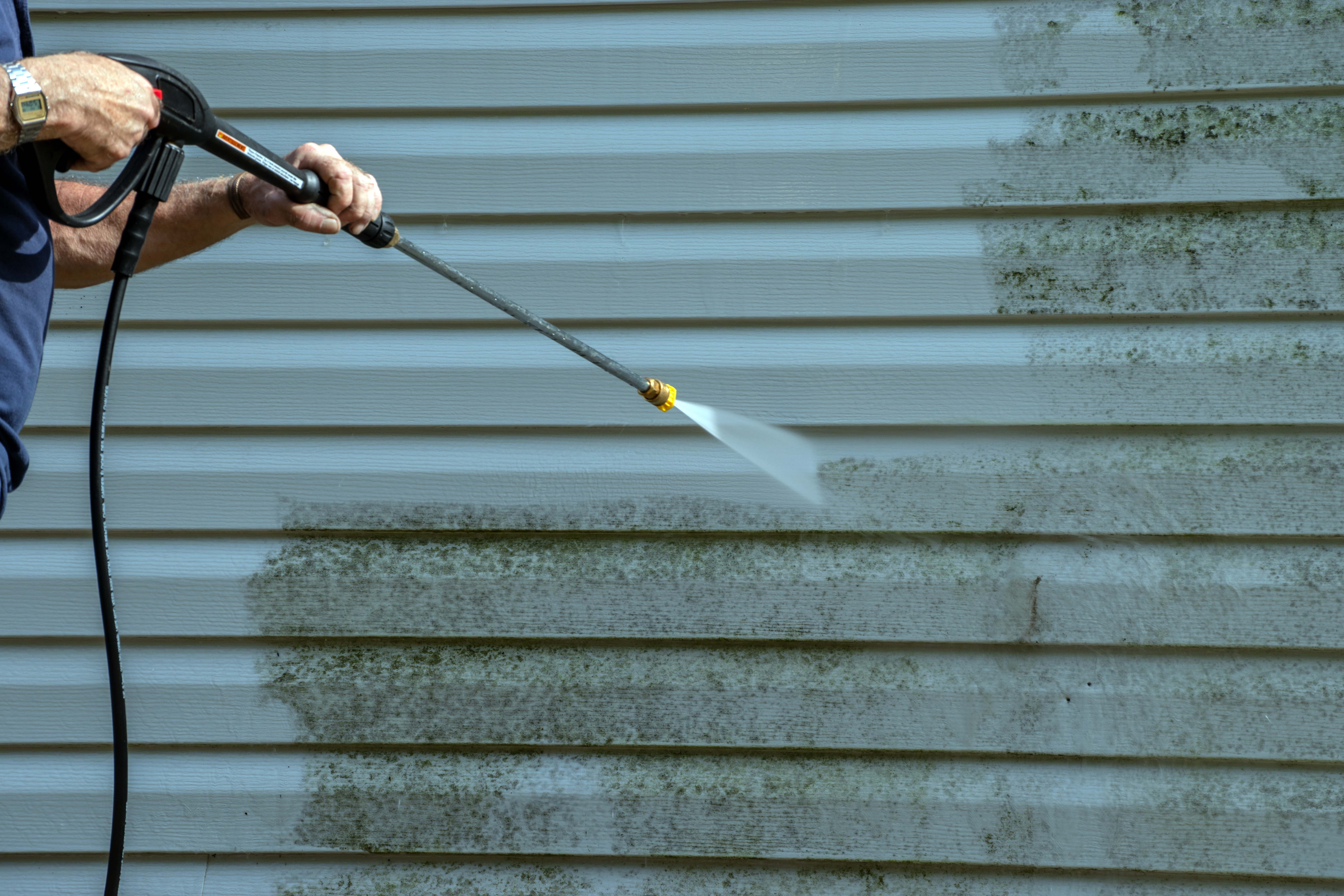
  • Low-Pressure Tasks (around 600-1,300 PSI): Softer surfaces require a gentler touch to avoid damage. Use a low PSI setting for cleaning wood decks (especially softwoods like pine and cedar), vinyl siding, outdoor furniture, and stucco.

For best results, choose the right nozzle for your surface, such as a 15-degree nozzle for siding or a surface cleaner attachment for driveways. Using an extendable wand can also make the work easier and more ergonomic.

Yes, you can technically use a pressure washer to remove paint from brick, but it comes with a significant risk of damaging the brick surface. A high-power pressure washer can be fast but may leave the brick looking unsightly. The recommended method is to first apply a chemical paint stripper, following the product's instructions, and then use a stiff metal bristle brush or a pressure washer on a low-pressure setting to remove the loosened paint. Due to the risk of damage, it is often best to hire a professional who can use low-stress methods.

Yes, it is highly recommended to wash a house's exterior before painting to ensure the best results. Cleaning the surface removes dirt, dust, grime, mold, mildew, and old paint, which allows the new paint to adhere properly and results in a smoother, long-lasting finish. Failing to clean can lead to poor adhesion, peeling, and an uneven appearance. Pressure washing is an efficient method for this, but be cautious not to use excessive pressure that could damage siding or wood. For materials like vinyl or stucco, soft washing might be a better option. After washing, allow sufficient drying time, such as three to four days, before painting to prevent trapping moisture, which can cause blistering or peeling.

Concrete does well with a number of cleaning agents, as it’s a durable material. Choose from acidic cleaners, alkaline cleaners, and pH-neutral cleaners, in addition to antibacterial solutions. Your best bet is to simply read the fine print with your preferred detergent and make sure it mentions concrete as a viable surface. 

The Rector, AR homeowners’ guide to pressure washing services

From average costs to expert advice, get all the answers you need to get your job done.