





Top-rated pressure washers.

Get matched with top pressure washers in Kennett, MO

Enter your zip and get matched with up to 5 pros

Need a pro for your pressure washing project in Kennett, MO?

Select your specific project to find the pro for you.

Find Pressure washers in Kennett

Avatar for Reinforge LLC
Reinforge LLC
5.0(
6
)
Exterior Surfaces - Powerwashing

Serving Kennett, MO and surrounding areas

Approved

Free estimates

Credit card accepted

Offers commercial services

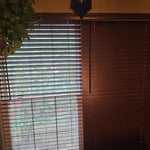
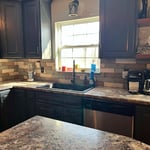
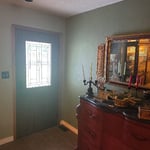
"They greatly helped with renovating my house. New flooring, wall painting, changing out ceiling lights, bathroom updates. I also got the backside of my house power washed and it looks a thousand times better! Highly recommend! They have the ability to do just about anything you’re in need of I was very pleased"
Home Services
Portfolio
Portfolio
Portfolio
Portfolio

+23

1 neighbors recently requested a quote
Avatar for Delta Outdoors and Landscaping
Delta Outdoors and Landscaping
New to Angi
Exterior Surfaces - Powerwashing

Serving Kennett, MO and surrounding areas

Approved

In business since 2021

Free estimates

Credit card accepted

At Delta Outdoors and Landscaping, we pride our company on reliability, great communication, integrity, and quality work. We are experts in our trade and will do our best to keep you as educated as we can on your particular task or project. We look forward to earning your business.\n\n

Response time1 day
...
Showing 1-10 of 65
Pressure Washing questions, answered by experts

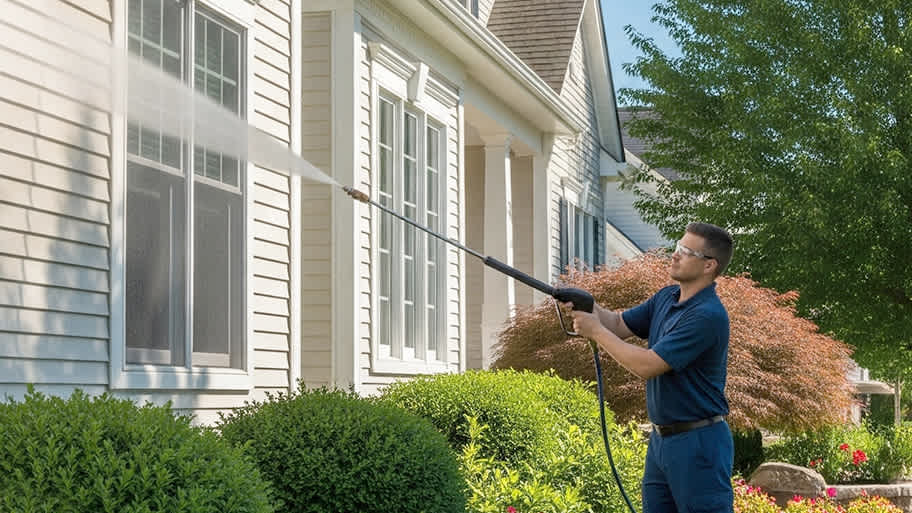
It may be necessary to power wash your house, depending on the siding material. Vinyl, composite, or metal siding can hold up to the heat and pressure of occasional power washing, but materials like brick, stucco, wood, and painted materials may get damaged from the high-pressure water. For sensitive materials, consider a soft wash instead of a pressure wash.

You should avoid using a pressure washer on any surface or item that could be damaged by the high-pressure spray, as some materials are too delicate to withstand the force.

Key items and surfaces to avoid include:

  • Electrical Components: Never pressure wash electrical systems, as water can cause short-circuits and create a safety hazard. This includes utility meters, breaker boxes, electrical outlets, generators, and HVAC or air conditioner units.

  • Delicate and Fragile Materials: Fragile items can crack, shatter, or be stripped by the pressure. Avoid pressure washing windows, glass, light fixtures, shingled roofs (especially asphalt), and stucco.

  • Painted, Stained, or Sealed Surfaces: Unless your goal is to strip the finish, do not pressure wash painted surfaces, stained wood (like decks), or anything with a protective seal that could be stripped away. Be especially cautious with older surfaces that may contain lead paint.

  • Soft Woods and Certain Decking: Delicate surfaces like softwood, composite decking, and antique or wooden patio furniture can be etched or damaged. If you must wash wood, use a lower-powered pressure washer with a wide-angle nozzle to prevent damage.

  • Living Things: Never use a pressure washer on people, pets, or plants. The force can cause serious injury and will destroy landscaping.

One of the most important factors to consider when buying a pressure washer is not just psi but also the machine’s overall cleaning power. This is based on both the psi and the GPM. Look for a cleaning rating, or effective cleaning unit (ECU), of up to 8,000 for most residential cleaning projects that require a pressure washer.

The ideal PSI (pounds per square inch) for a pressure washer depends on the surface you are cleaning. For general home use, a pressure washer with a range of 2,000 to 3,000 PSI is recommended and powerful enough for most residential projects.

The specific PSI you should use varies by task:

  • High-Pressure Tasks (2,500-3,000 PSI): Tough materials like concrete, stone, masonry, and brick can handle higher pressures. This is suitable for removing stubborn stains from driveways or cleaning graffiti.

  • Low-Pressure Tasks (around 600-1,300 PSI): Softer surfaces require a gentler touch to avoid damage. Use a low PSI setting for cleaning wood decks (especially softwoods like pine and cedar), vinyl siding, outdoor furniture, and stucco.

For best results, choose the right nozzle for your surface, such as a 15-degree nozzle for siding or a surface cleaner attachment for driveways. Using an extendable wand can also make the work easier and more ergonomic.

Hardscaping is made to withstand the elements, but it still needs regular cleaning as well as maintenance like weeding, replacing broken pieces, removing mold or mildew, and more. Use an appropriate cleaner for the hardscaping material with a stiff brush to remove dirt and other material, or use a pressure washer for a deep clean. Staying on top of maintenance can alert you to any problems with your hardscaping that will need repair or replacement.

The Kennett, MO homeowners’ guide to pressure washing services

From average costs to expert advice, get all the answers you need to get your job done.