


Top-rated asbestos removal specialists.

Best asbestos removal specialists near Quitman, AR

Enter your zip and get matched with up to 5 pros

Need a pro for your asbestos abatement project in Quitman, AR?

Select your specific project to find the pro for you.

Top-Rated Asbestos removal specialists in Quitman - Updated Nov 2026

Avatar for Lantrip Building
Lantrip Building
4.3(
14
)
Asbestos Siding - Repair

Serving Quitman, AR and surrounding areas

In business since 2020

Free estimates

Small jobs welcome

"The person who contacted me seemed very nice, however, the during the first contact he asked when I would be available and I told him (it was two weeks out). The second contact was more than a week after my availability date, so I was no longer able to meet with him."
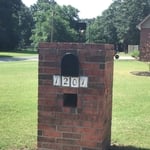
Flat top mailbox
Whole remodel
Shed
Shed
Garage

+12

Response time1 day
Recommended by91%of homeowners

Asbestos Removal FAQs, answered by experts

While there are some sealants designed to be spray-painted over asbestos to encapsulate it, you still want to make sure it’s a specifically designed product for this purpose—not just run-of-the-mill spray paint. Furthermore, be sure you aren’t inadvertently spraying the asbestos fibers around when you take on this project, and as always, be sure to wear the proper protective gear, including a P-100-rated respirator and a disposable body suit, so as not to inadvertently breathe in or spread asbestos fibers.

You are not really supposed to seal asbestos with paint, but in theory it could work—the caveat being that this is extremely dangerous and should be avoided at all costs. The only real way to seal asbestos is with the professional application of an encapsulating material like epoxy. Due to the negative effect asbestos can have on your home, however, it is usually the best course of action to accept a costly fix and remove the material entirely.

In the 1980s, the use of asbestos in house siding materials underwent a significant decline, ultimately being phased out by the mid-1980s to early 1990s. This change was largely due to a growing awareness of the severe health risks associated with asbestos exposure, particularly its link to lung diseases and cancers. With increased public concern and regulatory agency involvement, building codes and regulations were updated to restrict the use of asbestos in construction materials. 

Abatement focuses on immediate hazard control while remediation encompasses a comprehensive cleanup and long-term safety strategy. Abatement refers specifically to reducing or eliminating the immediate hazard by removing or encapsulating it. It’s a targeted approach aimed solely at controlling asbestos risks. Remediation is a broader term that involves the entire process of addressing contamination to restore a safe environment. Remediation can include abatement, decontamination, air quality testing, and post-cleanup monitoring.

Typically, homeowners insurance does not cover asbestos removal or abatement. Most policies exclude coverage for pollutants, contaminants, and hazardous materials, which includes asbestos. Because asbestos is often considered a pre-existing condition in older homes, its removal is usually viewed as a maintenance expense rather than an insurable loss. However, there is a key exception: if asbestos-containing materials are discovered or disturbed due to a covered event, such as a fire or storm, your policy may cover the abatement as part of the necessary repairs. For example, if a storm damages your roof and an insurance adjuster discovers asbestos while inspecting the damage, the policy might pay for the removal cost. If removal is not covered and is outside your budget, you might consider encapsulating the asbestos. The viability of this option depends on the condition of the contaminated materials. It is recommended to speak with an asbestos abatement specialist to understand your options.

The Quitman, AR homeowners’ guide to asbestos removal services

From average costs to expert advice, get all the answers you need to get your job done.