Top-rated asbestos removal specialists.

Best asbestos removal specialists near Mcrae, AR

Enter your zip and get matched with up to 5 pros

Need a pro for your asbestos abatement project in Mcrae, AR?

Select your specific project to find the pro for you.

Top-Rated Asbestos removal specialists in Mcrae - Updated Nov 2026

Avatar for Lantrip Building
Lantrip Building
4.3(
14
)
Asbestos Siding - Repair

Serving Mcrae, AR and surrounding areas

In business since 2020

Free estimates

Small jobs welcome

"The person who contacted me seemed very nice, however, the during the first contact he asked when I would be available and I told him (it was two weeks out). The second contact was more than a week after my availability date, so I was no longer able to meet with him."
Flat top mailbox
Whole remodel
Shed
Shed
Garage

+12

Response time1 day
Recommended by91%of homeowners
Venable & Sons
4.7(
9
)
Asbestos Siding - Repair

Serving Mcrae, AR and surrounding areas

In business since 2000

Free estimates

Emergency services offered

"Justin and his sons did a wonderful job in installation of two windows at the front of the house and removing sheet rock in 5 rooms. I am happy to see a dad instilling work ethic in his kids. They were very well mannered and stayed on task.The kids worked hard and I was happy to have them working in the house. Teens need to have responsibilities and looks like this dad has figured it out."
Response time2 days
Recommended by88%of homeowners
Asbestos Removal FAQs, answered by experts

According to the Environmental Protection Agency (EPA), hazardous waste is generally classified into four main categories:

1. Characteristic Wastes: These exhibit at least one of four hazardous traits: ignitability (flammable, like gasoline), corrosivity (can rust or decompose materials, like car batteries), reactivity (unstable and can explode, like aerosol cans), or toxicity (harmful when ingested, like lead-based paint).

2. Listed Wastes: These are specific wastes from manufacturing and industrial processes that the EPA has officially designated as hazardous. They include byproducts from processes that use solvents, pesticides, and other chemicals.

3. Universal Wastes: These are commonly generated hazardous items that are subject to streamlined regulations. Examples include batteries, pesticides, mercury-containing equipment (e.g., bulbs), and some lamps.

4. Mixed Wastes: This category includes waste that contains both hazardous and radioactive components, making it subject to regulation by both the EPA and the Nuclear Regulatory Commission.

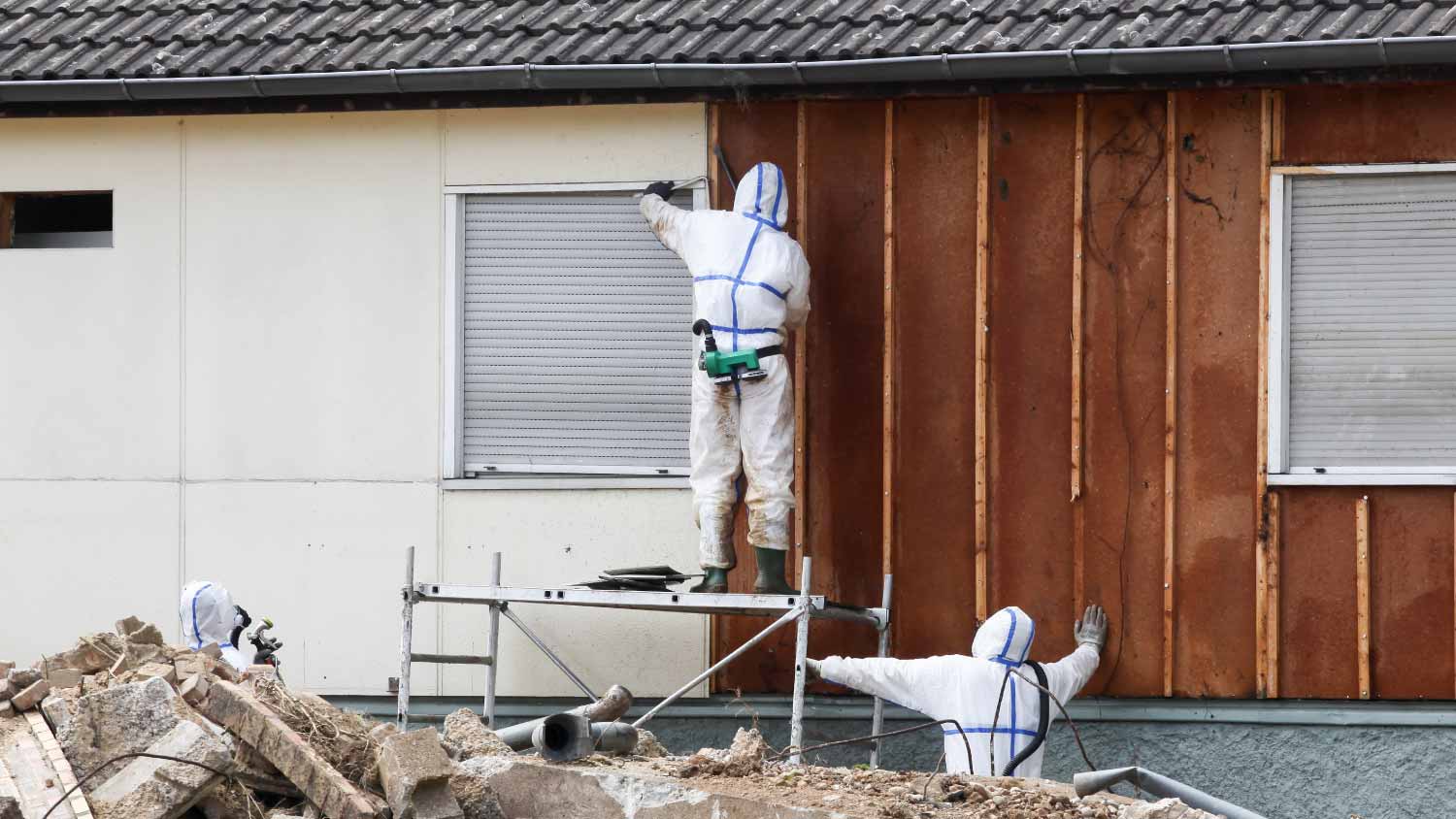
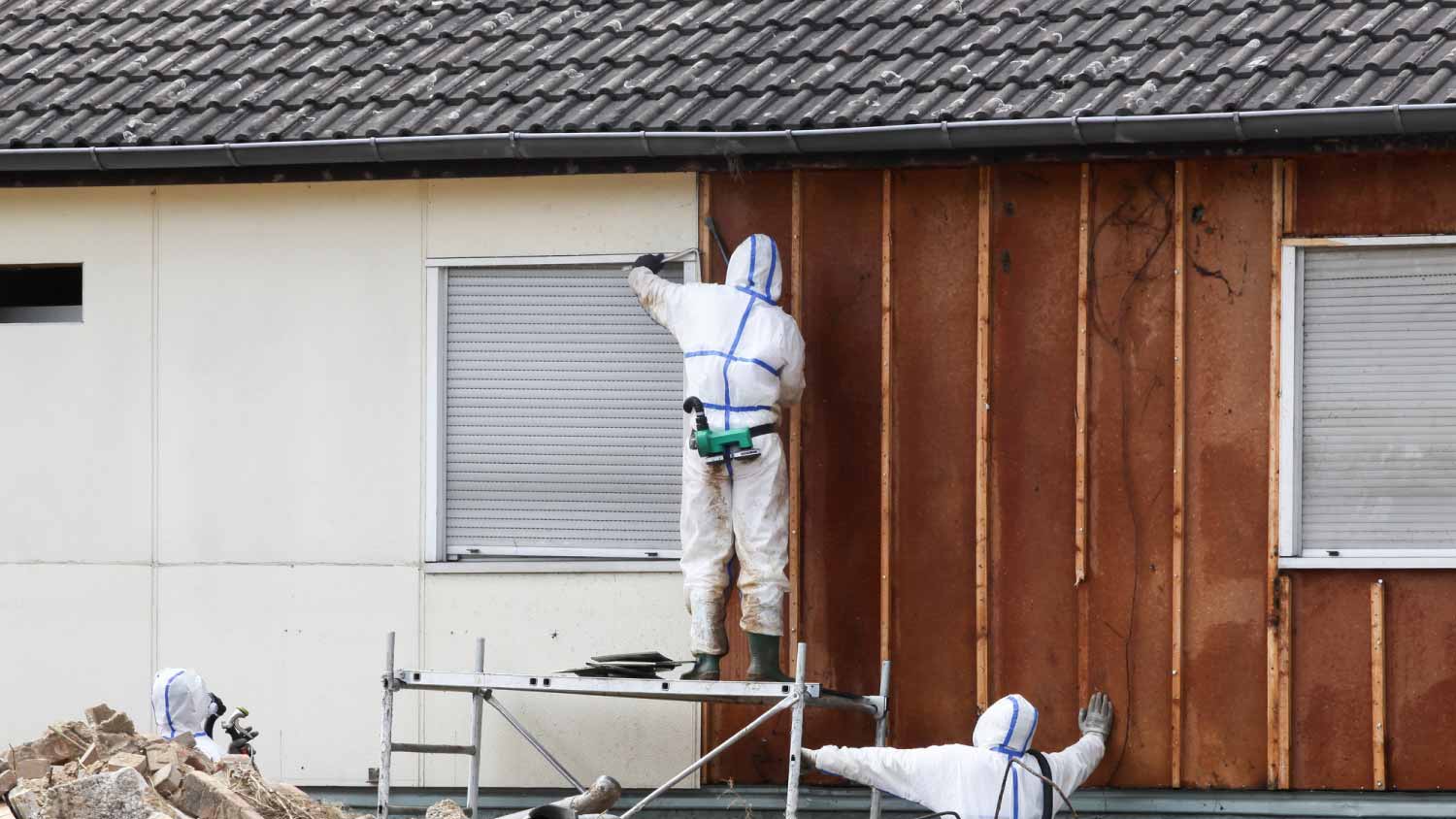
You can cover asbestos siding with another type of siding, such as vinyl, however, this may not be the best option. Covering the asbestos siding may disturb it, releasing fibers into the air. The covered siding can also be disturbed at a later date, such as by a new homeowner who is unaware of its presence.

If you decide to cover the siding, be sure to work with a professional and follow any local building codes and requirements. It may be the case that removing the asbestos siding is the better option, rather than covering it over. 

The legality of covering asbestos tile with new flooring can vary by location. In some cities, it is not legal to cover asbestos tile due to the risk of causing fibers to become airborne. While a professional method called encapsulation can seal the asbestos in place, it is not always an appropriate solution. In other areas, covering the tile is a legal and reasonable option to prevent fibers from spreading and reduce health hazards. However, the best long-term solution is to have the asbestos professionally and completely removed from your home.

If you are trying to sell a home with asbestos siding, most jurisdictions force you to disclose this in official documentation about the home. Some potential buyers may not want to purchase a home with asbestos siding, which could negatively affect their health if the siding becomes disturbed. However, as long as the siding is in good condition, some buyers may not see it as a disadvantage. You could take on the cost to replace asbestos siding if you have concerns over this material affecting your home’s resale value.

Epoxying over asbestos tiles is generally considered a safe option when done correctly. Epoxy acts as a sealant, encapsulating the asbestos tiles and preventing the release of asbestos fibers into the air. The key is ensuring that the asbestos tiles are in good condition, firmly adhered to the substrate, and not damaged or deteriorating. This method is only appropriate for tiles that are undamaged and securely in place. If the asbestos tiles are already loose, damaged, or deteriorating, encapsulating them with epoxy may not be a sufficient solution, as it might not address the potential for ongoing asbestos exposure.

The Mcrae, AR homeowners’ guide to asbestos removal services

From average costs to expert advice, get all the answers you need to get your job done.