






Top-rated masons.

Get matched with top masons in Paris, AR

Enter your zip and get matched with up to 5 pros

Need a pro for your masonry work project in Paris, AR?

Select your specific project to find the pro for you.

Find Masons in Paris

Avatar for Duraplex LLC
Duraplex LLC
4.5(
45
)
Basement Drainage Channels - InstallBasement Drainage Channels - RepairConcrete Foundation - Raise+3 more

Serving Paris, AR and surrounding areas

In business since 2006

Free estimates

Emergency services offered

"Very professional, friendly, and prompt service.  They took time to explain what had caused the damages to the roof and what needed to be done to prevent the damages from re-occurring.  Also, they explained the benefits of a full roof replacement vs just repairing the damaged area. 
"
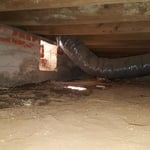
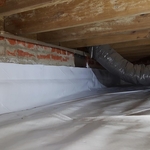
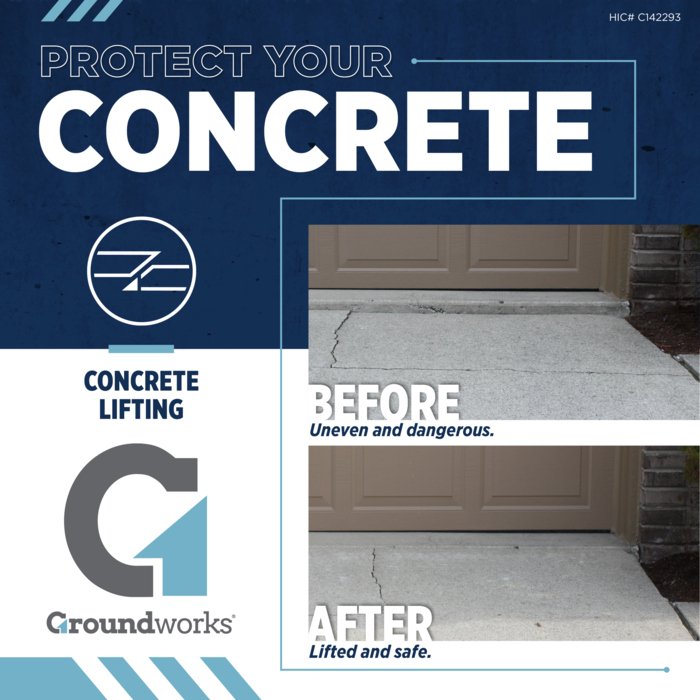
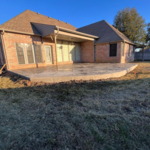
Additional Photos
Additional Photos
Additional Photos
Additional Photos
Additional Photos

+16

Recommended by91%of homeowners
Andrew's Landscaping and Lawn Maintenance
4.0(
10
)
Brick and Stone Flatwork - RepairBrick and Stone Patios, Walks, and Steps - InstallBrick, Stone or Block Wall - Install+2 more

Serving Paris, AR and surrounding areas

In business since 1986

Free estimates

Credit card accepted

"Contacted Tru Cut and they gave me an estimate within 24hrs.  As I requested (hoping more leaves would fall), they waited one week to do the work.  We have a steep driveway with water run-off "ditches" on either side that go behind the garage and down to the lake.  They cleaned the ditches, our driveway/parking pad, and the back yard.  The job was excellent.  Will definitely hire them again.
"
Recommended by100%of homeowners
Showing 1-10 of 36
Masonry questions, answered by experts

Not all cracks in brick indicate foundation problems. For instance, small hairline cracks can occur as a new construction settles. However, larger cracks are often a sign of a more severe issue. Indicators of a potential foundation problem include long horizontal cracks, "stair-step" cracks, vertical cracks that appear indoors, or any crack that widens at the top. Other signs of structural damage to look for are uneven floors and doors or windows that stick. These issues could be caused by problems with the soil beneath the home or an overgrown tree.

If your old bricks are in decent condition and you have the space to store them where they’ll be protected from the elements, keeping old bricks is often worthwhile. You’d spend anywhere from $70 to a few hundred dollars to have them removed from your property, in which case you won’t be able to use them for future projects. Holding on to old bricks in good condition means you can use them later for other DIY projects, potentially saving yourself some money on disposal and new materials down the road.

Yes, it is normal to see some minor hairline cracks in brick or mortar over time, often due to natural foundation settling. However, not all cracks are harmless. You should be concerned and contact a masonry professional for an inspection if you notice cracks that are getting wider or longer, or if new ones keep appearing. Other serious warning signs that can indicate significant structural or foundation damage include large vertical cracks (especially those that widen as they go up), stair-step cracks, L-shaped cracks, and deep horizontal cracks. Factors like temperature changes, moisture, and structural loading can also cause cracks to form or worsen.

The difference between river rock and landscaping rocks is size, smoothness, and use. River rocks are smooth and flat, as if polished by water, and come in diameters between 1 and 8 inches. Landscape rock can vary in size from small pea gravel installations to car-sized boulders. However, landscaping and river rocks are interchangeable in many situations. River rock is best for pathways, walkways, garden bed mulch, water features, and planting accents, while small landscape rocks can serve as a walkway base, gravel playground areas, and filler between pavers.
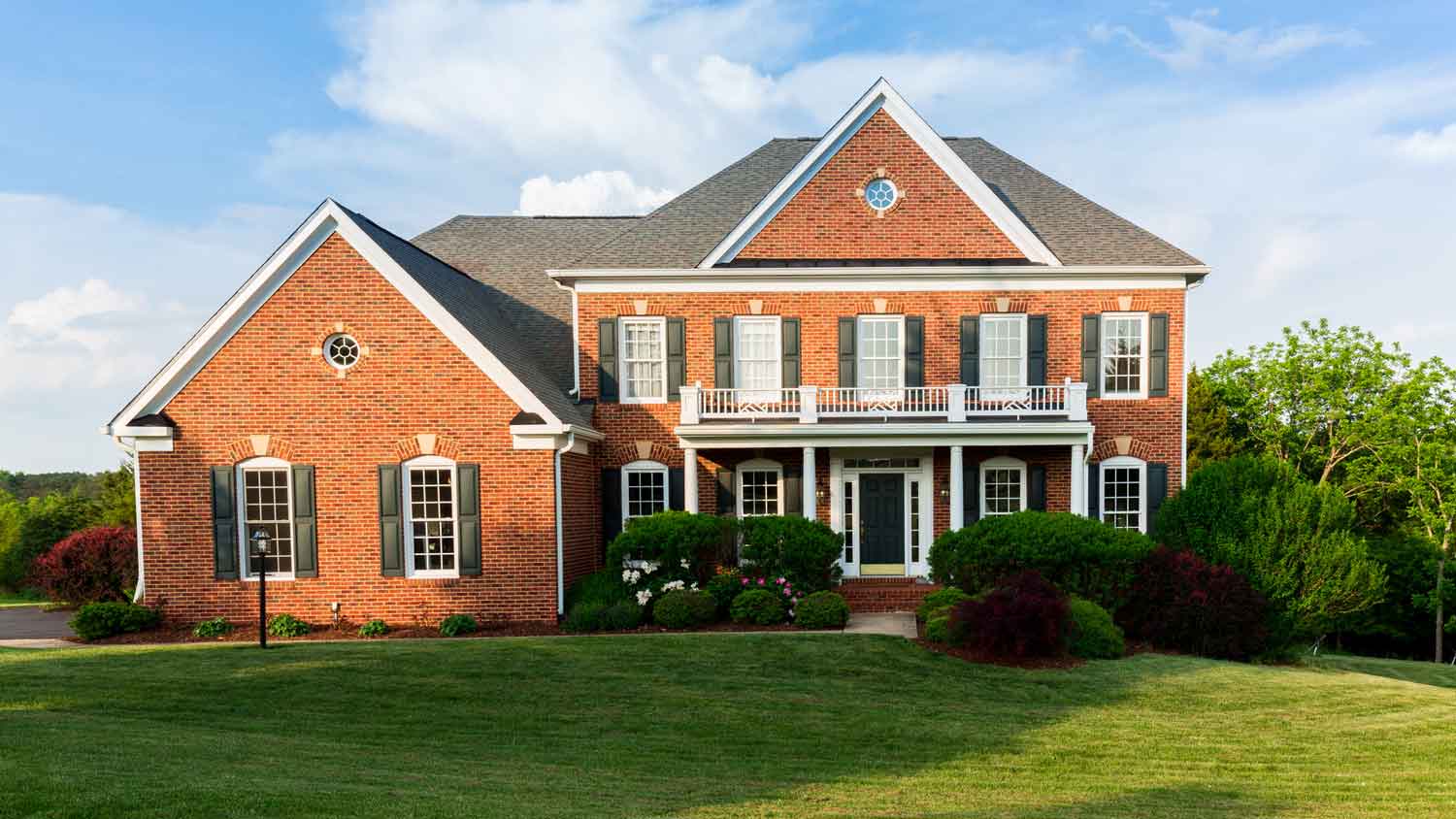
Discoloration ondifferent types of brick can range from harmless to red flag. For example, efflorescence that is caused by a buildup of water-soluble white salt is considered harmless. However, green or greenish-yellow stains are caused by salts that are harmful to brick. Staining can also be caused by rust, corrosion, lime run, soot, algae, or moss.

The Paris, AR homeowners’ guide to masonry services

From average costs to expert advice, get all the answers you need to get your job done.