







Top-rated masons.

Get matched with top masons in Charleston, AR

Enter your zip and get matched with up to 5 pros

Need a pro for your masonry work project in Charleston, AR?

Select your specific project to find the pro for you.

Find Masons in Charleston

Avatar for Hudelle Construction, LLC
Hudelle Construction, LLC
5.0(
4
)
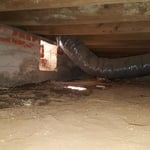
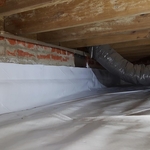
Foundation, Basement or Crawlspace - Waterproofing / EncapsulationConcrete Foundation - RaiseConcrete Foundation - Repair

Serving Charleston, AR and surrounding areas

Approved

In business since 2025

Free estimates

Credit card accepted

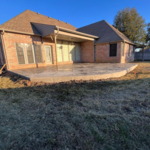
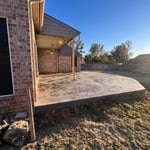
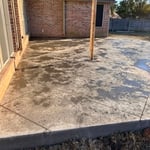
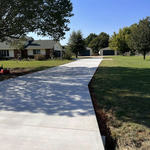
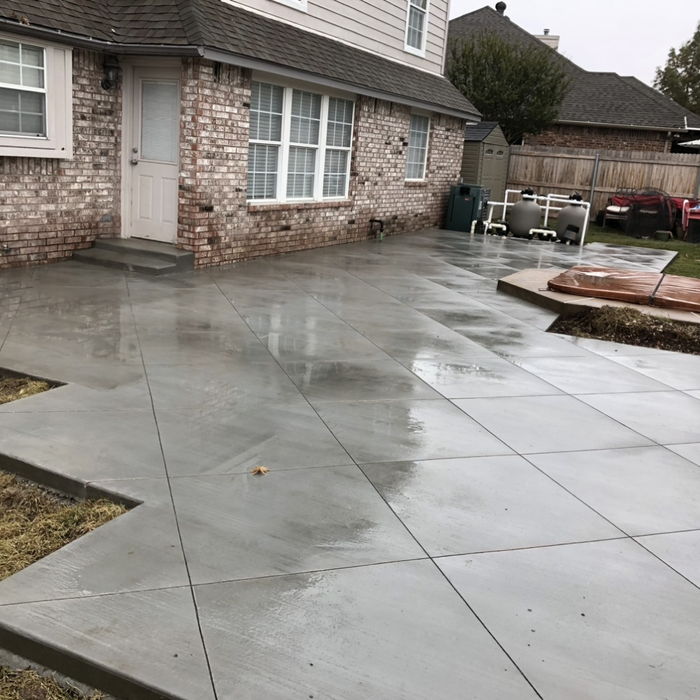
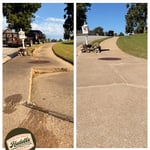
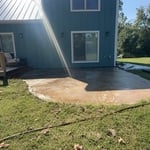
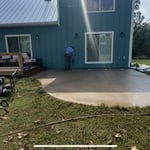
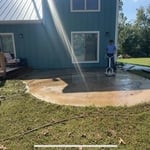
"I recently hired Hudelle Construction to resurface my driveway, and I’m extremely impressed with their work. They started by thoroughly power washing the driveway, which revealed many more cracks than I had noticed before. Their team expertly sealed these cracks, preventing future damage, and then resurfaced the driveway beautifully. The professionalism, attention to detail, and high-quality craftsmanship were outstanding. My driveway looks fantastic and feels built to last. I highly recommend Hudelle Construction for their thorough and excellent service!"
Sidewalk Repair
Concrete Repair
Concrete Repair
Concrete Repair
Concrete Repair

+2

Response time1 day
Response rate100%
4 neighbors recently requested a quote
Avatar for WC Foundation Experts
WC Foundation Experts
5.0(
5
)
Concrete Foundation - InstallFoundation Drainage - Install or ReplaceFoundation, Basement or Crawlspace - Waterproofing / Encapsulation

Serving Charleston, AR and surrounding areas

Free estimates

Warranties offered

Small jobs welcome

WC Foundation Experts is a locally owned, family-operated foundation repair company serving Fort Smith, Northwest Arkansas, and Eastern Oklahoma. We specialize in foundation repair, house leveling, crawl space repair, crawl space encapsulation, waterproofing, French drains, sump pump installation, concrete lifting, slab repair, pier and beam repair, structural support systems, retaining walls, and drainage solutions for residential and commercial properties. We provide free foundation inspections, honest recommendations, competitive pricing, and quality workmanship backed by a Lifetime Craftsmanship Warranty. Our mission is to protect your home with long-lasting structural repairs and exceptional customer service. Whether you're dealing with foundation cracks, settling, uneven floors, moisture problems, or water intrusion, our experienced team delivers reliable solutions designed to restore the safety and stability of your property.

Showing 1-10 of 45
Masonry questions, answered by experts

Depending on the amount of soot present, you can vacuum some of it using a brush attachment on your vacuum cleaner. Then, remove the leftovers with a mild cleaner, such as dish soap or vinegar mixed with water. Before applying a cleaning solution, saturate the bricks with clean water to prevent the cleaner from penetrating beyond the surface and causing structural damage to the bricks.

Cobblestone can be made from many different types of stones but the most common ones, by far, are granite, basalt, limestone, and sandstone.  If you are laying a brick paver patio or other such project, the medium is different. It’s rare, but cobblestone can also be made from marble, slate, jasper, and other types of rock. Technically, you can make cobblestone from almost any type of rock, but if it is weather-resistant and stands the test of time is another question entirely.

Yes, you can paint stone on the exterior of a house. It’s important to properly prep the stone by cleaning off dirt and debris. You’ll want to apply at least two coats of paint to get the most even and complete coverage. Any pinholes or missed spots, however small, can allow moisture to get into the masonry and potentially cause the paint to blister and peel from the stone.

Discoloration ondifferent types of brick can range from harmless to red flag. For example, efflorescence that is caused by a buildup of water-soluble white salt is considered harmless. However, green or greenish-yellow stains are caused by salts that are harmful to brick. Staining can also be caused by rust, corrosion, lime run, soot, algae, or moss.

Drilling into brick or mortar requires the use of a masonry drill bit. Masonry drill bits appear similar to standard drill bits except for the leading tip of the bit. The tip has a bulky carbide arrow-shaped end slightly larger than the rest of the bit shaft. Standard or high-speed drill bits designed for making holes in wood or metal don’t have the ruggedness or design shape you need to drill into brick. They may not go through the brick at all, and if they do, they’re more likely to overheat, crack, or dull before you finish drilling.

The Charleston, AR homeowners’ guide to masonry services

From average costs to expert advice, get all the answers you need to get your job done.