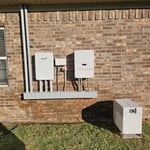






Top-rated generator install pros.

Get matched with top generator install pros in Mount Ida, AR

Enter your zip and get matched with up to 5 pros

Need a pro for your generator install project in Mount Ida, AR?

Select your specific project to find the pro for you.

Find Generator install pros in Mount Ida

Apex Generators and Electric LLC
1.0(
1
)

Serving Mount Ida, AR and surrounding areas

Approved

In business since 2022

Free estimates

Emergency services offered

Apex Generators and Electric LLC is committed to excellence in every aspect of our business. We uphold a standard of integrity bound by fairness, honesty, and personal responsibility. Our distinction is the quality of service we bring to our customers. Accurate knowledge of our trade combined with ability is what makes us true professionals. Above all, we are watchful of our customers' interests and make their concerns the basis of our business.

Avatar for Elite Power Services
Elite Power Services
5.0(
14
)

Serving Mount Ida, AR and surrounding areas

In business since 2023

Free estimates

Warranties offered

"Super clean install. Chad and Carl left the install area spotless. They explained the operation of the generator. I will be recommending them to my family and letting Generac know how well they represent them."
Response time1 day
Recommended by92%of homeowners
Avatar for Stephens Electrical, LLC
Stephens Electrical, LLC
4.9(
12
)

Serving Mount Ida, AR and surrounding areas

In business since 1986

Free estimates

Emergency services offered

"The guys came out to assess the situation to replace bathroom vent. They had to go into attic which was too hot to work. They suggested returning the next morning. They arrived early and quickly replaced the unit. I was very pleased with their work and clean up afterwards."
Parking Lot Lighting
Response time1 day
Recommended by100%of homeowners
Generator Install questions, answered by experts

To determine the right size generator for your house, you should calculate the total wattage of the appliances and devices you want to power during an outage. List all essential items, note their start-up wattages, and add them together.

Here are some typical wattage requirements for common appliances:

  • Refrigerator: 600 watts

  • Large dehumidifier: 700 watts

  • Large window air conditioner: 1,400 watts

  • Water heater: 3,000 to 4,500 watts

  • Electric furnace: 5,000 to 25,000 watts

A 7,500-watt generator might be sufficient for essentials like a refrigerator, freezer, well pump, and lighting circuits. However, for high-demand items like a water heater or furnace, a whole-home generator is a better choice. A portable generator may be enough if you only need to power a few critical items.

While home square footage can offer a rough estimate, it is not always a reliable indicator. For reference, here are some typical generator sizes based on square footage:

  • 1,000 sq ft: 6–9 kW

  • 1,500 sq ft: 7–10 kW

  • 2,000 sq ft: 10–14 kW

  • 2,500 sq ft: 12–16 kW

  • 3,000 sq ft: 16–20 kW+

For the most accurate sizing, consult a professional who can calculate your home's peak and average power consumption and recommend the optimal generator.

Whole-house generators can run continuously for extended periods, even for weeks at a time (around 400 to 500 hours), as long as they have a sufficient fuel supply. However, this type of extensive use will increase wear and tear and can shorten the generator's overall lifespan. During long periods of operation, it's important to check and refill the engine oil as needed, potentially as frequently as daily depending on the model. If your generator uses a fuel tank, ensure it is kept full to prevent unexpected shutdowns.

A 10,000-watt generator can run a small to mid-sized central AC unit (typically up to 3 tons or 36,000 BTU) along with a few other appliances. However, larger AC units or additional loads will require a bigger generator. Consult a local generator installer to ensure you add the correct size generator to your home.

Yes, in most municipalities, you will need a permit to install a permanent home generator, including emergency backup, partial-home, and whole-home models. Because these installations involve significant alterations to your home's electrical system and produce exhaust fumes, local governments often require a permit or inspection for safety purposes. A generator permit typically costs between $50 and $250, depending on your location. Your electrician or certified installer can usually handle the permitting process for you, but you will be responsible for the cost. It's a good practice to confirm with your installer that they will pull all necessary permits before work begins.

Generators are safe to use as long as they are installed and operated correctly according to the manufacturer's recommendations. The most critical safety tips are to never use a portable or fuel-powered generator inside an enclosed space due to the risk of lethal carbon monoxide poisoning; always operate it outdoors where fumes can dissipate away from your home. Additionally, never attempt to connect a generator to your home’s electrical panel yourself—hire a professional to ensure the setup meets safety standards. Finally, avoid overloading the generator by not connecting more appliances than it is rated for, as this can damage your equipment or cause a fire.

The Mount Ida, AR homeowners’ guide to generator installs

From average costs to expert advice, get all the answers you need to get your job done.