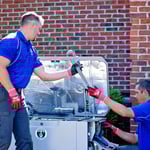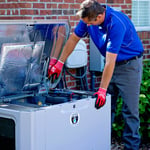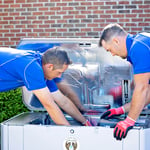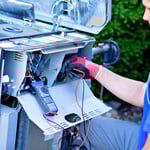






Top-rated generator install pros.

Get matched with top generator install pros in Rockwell, AR

Enter your zip and get matched with up to 5 pros

Need a pro for your generator install project in Rockwell, AR?

Select your specific project to find the pro for you.

TRUSTED BY ROCKWELL, AR HOMEOWNERS

  • Average homeowner rating star icon4.9
    Average homeowner rating
  • Verified reviews icon11
    Verified generator installs reviews

Find Generator install pros in Rockwell

Avatar for Elite Power Services
Elite Power Services
5.0(
14
)
Fixed Generator - InstallGenerator - Install - For Business

Serving Rockwell, AR and surrounding areas

In business since 2023

Free estimates

Warranties offered

"Super clean install. Chad and Carl left the install area spotless. They explained the operation of the generator. I will be recommending them to my family and letting Generac know how well they represent them."
Response time1 day
Recommended by92%of homeowners
Showing 1-10 of 23
Generator Install questions, answered by experts

Generally, you’ll want to keep between 60 and 70 feet between the generator and the transfer switch. There are a few reasons for this, including:

  • The distance reduces the noise coming from the generator into your home.

  • It increases efficiency because you won’t have a voltage drop from this short of a distance.

  • Prevents carbon monoxide poisoning: keep at least 15 feet between your generator and an open window. 

Generators are safe to use as long as they are installed and operated correctly according to the manufacturer's recommendations. The most critical safety tips are to never use a portable or fuel-powered generator inside an enclosed space due to the risk of lethal carbon monoxide poisoning; always operate it outdoors where fumes can dissipate away from your home. Additionally, never attempt to connect a generator to your home’s electrical panel yourself—hire a professional to ensure the setup meets safety standards. Finally, avoid overloading the generator by not connecting more appliances than it is rated for, as this can damage your equipment or cause a fire.

Here’s what you can run with different wattages and types of generators:

Portable generator:

  • 2,000 watts can handle a large appliance like a freezer or refrigerator, plus a few smaller items like phones or computer chargers. 

  • 4,000 watts will keep two large appliances operating and a few smaller devices.

  • 8,000 watts should power most essential appliances and other devices, including a sump pump, well pump, or your dishwasher.

Partial to whole-house generator:

  • 20,000 watts and above will make it seem like your home’s power is still on.

While natural gas generators are costly, they’re a great option for standby power due to the reliability of natural gas as a fuel source. Unlike other fuels, natural gas is delivered through underground pipes, making outages extremely rare and less likely to be affected by the elements. As long as the area isn’t prone to earthquakes, they offer an unlimited supply of natural gas that doesn’t degrade over time or require storage in tanks.

In most municipalities, you will need a permit to install a permanent home generator, including emergency backup, partial-home, and whole-home generators. A permit for a generator usually costs between $50 and $250, depending on where you live. Your electrician or certified generator installer will usually pull the permit for you—and might be required to do so by your building department—but you’ll be on the hook for the cost of the permit. You should ask your installer before agreeing to any work if they will pull the necessary permits for your project.

The Rockwell, AR homeowners’ guide to generator installs

From average costs to expert advice, get all the answers you need to get your job done.