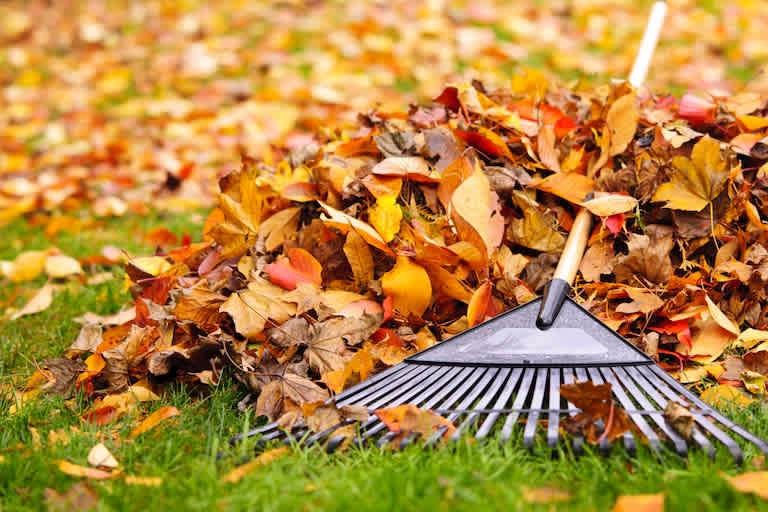
Top-rated leaf removal pros.

Get matched with top leaf removal pros in Mammoth Spring, AR

Enter your zip and get matched with up to 5 pros

Need a pro for your leaf removal project in Mammoth Spring, AR?

Select your specific project to find the pro for you.

Find Leaf removal pros in Mammoth Spring

Avatar for Mac's Do It All
Mac's Do It All
4.5(
35
)
Waste, Junk, Building Materials and Debris - Remove and Haul

Serving Mammoth Spring, AR and surrounding areas

In business since 2017

Free estimates

Small jobs welcome

"Goes out of his way to help you and make sure you are happy with the job he does. Tommy made time to drive 45 mins on a holiday to help fix a couple little things that we were unable to do ourselves. So thankful!"
Response time5 days
Recommended by96%of homeowners
Avatar for Moving APT - Long Distance Movers
Moving APT - Long Distance Movers
4.5(
282
)
Waste, Junk, Building Materials and Debris - Remove and Haul

Serving Mammoth Spring, AR and surrounding areas

In business since 1999

Free estimates

Credit card accepted

"The move went incredibly well.Ben came down with his movers. They worked quickly and efficiently.They were very friendly and pleasant to be around.They made sure everything was fully wrapped to my liking, and were very careful when moving my expensive furniture and antiques.Nothing got damaged.Ben and his movers didn't leave until everything was reassembled and I was satisfied with the arrangement of the furniture.I was very happy with their service and will definitely be recommending them to friends and family."
Additional Photos
Additional Photos
Additional Photos
Recommended by88%of homeowners
...
Showing 1-10 of 56
Leaf Removal questions, answered by experts

While the EPA provides guidelines for homeowners to perform DIY lead paint removal, it is a risky process and generally not recommended due to serious health risks and strict regulatory requirements. The process requires precise safety precautions, such as wearing a respirator and protective eyeglasses, creating sealed exits, and using a HEPA vacuum for cleanup. To ensure the job is done safely, effectively, and in compliance with regulations, it is highly recommended to hire a professional lead abatement company. Certified professionals have the necessary training, experience, and specialized equipment (like chemical strippers and HEPA vacuums) to handle and dispose of hazardous materials safely.

Government regulations such as the EPA and OSHA govern lead removal procedures to ensure health and environmental safety during and after abatement.

You can sell a house with lead paint, but there are several requirements. If you are aware that lead paint exists anywhere in the home, you must disclose that to potential buyers. Required home inspections will often uncover lead paint, especially for older houses where lead paint may still be a problem. If you have taken steps to encapsulate lead, you should provide buyers with full documentation of the project so it won’t cause any problems later on.

According to the Environmental Protection Agency (EPA), hazardous waste is generally classified into four main categories:

1. Characteristic Wastes: These exhibit at least one of four hazardous traits: ignitability (flammable, like gasoline), corrosivity (can rust or decompose materials, like car batteries), reactivity (unstable and can explode, like aerosol cans), or toxicity (harmful when ingested, like lead-based paint).

2. Listed Wastes: These are specific wastes from manufacturing and industrial processes that the EPA has officially designated as hazardous. They include byproducts from processes that use solvents, pesticides, and other chemicals.

3. Universal Wastes: These are commonly generated hazardous items that are subject to streamlined regulations. Examples include batteries, pesticides, mercury-containing equipment (e.g., bulbs), and some lamps.

4. Mixed Wastes: This category includes waste that contains both hazardous and radioactive components, making it subject to regulation by both the EPA and the Nuclear Regulatory Commission.

Household products such as paints, cleaners, oils, and batteries are considered hazardous and should not be disposed of with regular household waste. Instead, look for local household hazardous waste collection facilities where you can safely dispose of these items without harming the environment or human health.