





Top-rated electricians.

Best electricians near Lepanto, AR

Enter your zip and get matched with up to 5 pros

Need a pro for your electrical service project in Lepanto, AR?

Select your specific project to find the pro for you.

Top-Rated Electricians in Lepanto - Updated Nov 2026

Avatar for Tri-State Water, Power & Air
Tri-State Water, Power & Air
4.5(
6
)
Fixed Generator - InstallGenerator - InstallGenerator - Install - For Business

Serving Lepanto, AR and surrounding areas

Approved (Corporate)

In business since 1992

Free estimates

Emergency services offered

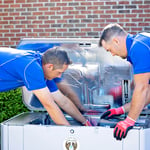
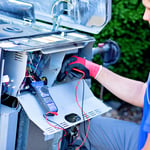
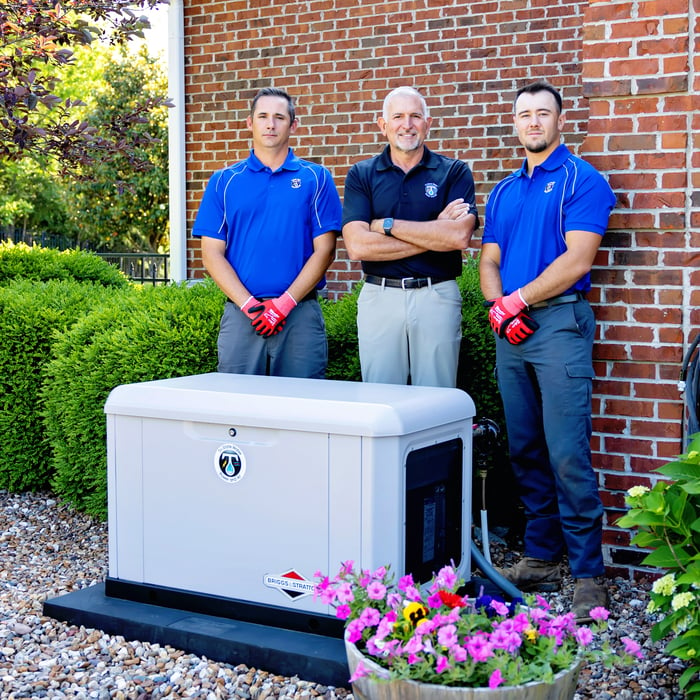
We are the experts in the field of Whole Home Generator Sales and Installation, with over 20 years of experience in the game. We provide turn-key installation by licensed professionals - 24 hour emergency service - Remote Monitoring - Long term maintenance and service by factory trained technicians.

Additional Photos
Additional Photos
Additional Photos
Additional Photos
Additional Photos

+1

90 neighbors recently requested a quote
Avatar for Greyt PC and Phone Repair LLC
Greyt PC and Phone Repair LLC
5.0(
3
)
Telephone System - RepairTelephone System - Repair - For Business

Serving Lepanto, AR and surrounding areas

Approved

In business since 2024

Free estimates

Credit card accepted

"I was traveling for work and my personal laptop was running very slow. I called Greyt PC and was able to get it looked at the same day. The customer service was top-notch. I really appreciated the owner making me a priority. He was very knowledgeable and friendly. He explained things to me and helped me understand the issue. Since then my laptop has been running great."
My jobs
My jobs
My jobs
My jobs
My jobs

+10

Response time50 mins
Response rate91%
1 neighbors recently requested a quote
D'Sean T
New to Angi
Portable Generator - Repair

Serving Lepanto, AR and surrounding areas

Approved

I’m a licensed electrician who takes pride in doing honest, reliable work. I handle everything from small repairs and troubleshooting to lighting installs, panel upgrades, and general electrical maintenance. I pay attention to the details, make safety a priority, and treat every home or job site with respect.\n\nI’m currently looking to pick up any side jobs I can—no job is too small. Whether you need a ceiling fan installed, outlets fixed, breakers replaced, or help figuring out an electrical issue, I’m ready to help. I believe in fair pricing, clear communication, and getting the job done right the first time.\n\nIf you need dependable electrical work, I’d appreciate the opportunity to earn your business.\n

3 neighbors recently requested a quote
...
Showing 1-10 of 73
Electrical FAQs, answered by experts

Yes, a hot or overheating outlet is a fire hazard and can cause a fire. An outlet becoming hot indicates an electrical problem, such as an overloaded circuit, loose connections, or a faulty component. The heat from these issues can ignite nearby flammable materials like curtains or furniture. If you notice an outlet is hot to the touch, turn off the power at the circuit breaker, unplug any connected devices, and consult a qualified electrician. If a fire does start, use a Class C fire extinguisher or baking soda to suppress it, or evacuate immediately and call the fire department.

No, you should never plug a generator directly into a wall outlet in your house. This practice is extremely dangerous, often illegal, and can cause "back-feeding," where power from the generator flows back into utility lines, creating a life-threatening hazard for utility workers. It can also damage your home's electrical system, including appliances like pumps and HVAC fans. If the main power is restored while the generator is connected, it can destroy the generator and cause an electrical fire. To safely connect a generator, you must use a professionally installed transfer switch or an interlocking kit, which prevents back-feeding by disconnecting your home from the utility grid before the generator provides power.

The standard copper wire gauge to use with any 30-amp circuit is a 10-gauge wire. The National Electric Code specifies a 10-gauge wire with appliances like water heaters running on 30 amps. If you try to use a smaller gauge wire, such as a 12 gauge, with a 30-amp breaker, you run the risk of the wire overheating and melting or causing a fire. Because of the safety hazards, the gauge of the wire is not an area to try to cut costs when connecting a 30-amp breaker to a water heater.

The number of outdoor outlets that can be on one circuit depends on the circuit's capacity and the electrical load of each outlet. Outdoor outlets should ideally be on a dedicated circuit that is not shared with other outlets, and each outlet should be rated for at least 15 amps. A circuit rated for at least 20 amps is recommended. It’s important to use GFCI protection for all outdoor outlets to prevent electrical shocks. Overall, it's crucial to avoid overloading the circuit and take necessary safety precautions.

There is no blanket figure for a residential home’s electrical load, since load varies by the size of the home, how many appliances are used, and the efficiency of their electrical systems. Typically, however, it’s safe to assume 40 to 60 amps is the average electrical load of a residential home. 

The Lepanto, AR homeowners’ guide to electrical services

From average costs to expert advice, get all the answers you need to get your job done.