



Top-rated paving pros.

Get matched with top paving pros in Junction City, AR

Enter your zip and get matched with up to 5 pros

Need a pro for your paving service project in Junction City, AR?

Select your specific project to find the pro for you.

Find Paving pros in Junction City

Precision Seal Coating and Striping
New to Angi

Serving Junction City, AR and surrounding areas

Approved

In business since 2021

Free estimates

Offers commercial services

We take great pride in our experience, expertise, quality and customer service that\nwe provide to meet your needs. It is our mission to provide excellent workmanship\nand complete customer satisfaction from start to completion of a project. \nIn order to understand the needs and expectations of our customers,\nwe take great care to work and communicate with every customer a professional manner.\nOur reputation is based on service, safety and quality, regardless of how large\nor small the job.

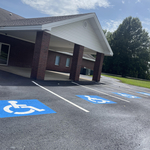
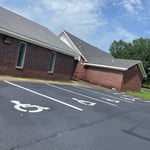
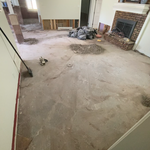
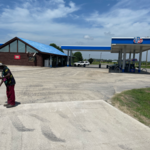
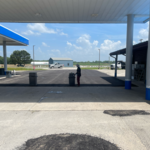
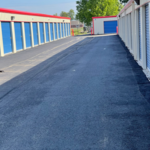
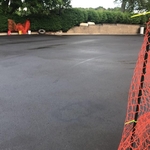
Church Parking Lot
2
3
4
5

+6

Response time2 days
Response rate90%
45 neighbors recently requested a quote
Showing 1-10 of 14
Paving Services questions, answered by experts

Yes, but it's best to kill off the grass with solarization and remove the dead plant matter before laying down the pavers. This helps limit the chance of your pavers shifting as the dead plant matter decomposes.

Decomposed granite and caliche can both harden into a solid surface using a plate compactor. However, due to decomposed granite’s fine particles, it’s not suitable for driveway surfaces. Some homeowners use pea gravel mixed with a gravel-binding resin to bind the loose stones and create a solid surface that won’t shift like loose gravel.

Asphalt and tarmac are not the same thing. Traditional tarmac, short for tarmacadam, uses tar as a binder to hold crushed stone together. Asphalt uses bitumen—a byproduct of crude oil—to bind aggregate. Though tarmac was once a go-to for roads, asphalt has become the modern standard. And these days, most surfaces referred to as “tarmac” are actually asphalt. So, while the names may overlap, the key distinction lies in the binder—tar for tarmac and bitumen for asphalt.

Paving is a part of hardscaping, so all paving is hardscaping, but not all hardscaping is paving. Paving involves laying down concrete or asphalt, while hardscaping can also include the use of paving stones, bricks, gravel, wood, and more. Hardscape features that involve paving are considered permanent and will increase your property taxes, while some other hardscaping features—like those involving bricks, gravel, and paving stones—will not affect property taxes. Paving also typically requires a permit, while hardscaping features considered temporary will not.

Wet cutting is usually the preferred method. It controls dust, which helps protect your lungs and makes for a cleaner working environment. Plus, the water cools the blade, preventing overheating and prolonging its life while providing smoother, more precise cuts. The downside is the mess—water and asphalt sludge can be messy to clean. Dry cutting, though convenient if water isn’t available, creates a lot of dust, which can be harmful. This also increases the risk of blade damage due to overheating. So, if you have the option, wet cutting is the better method for most asphalt jobs.

The Junction City, AR homeowners’ guide to paving services

From average costs to expert advice, get all the answers you need to get your job done.