




Top-rated lead testing and removal specialists.

Get matched with top lead testing and removal specialists in Johnson, AR

Enter your zip and get matched with up to 5 pros

Need a pro for your lead testing and removal project in Johnson, AR?

Select your specific project to find the pro for you.

Find Lead testing and removal specialists in Johnson

Avatar for Chemical Remediation Experts
Chemical Remediation Experts
3.4(
5
)
Toxic Lead - Testing

Serving Johnson, AR and surrounding areas

In business since 2002

Free estimates

Emergency services offered

"It went very well! They were very good workers and did everything in a manner. I'm super satisfied and I would definitely hire them again if the need ever came up. I'm a very inquisitive person and I ask a lot of questions and they spent the time and answered all my questions thoroughly. I was dreading having to deal with this issue so having things explained to me was very appreciative and I highly recommend them."
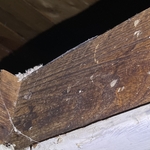
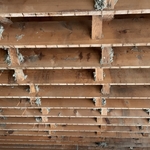
After photo
Mold Testing & Remediation Project
Before photo
Mold Testing & Remediation Project
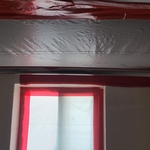
After clear and clean no mold

+4

Recommended by60%of homeowners
Lead Testing and Removal questions, answered by experts

Properties should be tested for lead every 2-3 years, especially if they are older, have undergone renovations, or show deterioration of paint or interior finishes.

If lead is detected in a property, steps should include arranging for professional removal or containment, notifying all occupants, and implementing interim safety measures to reduce exposure.

You can sell a house with lead paint, but there are several requirements. If you are aware that lead paint exists anywhere in the home, you must disclose that to potential buyers. Required home inspections will often uncover lead paint, especially for older houses where lead paint may still be a problem. If you have taken steps to encapsulate lead, you should provide buyers with full documentation of the project so it won’t cause any problems later on.

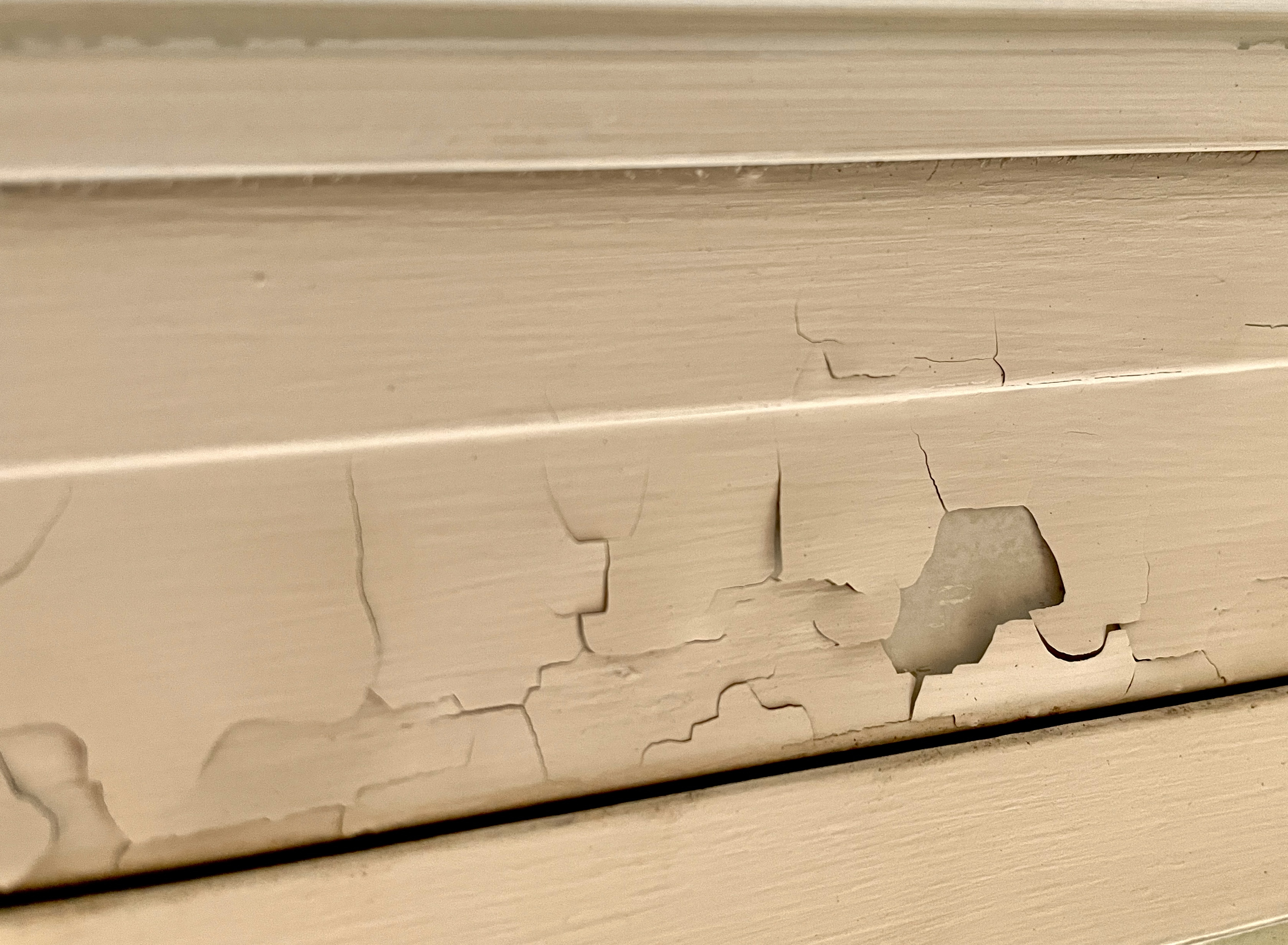
Lead toxicity comes from inhaling lead or consuming it. Before the 1980s, when the government banned lead from consumer use, it could be found in paint, plumbing, pipes, ceramics, and even gasoline. Lead paint is toxic for the same reason lead itself is toxic, which is why lead poisoning from paint presents the same as lead poisoning from water or food sources, with a slight increase in respiratory symptoms vs. digestive symptoms. Lead paint is most dangerous when it’s old and peeling, cracking, or otherwise disturbed. This increases the concentration in the air and, therefore, in breathable air. 

You should ask a few questions to ensure that your potential lead removal professional is experienced and qualified to handle lead-paint abatement safely, legally, and properly.

  • What are your qualifications and experience removing lead-based paint?

  • Are you licensed and certified to remove lead-based paint?

  • How do you test for lead paint?

  • What methods do you use for lead-based paint abatement?

  • What do you plan to do with the hazardous material when you remove it from the home?

  • Do you do replacement and painting work or removal only?

The Johnson, AR homeowners’ guide to lead testing and removal services

From average costs to expert advice, get all the answers you need to get your job done.