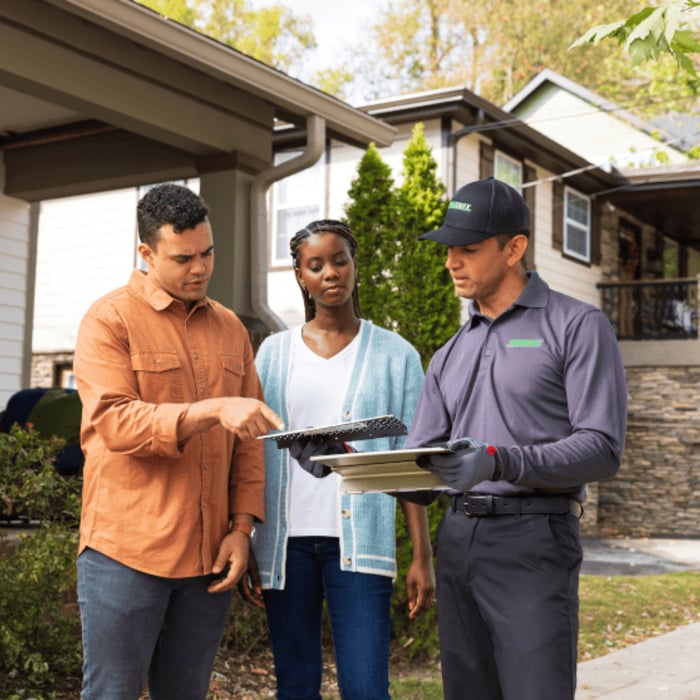



When pests show up, so do we.\n\nFor nearly a century, Terminix® has been one of America's most trusted names in pest control. Every day, our exterminators serve thousands of homes and businesses nationwide, combining national service with local knowledge to provide best-in-class, proactive pest management solutions. We stop problems before they start and respond quickly if issues arise, keeping your property protected.\n\nAnd for extra peace of mind, if pests come back, so do we‐guaranteed.\n\nThe Terminix It Guarantee means that if pests come back, so do we to re-treat at no additional cost. No excuses, just a commitment to care for your home like it's our own with protection you can trust.3
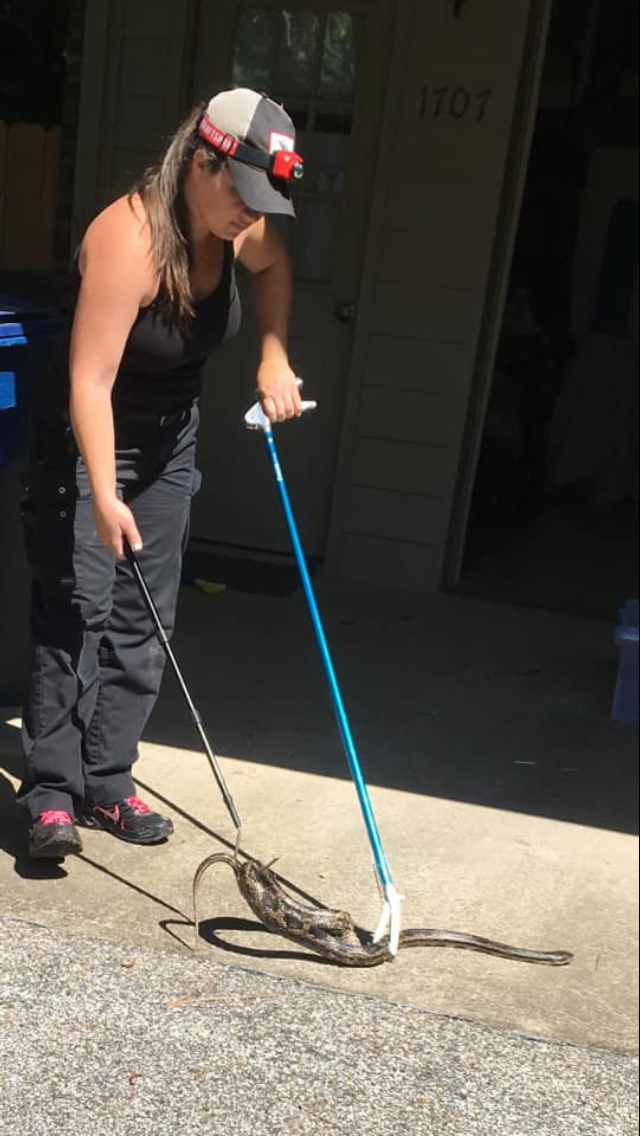
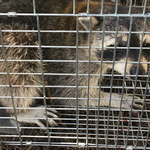
Licensed trapping and/or removal of the following species: Bed Bugs, Bats, Snakes, Raccoons, Opossums, Squirrels, Chipmunks, Flying Squirrels, Rats, Mice, Coyotes, Fox, Feral Hogs. 6+ years in the industry. 15 years experience. \n\nExclusion/Home Repair Services: Sealing construction gaps and repairing damage caused by animals. 15+ years construction experience.
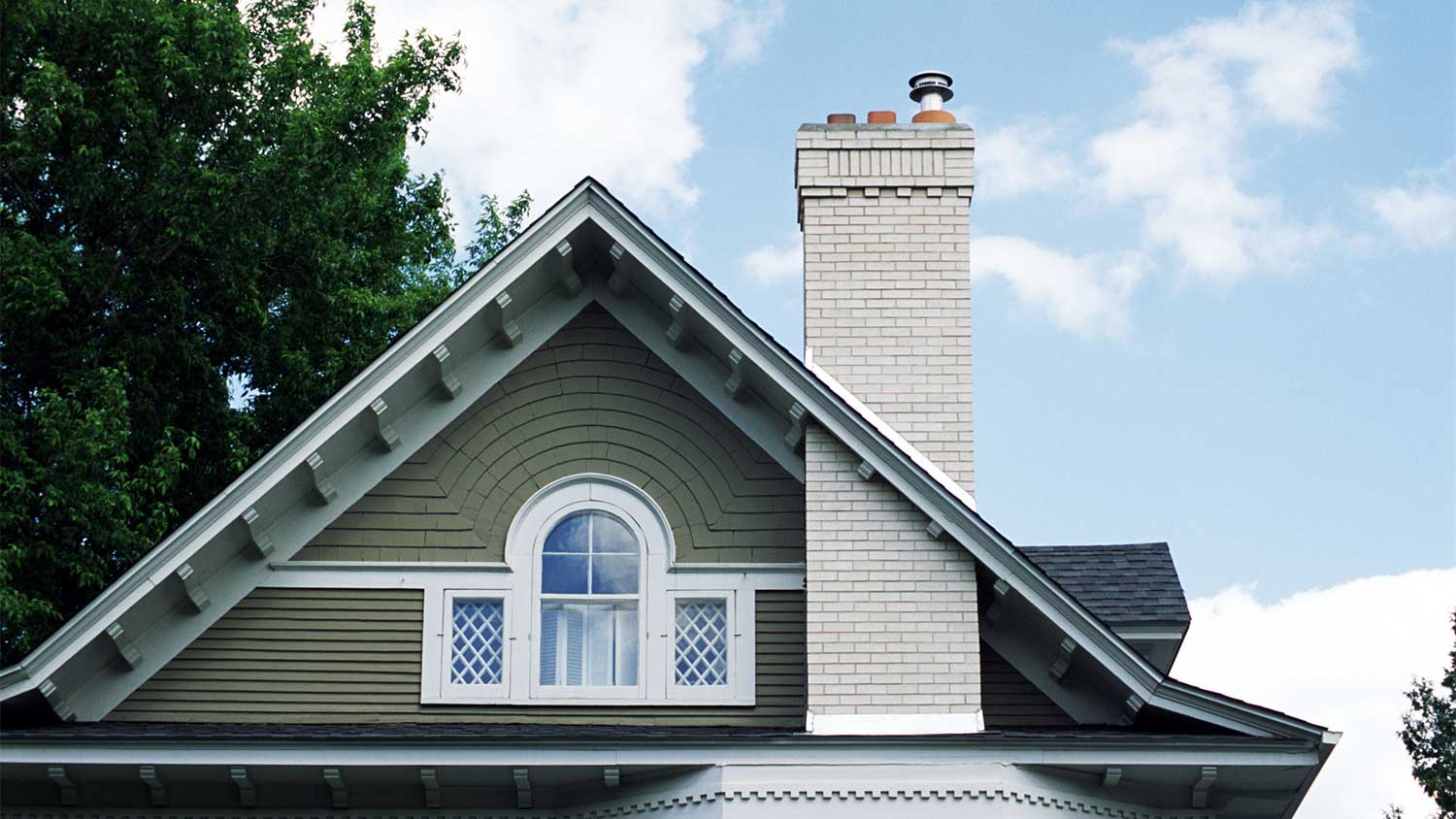
"When they came, we evidently had chimney swifts in our chimney and they couldn't remove them (by law due to it being an endangered species). By the time the birds were gone and we called them back, the coupon had expired. "
We have the experience and we are committed to providing quality workmanship and superior customer service on all our applications. We at Urban Wildlife Solutions L.L.C. strive to maintain our reputation as a high quality, very service oriented company with our main focus being customer satisfaction.
Since 1932, Presto-X (formerly Anderson Pest Solutions) has been providing expert pest control services guided by the enduring principles of providing world class service to our customers and taking care of our colleagues. Presto-X covers your home or business with expert knowledge, professionally licensed and trained technicians, and exemplary service designed specifically for you.
You can find a variety of humane bird repellent sprays online and at home improvement stores. However, if you want to try a DIY method that will keep birds away without harming them, mix some water, dish soap, and a few drops of peppermint oil and spray the area you want bird-free. Peppermint oil is a notoriously lovely smell for humans, but birds tend to avoid it.
Vinegar can keep some animals at bay, like deer, rabbits, foxes, and raccoons. Keep in mind that your household pets, like cats and dogs, also don’t like the smell of vinegar. You can soak rags in white vinegar and put them up around your garden beds to keep the pesky critters from eating your plants.
Hawk attacks on pets are rare, and they won’t target animals that outweigh them. Hawks typically weigh between one and three pounds. That means you don’t need to worry if you have a Labrador Retriever or French Bulldog. However, small cats and toy breed dogs, like Chihuahuas, are at risk. Pet attacks are more likely in winter when food is scarce or in the early summer when inexperienced young hawks are honing their hunting skills.
Trees that provide a habitat to bats and an abundance of bugs—their main food source—will attract bats to your yard. Because the North American landscape has changed so much in recent years, bats have a harder time finding trees with cavities to shelter in. If your yard has a dead or dying tree with a lot of sun exposure, bats will likely be drawn to it because trees with those features are less common.
No, you shouldn’t have to worry about bats in your yard as long as they don’t make their way inside your house. Typically, bats hang around backyards in order to consume bugs, especially if they’re located in the U.S. Bats that are native to North America can consume more than 500 bugs per hour, so they may actually benefit your yard if mosquitoes are prevalent.
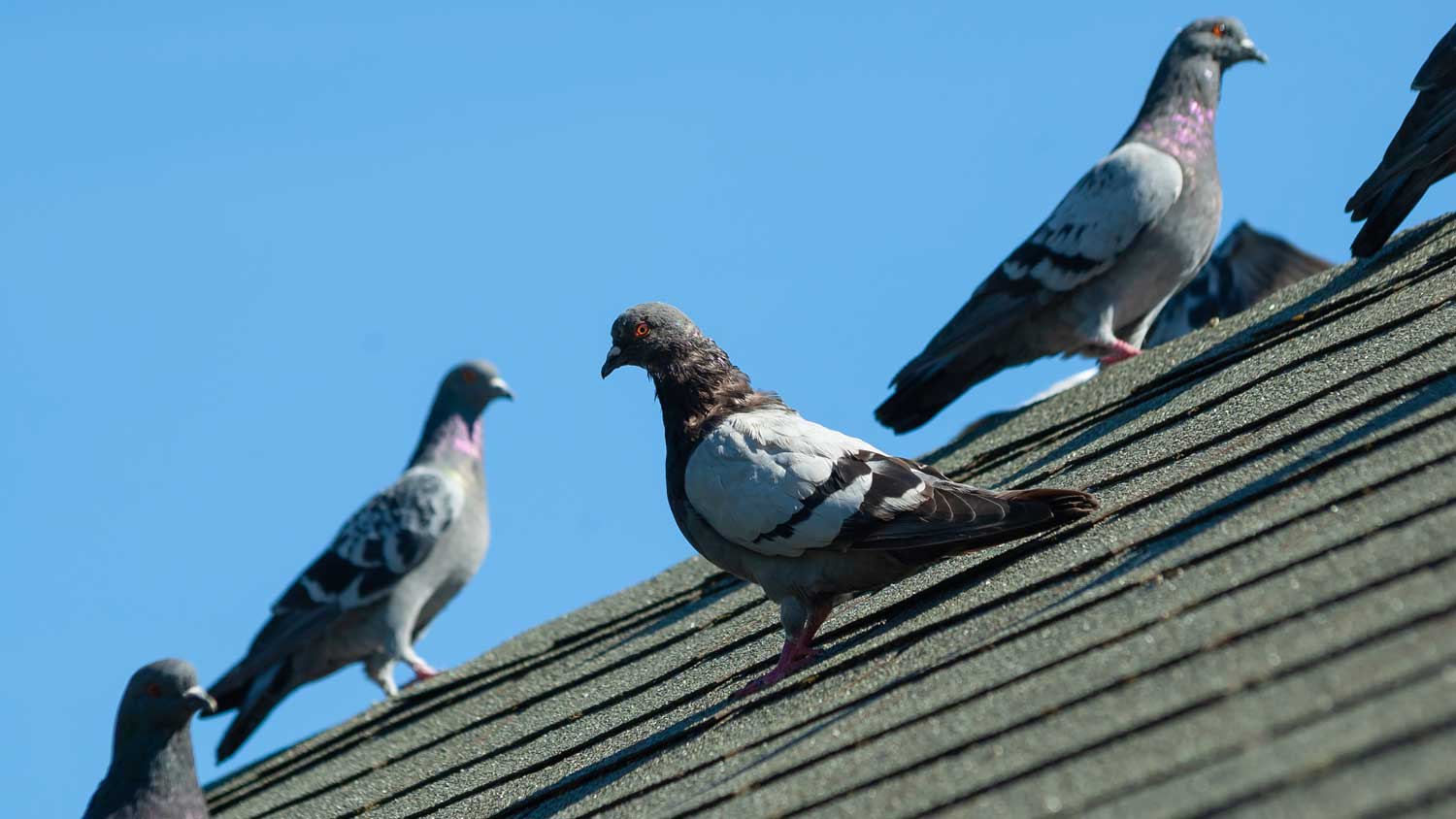
The Pine Hill, AL homeowners’ guide to bird control services
From average costs to expert advice, get all the answers you need to get your job done.
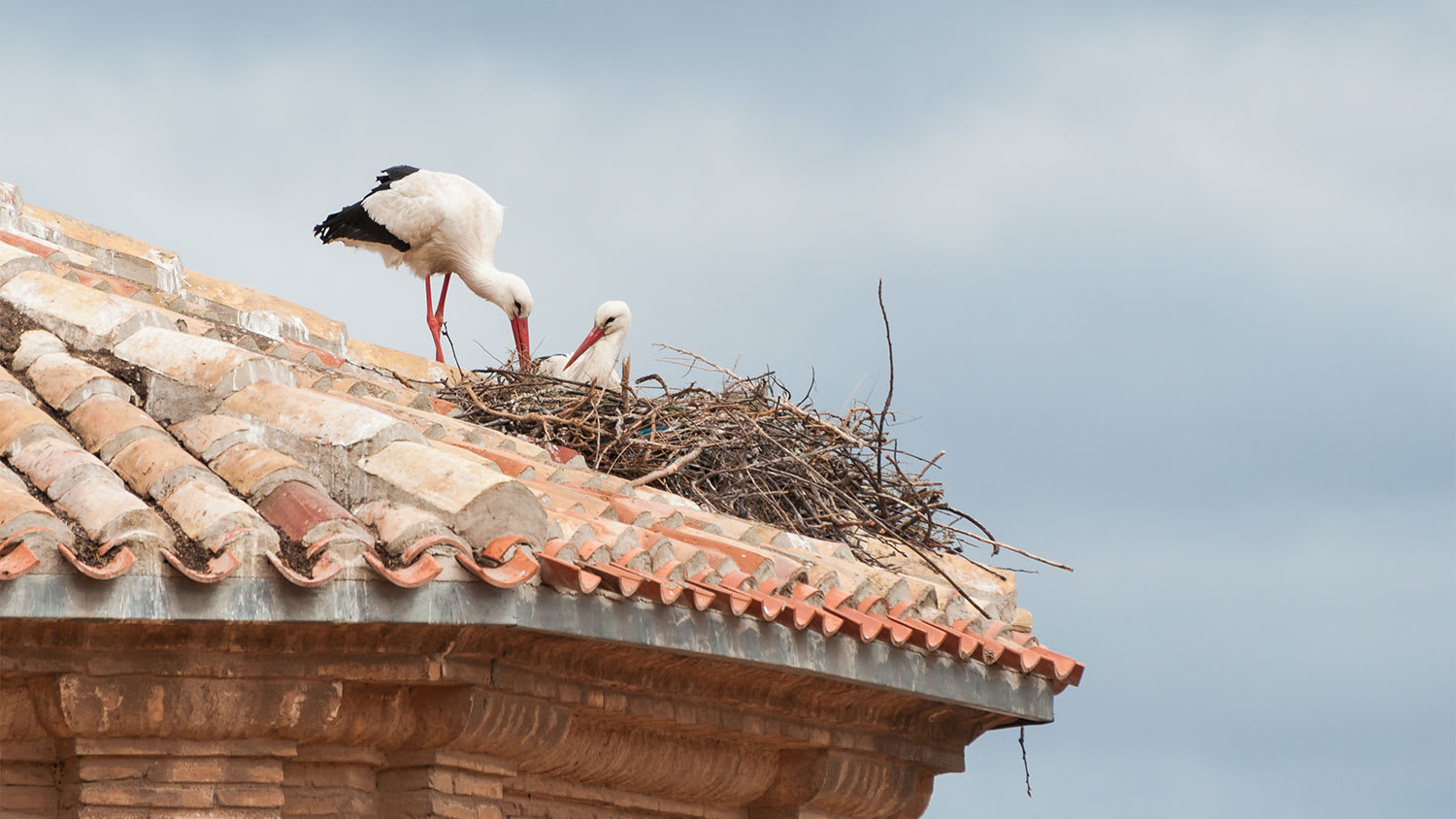
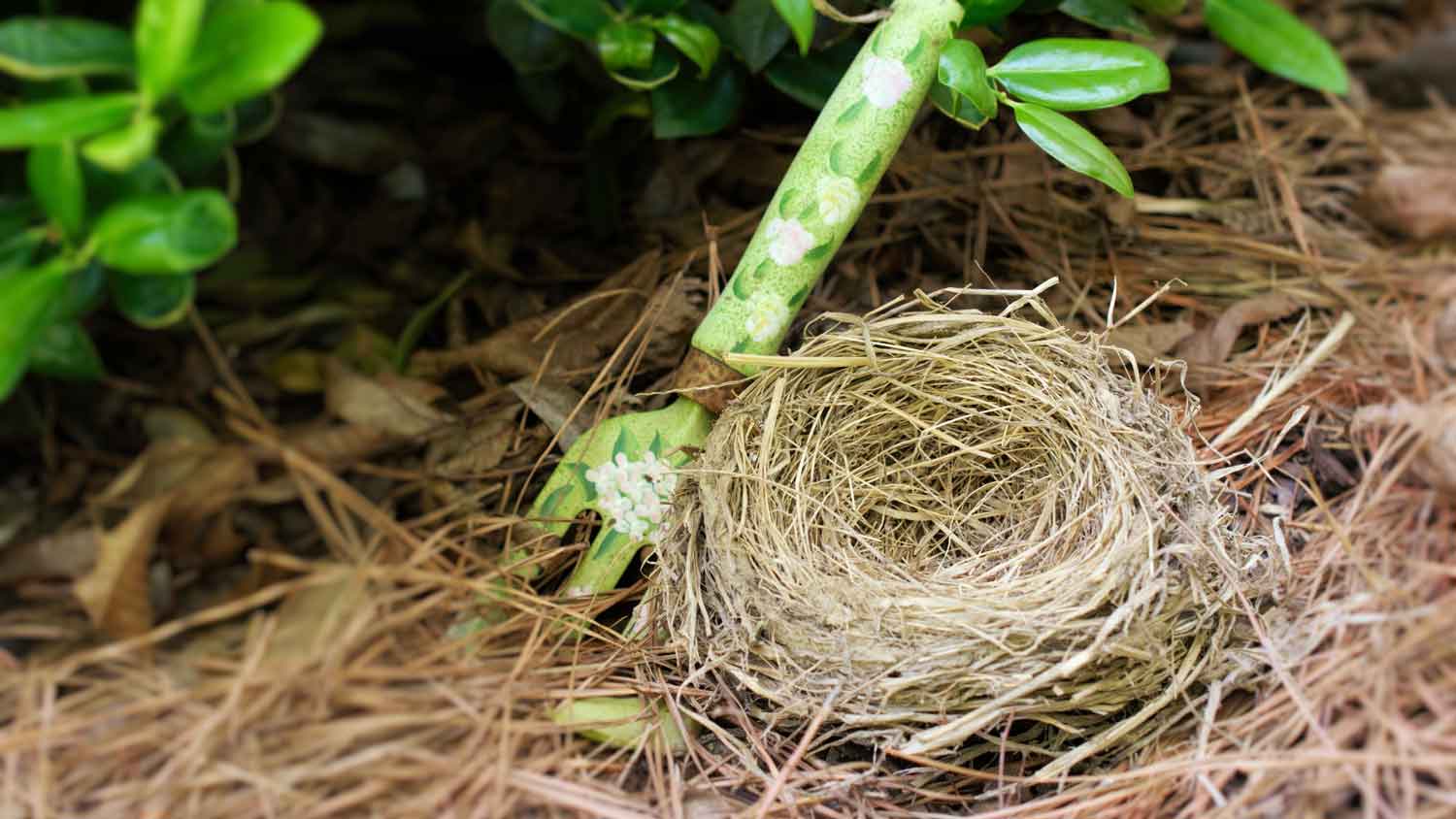
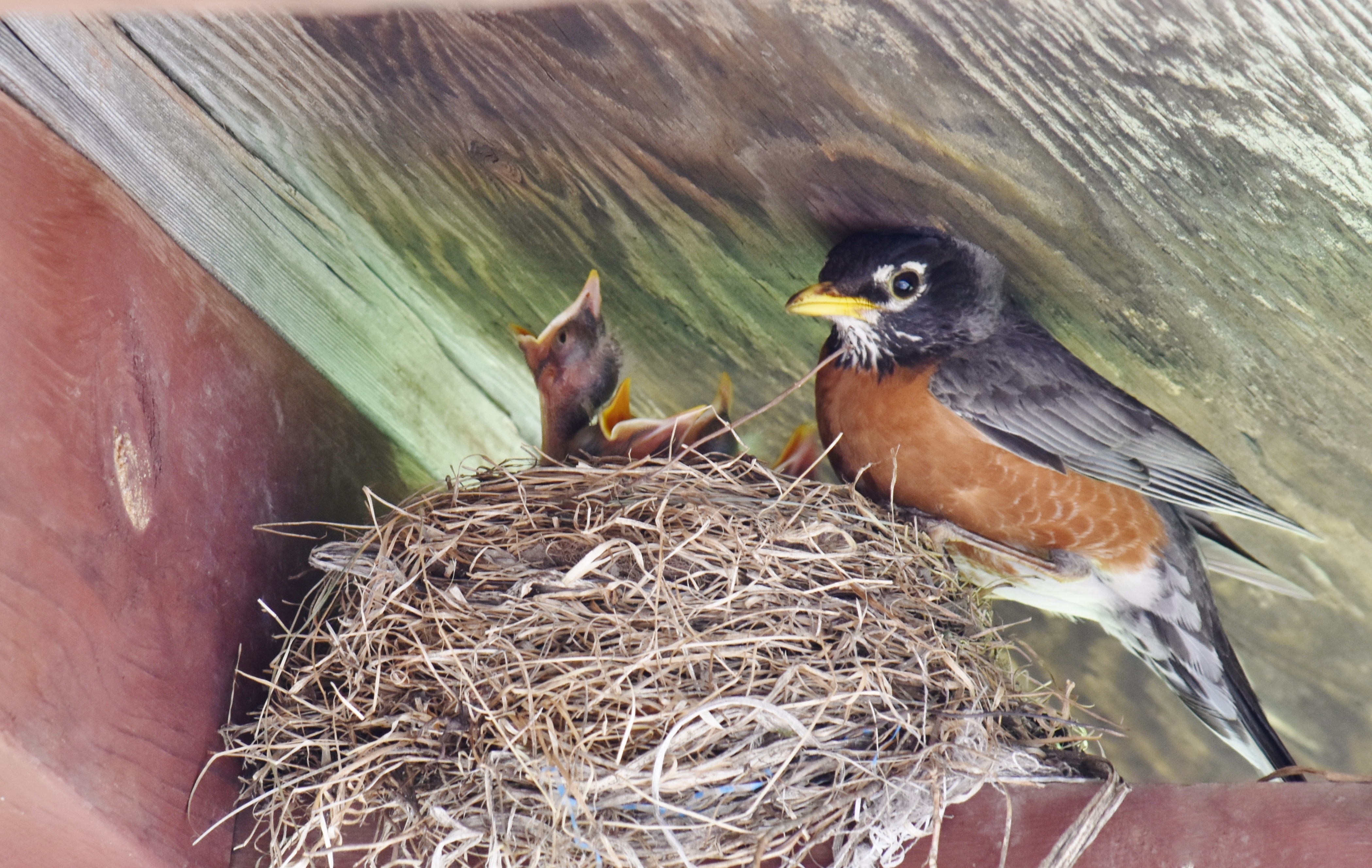
Sometimes birds nest in unwelcome places. Find out how much bird nest removal will cost based on factors like location, bird species, and preventative measures.