

Top-rated radon detection and reduction specialists.

Get matched with top radon detection and reduction specialists in Jacksonville, AL

Enter your zip and get matched with up to 5 pros

Need a pro for your radon detection and reduction project in Jacksonville, AL?

Select your specific project to find the pro for you.

Find Radon detection and reduction specialists in Jacksonville

Avatar for Emerald Valley Inspection Services LLC
Emerald Valley Inspection Services LLC
5.0(
1
)

Serving Jacksonville, AL and surrounding areas

In business since 2023

Free estimates

Warranties offered

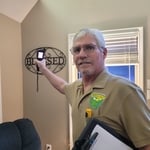
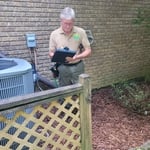
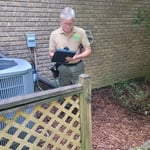
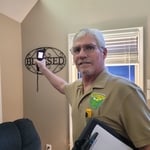
Emerald Valley Inspection Services LLC is committed to excellence in every aspect of our business. As a Certified Professional Inspector trained by InterNACHI - The International Association of Certified Inspectors- I have the knowledge to spot problems with materials, installation and workmanship that other inspectors might miss.\nI follow a comprehensive Standards of Practice, which ensures that you receive a detailed and accurate home inspection. I also abide by a strict Code of Ehics, which puts your interests first and protects your rights as a consumer.\nI understand how stressful a real estate transaction can be. So, whether you're buying or building a new home, selling the one you're in, or purchasing an investment property. let Emerald Valley Inspection services give you the peace of mind you deserve to make the right choice for your family's future.\nProudly Serving Central Alabama

Full Interior Professional Inspection
Full Exterior Professional Inspection
Residential Inspection
Using Infrared Technology
Response time3 hrs
Radon Detection and Reduction questions, answered by experts

The average radon mitigation system uses about 876 kWh of electricity per year, although the exact amount of electricity used will vary depending on the size of the radon fan. Once the system is installed, the annual increase to your energy bill could range from $30 to $300 per year, again depending on the size of the fan.

No, radon mitigation systems do not decrease home value or make a home harder to sell. In areas where homes experience similar radon exposure risks, a radon mitigation system is viewed as an improvement. Potential homebuyers often opt to buy a home with a radon mitigation system already installed to reduce the risk of cancer for their families.

The lifespan of a radon mitigation system depends on the type of system and its maintenance. With proper care, a system can last for many decades. Passive systems tend to last longer as they have fewer components that require replacement. Active systems, which have more moving parts like fans, generally have a shorter lifespan. For instance, water filtration devices and active pressurization systems require more frequent maintenance. While the system as a whole is durable, the radon fan in an active system typically has a lifespan of 5 to 10 years and will need to be replaced. As long as the fan is working, the mitigation system should function correctly.

No level of radon is technically safe, but since it is present everywhere, complete avoidance is impossible. The average radon level in homes across the United States is 1.3 picocuries per liter (pCi/L). The Environmental Protection Agency (EPA) recommends taking preventative measures if your home's radon levels are between 2 and 4 pCi/L or higher.

You'll need to test your home for radon after installing the mitigation system, then again every two years. If radon remains elevated, contact a licensed radon professional, either the contractor who installed the system or a different one, and have them evaluate the system. They may need to make some changes to improve its effectiveness and performance.

The Jacksonville, AL homeowners’ guide to radon detection and reduction services

From average costs to expert advice, get all the answers you need to get your job done.