


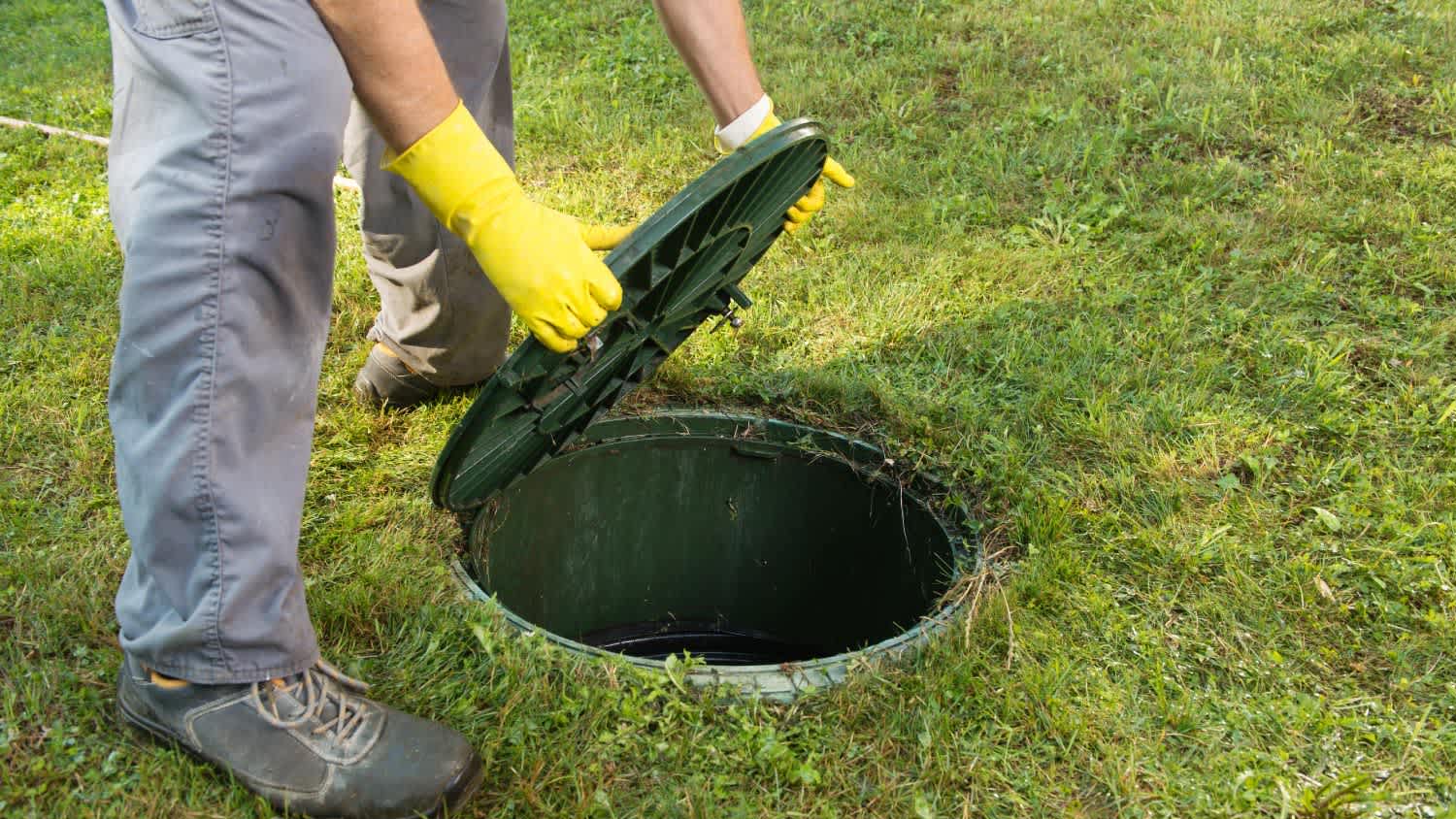
Top-rated percolation testing pros.

Get matched with top percolation testing pros in Fairfield, AL

Enter your zip and get matched with up to 5 pros

Need a pro for your percolation testing project in Fairfield, AL?

Select your specific project to find the pro for you.

TRUSTED BY FAIRFIELD, AL HOMEOWNERS

  • Average homeowner rating star icon4.3
    Average homeowner rating
  • Verified reviews icon296
    Verified percolation testing services reviews

Find Percolation testing pros in Fairfield

No results for Percolation testing pro in

Try adjusting your search criteria.
Percolation Tests questions, answered by experts

There are products that still contain asbestos, but they were typically installed decades ago. Common places where you may still find asbestos-containing materials are in siding, wrapped around ductwork, in older appliances (i.e., stove and gravity furnaces), and in floors. Asbestos was primarily used as an insulator, so anywhere in an older home where you lose heat is where you will most likely find asbestos.

Asbestos is a carcinogen, meaning it increases the risk of cancer. Inhaling asbestos fibers is linked to several respiratory issues, including asbestosis, or scarring on the lungs, lung cancer, and mesothelioma, another type of cancer. There's also a link between asbestos exposure and an increased risk of colon cancer and other cancers of the digestive system.

Usually, the people most at risk for disease related to asbestos exposure are those who spend a lot of time working around the material without protection. Electricians who work with asbestos wire have a higher risk of developing mesothelioma or lung cancer due to their exposure.

Some pros may recommend covering a popcorn ceiling that tests positive for asbestos with beadboard ceiling planks or drywall. The cost to install a beadboard ceiling averages more than $5,000, but you likely will pay more than the average for the installer to deal with the asbestos safely. Installing a beadboard ceiling or new drywall will disturb the asbestos and release some microscopic fibers, so the installer will need to take precautions. 

Unlike some home problems, such as water damage or pest infestations, asbestos can be very difficult to spot. Asbestos is a mineral in the form of microscopic fibers and was previously used in building materials for its bonding and fireproofing abilities. Insulation, roof shingles, ceiling tiles, floor tiles, pipe wrappings, soundproofing materials, and textured paint features like popcorn ceilings are common sources of asbestos, particularly in homes built before 1980.

Age is perhaps the biggest indicator of asbestos, as legislation passed in the 1970s labeled asbestos as dangerous and regulated its use in building materials. Signs of age in the form of wear and tear or material degradation are also indicators that asbestos fibers may be leaking into the air, but ultimately, it’s difficult to detect with the naked eye. If you have reason to suspect asbestos in your home, it’s best to hire a certified asbestos inspector.

No, but it’s common that they do. Gravity furnaces weren’t terribly efficient so wrapping either the ductwork in asbestos, the furnace itself, or both, was something done regularly. This allowed the system to retain more heat. At the time, this greatly enhanced the efficiency of the furnaces but it wasn’t until later that we became aware of just how carcinogenic and dangerous asbestos could be.

The Fairfield, AL homeowners’ guide to percolation testing services

From average costs to expert advice, get all the answers you need to get your job done.