



Top-rated radon detection and reduction specialists.

Best radon detection and reduction specialists near Cragford, AL

Enter your zip and get matched with up to 5 pros

Need a pro for your radon detection and reduction project in Cragford, AL?

Select your specific project to find the pro for you.

Top-Rated Radon detection and reduction specialists in Cragford - Updated Nov 2026

Avatar for DEH Sales Group, LLC
DEH Sales Group, LLC
5.0(
28
)
Radon Gas - AbatementRadon Gas - Testing

Serving Cragford, AL and surrounding areas

In business since 2000

Free estimates

Credit card accepted

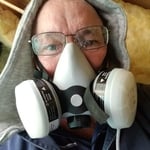
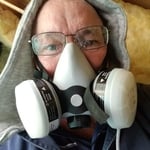
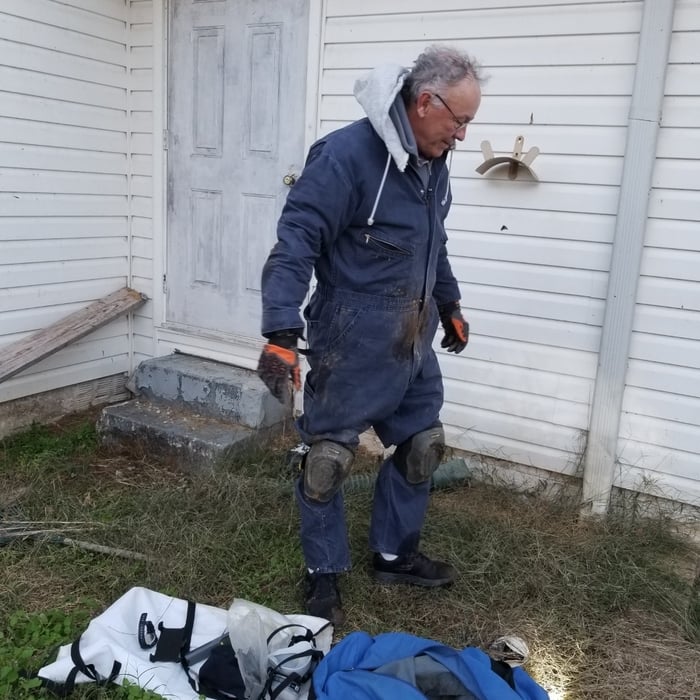
"We hired David to do an inspection and Radon test for a home we are planning on buying. He was very professional and capable in all of his inspection. He was very polite and not afraid to get dirty or to find everything going on in the home. He had answers for all my questions and knows what he is doing."
90 year old house
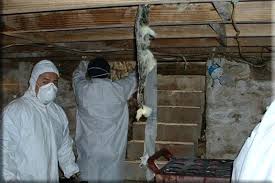
Crawlspaces aren't pretty.
The only Certified ASHI inspector in the area.
Crawlspaces aren't pretty.
90 year old house

+2

Response time30 mins
Response rate92%
Recommended by100%of homeowners

Radon Detection and Reduction FAQs, answered by experts

You'll need to test your home for radon after installing the mitigation system, then again every two years. If radon remains elevated, contact a licensed radon professional, either the contractor who installed the system or a different one, and have them evaluate the system. They may need to make some changes to improve its effectiveness and performance.

Keeping radon from getting into your home is much better than having to get rid of it once it's already indoors. While there may not be a way to fully prevent radon from getting into your home, there are things you can do to reduce the gas's ability to enter. 

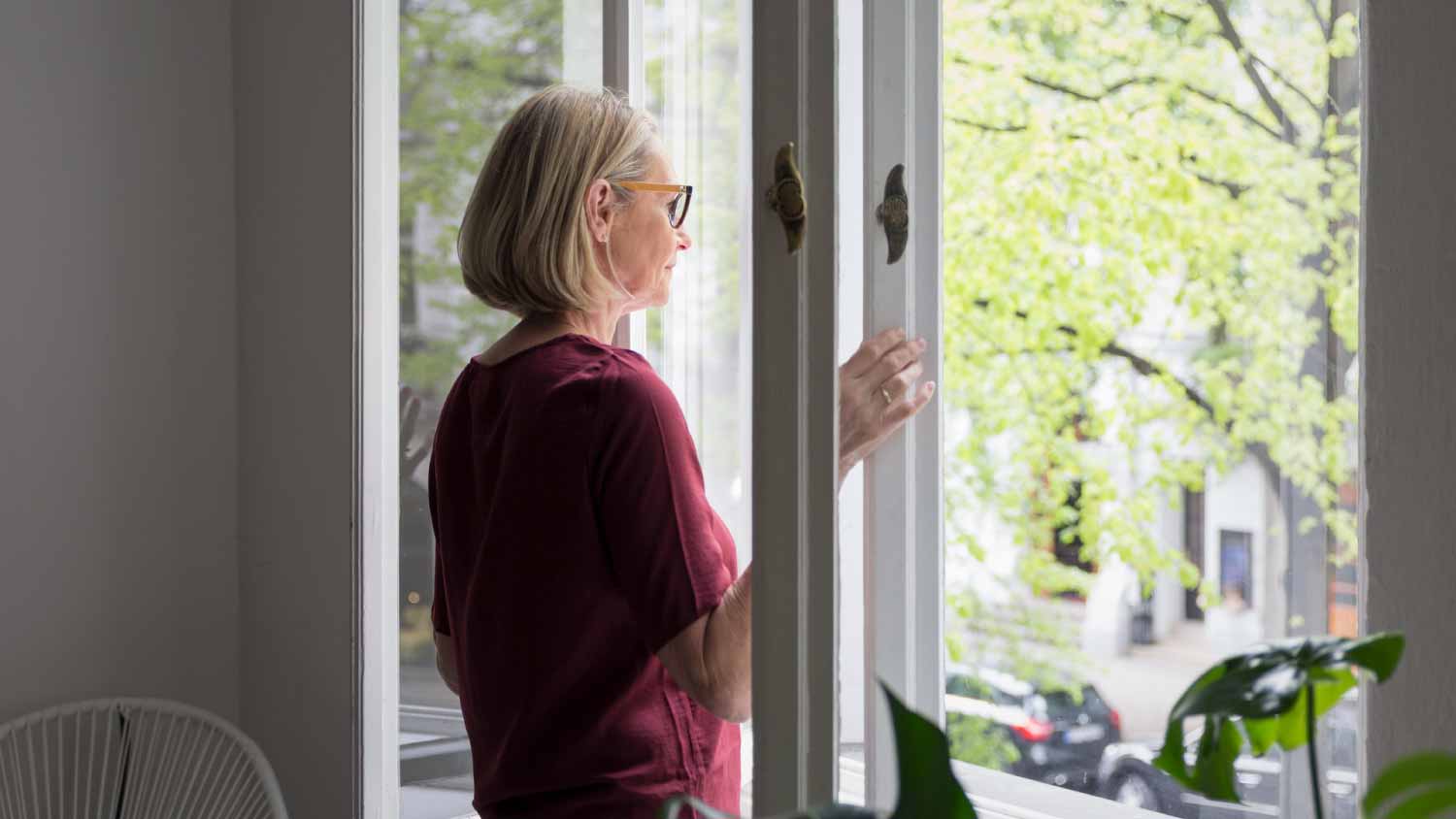
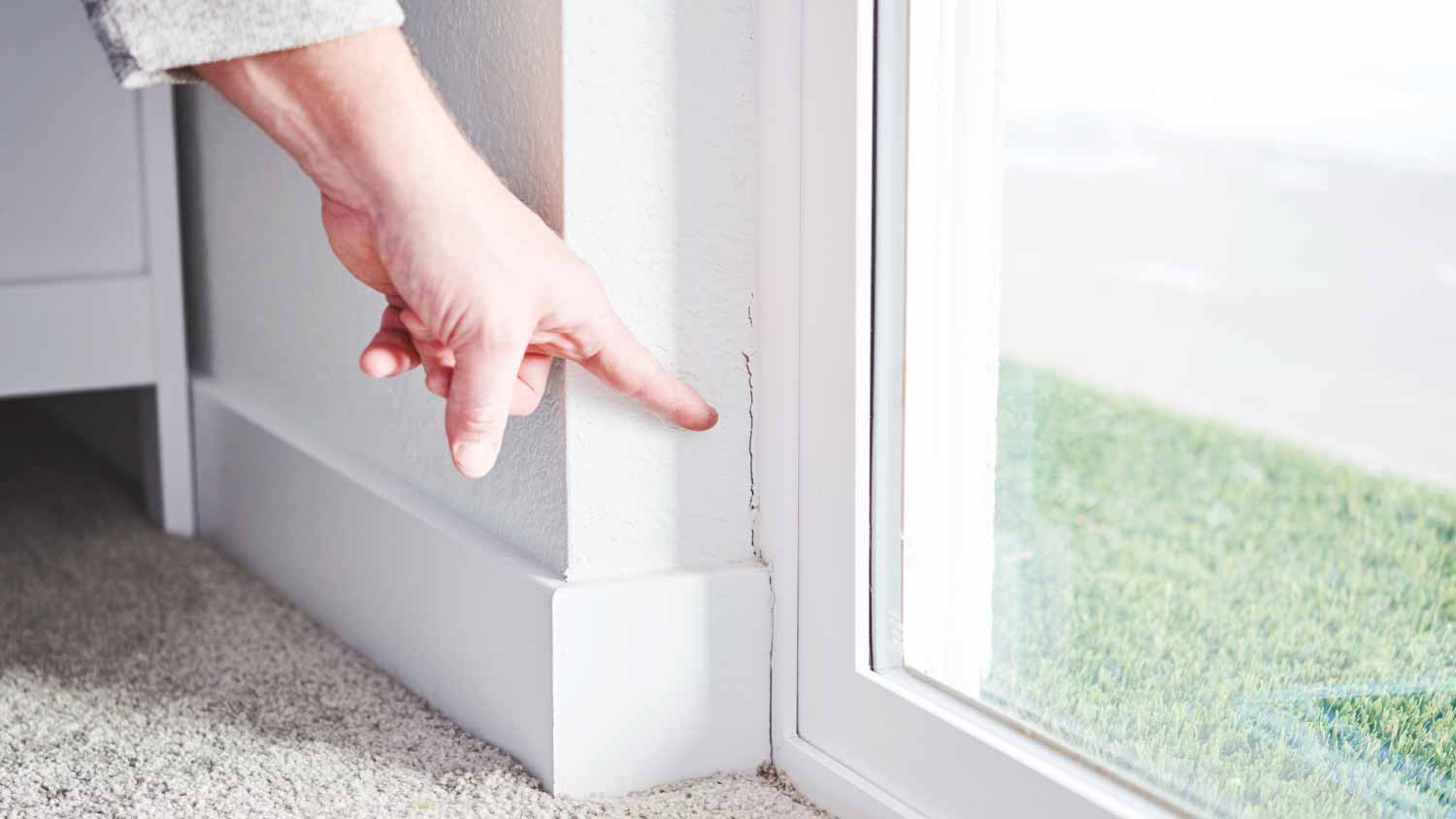
Sealing foundation cracks and openings can help keep the gas from seeping inside. Improving air flow, such as by opening windows, can also be helpful. If you're building your home from scratch, talk to your contractor about using radon-resistant construction to keep the gas out.

No level of radon is technically safe, but since it is naturally present everywhere, it is impossible to avoid entirely. The average radon level in homes across the United States is 1.3 picocuries per liter (pCi/L). The Environmental Protection Agency (EPA) recommends taking action to reduce radon levels if your home's test results are between 2 and 4 pCi/L or higher.

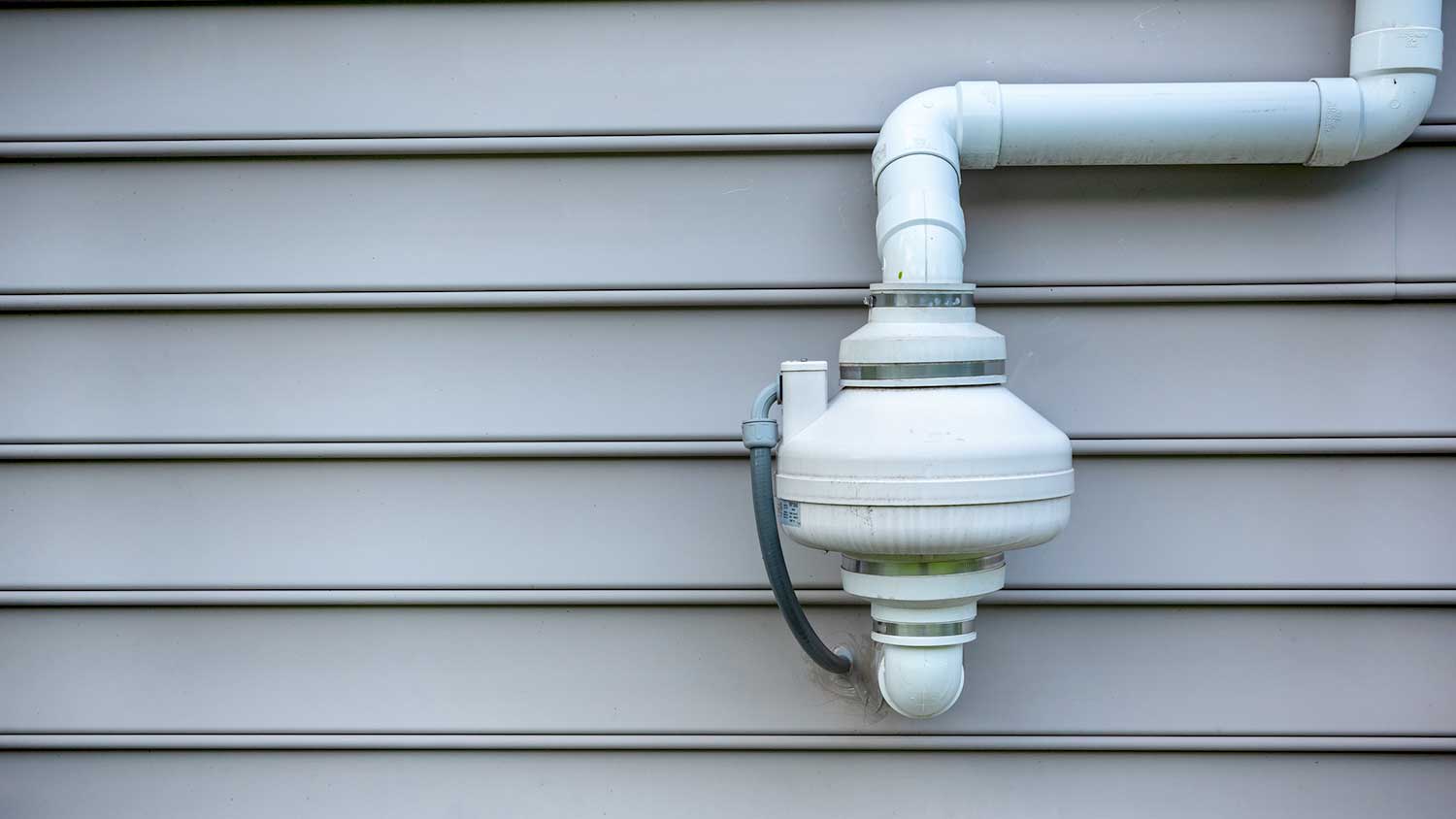
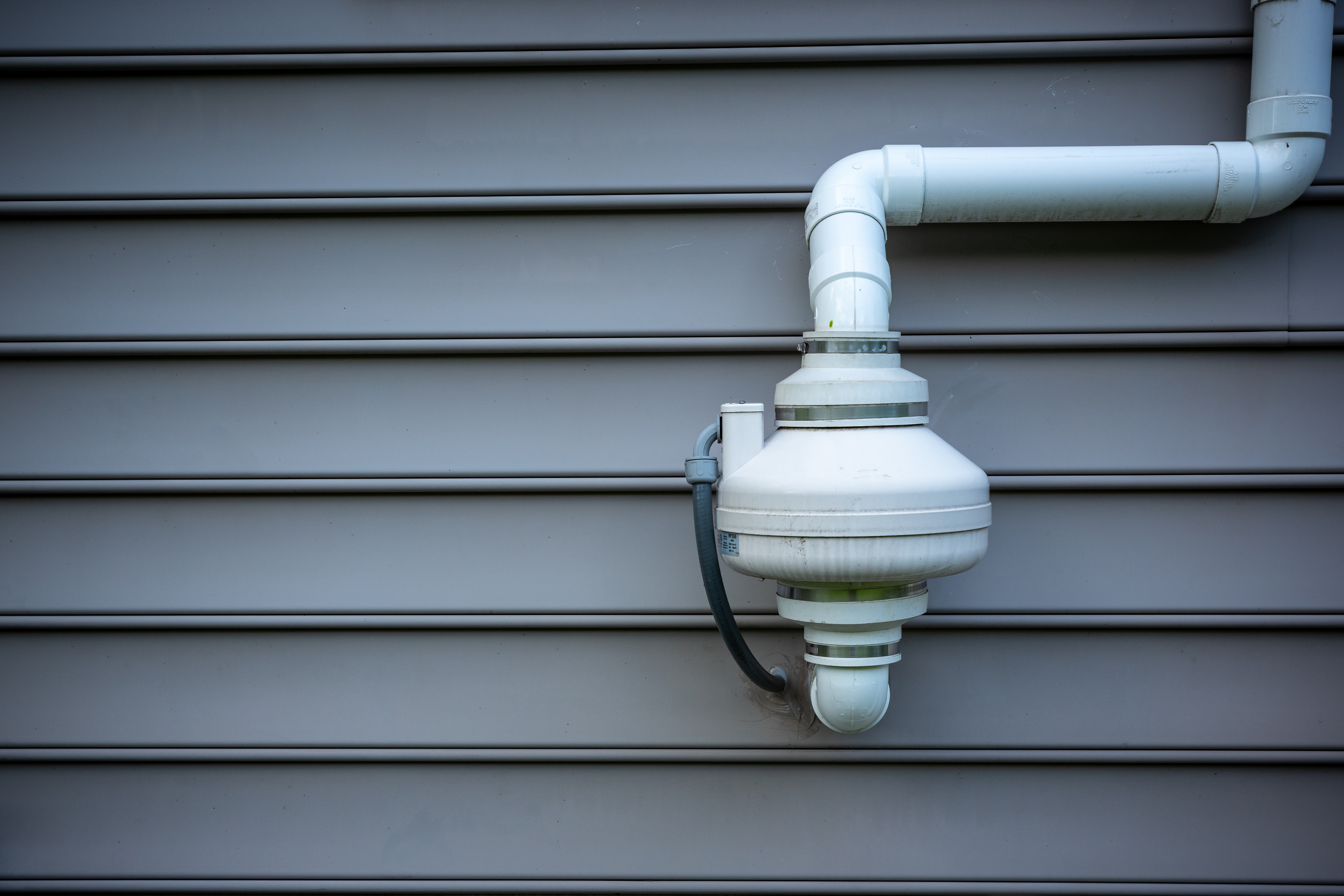
Many radon fans carry a five-year manufacturer's warranty. That said, your radon fan should last between five and ten years. Regular inspections will ensure the fan is operating properly. Unusual or exceptional noise coming from the fan or indications on your manometer or system monitor can immediately tell you that something is amiss.

Your radon mitigation system may be loud because it’s time to replace it. Any sounds are usually from the inline fan that helps create the vacuum and resulting airflow. If you hear a new, loud mechanical or humming noise from your radon fan, it might be time to replace it. Most fans used in radon mitigation systems last up to 10 years, but may need to be replaced sooner.

The Cragford, AL homeowners’ guide to radon detection and reduction services

From average costs to expert advice, get all the answers you need to get your job done.