"Quality One provided me quick help that perfectly addressed my needs. They were communicative, helpful, and I felt confident in the rate they quoted me. I will definitely work with them again!"
"The workman ship was excellent. Configured the plumbing if repairs were needed in the future it would be minimum impact. Highly recomended to perform any type a job"
"David was quick, efficient, and did a great job. He even came out when there was feet of snow on the ground making the job more difficult (we have 2nd story windows). Would hire again and recommend him to others."
"Rick was easy to work with and suggested excellent quality windows. With the pandemic problem, they stayed in touch trying to get the windows from the manufacturer. The installation was quick and easy and done exceptionally well. I am very pleased with the product, the labor and the cost. I have already suggested them to others who has used them for their windows also!"
Yes, snow should be removed from a deck to protect it from damage caused by moisture and heavy loads. Shovel the snow off of your deck regularly once it is more than four inches deep. Avoid using salt, which can damage your deck.
Yes, using sustainable materials and recycled composites offer green solutions.
PVC decking might be long-lasting, but this synthetic material lacks the natural aesthetic or sustainability of wood decking. If you want to match your decking to your new garden furniture or just freshen up the faded surface, it’s not usually possible to paint PVC decking. When comparing PVC to composite decking, PVC is pricier and more prone to warping in hot regions.
Both composite and PVC decking are excellent alternatives to wood. However, while composite is moderately priced and lasts around 30 years, PVC costs more and lasts longer. PVC is also more durable, though both materials are more durable than wood decking. Ultimately, the choice between composite and PVC decking will come down to your budget and preferences.
Both aluminum and composite decking materials are environmentally friendly, with aluminum decking coming in as the most eco-friendly option.
Though composite decking helps remove plastics from landfills, recycles wood, and lasts longer than traditional wood decks, it’s not recyclable and only lasts for 25 to 30 years on average. Aluminum can last well over 30 years and is almost always recyclable.
The Valdez, AK homeowners’ guide to deck cleaning services
From average costs to expert advice, get all the answers you need to get your job done.
Refinishing your deck is a great way to restore its appearance and fall in love with your outdoor space. Use this guide to learn how much it costs based on factors like size and type.
Learn how to clean a deck before staining to ensure long-lasting adhesion, weatherproofing, and optimum appearance of this coloring and protecting treatment.
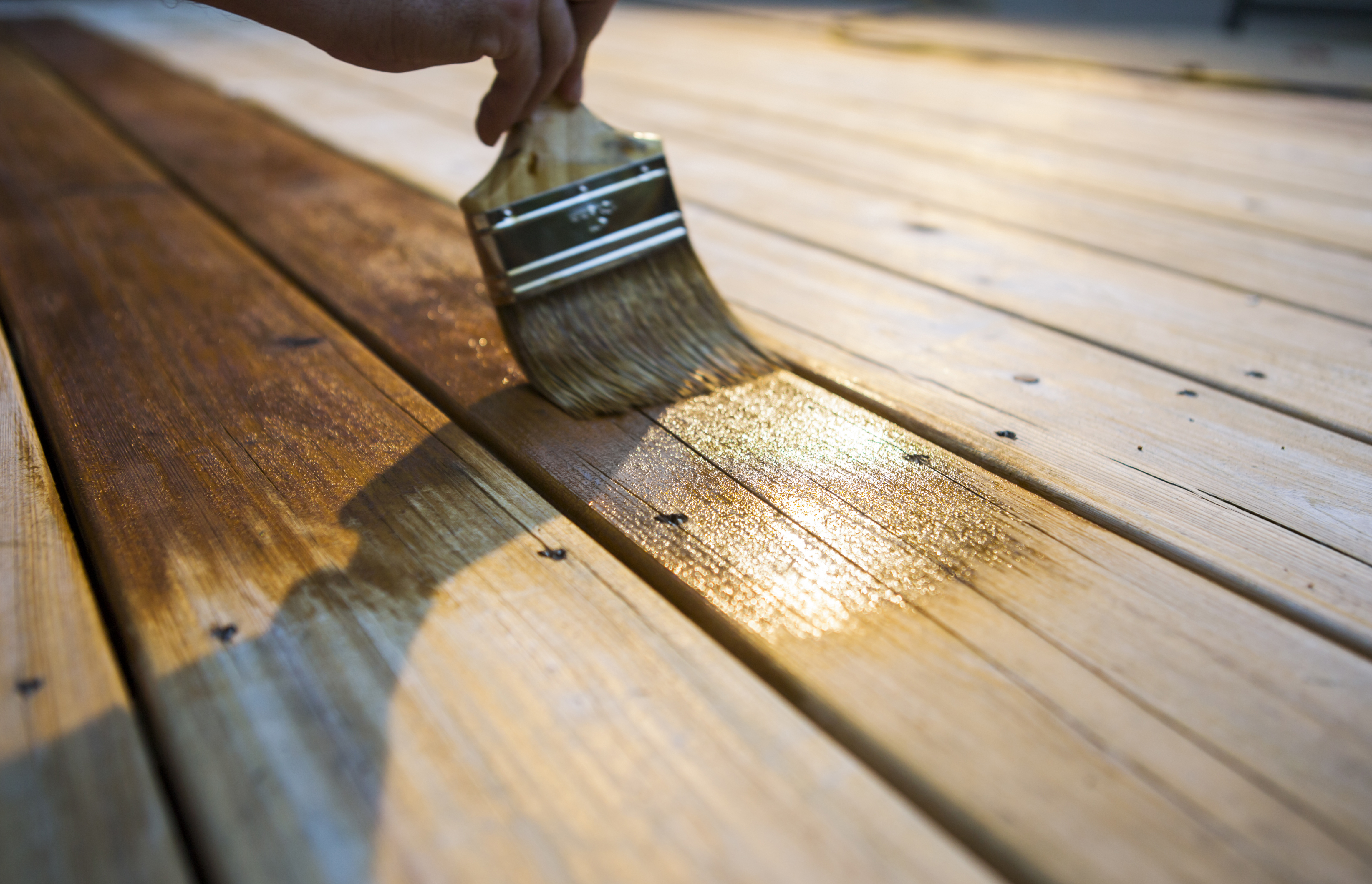
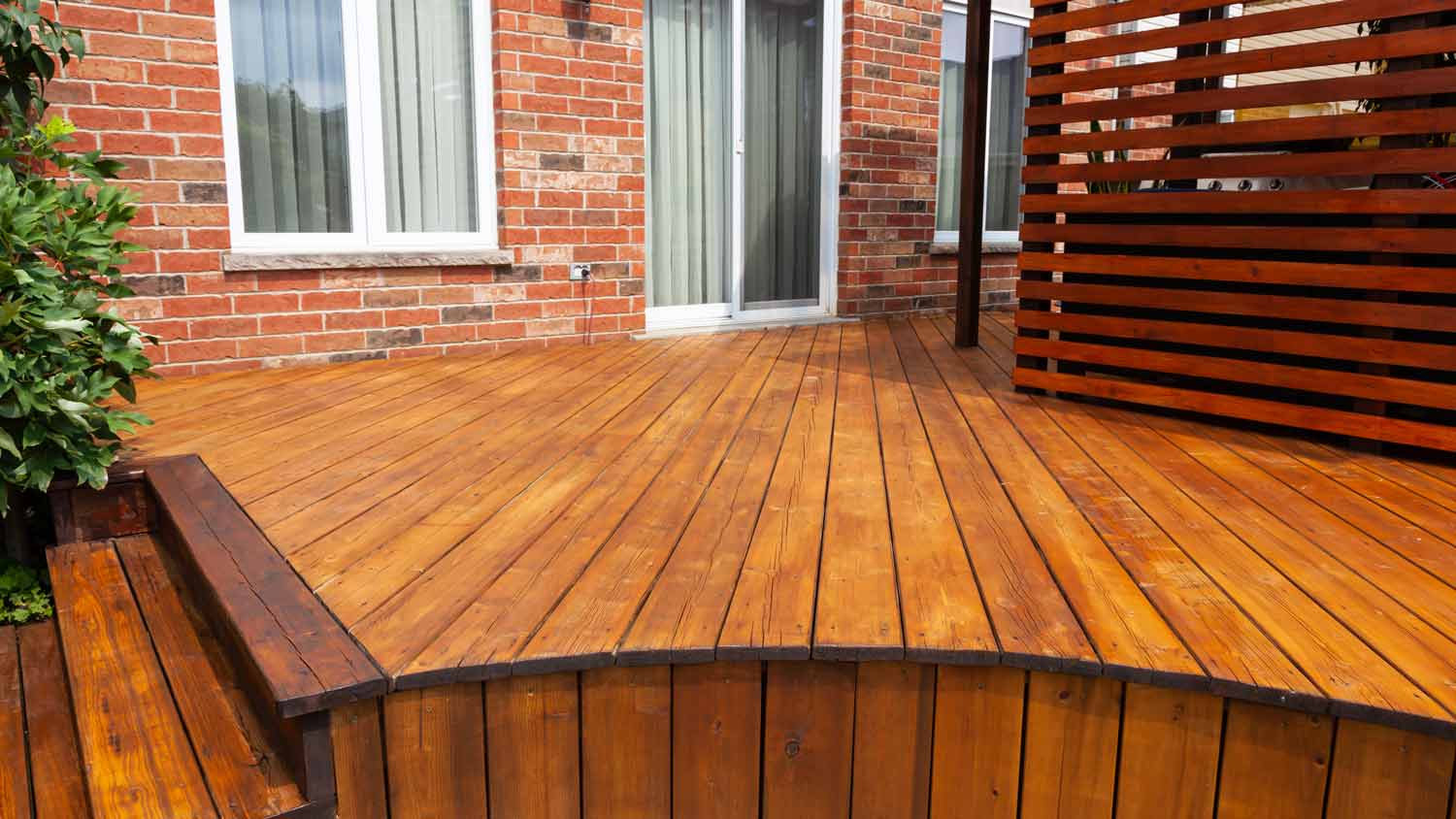
Deck maintenance is vital to protecting a wooden deck. Cleaning, staining and sealing a deck after pressure washing will add years to its lifespan. Protect a deck by following these deck maintenance tips for cedar and other types of wood materials.
Knowing how to clean and seal a deck can help extend its life and keep it looking like new. This DIY guide sheds light on the best way to clean a wood deck.