A water softener is a worthwhile investment if you live in an area with hard water. While hard water is safe to drink, it contains minerals like calcium and magnesium that can cause significant problems over time. These minerals build up inside pipes, reducing water flow and eventually corroding the plumbing system, which can lead to leaks and a shortened lifespan. Hard water also damages fixtures and appliances, potentially resulting in costly repairs. Additionally, it makes soaps and detergents less effective, meaning you'll use more product to get things clean. By installing a water softener, you can prevent these issues. The initial investment is often recouped through long-term savings, including lower energy bills, reduced appliance and plumbing maintenance, and spending less on soap and cleaning supplies. Other benefits include cleaner linens, dishes, and clothing, as well as softer water that is gentler on your skin and hair. In some areas, a water softener can also increase your home's value, making it a valuable long-term investment.
While it depends on how complicated the unit and installation is, it takes two to four hours to install a water softener unit, on average. It might take longer if pipes need to be replaced. You should make sure the installation area is clear of any objects that might get in the way before you begin.
You should not use a water conditioner with a water softener because a water conditioner changes the chemistry of the water and causes the ion exchange in a softener to be ineffective. Choose a water softener if you have hard water or well water, and use a water conditioner if you need to remove certain contaminants.
The most accurate way to determine whether you have hard water is to purchase a water test kit from a hardware store or send a tap water sample to a lab. But there are some signs you can look out for without professional testing. For instance, if you're consistently dealing with mineral stains on your glassware, windows, and shower doors, you're likely to have hard water. Hard water can also make it harder to lather and rinse soap, so if you're struggling to work up a good lather in the shower, hard water might be the culprit.
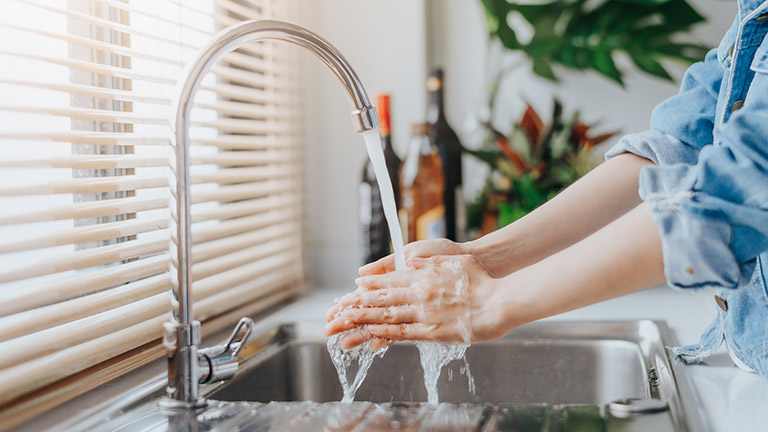
If your ‘do isn’t doing what you want it to do despite using good hair care products, hard water might be to blame. Since hard water can’t rinse soap off as well as soft water can, your hair might grow limp because of the shampoo and conditioner residue that’s left behind. If you color your hair, you might see it fade more quickly or even turn a different shade as the dye reacts with the minerals in the water. You might also experience an itchy scalp, thanks to the dryness that comes from bathing in the hard water.
The Unalaska, AK homeowners’ guide to water softener services
From average costs to expert advice, get all the answers you need to get your job done.
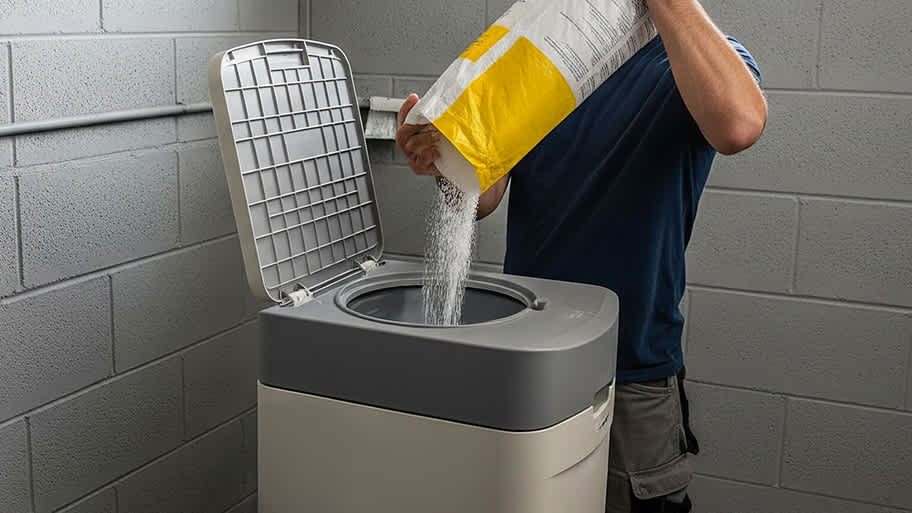
Water softeners work to remove unwanted minerals from hard water through a filtration and recharge cycle. Keep reading to learn how a water softener works.
There are four common softener alternatives available on the market today. We compare and contrast each one to help you find your best-fit solution in this blog.
Water softeners rid your home of hard minerals and, well, soften your water. Even better, the regeneration process is an automatic cycle that works when you’re least likely to use it.