With several years experience, we work hard to bring each customer the best possible service and quality available. We look forward to working with you on your next project. We welcome your questions and thank you for your interest.\n\n
If the temperature outside is around 90 or 100 degrees with the sun beating on your home’s roof, it’s common for the attic temperature to reach 150 degrees or more. This excessive heat shows the importance of having a radiant barrier in place along with insulation. The radiant barrier reflects the heat entering the attic back upward, keeping your home’s temperature more consistent.
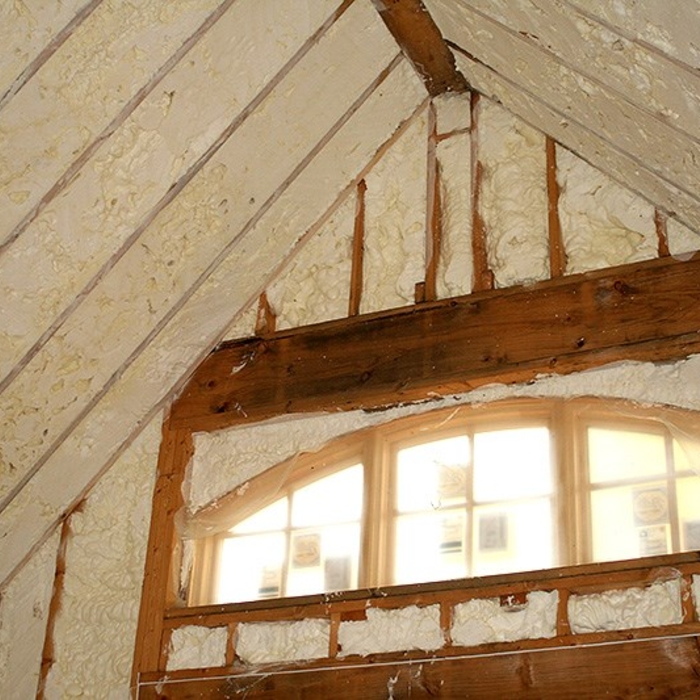
Open-cell foam insulation has a life span ranging between 15 to 25 years when well cared for. However, the material may degrade sooner in areas with high humidity or after prolonged water exposure. Proper installation and maintenance can maximize its longevity but requires close monitoring. Closed-cell foam insulation has a longer life span of 30 to 50 years.
It’s best not to install a radiant barrier directly under insulation because it requires an air gap on at least one side to work properly. Instead, you should install the radiant barrier over your existing insulation to create an air space to reflect the radiant heat.
Periodic checks for moisture or pest issues ensure consistent performance.
Insulating windows without plastic is usually the better method. Outside of simply replacing your windows, you could buy cellular shades, which trap air between the window and the home, add a window film that blocks UV rays and traps heat, or cover your windows with a low-emissivity coating called “low-E.”
The Unalaska, AK homeowners’ guide to insulation services
From average costs to expert advice, get all the answers you need to get your job done.
New insulation can make your home more comfortable and boost energy efficiency. Use this insulation cost guide to get an accurate estimate for the installation.
Insulating your attic can massively improve your home’s efficiency and reduce electric bills. Use this guide to find out what attic insulation will cost you.
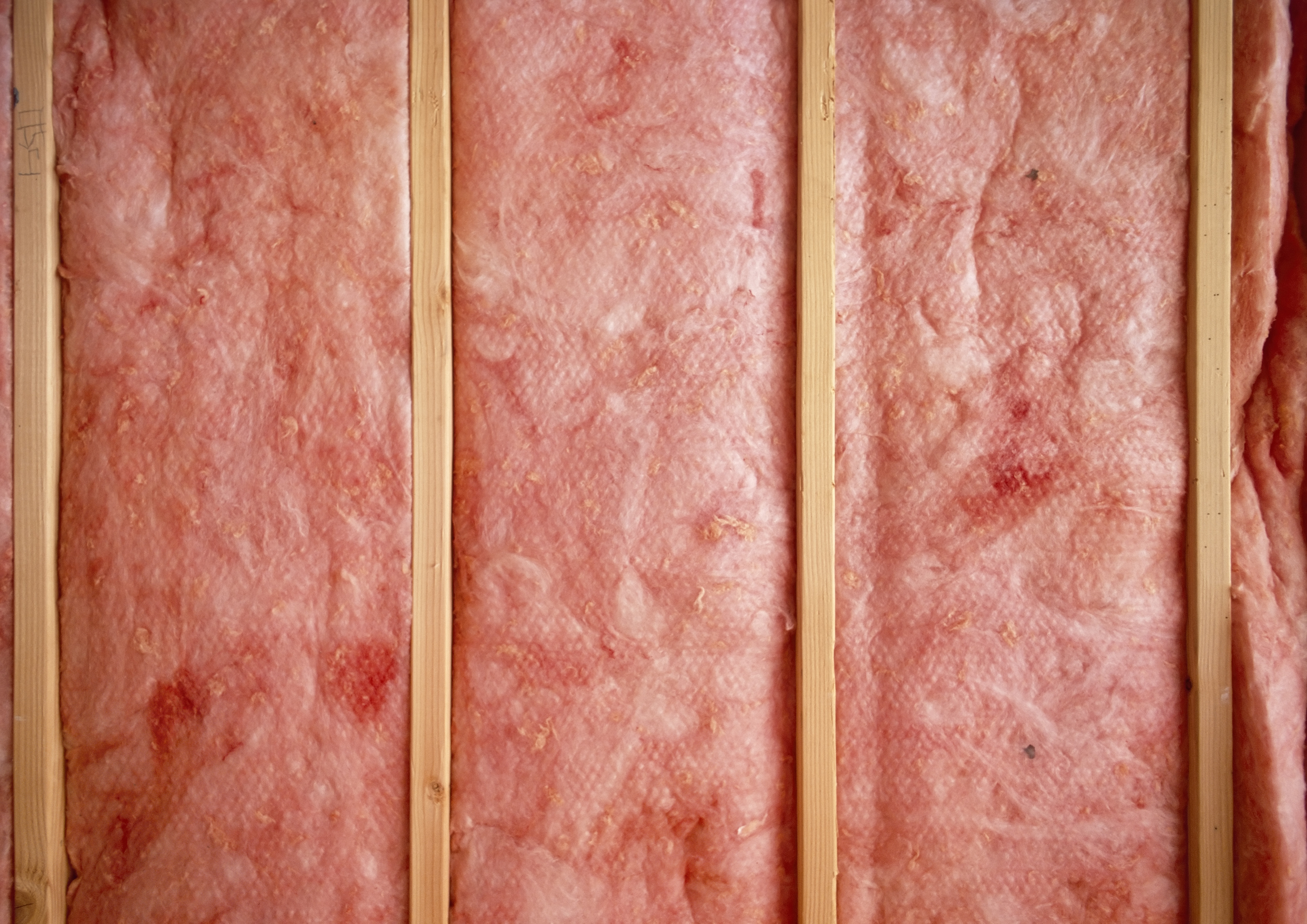
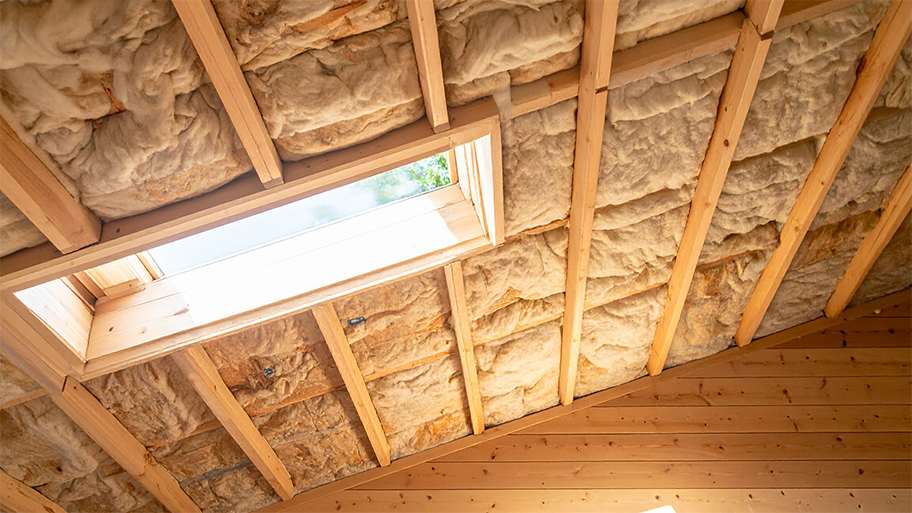
What is insulation? This behind-the-scenes home fixture will maintain comfortable temperatures in your home no matter the season. It’ll lower energy bills, to boot.