"Kent has done everything he has said he would do along with give us some improvement suggestions that would either make the project better or save us some money."
Basement Waterproofing questions, answered by experts
Yes, professional installers use weather-resistant materials to protect the dish and cabling from environmental damage.
The best way to ensure the ground next to your home’s foundation drains properly is to divert water away from it as much as possible. While a flood wall can stop water from entering the house, gutters and spouts can help direct rainwater and melting snow away from the foundation. Keep your gutters as clear as possible from dead leaves and other yard debris so they can effectively divert water from your house. Add extenders to the spouts so the water runs out and away from your home, not into the surrounding soil.
A sewage smell in your crawl space is usually from a damaged or clogged pipe leaking sewer gasses or actual sewage underneath your home, but there are some other common causes. Moisture, from poor or damaged encapsulation or a malfunctioning sump pump, can harbor mold and bacteria, causing a musty smell. Pests can also get stuck in your crawl space and die, which causes a sewage-like odor.
Crawl spaces are prone to issues caused by excess humidity and improper ventilation, but that doesn’t mean you should avoid buying a house with a crawl space. A home that is encapsulated and well-maintained shouldn’t have any more issues than a slab or basement home.
Yes, you can finish a basement that leaks, as long as you address the leak first. Before finishing a basement, you’ll need to repair any cracks in the walls and waterproof the basement to prevent future leaks. It’s much harder to clean up a water leak from a finished basement than an unfinished one, so preemptively addressing any leaking areas prevents expensive repairs in the future.
The Unalaska, AK homeowners’ guide to basement waterproofing services
From average costs to expert advice, get all the answers you need to get your job done.
Need to fix basement water problems or safeguard your home from damage in the future? Use this basement waterproofing cost guide to budget appropriately.
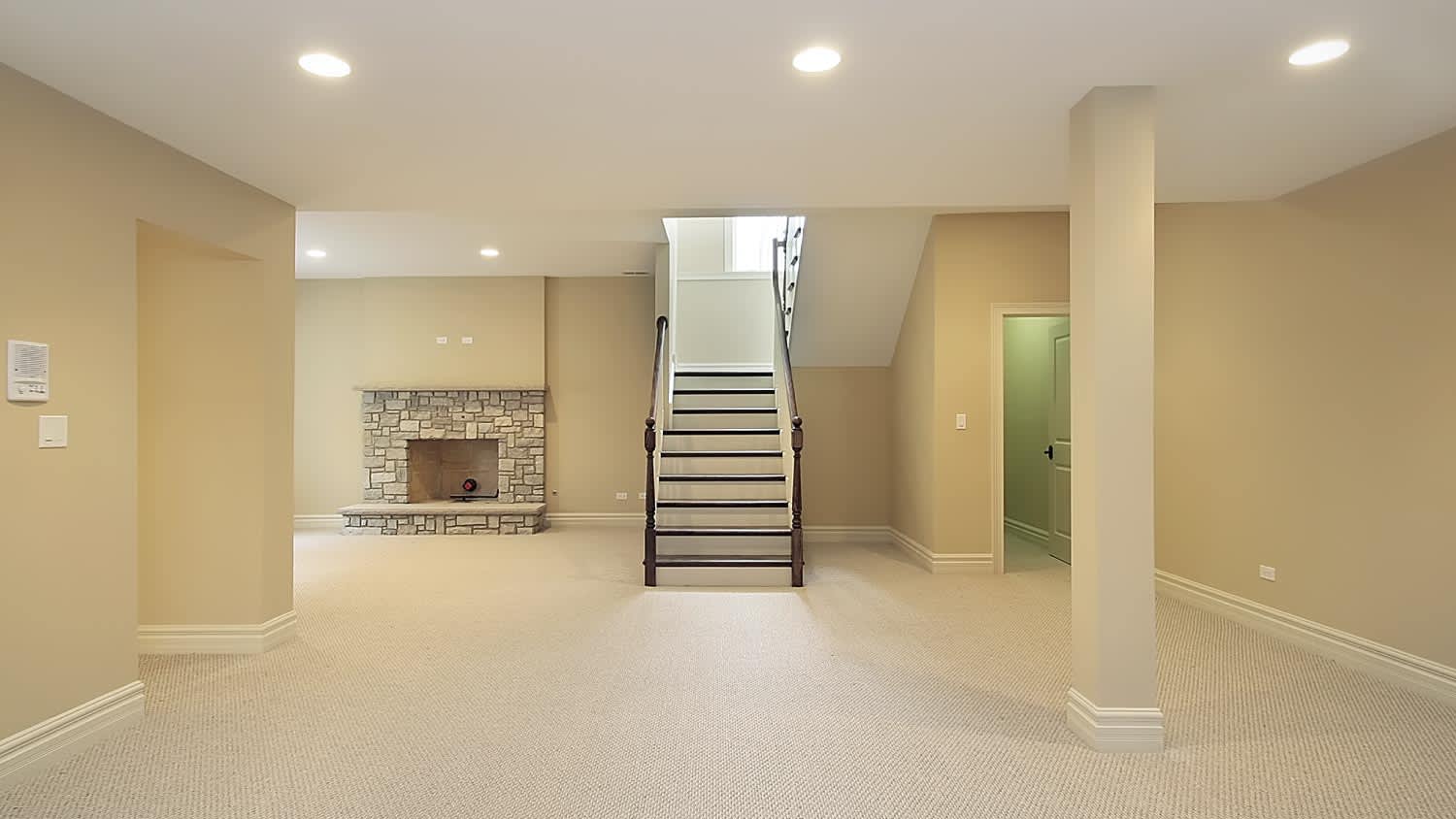
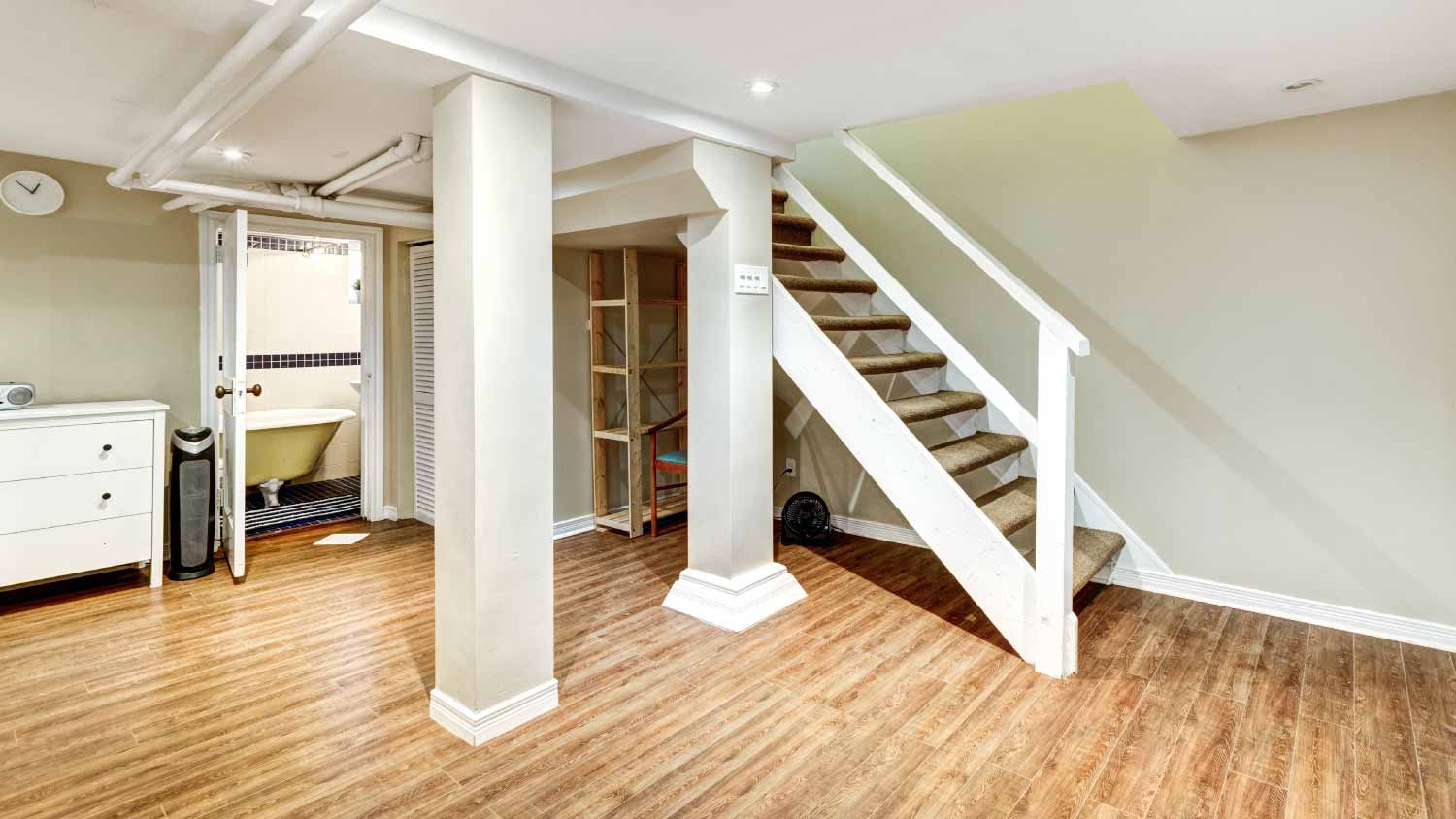
An unfinished basement has a lot of potential for a family room or guest suite. So how much does it cost to finish a basement? Read on for all cost factors.
Dealing with a damp basement? Follow these steps for DIY basement waterproofing to keep water and moisture out and boost your home’s energy efficiency.
Can’t seem to get rid of the moisture and mold in your basement? Learn why basements tend to hold moisture and how to get rid of moisture in the basement.