"David is wonderful. He did a terrific job on a house with many windows on various levels. I have recommended him to my neighbors and will use him again this coming summer."
We specialize in tree services, tree trimming, tree removal, stump grinding, stump removal, and more! We guarantee your satisfaction, and we won’t leave until the job is done right. We pride ourselves on the quality work we provide, while delivering great customer service! Check out all the services we offer below and call -- or-- click to schedule a free estimate today!
Yes, it is generally safe to have a fire pit on a deck, but you must adhere to building codes and take several safety precautions. For both built-in and freestanding models, you must use a heat-resistant barrier, such as a fire pit pad or heat shield, between the pit and the deck. Additionally, consider the weight of the fire pit and ensure your deck can structurally support it, reinforcing it if necessary. The fire pit must also be positioned a safe distance from your house, particularly from materials like vinyl siding, to prevent heat damage.
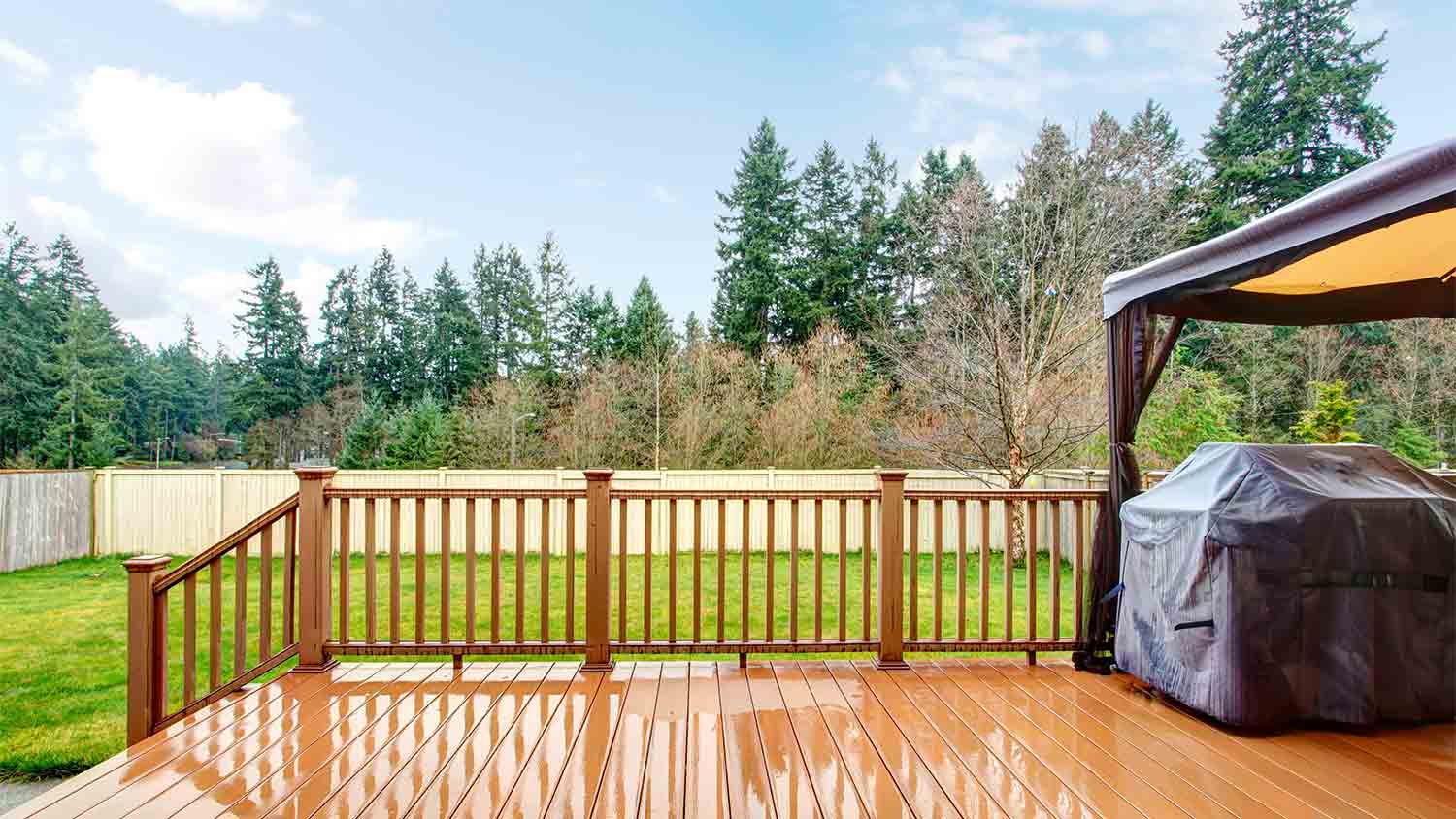
Materials for a second-story deck must be weather- and rot-resistant, though the specific choices will largely be determined by your budget and style preference. Pressure-treated wood is on the lower end of the price scale, but it can be customized and stained the way you like it. Composite, on the other hand, is pricier for installation and has fewer options for customization, but you’ll save money and time in the long run because it requires little maintenance.
In most cases, there should be a small gap between the house and the deck, usually no more than ½ to ¾ of an inch. This space allows water and moisture to flow through instead of pooling against the side of your house. It also lets flashing protect your siding from runoff, which is one of the most common issues with decks.
There are a variety of second-story deck privacy ideas depending on your budget and aesthetic. For starters, you might consider fencing or tall privacy railing that masks a good portion of the open deck. A pergola or an awning can provide additional cover and shade. Outdoor curtains are an easy way to add or remove privacy at your convenience, plus they’re a wallet-friendly way to decorate your deck.
It is possible to pressure wash your deck, but it’s usually best to leave the work to a professional for two main reasons. First, power washers are expensive, and you can avoid high upfront costs by hiring a deck washing pro instead. Second, you must be careful to use the correct setting to avoid damaging your deck material. You can only clean soft woods like pine with a wide spray and a low pressure; otherwise, the water will leave unpleasant marks on your deck. Hard woods, composite material, and metal can stand up to increasingly higher water pressures.
The Sand Point, AK homeowners’ guide to deck maintenance services
From average costs to expert advice, get all the answers you need to get your job done.
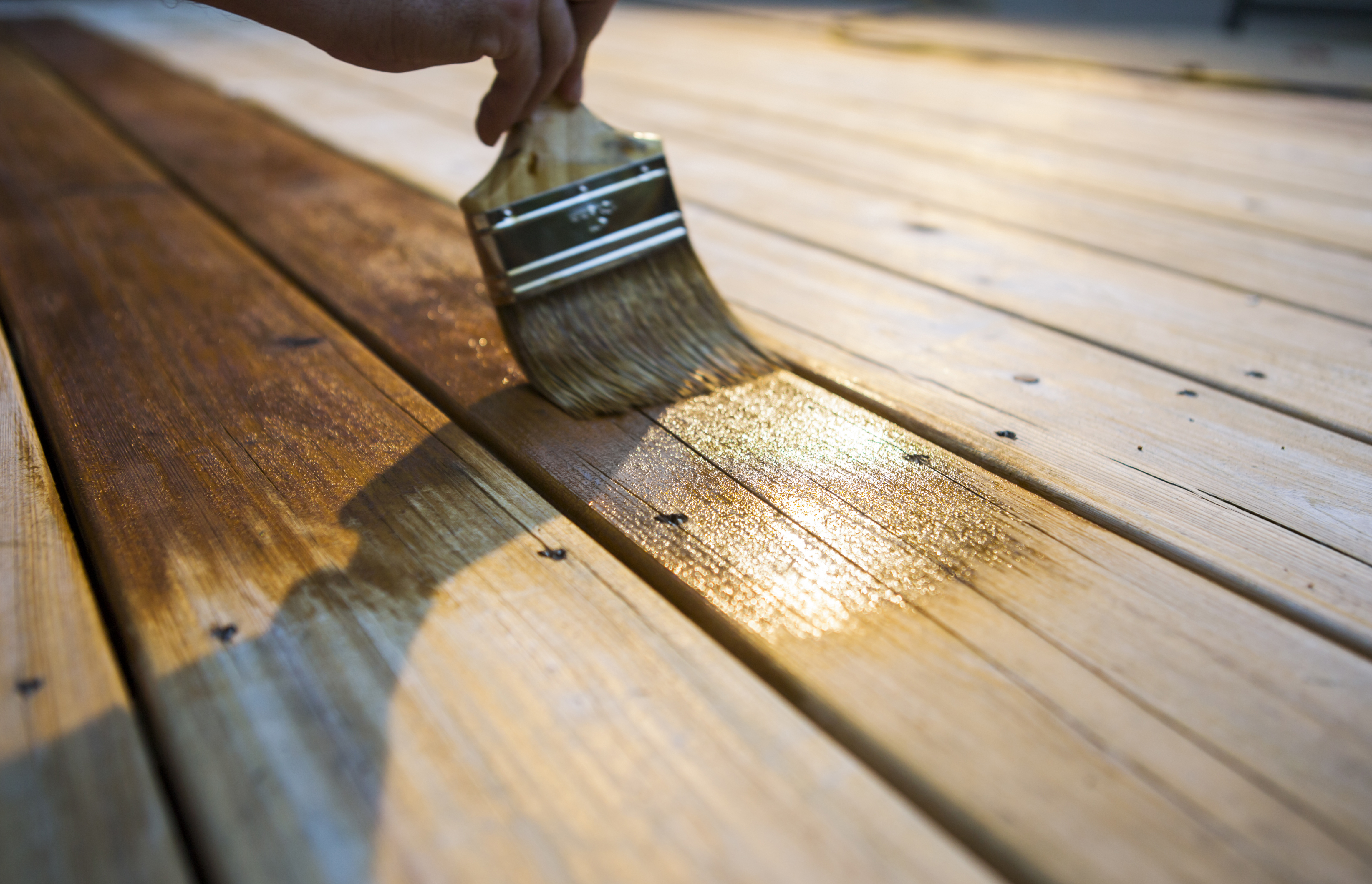
Deck maintenance is vital to protecting a wooden deck. Cleaning, staining and sealing a deck after pressure washing will add years to its lifespan. Protect a deck by following these deck maintenance tips for cedar and other types of wood materials.
Finding maintenance-free decking that works for your home, budget, and lifestyle can be challenging. This guide lists the 7 best low-maintenance deck materials.