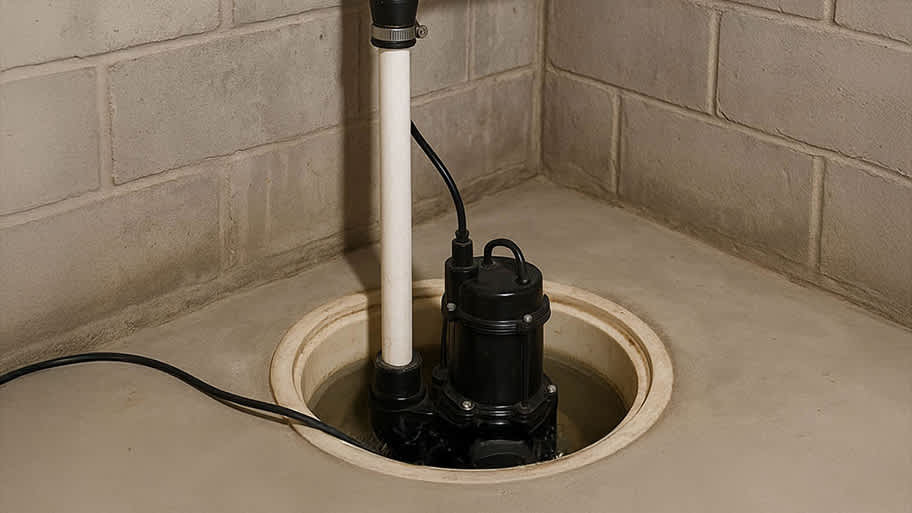
Sump pump replacement costs depend on the type of unit you have and the cost of labor, which varies by region. Read on to find out more about what to expect.
Basement waterproofing costs depend on your project and location. Check with a local pro for your specific job.


Professional sump pump installation ranges from $800 to $1,500 depending on your pump type and the complexity of your project.
The horsepower of your pump and the depth of excavation required for your pit will determine your final installation total.
You should also account for the cost of permits, battery backup systems, and electrical upgrades when you create your project budget.
Hiring a local sump pump installation professional ensures the basement stays dry and helps the home retain market value.
This article was created using automation technology and thoroughly fact-checked and edited by an Angi Editor in accordance with our AI policy.
In 2026, the national average cost of sump pump installation is $1,100. Most homeowners pay between $800 and $1,500, with costs driven by pump type, labor, and project complexity. A reliable sump pump keeps your basement dry and protects your home's foundation—this guide breaks down what shapes your total.
Pump size—measured in horsepower (HP) and gallons per hour (GPH)—is one of the most direct drivers of your total sump pump installation cost. Most residential pumps fall between 1/3 and 1/2 HP ($800 to $1,600), which handles standard basement conditions. Homes with high water tables or larger footprints may need more powerful pumps, and in some cases, multiple pumps or pits, which raises costs further.
Here is how sump pump installation costs break down by pump size:
| Pump Size | Average Installation Cost in 2026 |
|---|---|
| 1/3 HP, up to 2,000 GPH | $800–$1,200 |
| 1/2 HP, up to 3,000 GPH | $1,000–$1,600 |
| 3/4 HP or higher, 3,000+ GPH | $1,600–$2,500 |
| Dual pumps or multiple pits | $2,000–$4,000+ |
The type of sump pump you choose is one of the biggest factors in your installation cost, with options ranging from budget-friendly pedestal models ($800 to $1,500) to higher-end submersible and specialty systems ($1,200 to $3,000). The main types available are submersible, pedestal, water-powered, and battery backup systems. Here’s how they compare:
Here is how installation costs differ across pump types:
| Pump Type | Average Installation Cost in 2026 |
|---|---|
| Submersible | $1,200–$3,000 |
| Pedestal | $800–$1,500 |
| Water-powered | $1,200–$2,500 |
| Battery backup | $1,000–$2,000 (add-on) |
| Crawl space/exterior | $1,500–$4,000 |
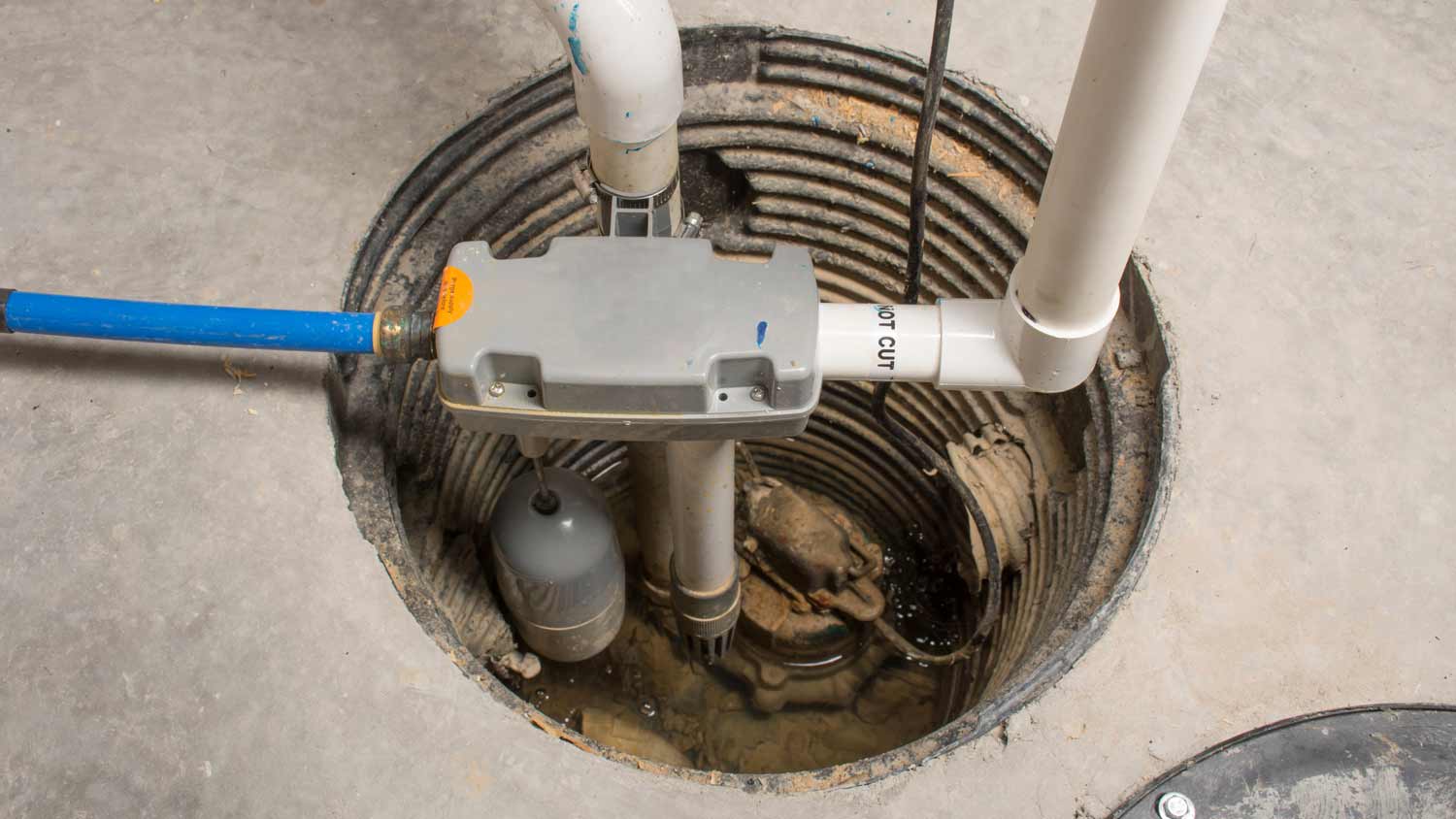
Submersible pumps are installed inside the sump pit and are quieter but more expensive.
Pedestal pumps sit above the pit, are easier to service, and cost less.
Water-powered and battery backup pumps offer extra protection during power outages. These systems increase your total cost but can be invaluable in flood-prone areas.
Specialized pumps for crawl spaces or exterior installations may also require additional work and cost.
Both your geographic region and the specific location within your home affect your total sump pump installation cost. Labor rates and permit fees run higher in urban and coastal areas, while rural regions cost less.
A basement installation is more straightforward than a crawl space or exterior job, which can require additional labor and materials. Local code requirements may also mandate upgrades or inspections that add to your final price.
Several key factors shape your overall sump pump installation cost, from labor and permits to special features and site conditions. Understanding each one helps you anticipate where your budget may shift and plan accordingly.
Sump pump installations are handled by licensed plumbers or waterproofing contractors, with minimum service fees starting at $100 and hourly rates ranging from $50 to $150 depending on your region and project complexity. Standard labor covers removing the old pump, digging or enlarging the pit, and debris disposal.
Electrical upgrades or new drainage lines will add to your labor charges, and rates tend to be higher in areas with a high cost of living or strict building codes.
Permits for sump pump installation are required by many municipalities, particularly when new electrical or drainage work is involved, with fees ranging from $50 to $250, depending on local rules. Some areas also require inspections before and after installation, which can extend your project timeline. Confirm with your contractor who is responsible for pulling permits before work begins.
Adding advanced features to your sump pump system increases your total cost:
A battery backup system costs $1,000 to $2,000 extra.
A water-powered backup ranges from $1,200 to $2,500.
Smart monitoring alarms and Wi-Fi controls can add $100 to $500.
Accessories like check valves, pit covers, and upgraded discharge lines each add $50 to $300.
Freeze protection for discharge lines is another common upgrade, especially in cold climates.
Project complexity can drive up costs. These sump pump installation add-ons will increase your project total:
New installations, deep pit excavations, or challenging drainage issues require more labor and materials.
Tight or finished spaces, such as a finished basement or crawl space, increase accessibility challenges and costs.
Site preparation, including debris hauling and old pump removal, is usually included but may be billed separately for large projects.
Delivering heavy materials or equipment and post-installation cleanup (like concrete patching or landscaping) can also add to your final bill.
For complicated systems, design or engineering fees might apply, and extra inspections beyond the standard permit process could increase your expenses.
Owning a sump pump comes with ongoing and sometimes overlooked costs beyond the initial installation. Budgeting for warranties, operating expenses, and maintenance helps you avoid surprises over the life of your system.
Extended warranties are available for $50 to $200 and provide longer coverage beyond the standard term. Most sump pumps include a manufacturer’s warranty covering one to five years of parts and sometimes labor. Professional installation is a requirement to keep the warranty valid.
Running a sump pump costs $30 to $50 in electricity each year, depending on usage and local utility rates. If you install a battery backup, plan to spend $50 to $150 every few years on battery replacement. Water-powered systems add to your water bill, particularly during heavy storms when the pump runs most frequently.
Homeowners can handle basic sump pump maintenance like cleaning themselves, but professional service runs $100 to $300 per visit. Strange noises or water that isn't draining properly are warning signs that service is overdue.
You'll pay sales tax on your sump pump and materials, ranging from 2% to 10% depending on your state. Some areas also charge local fees on home improvement projects.
Installing a sump pump can lower your homeowners insurance premiums by reducing flood risk, and many insurers offer discounts specifically for professionally installed systems. Not all policies cover sump pump failure or resulting water damage, so review your current coverage carefully. If your policy has gaps, consider adding a rider to protect against those scenarios.
DIY sump pump installation can save on labor costs, but it comes with real trade-offs worth weighing carefully. Materials—including the pump, pit liner, PVC piping, check valve, and accessories—run $300 to $800. Tool rentals for a drill, saw, and concrete breaker add another $50 to $150 if you don't already own them. Here is how DIY and professional installation costs compare:
Expect to spend eight to 16 hours on a DIY sump pump install, especially if you're learning as you go. You'll save on labor but face risks like improper waterproofing, electrical issues, or code violations. For complex installations, warranty concerns, or if you're unsure about local codes, hire a local sump pump installer.
| Installation Method | Average Cost in 2026 |
|---|---|
| DIY | $300–$800 |
| Professional | $800–$3,000 |
Most pumps last seven to 10 years, and frequent repairs, odd noises, or failure to remove water are clear signs that replacement is worth considering. Minor repairs like switch or float replacement cost $100 to $300, but more extensive work—such as motor replacement—can approach 50% of the cost of a new pump, making sump pump replacement the smarter investment.
Always weigh repair costs against the pump's age and warranty status. New pumps offer better reliability and long-term protection against flooding.
Installing a sump pump offers a solid return on investment, especially in flood-prone areas. ROI ranges from 30% to 50%, as a dry basement increases your home's value and appeal. Compared to other flood prevention upgrades, sump pumps are often the most cost-effective option and can be installed discreetly in finished spaces.
A reliable sump pump improves safety and efficiency, supporting universal design and accessibility goals. Many homeowners also benefit from lower insurance premiums after installation, providing both immediate and long-term value.
Consider the following tips to keep your sump pump installation within budget:
Get multiple quotes from licensed professionals for the best price.
Choose the right pump size and type for your needs—avoid overbuying.
Schedule installation during off-peak seasons for potential discounts.
Handle site preparation or debris removal yourself, if possible.
Maintain your sump pump regularly to avoid costly repairs or replacements.
Consider basic models if advanced features aren’t necessary.
Bundle sump pump installation with other waterproofing projects for savings.
Home is the most important place on earth, which is why Angi has helped more than 150 million homeowners transform their houses into homes they adore. To help homeowners with their next project, Angi provides readers with the most accurate cost data and upholds strict editorial standards. We extensively research project costs to develop the pricing data you see, so you can make the best decisions for you and your home. We rely on reputable sources, including the U.S. Bureau of Labor Statistics, academic journals, market studies, and interviews with industry experts—all to ensure our prices reflect real-world projects.
Want to help us improve our cost data? Send us a recent project quote to [email protected]. Quotes and personal information will not be shared publicly.
Finished Basements Plus was wonderful from beginning to end! First, they came out quickly for an estimate. I had 4 estimates and theirs was by far the best. (2 of the estimates were more than $20K higher than for the exact same work). Beyond their fair pricing, the work was excellent. They...
 Finished Basements Plus Inc.
Amazing job. Efficient and quick without compromising quality. Basement feels brand new. Would use them again in a heartbeat.
 AffordaPro Restoration
Window Depot did an amazing job installing the windows in my basement! The process from start to finish was by far more than what I expected. I would highly recommend Window Depot if you want professionalism from the the consultation to the installation. Dont settle for mediocre when you can...
 Window Depot USA of Central Ohio
They cleaned my very dirty basement. They were prompts, quick, thorough and their price was fair.
 JDE House Cleaning LLC
I am very pleased with the services performed by OTS. Bless my late Mother, but she was a bit of a pack-rat. The basement of her home was crammed with 40+ years of "stuff," and the other companies I contacted were concerned with possible mold contamination of the items due to the musty smell...
The company was very easy to work with. My family is now able to enjoy a space that at one point, only collected junk!!!! I feel like i have a whole new addition to the house!!! Wonderful work Blurock on our basement, will recommend!
 BluRock Services, Inc.
Excellent work. Opted for the service contract which provides spring and fall checkups and deduction on maintenance charges which seems to be a good value. Initial dehumidifier for our large basement was undersized. They replaced unit after it failed with a larger unit and charged only for...
 Total Comfort Heating & Cooling Inc
We had water in our basement and Roto Rooter was original contact to evaluate the situation. We were informed that our sewer main was fractured and needed repair. We received their estimate and then looked for counter offers. Ohio Basement Authority came with the best quote for the work. Once...
 Ohio Basement Authority
Called Mark on a Thursday morning. Not really knowing if he could help me or not. I was having driveway, flooding issues due to a clogged channel drain and I was trying to figure out what direction to take. Heavy rains had come on Monday and again on Thursday leading to flooding in my garage...
 Mark Rodgers Construction
The crumbling basement wall needing repair is beneath a large 2 story porch. What i thought would be a complicated project was made very easy by this crew. I was very impressed with the speed and quality of the work performed. The job was finished in just a week as estimated. There were...
 Groundworks
From average costs to expert advice, get all the answers you need to get your job done.
Sump pump replacement costs depend on the type of unit you have and the cost of labor, which varies by region. Read on to find out more about what to expect.
Sump pump battery backup costs depend on the type and the design of the system purchased. Follow this guide to learn how to budget for your backup battery.
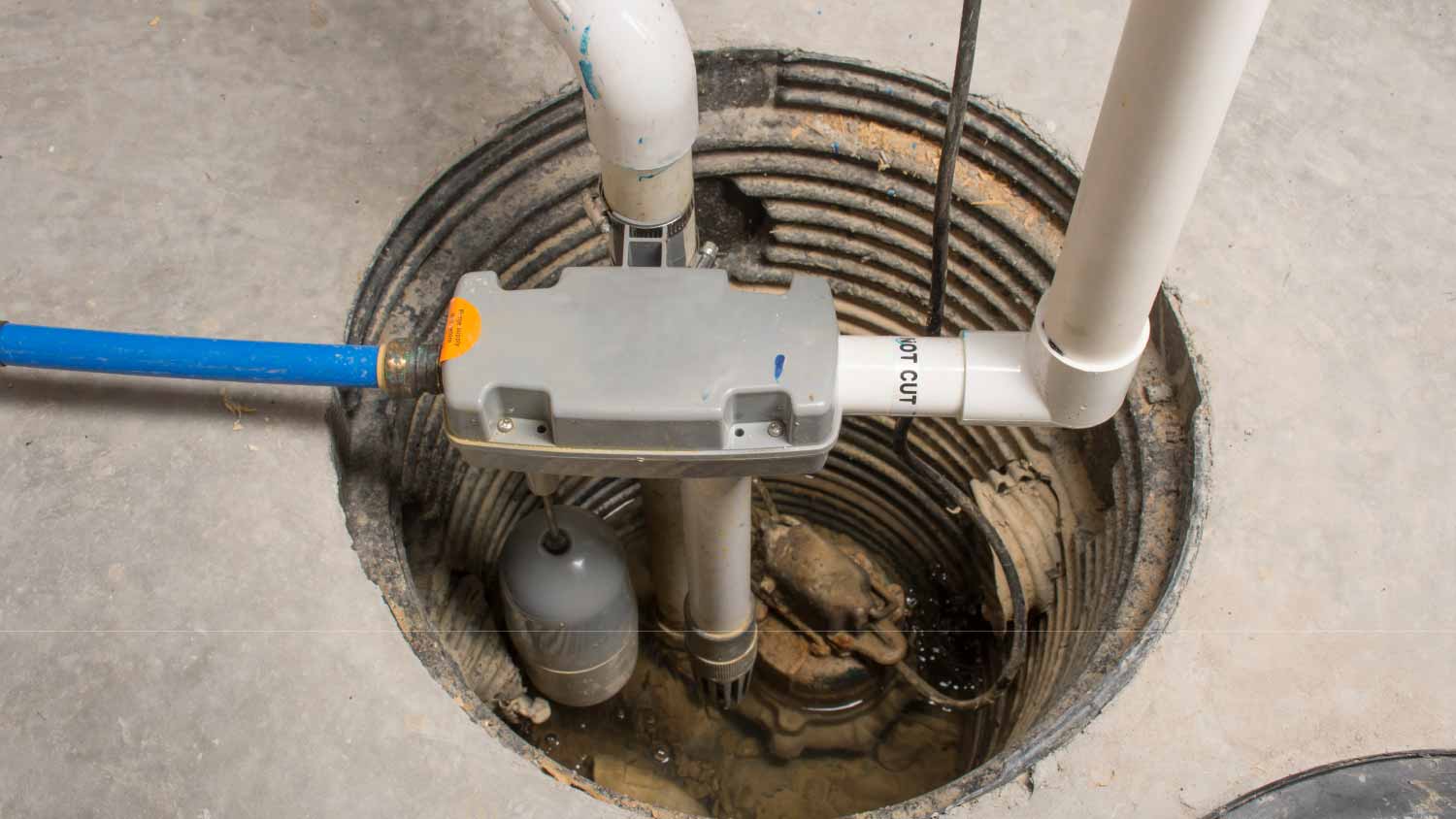
Learn how to hire a qualified sump pump installer with tips on finding pros, questions to ask, and what to expect during the installation process.
Licensed plumbers and basement waterproofers specialize in sump pump installations. Keep reading to learn more about who installs sump pumps near you.
Sump pumps can protect your home from flooding and water damage. This guide covers everything you need to know about sump pumps, including different types and how they work.
If something seems off with your sump pump, follow this guide to learn how to check if your sump pump is working (and what to do if it’s not).