
•
Discover how much sump pump installation costs, including average prices, key cost factors, and tips to save on your basement waterproofing project.
Whether you use your basement for storage or as a household entertainment hub, a water-powered sump pump can help keep that vital area dry

Water-powered backup sump pumps rely on your home's municipal water pressure to remove water, so they need consistent pressure between 40 and 60 psi to work.
Expect to pay $120 to $390 for the unit and $45 to $200 per hour for installation labor, which takes two to four hours depending on your setup.
These pumps use about two gallons of your municipal water supply to pump out one gallon of sump water, which can raise your water bill during extended use.
Hiring a local sump pump installation professional keeps your home's water supply safe by handling proper connections and ensuring your backup system works when your primary pump fails.
Sump pumps are great, right? Until they fail to work, causing water damage in your basement that you didn't anticipate. So, when you're considering different backup sump pump options, seeing one that runs on water to remove water sounds pretty reliable. In this guide, we’ll cover some of the pros and cons of installing a water-powered sump pump, so you can decide if it’s perfect for your needs.
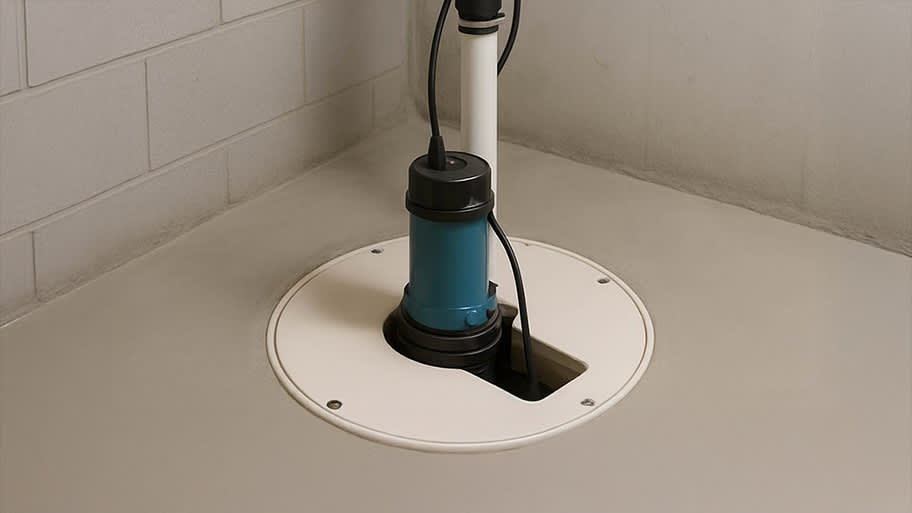
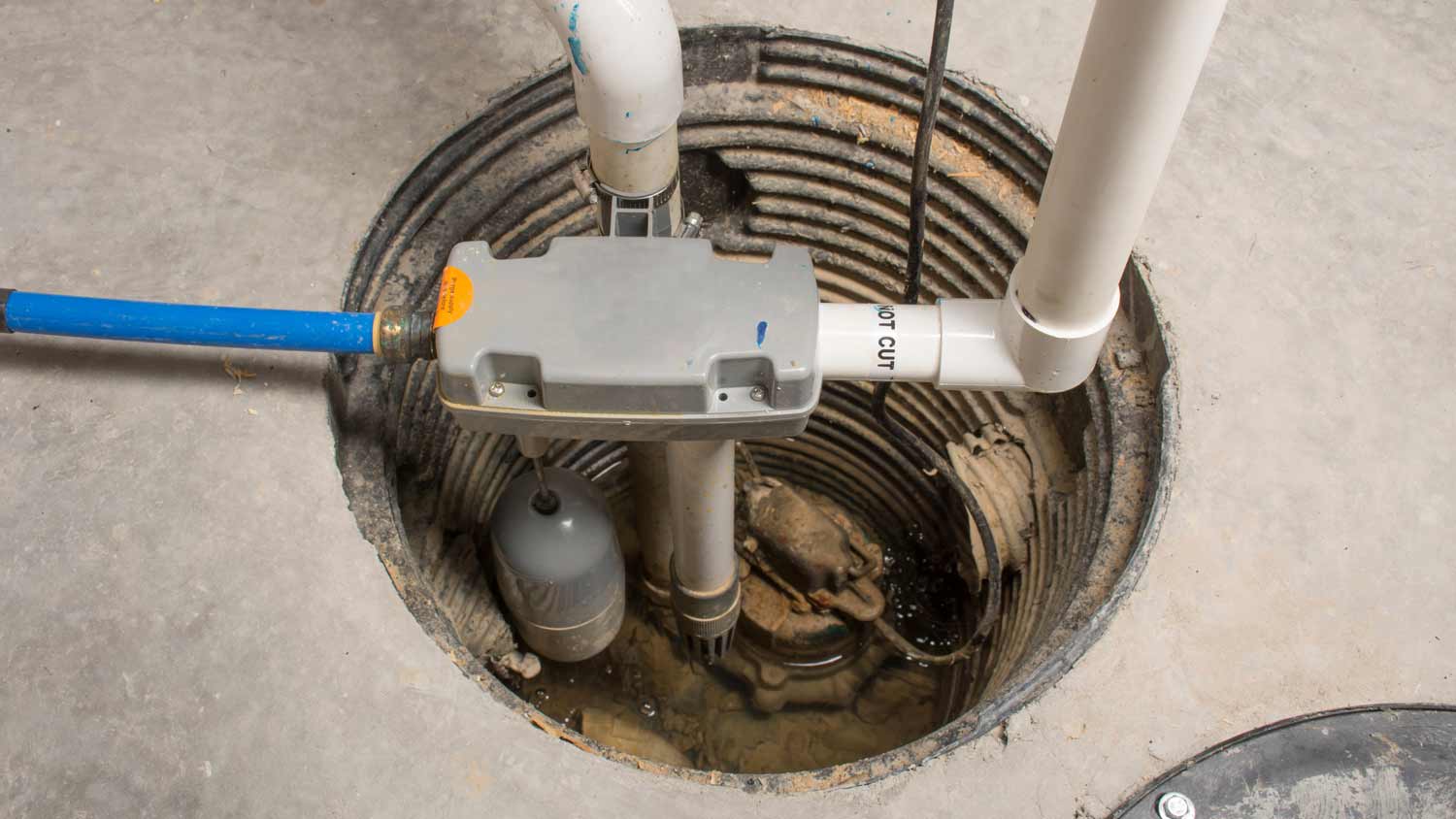
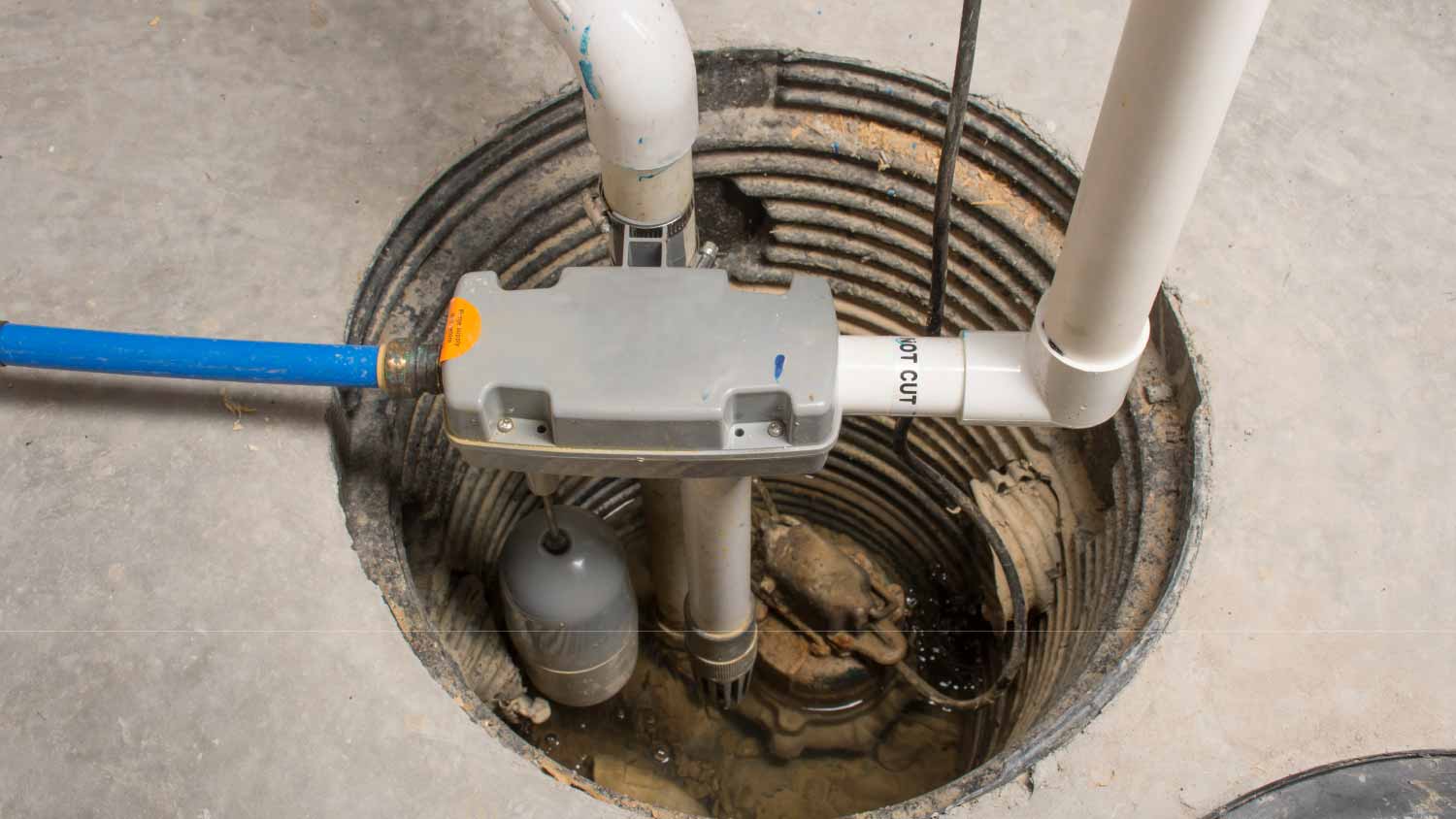
A water-powered sump pump is an emergency backup pump that helps keep your home dry if your primary sump pump fails to operate or there’s a power outage during heavy rainfall. When this happens, and water starts rising above the primary pump’s float, it automatically starts working.
After that, your home’s water supply will start going into the sump pump through the pump ejector, creating a strong suction that’ll remove and safely dispose of the water.
The biggest reason homeowners hire pros for sump pump installation is basement flooding. Additionally, homeowners install sump pumps as a form of preventative maintenance, or do so due to water leaking through walls.
Both water-powered and battery-powered sump pumps help to reduce water damage and keep your basement dry, but how they do it is what sets them apart.
Water-powered pumps use—you guessed it—water pressure to power the pump that keeps water out of your home. As their name implies, battery-powered backups rely on batteries to remove water from your sump pump into a discharge pipe that flows outdoors.
Many homeowners like water-powered sump pumps for a few reasons.
Water-powered sump pumps have a pretty simple design, which means there aren’t many moving parts to take care of and replace. But, you should test it every few months and perform annual sump pump maintenance so when you need it, you’ll know it’s working.
One of the bonuses of having a water-powered pump is that it doesn’t require any batteries, so you never have to worry about replacing or purchasing new ones—or worse yet, wonder if the ones installed still work. With a battery-powered pump, you’ll need to replace the battery every few years if you didn’t use it, and even more frequently if you did or during lengthy power outages.
The average lifespan of a water-powered pump is 10 years. But here’s how you can prolong its lifespan for up to 20 years:
Testing it for an entire cycle by filling your sump pump with water until your float turns on and waiting until it’s successfully removed all the water from it
Checking for leaks, and strange sump pump noises
Testing the sump pump’s hardware for malfunctions
As a note, you’ll want to perform this maintenance routine at least twice a year for best results.
If your primary pump stops working, these sump pumps use your home’s municipal water pressure to remove water from your basement. So, as long as you have water, they’ll continue pumping water out of your house.
Battery-powered pumps can only operate for a few hours before the battery needs to be changed. And some of them don’t run at the same frequency the entire time, which means they might pump out less water over time until you need to change them.
Water-powered sump pumps also have downsides that you should consider before installing one.

Water-powered sump pumps have a lower pumping rate compared to their alternatives. They can remove, on average, 1,324 gallons of water per hour, while battery-powered backups remove up to 2,400 gallons of water per hour.
These sump pumps need consistent high water pressure to function correctly, which is 40 to 60 psi for most homes. So, if you have low water pressure, it might not remove all the water in your basement. Also, water-powered sump pumps can't operate if the homeowner has a well—it only runs on municipal water.
Water-powered sump pumps can result in more expensive water bills. They use about two gallons of your home’s water supply to pump out one gallon of sump water. This can get pretty pricey if it needs to run for an extended period. Also, it can cost you more money if your water-powered pump runs continuously without you noticing.
They must connect to your water supply. And while it’s possible to DIY, there’s little room for error, and it can affect your home’s entire water supply if installed incorrectly. Water-powered sump pumps cost $120 to $390 per unit. And the installation fee will cost $45 to $200 per hour. Installation can take two to four hours but can vary depending on the project complexity.
With our environment constantly changing—and not in a good way—many homeowners are more conscious of their environmental impact. Many people opt for the battery-powered option because water-powered pumps rely on fresh, drinkable water to pump out unclean water.
Finished Basements Plus was wonderful from beginning to end! First, they came out quickly for an estimate. I had 4 estimates and theirs was by far the best. (2 of the estimates were more than $20K higher than for the exact same work). Beyond their fair pricing, the work was excellent. They...
 Finished Basements Plus Inc.
Amazing job. Efficient and quick without compromising quality. Basement feels brand new. Would use them again in a heartbeat.
 AffordaPro Restoration
Window Depot did an amazing job installing the windows in my basement! The process from start to finish was by far more than what I expected. I would highly recommend Window Depot if you want professionalism from the the consultation to the installation. Dont settle for mediocre when you can...
 Window Depot USA of Central Ohio
They cleaned my very dirty basement. They were prompts, quick, thorough and their price was fair.
 JDE House Cleaning LLC
I am very pleased with the services performed by OTS. Bless my late Mother, but she was a bit of a pack-rat. The basement of her home was crammed with 40+ years of "stuff," and the other companies I contacted were concerned with possible mold contamination of the items due to the musty smell...
The company was very easy to work with. My family is now able to enjoy a space that at one point, only collected junk!!!! I feel like i have a whole new addition to the house!!! Wonderful work Blurock on our basement, will recommend!
 BluRock Services, Inc.
Excellent work. Opted for the service contract which provides spring and fall checkups and deduction on maintenance charges which seems to be a good value. Initial dehumidifier for our large basement was undersized. They replaced unit after it failed with a larger unit and charged only for...
 Total Comfort Heating & Cooling Inc
We had water in our basement and Roto Rooter was original contact to evaluate the situation. We were informed that our sewer main was fractured and needed repair. We received their estimate and then looked for counter offers. Ohio Basement Authority came with the best quote for the work. Once...
 Ohio Basement Authority
Called Mark on a Thursday morning. Not really knowing if he could help me or not. I was having driveway, flooding issues due to a clogged channel drain and I was trying to figure out what direction to take. Heavy rains had come on Monday and again on Thursday leading to flooding in my garage...
 Mark Rodgers Construction
Due to major obstruction they could not unclog thd drain without tearing up the basement floor. <br /> <br />
 #1 Plumbing Repair LLC
From average costs to expert advice, get all the answers you need to get your job done.
Discover how much sump pump installation costs, including average prices, key cost factors, and tips to save on your basement waterproofing project.
Sump pump battery backup costs depend on the type and the design of the system purchased. Follow this guide to learn how to budget for your backup battery.
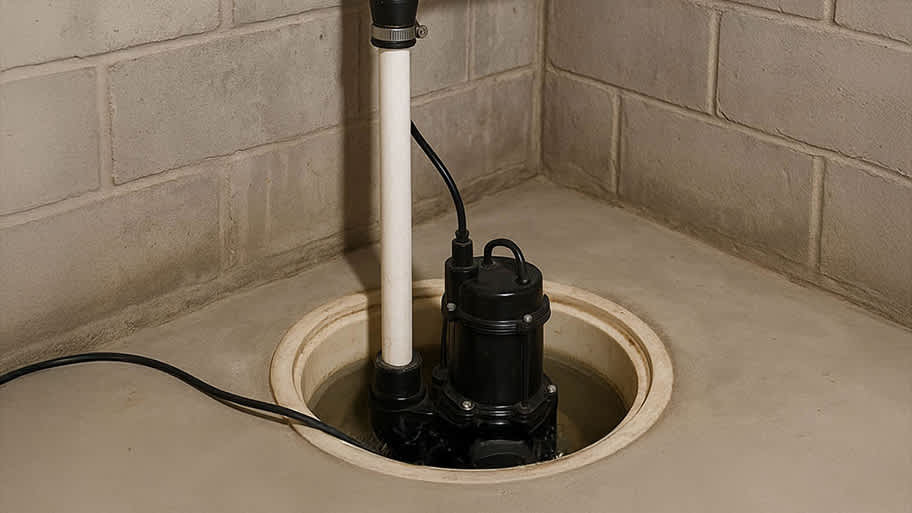
Sump pump replacement costs depend on the type of unit you have and the cost of labor, which varies by region. Read on to find out more about what to expect.
Licensed plumbers and basement waterproofers specialize in sump pump installations. Keep reading to learn more about who installs sump pumps near you.
Learn how to hire a qualified sump pump installer with tips on finding pros, questions to ask, and what to expect during the installation process.
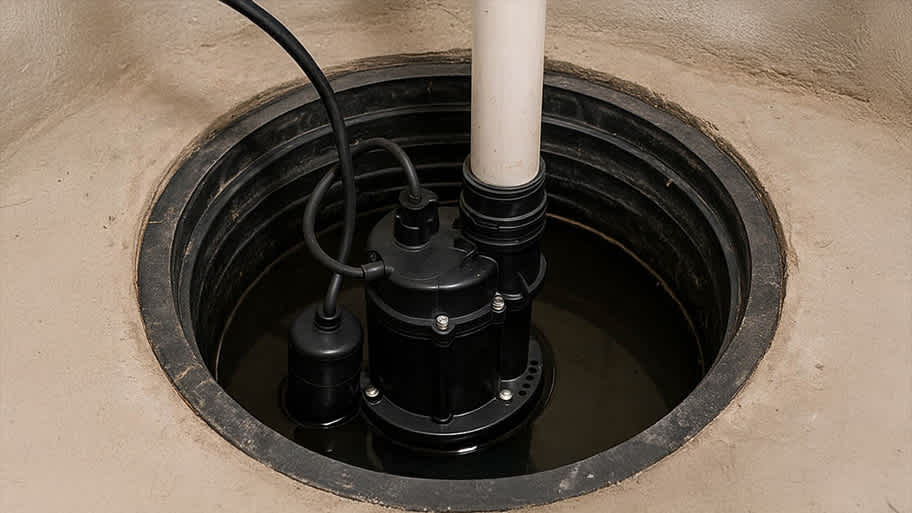
Is water constantly running into your sump pit? We’ll break down 5 possible problems with your sump pump—and how to fix them.