
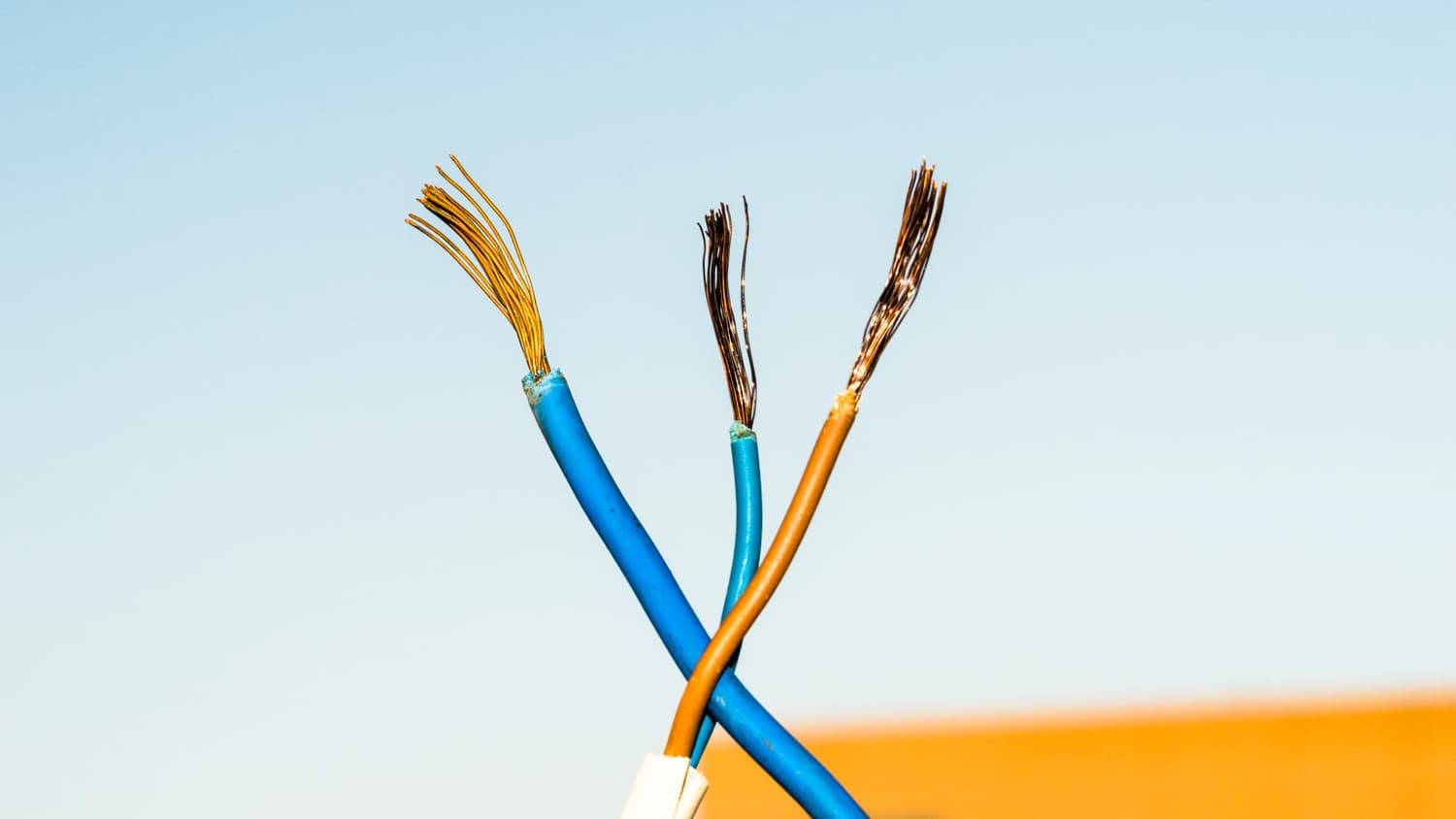
Understanding what wire colors mean will help you complete electrical projects safely. Follow this guide to distinguishing blue and brown wires.
Traveler wires put in hard work to shed some light on your life

Traveler wires carry electrical current between switches in your three-way switch circuit, letting you control one light from multiple locations throughout your home.
Since no cost information is in the article, check your traveler wire connections by testing for continuity with a multimeter set to resistance mode.
You can identify traveler wires by their black or red color and their connection to the lighter brass screws on your three-way switch.
Hiring a local electrical professional provides reliable help with wiring traveler connections correctly, keeping your multi-way switch setup safe and ensuring every switch works as intended.
A traveler wire, also known simply as a traveler, is one of two or four electrical wires used to power a multi-way lighting circuit (depending on if you have a three-way or four-way switch). They’re essential components of a convenient, modern household. So, what is a traveler wire, exactly, and how does it work? Here’s a breakdown of the role of traveler wires and how to identify them in multi-way switches.
The purpose of traveler wires in a three-way switch or multi-way circuit configuration is to allow a fixture to be controlled from multiple switches. When you flip one of the switches, it sends power through one of the traveler wires to the light fixture, turning it on. When you flip the other switch, it sends electricity through the other traveler wire to the light fixture. When you flip the opposite switch again, it breaks the circuit, shutting the fixture off.
For example, you may have separate switches on the top and bottom of your stairs to avoid having to tread cautiously in the dark. In this case, traveler wires are responsible for carrying the power to each switch so that every step you take is safe from the dark.

Since traveler wires are hot wires, meaning they carry electrical current, they are typically black or red per electrical wire color codes. Although it’s not common, they can also be covered in sheaths more closely resembling pink or violet colors. Double-checking the wire color is the easiest way to identify travelers.
In a three-way configuration, two traveler wires connect to the two lighter-colored brass screws on the switch (known as the traveler screws). These screws offer two different paths for power to move from one switch to the other. Similarly, in a four-way switch configuration, there will be two sets of two traveler wires connected to four brass screws. Two of these wires are for incoming power, and two of them are for outgoing power.
Another way to identify traveler wires is by using a multimeter to test for resistance. First, set your device to resistance, which is often shown as the letter omega (ꭥ). When you measure the wires, the ones that read 0.00 (or any number less than one) are the traveler wires, as there’s no resistance (aka good continuity).

Aside from the traveler wires, you’ll also find a ground wire, common terminal, and neutral wires in a multi-way switch. Here’s how to differentiate these.
Along with the traveler screws, there’s a green screw attached to the switch that’s always reserved for the ground wire. This safety feature protects against electrical surges in the switch and prevents you from getting shocked and your appliances from getting damaged in the event of a power surge. Typically, this is a bare copper or green insulated wire.
In older models of multi-way switches, grounding screws were not mandatory, so if you’re replacing an older switch, you may not find a grounding screw. That said, if your switch doesn’t have it, experts strongly recommend that you invest in the cost of replacing a light switch with a model that’s up to date.
The last screw on the switch is the common terminal. It usually appears darker than the traveler screws in shades of dark brass, copper, or black. The function of this screw depends on its position in the circuit; it will either accept the incoming hot wire from the power source or connect to the hot wire that leads to the light fixture.
Behind the light switch, you’ll also find a bundle of white neutral wires. The purpose of these is to complete the circuit, allowing power to return to the energy source.
When wiring a three-way switch, there are a few different ways to do it, depending on where the switches are and the layout of the cables. For example, you could set it up so that the cable from the power source goes to the first switch, then to the light, and finally to the second switch. Or, you could wire it so that the cables go through both switches before reaching the light.
If you’re troubleshooting a multi-way wall switch that only works when one switch is on, ensuring that your traveler wires are firmly connected to the screws is the first step to take. If you can’t figure out the issue or are hesitant for any reason, reach for your phone and call a pro.
In the same vein, keep in mind that any electrical work is complicated and dangerous, and it should only be attempted if you have prior experience and an in-depth understanding of electrical safety. Always shut the power off at the breaker before performing any work, and again, contact a local electrician if you’re at all uncertain.
According to data from Angi customers, 57.8% of electrical projects are repairs-based, while 42.2% are for initial installations or relocations. Call a professional electrician for any electrical problems you have or projects you’re thinking about.
I recently had Mosby Electric perform an electrical installation on 8-14-2026, and I couldn’t be more satisfied with the service. From the moment I called, their team demonstrated fast arrival and professionalism. The electricians were highly knowledgeable, completing the installation...
 Mosby Electric
Great company! Price was competitive, technician showed up on time and completed the job (exterior electric Radon fan replacement) quickly. Would hire them again.
 MaGen Property Inspections and Radon Mitigation
I conferred with 2 other contractors before Armstrong Electric. Nick and his crew showed me that the project was not as convoluted as the other contractors made it appear to be. They completed the entire project on time. They were professional, friendly and cleaned up after at completion. I...
 ARMSTRONG ELECTRIC, LLC
The techs on my project, Shawn and Cliff, were great. They were prompt, courteous, and efficient. I am very happy with the results and would definitely contact Mr. Electric for any future electrical projects.
 Mr. Electric of Columbus
Victor was wonderful. He was on time, professional, and explained everything he was doing. He was thorough and figured out that the problem was electrical instead of with my HVAC system. Very knowledgeable. I will be using this company in the future for any HVAC needs. Thanks!
 Hubbs Heating & Air LLC
They were excellent. They did a great job. I was totally satisfied. They put tremendous effort in making sure the work was completed. They were great. They provided immediate response to any inquires I made. I would hire them again. I would recommend them to anyone who needs electrical work....
 JCB & Associates, LLC DBA Property-Tech Industries
Initially, the repairman could not find the problem. Apparently, there was some electrical shortage, but he could not find the definite problem. He left, but called back later to say he had a new idea. He returned and replaced the light switches on the doors. The refrigerator seemed to return...
 Appliance Pro LLC
The initial quoted price from a walk-through seemed high, but we discussed that the quote represented worst case scenario (re-wiring to two floors) and we were excited about the opportunity to have the work done in a timely manner with closing for fire safety reasons, etc. When the job was...
I have to tell you I am all about customer service - I will go out of my way and even pay more for it if you give me great customer service. <br> <br>In a world where this is hard to find, these guys were awesome! I can not sing their praises enough. They were prompt, personable, funny, got...
 Waibel Electric
When I challenged the markup on the generator, Bruder Electric withdrew its bid. They only want naïve customers.
From average costs to expert advice, get all the answers you need to get your job done.
Understanding what wire colors mean will help you complete electrical projects safely. Follow this guide to distinguishing blue and brown wires.
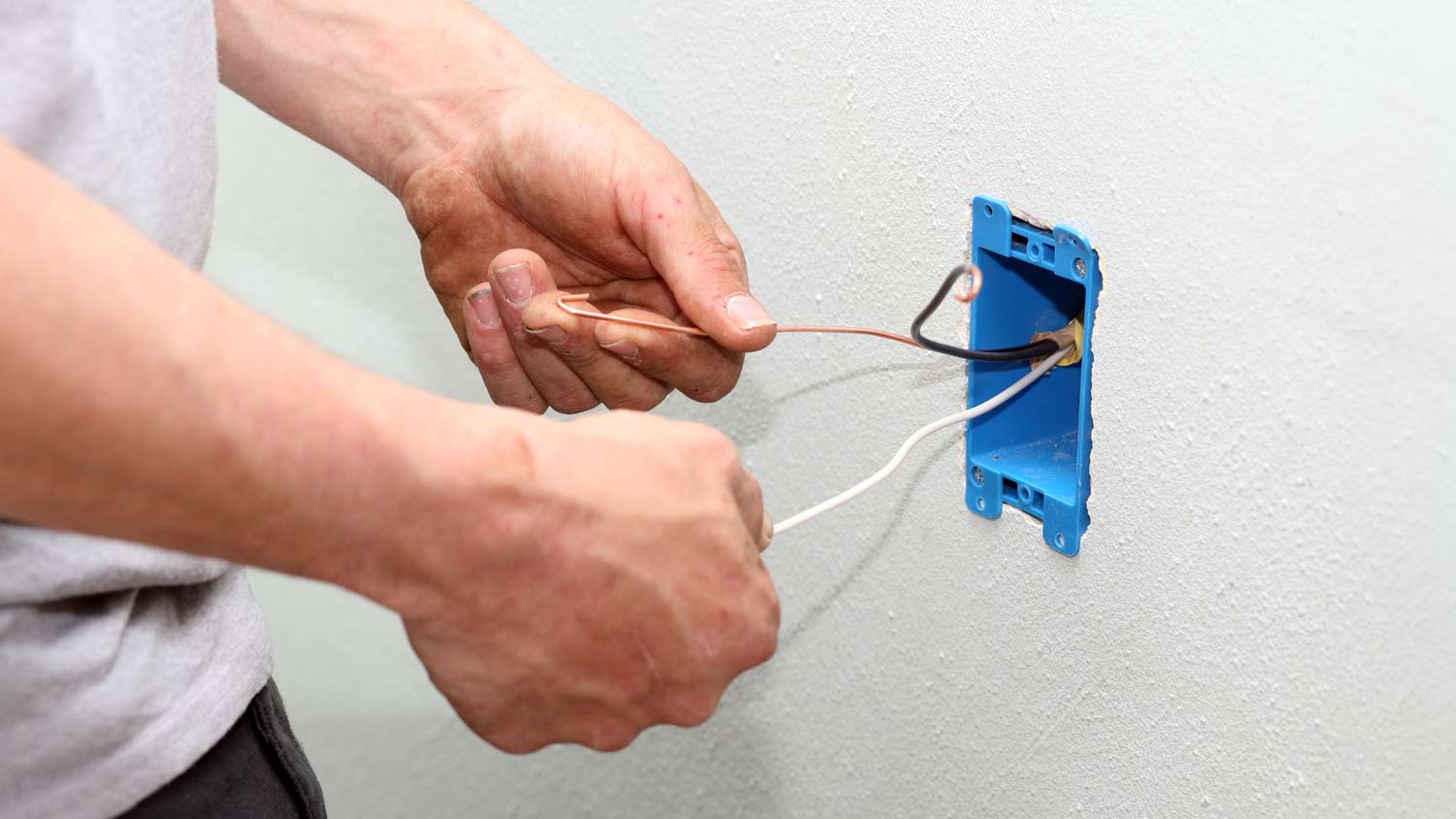
The white wire in an outlet is known as the neutral, but what does the neutral wire do? Here’s the important role it plays in your home’s electrical system.

Can’t tell the difference between line vs. load wire? The line wire receives the incoming electricity and the load wire shares it with other outlets.
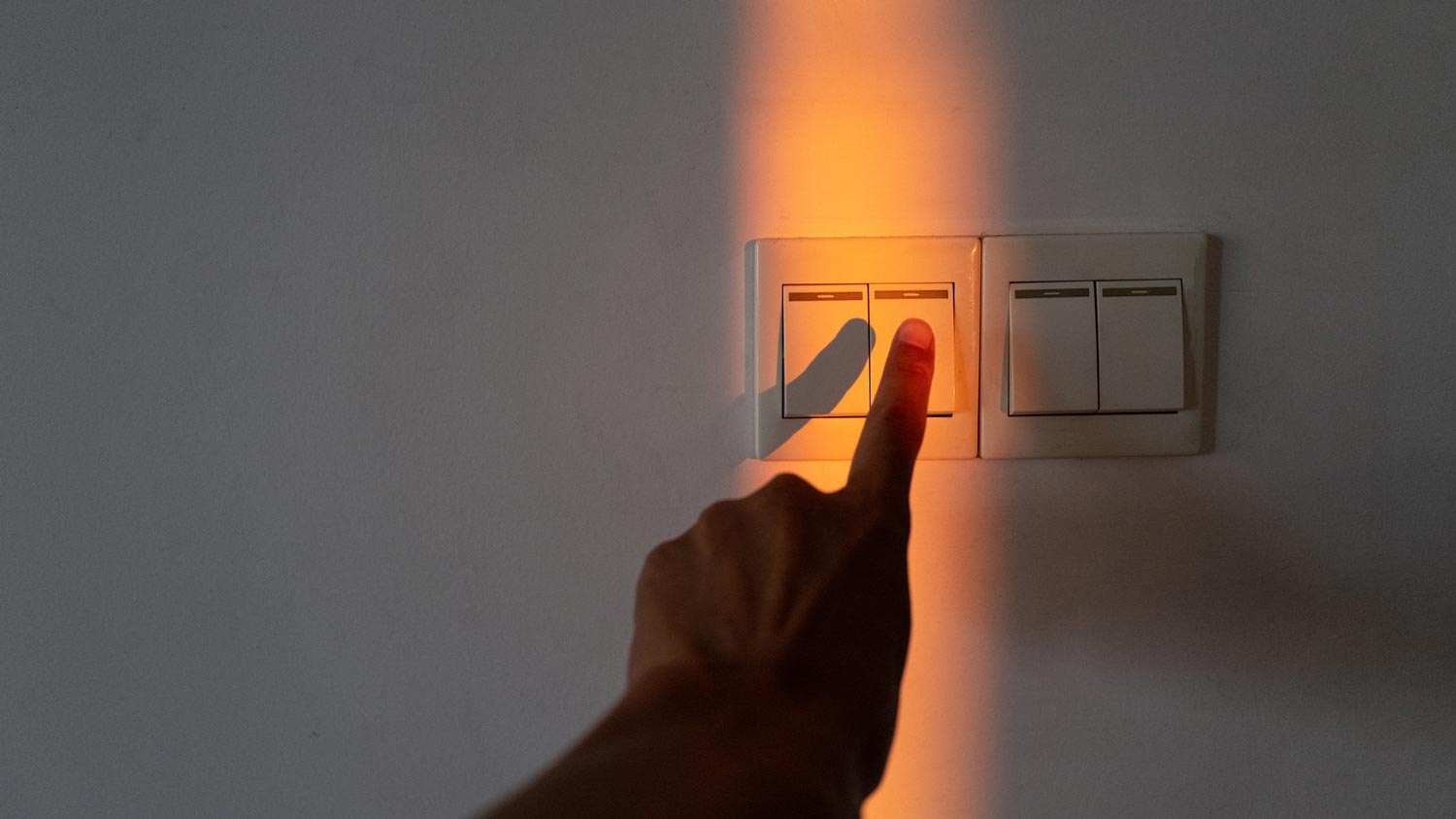
When you want to control one light fixture from two switches—usually at either entrance to a hallway—you’ll need a three-way switch. It’s more complicated than installing a single switch, but an electrician can stall one for you easily.

Nearly every electrical wire in your home has a different purpose. This article will cover the types of electrical wires, what they’re for, and how you can tell them apart.

You can find several types of electrical wires in your home, but do you know which one is which? This chart of electrical wire types will help you identify the wires you’re working with.