
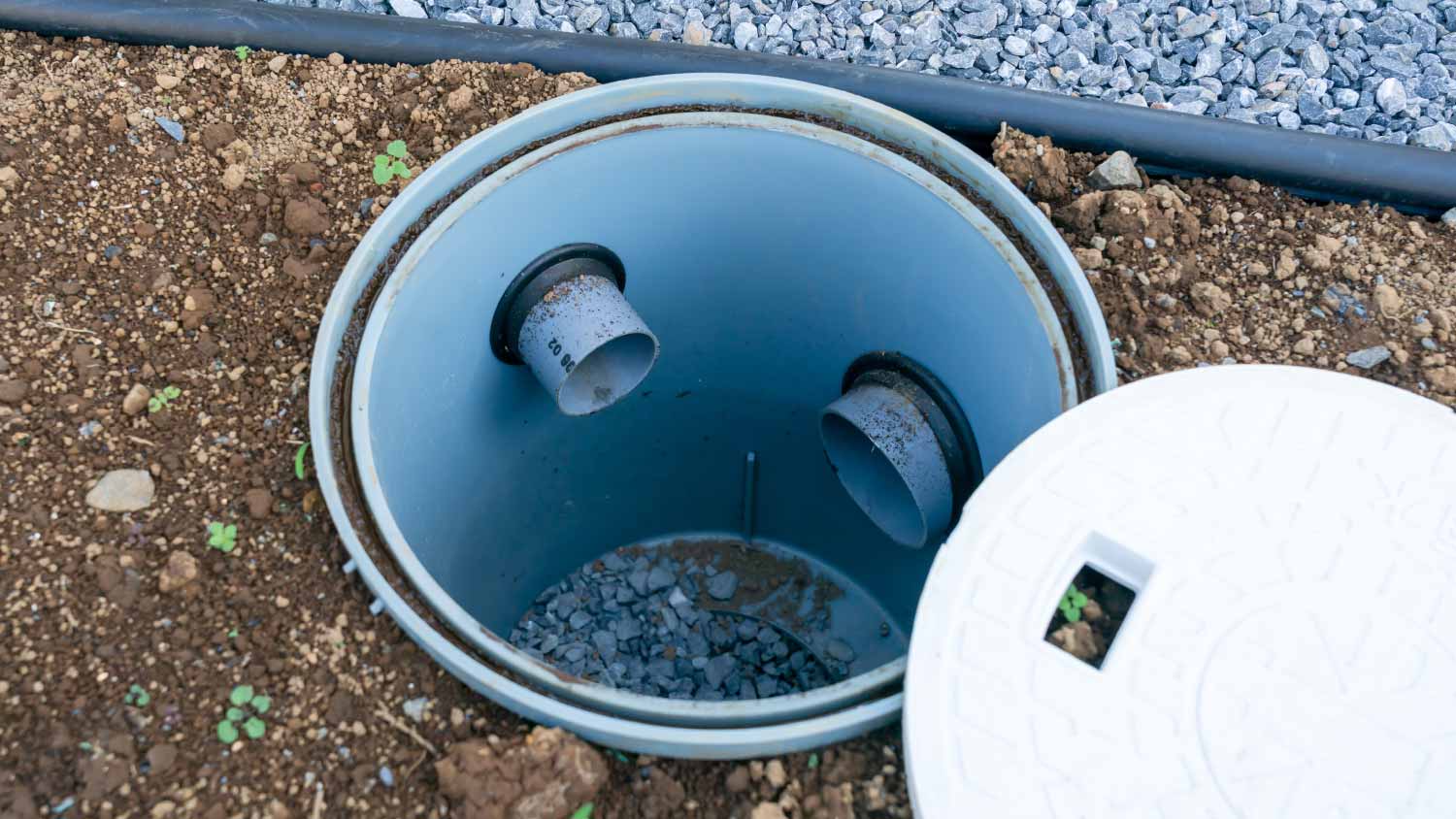
Dry wells are handy for anyone who’s experiencing drainage problems. But dry well installation costs can vary depending on its size, location, and volume.
This oxymoron comes to the rescue in areas with heavy rainfall

A dry well helps you manage stormwater runoff by collecting excess water and slowly dispersing it into the ground to prevent flooding.
Professional dry well installation costs $3,100 on average, and your local government may require a permit before you can dig.
Inspect your dry well after every storm to confirm proper drainage, and remove debris monthly to keep the system working efficiently.
Hiring a local well and pump professional provides peace of mind with proper installation and maintenance, keeping your yard protected from water damage.
Not all wells are made for providing water. On the contrary, dry wells help homeowners get rid of water they don’t want—namely stormwater runoff. Dry wells are also sometimes called seepage pits, and they can help you avoid flooding (and other landscaping fiascos) after heavy rain. Find all the details you need about dry wells, including how to maintain them and when it’s time to install one for yourself.
Dry wells are the opposite of traditional wells: Instead of providing water, they help drain it away. The water that goes into a dry well seeps into the ground and merges with the groundwater. This prevents oversaturation and flooding from stormwater drainage above ground.
Dry wells are drilled 30 to 70 feet deep and lined with gravel or fabric (or both). Some have additional storage capacity with pretreatment stages, which catch a large amount of water in a short time, treat it, and let it slowly seep into the groundwater over a longer period. These days, many dry wells also include pretreatment options to help remove oils, pollutants, and particles from the water, which might clog the well or contaminate the aquifer below.

Depending on whether you DIY, opt for professional installation, or install a dry well system with pretreatment stages, your system may have different parts. Here are some of the most common parts of a dry well to know about:
Barrel: DIY dry wells often include a plastic barrel filled with gravel. This is the primary part of a DIY dry well. It’s perforated to allow excess water to slowly escape.
Gravel: Gravel often fills the barrel (in a DIY dry well) or well hole (in a professional installation) and helps filter out solids and slow the water’s drainage into the soil.
Pipe: In DIY installations, you can connect a pipe between your dry well barrel and your gutter downspout to give the water an easy path to follow into the well.
Ditch: You need to have a ditch for your pipe to run through. The ditch is angled to allow water to freely flow down from the gutter to the dry well or barrel.
Landscape fabric: Landscape fabric often lines the ditch or well hole and stops dirt or debris from clogging up the hole or ditch.
Sedimentation well: A sedimentation well is a type of pretreatment area for a dry well. Water can sit here before moving into the dry well itself while excess sediment is filtered out.
Dry wells are a common choice for homeowners who live in areas that receive large amounts of rain. Dry wells can redirect that stormwater runoff away from delicate landscaping to reduce the amount of damage it might cause.
Depending on where you live, dry wells may already be installed in your neighborhood or subdivision. But if you’re still dealing with large amounts of stormwater runoff, you can install a dry well on your own property. Your local government may require you to get a permit to dig a dry well, so always look up the laws where you live and call a local well pro before moving forward with this type of project.
Dry well installation costs $3,100 on average when done by a pro, though specifics depend on well size and the cost of labor in your area.

One of the reasons dry wells are so appealing to homeowners in rainy areas is because, if they’re installed professionally, they require very little maintenance thereafter. Simply inspecting your dry well after a storm to ensure it’s draining properly is the most common maintenance step you’ll need to take.
You should remove any excess debris and check to ensure the well cap is fastened securely once per month. Components inside the well, like gravel or fabric, may need to be replaced every few years or whenever the well starts draining noticeably slowly. Your homeowners’ association dues, if you have any, may help you pay for required dry well maintenance.
I have used Columbus Worthington Air for years and recommend them whenever I have a chance. The staff is quick, courteous, and well-trained.
 ARS Columbus Worthington Air
This service was great. My air conditioner went out during the heat spell that we had. My husband has health issues and they came out that night and at 9:30pm the air conditioner was fixed and running. We are sooo very thankful, this is the company I will be using from now on and would...
 Mr. Mechanical Ohio
Joseph did a great job with the staircase and trim. Timely and efficient, clear communication about the work, very fair pricing. For the stairs in particular, done very skillfully in an old house (1893) in a tight spiral, and very creative with how to do the handrail. Did a nice job with...
 Vouis Trim Carpentry L.L.C.
Great experience!! Dion was prompt, professional and very polite. He is hands down the best plumber I have ever used.
 Mercenary Remodeling & Handyworks
Cole has been handling plumbing and general contracting for our four properties over the past three years, and he’s always done a great job. Most recently, he installed a sink and countertop in our retail store where none existed before, and it turned out exactly how we needed. He’s...
 ANB Renovations LLC
Matt is a consummate professional. The work turned out to be far more difficult than expected and rather than turn the job down, Matt rose to the occasion and completed a near impossible task. I can not recommend Greene's Plumbing Service more highly. On a scale of 1-5 I would give Matt a...
 Greene's Plumbing Service
The technician was very professional and friendly. He answered all my questions and was very thorough. He left the fireplace area very clean . He inspected from the roof and advised me as to other work that might need to be done. There was no pressure there. I was very satisfied with the...
 Supreme brick & chimney
Custom Paint Jobs LLC pays attention to every detail, ensuring a job well done every time.
 Custom Paint Jobs, LLC
When we had the winter freeze, I called Quantum Waterworks Waterline & Drain Cleaning Services and within 1 hour I received an e-mail and he sent someone out the next day and he was on time, he was nice and did the job quickly and cleaned up after himself. We had a leak in our kitchen from...
 Quantum Waterworks Waterline & Drain Cleaning Services, LLC
From the beginning , every appointment was met with punctuality! The day of installation, they arrived on time and worked tirelessly all day until the job was finished. ( Even through a very heavy down pour) Ilia, the owner is a professional, knowledgeable, and fair man. He is absolutely, and...
 Window Depot USA of Central Ohio
From average costs to expert advice, get all the answers you need to get your job done.
Dry wells are handy for anyone who’s experiencing drainage problems. But dry well installation costs can vary depending on its size, location, and volume.

In rural areas, the type of septic system you choose makes a difference. Learn more about a septic dry well versus a leach field to see which one is right for you.

You have two ways to deep clean your home’s carpet, but which is best? Use this guide to look at the pros and cons of dry carpet cleaning vs. steam cleaning.
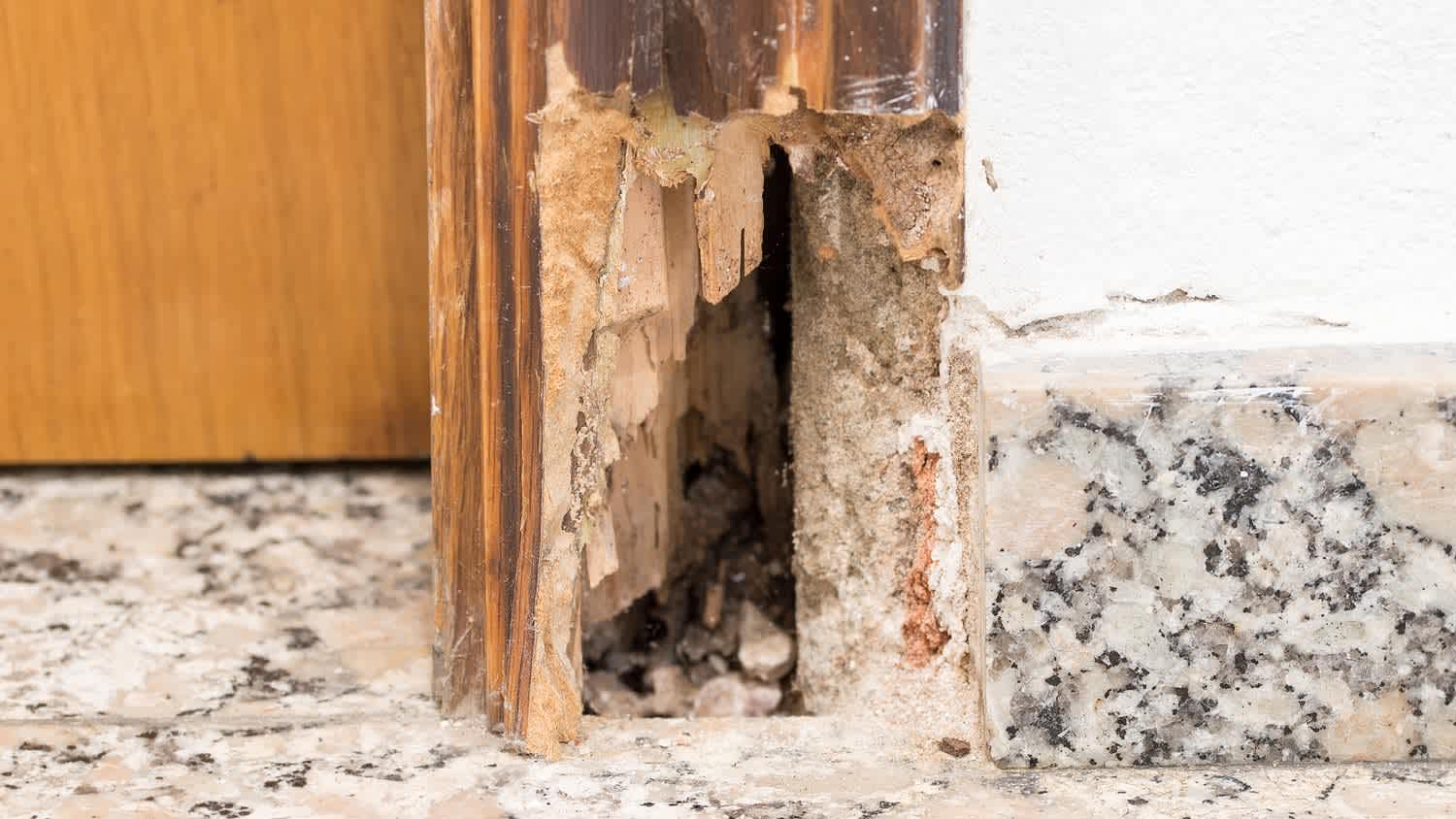
What does dry rot look like? Knowing what signs to watch for will help you identify and treat infections before they’re too big to fix.

Community wells are shared resources for neighbors in close proximity. Explore the community well pros and cons with our quick rundown.
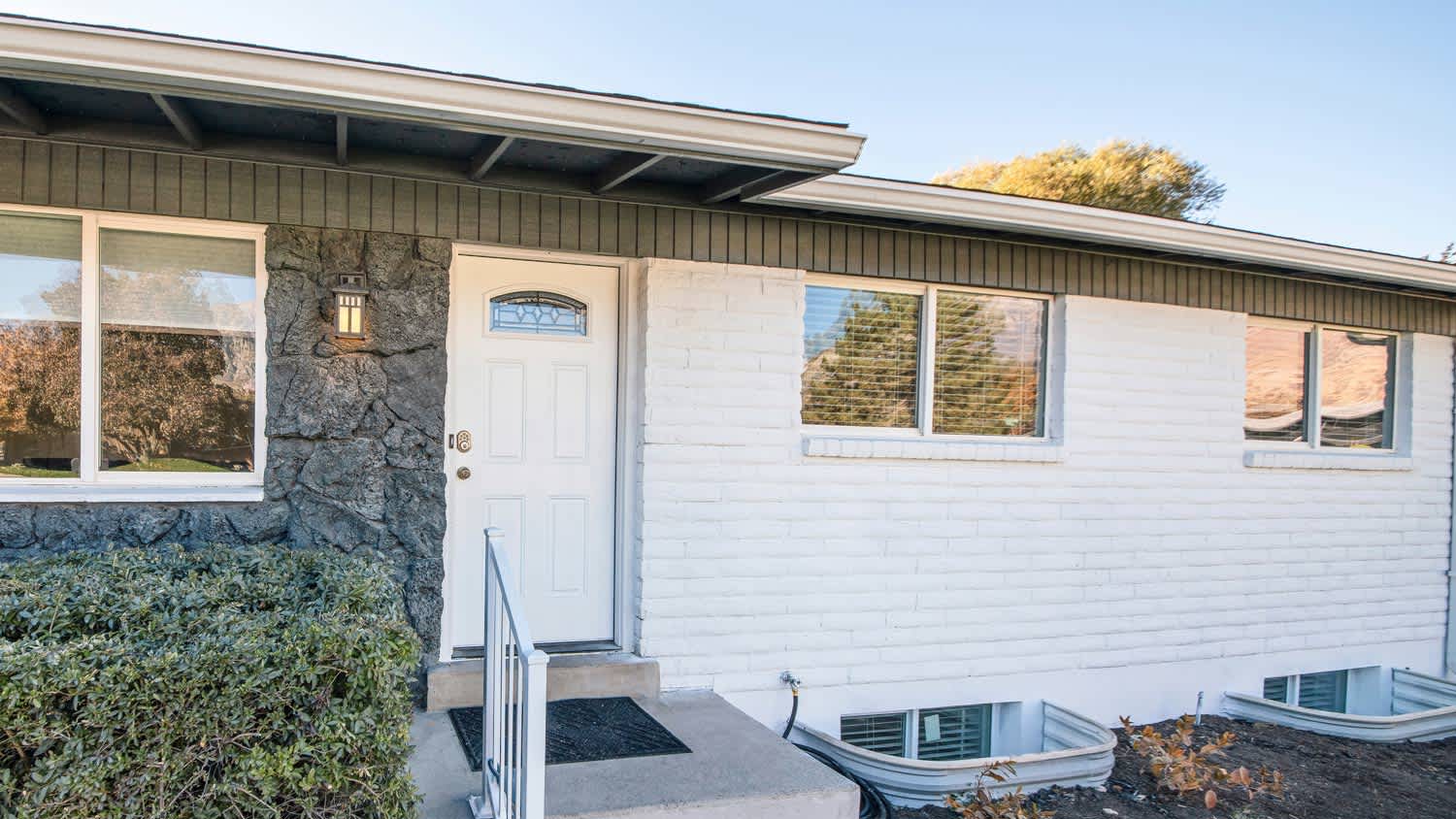
Window wells allow for safe emergency egress from basement windows. Discover what a window well is and if your home needs one.