
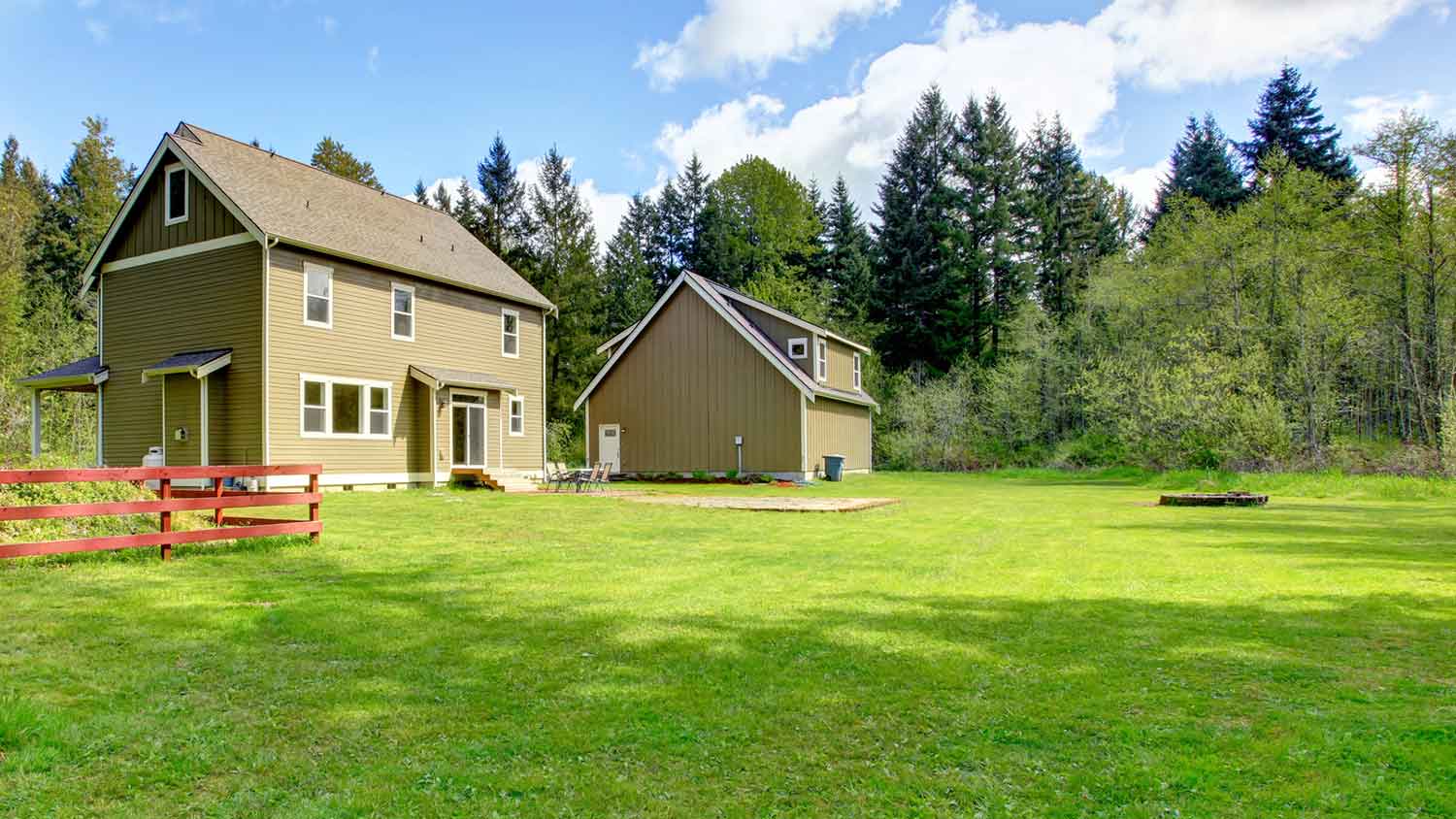
Does your property have poor ground water or soil conditions? Learn about engineered septic system cost, types, and factors for you to consider.
Both give waste a place to go

Dry wells and leach fields both manage water on your property, but a dry well handles stormwater and greywater while a leaching field treats wastewater.
Expect to pay $3,125 for dry well installation and $6,000 for leach field installation when you hire a professional septic contractor.
Your choice depends on what you need: every septic system requires a leach field, and you add a dry well for stormwater management or greywater support.
Hiring a local septic tank company keeps your installation on track with proper permitting, depth requirements, and groundwater protection that fits your property.
Septic systems come in all shapes and sizes, but each one has a septic tank and leach field in common. You may have also heard about a septic dry well and wondered if that's a good option for your home. Learn the differences between a dry well and a leach field to see if you need just one or both.
Think of a septic dry well as an accessory that complements a leach field. It's not a replacement for a leach field but can play a supporting role in your property's water management. Dry wells are deeper in the ground than leach fields and are often surrounded by gravel. Leach fields consist of rows of pipes that seep effluent into the surrounding soil.

A dry well manages stormwater runoff by providing excess water a place to go. The well provides a holding area for water when the surrounding soil is saturated. As the soil dries out after a storm, water seeps out of the well into it. A septic dry well does the same, but it also handles greywater from your home.
Installing a dry well costs an average of $3,125. The final cost depends on the materials used, well size, and location on your property.
| Pros | Cons |
|---|---|
| Helps prevent flooding | Complex maintenance |
| Supports your septic system | Can cause contamination |
| Protects your foundation | Not allowed in some areas |
Best for:
Homes in rural areas that get a lot of rainfall.
The major benefit of a dry well is stormwater management. If you live in an area with a lot of rainfall, a dry well can help prevent flooding and ponding after a storm. It's usually located at least 10 or 12 feet from your home's foundation, so it can also protect the structural integrity of your house.
When connected to a septic system, a dry well can handle greywater from sinks, dishwashers, and washing machines, easing some of the strain on your system's leach field.
A major drawback of a dry well is that some areas no longer allow it to be installed as part of a household sewage treatment system. In other areas, you may need to register your well with the local environmental protection agency. The wells are often deep in the ground, which runs the risk of contaminating groundwater if there's an issue with the well.
Dry wells require ongoing maintenance, which is particularly important to limit the risk of contamination.

A leach field, also known as a drain field, gives your household's wastewater a place to go. Leach fields consist of a series of pipes that allow the effluent from your home's sewage system to drain into the surrounding soil.
A leach field is installed with the rest of your septic system, and the average cost of installation is $6,000. Your total costs can vary based on the size and type of the system.
"Effluent" is the term for liquid waste or sewage that has been treated in a septic tank or sewage treatment plant. You may also know it as "wastewater."

| Pros | Cons |
|---|---|
| Limits contamination | Can flood |
| Inobtrusive | Pipes can clog |
| Long-lasting | Limits yard use |
Best for:
If your home has a septic system and tank, then you need a leach field, whether it's a mound system or a sand filtration system. Leach fields can last for decades with proper care. They minimize groundwater contamination and are relatively inconspicuous—you may be standing on your home's leach field and not even know it.
If something goes wrong with your septic system, you may be able to see or smell it in the leach field. When the system is overwhelmed or clogged, the leach field can become saturated, creating a muddy mess. The mud in the leach field may have a distinct, unpleasant odor.
Another drawback of a leach field is that it can limit your yard use. You can't park cars or plant trees over your leach field. It must also be at least 10 feet away from buildings or structures.
Take a look at how a dry well stacks up to a leach field.
Both a dry well and a leach field should be professionally installed, by a local septic tank company. However, since leach fields are standard and dry wells are less common, you'll have better luck finding a company that will install a drain field rather than a dry well.
In either case, the installation should follow local codes and regulations.
While installing a leach field technically has a higher price tag, remember that you can't have a septic dry well without a septic system. So in the long run, installing just a leach field will cost you less than installing a leach field and dry well.
Repairing a leach field may involve calling a septic tank company and having them pump your septic tank. Dry wells may also need the occasional cleanout, but since they are deeper in the ground, they can be much harder to access.
In some cases, you can DIY leach field repair by adding enzymes to your septic tank to help improve drainage and prevent saturation.
Both a dry well and a leach field can have a long, happy life with the right maintenance and care. A dry well can last for up to 30 years, and a leach field can last for as long as 50, so it has a slight edge here.
Dry wells can help to manage excess stormwater, giving them an eco-friendly edge. Leach fields prevent harmful waste from seeping into the groundwater or contaminating local waterways. Both need to be installed and constructed according to local codes and environmental regulations.
I recently moved to another state and chose United Trust Van Lines after comparing several companies. Their team was punctual, professional, and extremely careful with my belongings. I was especially impressed with how they handled my home office setup and fragile items. Everything arrived on...
 United Trust Van Lines, LLC
Positive experience. As previously stated, the replacement/repair could not be completed (no fault of the plumbing tech) b/c misinformation was rec?d by property management maintenance. Thanks to the plumbing tech for your efforts. Appreciate you!
 The Waterworks
As usual with ECO, tech Jordan was outstanding, very professional, very knowledgeable, and very thorough with repairs made to tankless water heaters. Very highly recommend ECO!!!
 Eco Plumbers, Electricians, and HVAC Technicians
I would recommend this company to anyone! He showed up on time, was friendly, completed a very difficult repair on our dryer vent cover, was responsive, and pricing was extremely fair and competitive. I would have him back to do any of our repairs or cleanings without hesitation!
 U.S.A. Dryer Vent, LLC
Best cleaning I've had at my property
I'm a repeat customer of All Star Paving & Sealing and I appreciate the service that all start paving has done for me in the past. I just recently had them out for an estimate and things couldn't have gone better. The staff that they send out to do the estimates are very knowledgeable. The...
 All Star Paving and Sealing
Supreme Brick & Chimney is one of the best service providers I’ve interacted with. Extremely efficient, knowledgeable, and thorough. They took the time to walk me through their detailed full-service inspection and were extremely professional. Not to mention their turnaround time was...
 Supreme brick & chimney
They were great! They were thorough and efficient and paid attention to the details. Definitely recommend. I'm definitely going back!
 FIFI'S EARTH FRIENDLY CLEANING
Storms Mobile Welding was great to work with. They were prompt, professional and did an overall excellent job on the project. I highly recommend.
Great experience all together. Dog friendly, courteous, great results and honest with recommendations. Will certainly be using Cardinal in the future for any carpet repairs
 Cardinal Carpet Care & Repair
From average costs to expert advice, get all the answers you need to get your job done.
Does your property have poor ground water or soil conditions? Learn about engineered septic system cost, types, and factors for you to consider.

Replacing a drain field requires digging up quite a bit of land and involves a decent amount of testing. Using this guide, you’ll learn how much it costs to replace a drain field based on a few key factors such as size and type of septic system.

Not sure what you can put over your septic field? Use this guide to keep your leach field safe from damage and avoid issues with percolation.
How much weight can a leach field hold? To avoid damaging it, focus on items with limited weight when deciding what to put over the top of the leach field.
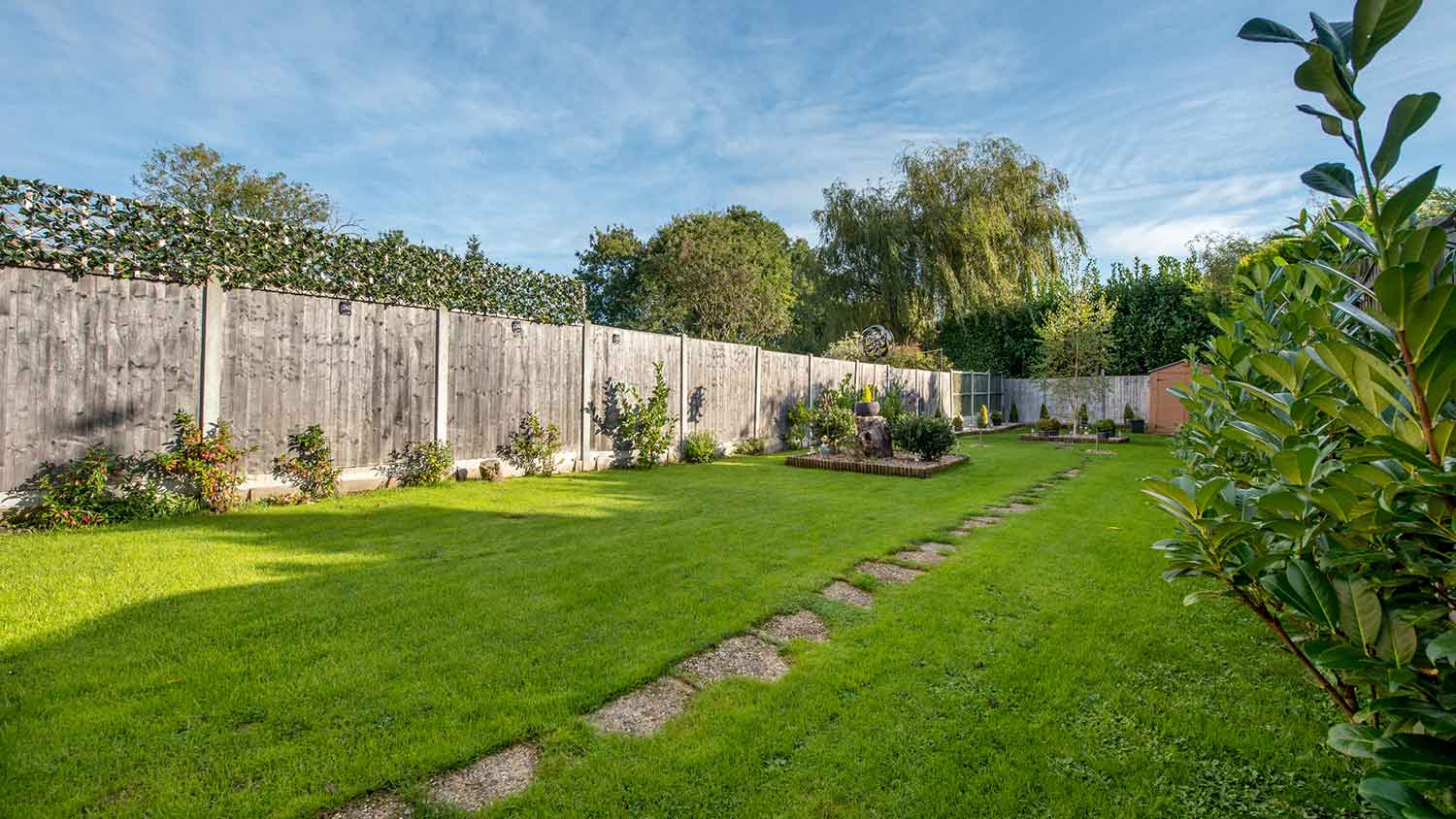
Got a septic tank? Then you've got a leach field. Knowing where it is helps you maintain your system. Here's how to find a leach field.
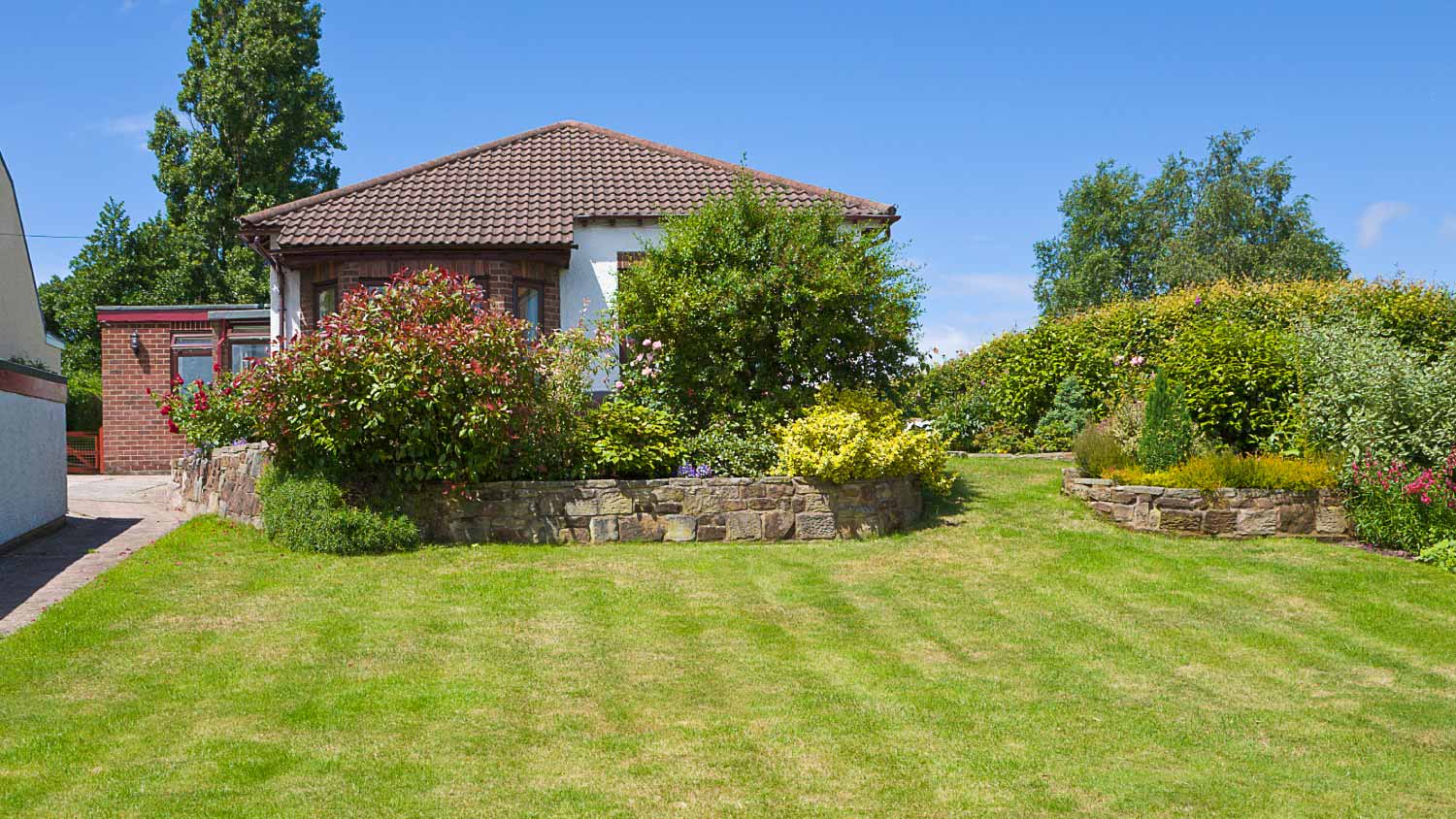
Spotting leach field issues early can save you a major headache. Learn the signs your leach field is failing and who to call to fix your septic system.