

The cost to paint a deck depends on its size, design, and whether you DIY. Read this guide to help set the budget for your deck painting project.
It might not be flashy, but flashing is more important than you know

Deck ledger flashing protects your home from water damage by creating a barrier between the deck ledger board and your exterior wall.
Flashing materials cost up to $60 for traditional ledger flashing and $100 for flashing tape, depending on the material you choose.
You can choose from copper, vinyl, galvanized steel, stainless steel, or aluminum flashing, each offering different durability levels and price points for your deck.
Hiring a local deck building professional keeps your deck installation safe and watertight, with expert guidance on proper flashing placement and building code compliance.
When it comes to building a deck, safety and longevity are paramount. One often overlooked but crucial element in deck construction is deck flashing. But what is deck flashing, exactly, and why is it so important? Let’s dive into this crucial part of building a deck so that you can get to enjoying your gorgeous outdoor space faster.
Deck flashing is a protective barrier between your deck and your home, helping to stop water from infiltrating your home through the holes you made to connect your deck to your house via the ledger board. Flashing fights back against wood rot, mold, mildew, and other types of water damage that can quickly compromise both your home and deck. Manufacturers make deck flashing from various materials, including copper, vinyl, galvanized steel, stainless steel, and aluminum.
Before diving into the importance of deck flashing, it's essential to understand what a deck ledger board is. The deck ledger board is a horizontal board that attaches the deck to your house. This board is a crucial part of a deck that provides stability to the entire deck.
Most ledger boards are made from pressure-treated wood, even if the rest of your decking is another material. A ledger board without proper protection can become compromised by water and other elements, which can quickly cause structural damage to your home’s foundation. This is why deck flashing is so crucial.
Not having properly installed deck flashing can lead to several serious issues with both your deck’s stability and your home’s safety. Here are a few issues that can occur without deck flashing.
Many decks are made of wood, and water is the nemesis of wood since it can cause rot, decay, and mold growth. Without deck flashing, water can seep behind the ledger board and penetrate the house's exterior. This can lead to mold, structural damage, and costly home repairs.
The deck ledger board is susceptible to rot if it’s continually exposed to moisture. Rot can weaken the connection between the deck and the house, making the entire deck unsafe. Over time, water damage can compromise the structural integrity of your deck, posing a safety hazard for you and your family.
Decks without proper flashing require more maintenance. You may find yourself constantly repairing and replacing boards due to moisture-related issues.

Now that we understand the importance of deck flashing, let's explore the materials used for flashing and their benefits. When choosing a flashing material, consider your budget, the climate in your area, and the desired life span of your deck.
You can purchase flashing in most of these materials in 10-foot Z- or L-shaped sheets or in roll form.
Copper flashing is highly durable and resistant to corrosion. It adds an attractive aesthetic to your deck and can last for decades. However, copper tends to be more expensive than some other materials, and it may require periodic maintenance to retain its appearance.
Vinyl flashing is both affordable and easy to install. It’s also resistant to corrosion and comes in many different colors to match your deck's aesthetic. Vinyl may not be as durable as metal flashing, though, and it can become brittle over time in extreme weather conditions.
Both cost-effective and durable, galvanized steel flashing provides excellent protection against water intrusion. However, it may eventually rust, especially in areas with high humidity or salt exposure. If your flashing will come into contact with a wood ledger that’s been ACQ pressure-treated, you should not use galvanized steel flashing since it will corrode. If you’re unsure if your wood has been ACQ pressure-treated, call up a pro for help.
Super lightweight and easy to work with, aluminum can be a great choice in deck flashing material since it’s also resistant to corrosion and lasts a long time. However, like galvanized steel, aluminum does often corrode when it comes into contact with wood that has been ACQ pressure-treated. Also, aluminum may not be as robust as stainless steel, making it less suitable for heavy-duty applications.
Incredibly durable and low-maintenance, stainless steel flashing is highly resistant to corrosion and rust. High durability and corrosion resistance come with a cost, though. Stainless steel flashing is more expensive than other materials, adding to the overall cost of building a deck. Its longevity, however, makes it a worthwhile investment.
Flashing membranes, also called self-adhering flashing, typically have a paper backing. You simply peel the flashing from the paper backing and stick it to the ledger board when you apply pressure. Flashing membranes may also be sold as flashing barrier tape, rather than peel-and-stick.
Flashing membranes are often used in conjunction with other types of deck flashing. They offer an additional layer of waterproofing.
You can also purchase joint flashing. This may come in liquid form; you’ll simply roll or brush the flashing onto the deck joints. Alternatively, joint flashing may be available as a self-adhesive tape that you’ll apply to wood joists to protect them from water damage. Like flashing membranes, joint flashing can be used in conjunction with other types of deck flashing, like aluminum or vinyl.
While many people use deck flashing to protect the ledger board, some builders use deck ledger spacers as an alternative. This deck construction method basically creates a gap between the ledger board and the exterior wall of the building. Spacers differ from deck flashing because they don’t allow the ledger board to sit flush against the side of the home. This allows water to flow harmlessly between the two.
Deck spacers offer a simpler and cost-effective approach, but they may not fully comply with building codes and regulations, as they provide less comprehensive moisture protection. Deck flashing does require more precise installation and potentially more labor, but many builders consider it a superior choice. Flashing establishes a watertight barrier, ensuring effective defense against water damage and guaranteeing the long-term structural integrity of your deck.
In addition to traditional flashing materials, there is another product worth considering: deck flashing tape. This self-adhesive tape is designed to seal gaps and joints on your deck, providing an extra layer of protection against water infiltration.
Flashing tape costs a bit more than traditional ledger flashing on its own. Traditional Z flashing can cost up to $60 for a deck, while using flashing tape comes with a price tag of $100. Of course, these prices depend on the flashing or tape material as well as the size of the deck.
Deck flashing tape can be used in conjunction with deck flashing or as a standalone solution. It is particularly useful for protecting the underside of your deck, where water can easily accumulate and cause damage like mold and wood rot.
When it comes to deck flashing installation, the decision between a DIY approach and hiring a local deck builder can significantly impact the outcome. Opting for a skilled deck builder offers numerous advantages. The experts bring valuable knowledge and experience to ensure precise installation, compliance with local building codes, and a watertight seal. Hiring a pro saves you time, reduces the risk of improper installation, and provides peace of mind in knowing that your deck's structural integrity and longevity are in capable hands.
While DIY deck projects might save on labor costs, the expertise and assurance that come with professional installation often make it the preferred choice. You’ll also want to hire a pro for your routine deck inspection; they’ll be able to monitor the condition of your flashing, as well as the condition of the wood, fasteners, railings, and other core elements.
Supreme Brick & Chimney did a great job with a cleaning and inspection of the fireplace! He was efficient, on time, and very pleasant. The space was kept very clean, and the fireplace was spotless when he was done. He also performed a thorough inspection, and did a great job talking us...
 Supreme brick & chimney
Koby & team weâ re great! Moved our two bedroom apartment in about 4 hours, and weâ re super friendly, quick, and careful with are things.
 All My Sons Moving & Storage
We had our houses windows and back door replace this summer by Window Depot USA of Central. He gave us grate advise and saved my family lots money. The team did a fantastic job with installation. If you need help, they sure get job done right!
 Window Depot USA of Central Ohio
Wonderful. I am going to have them remove and replace my driveway in the spring.
 All Star Paving and Sealing
We were having 2”x 2” tile installed . There was a small installation error and the new additional replacement tile was from a different lot and the colors didn’t match. Joe assured us that he would rectify everything , which he did without hesitation. We decided to go with the 18” x 36” tile...
 CarifaTile
Did an amazing job transforming my yard. Also installed sod in places, would recommend to everyone.
 Cardinal Landscaping & Construction LLC
All around they have done a really great job. <br /> I have used JL Landscapes for the past 8 years. I own and operate my own commercial/residential real estate company where we own, operate, and maintain our own properties. JL Landscapes has been our exclusive landscaper for both our...
 J.L. Landscapes
Outstanding experience! I needed my yard/garden/patio prepared for a party the coming weekend. I contacted Rick and he was able to schedule service that same week. He and his crew did a wonderful job removing the fall foliage, weeding, trimming back plants and hedges, even cleaning up the...
 Distinct Designs Residential Enhancements
We first had Mark fix the back patio and liked his work so much we had him make a brick patio on the side of the house. When we decided to change our concrete walkway to brick, we wanted Mark to do the job because his prices were fair and he did such good work on t he other two projects.
 Mark Monnette Masonry
For several years the patio needed a lot of attention. They came out and gave me an estimate for the work. They were very good and very professional. They were also very polite and very courteous. Their price was decent but I have decided not to go with them. It is not because I have...
From average costs to expert advice, get all the answers you need to get your job done.
The cost to paint a deck depends on its size, design, and whether you DIY. Read this guide to help set the budget for your deck painting project.
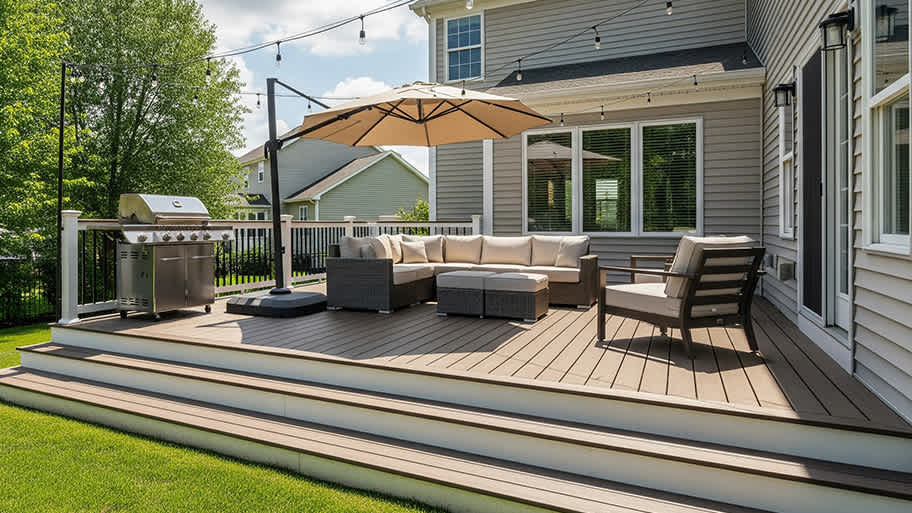
You might know about deck boards and railings, but what are the other parts of a deck? Here are the parts you should know before you build a new deck.
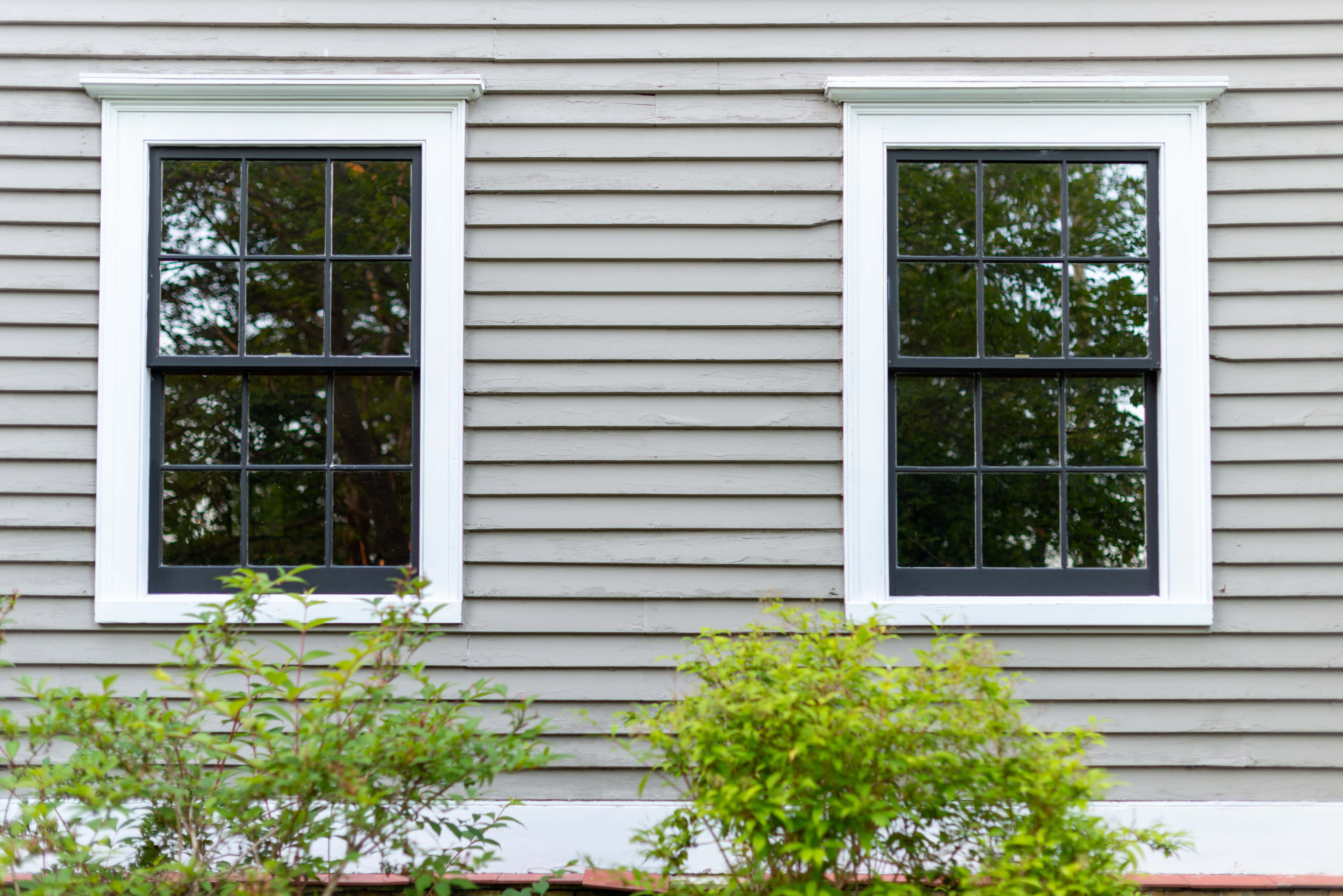
What is window flashing, and why is it likely the culprit for your leaky glass? Learn more about this often-overlooked window installation step.

Ledger boards hold your deck in place—literally. Learn how to choose the best wood and protect your deck from time and the elements.
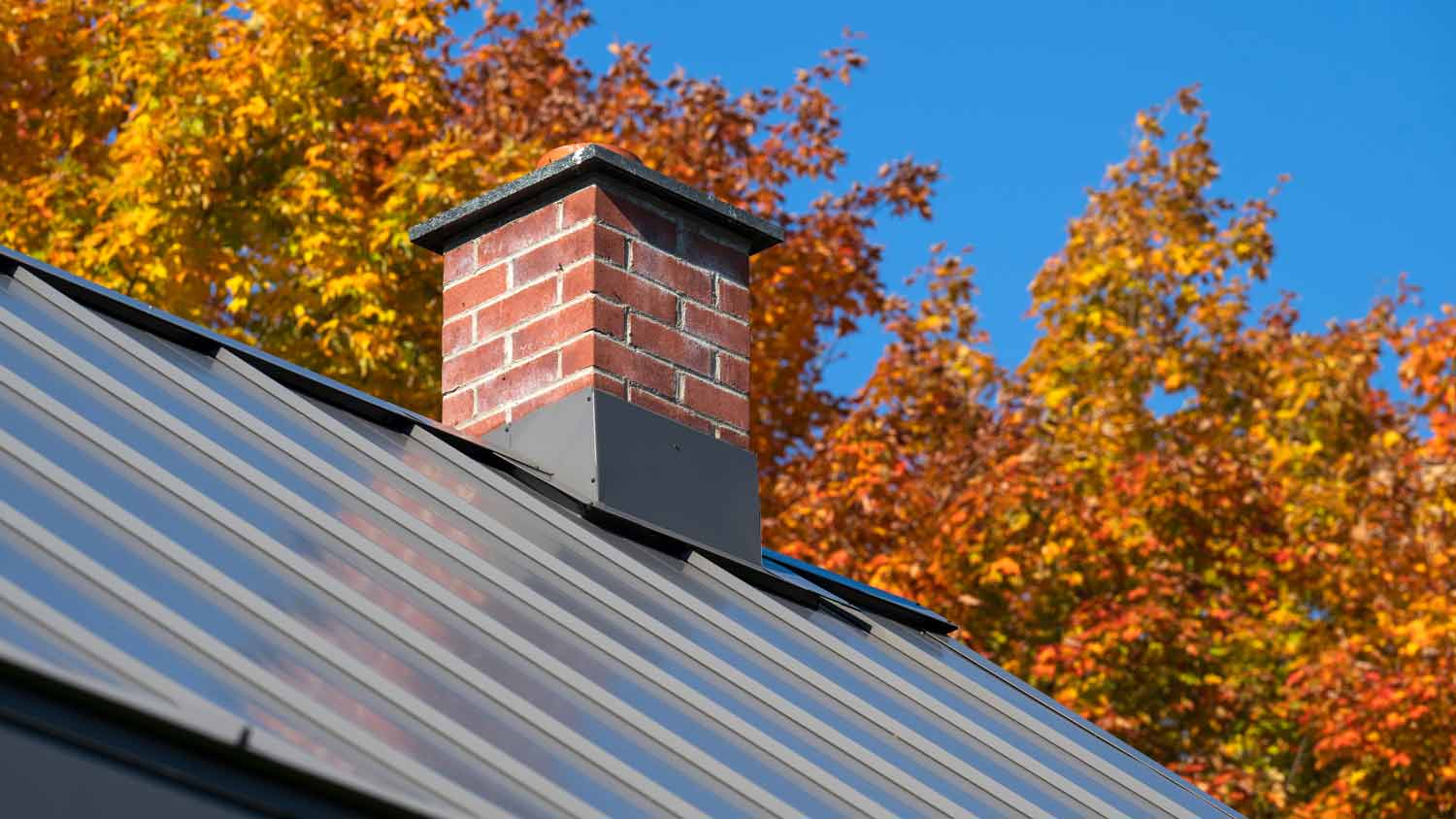
You might think you know how your chimney works, but what is chimney flashing? Learn about the roofing element that keeps your fireplace dry.
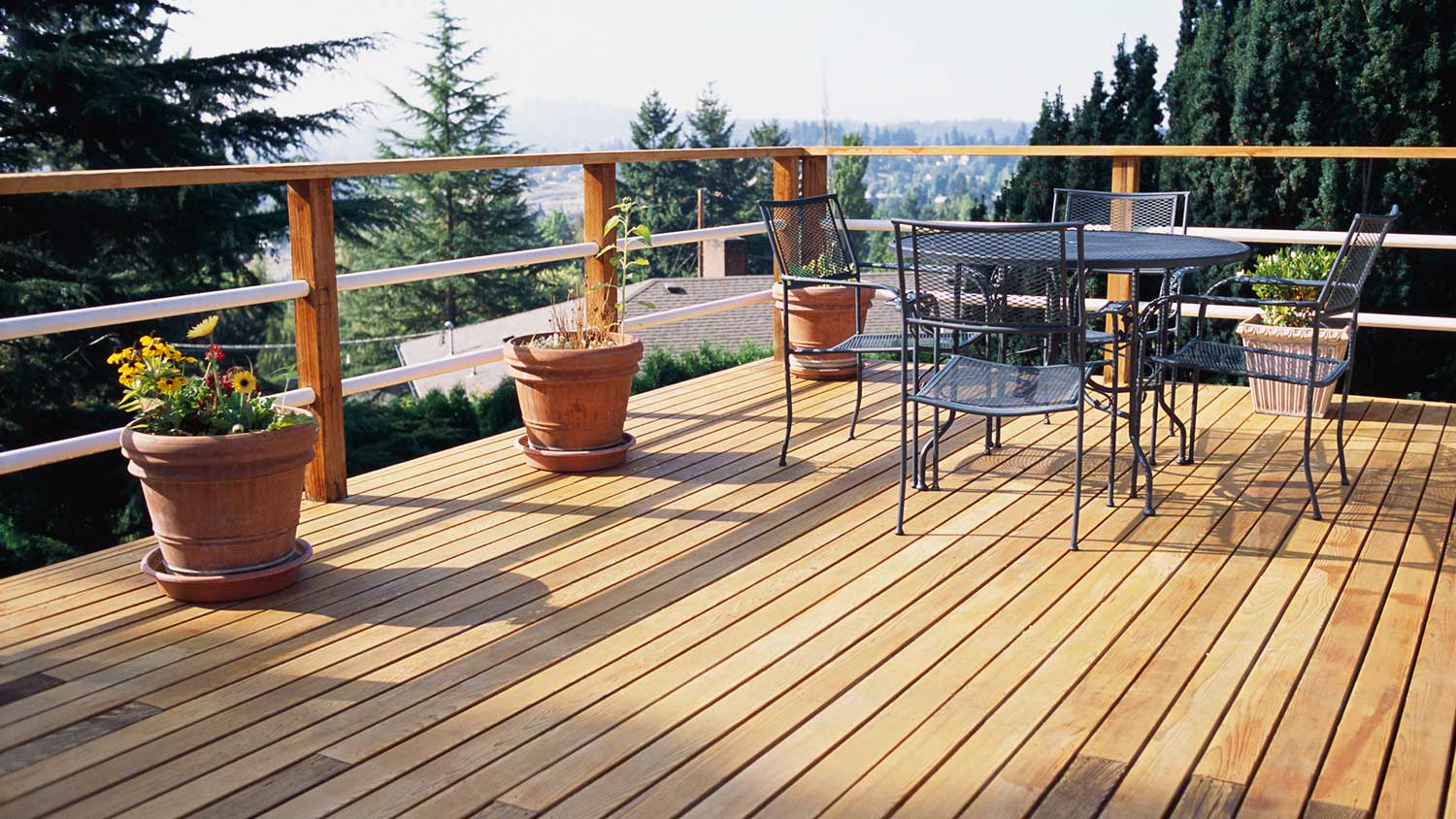
It's important to know the right terminology when taking on the task of staining your deck. Take a look at the deck maintenance terms every homeowner should know.