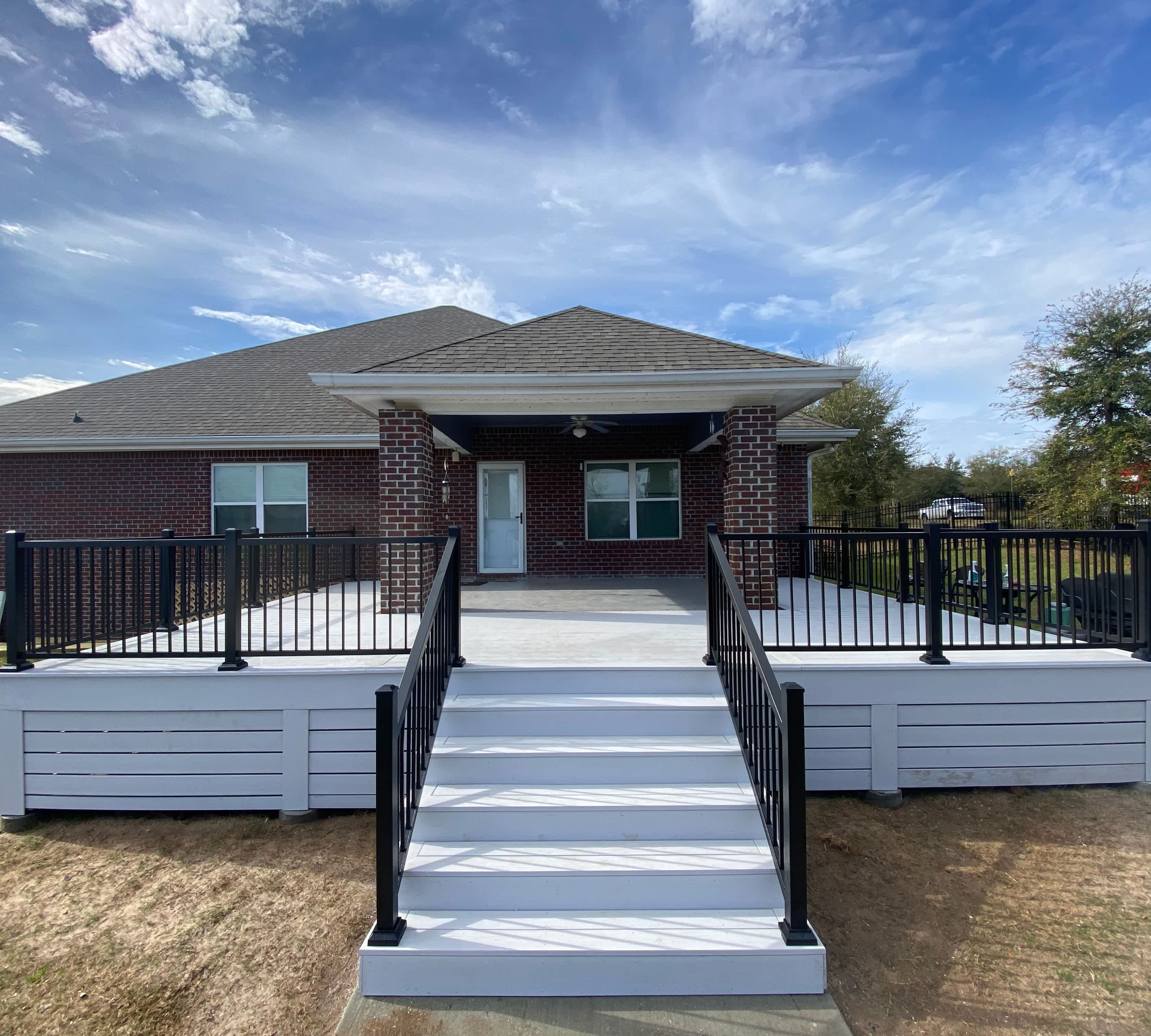


The cost to paint a pool deck depends on the dimensions and material, the type of paint, and whether you DIY. Read on to help determine a project budget.
Exterior painting costs depend on your project and location. Check with a local pro for your specific job.

Professional deck painting costs between $2 and $5 per square foot, with your total depending on deck size, condition, and paint type.
Your deck material and design features like railings, stairways, or pergolas impact your final cost by requiring extra paint and labor.
You should account for prep work costs like power washing, sanding, and paint stripping when creating your deck painting budget.
Hiring a local deck repair professional ensures proper surface prep and paint adhesion, saving you time and preventing costly mistakes.
In 2026, the national average cost to paint a deck is $1,000 for a standard 300-square-foot deck. Most homeowners spend between $500 and $2,000, with total project costs often ranging from $2 to $5 per square foot. Deck style, material, and labor all play a role in your final price.
The cost to paint a deck depends on your deck's condition and size, the type of paint you choose, and local labor rates. Understanding each factor helps you build a realistic budget before reaching out to a pro.
Deck size is one of the biggest drivers of your total painting cost, with most projects priced at $2 to $5 per square foot. The average deck is around 300 square feet, though dimensions vary widely based on your yard and layout. Here's what you could expect to spend on deck painting across common deck sizes:
| Deck Dimensions | Average Cost in 2026 |
|---|---|
| 10’x10’ (100 square feet) | $200–$500 |
| 12’x12’ (144 square feet) | $288–$720 |
| 12’x16’ (192 square feet) | $384–$960 |
| 12’x20’ (240 square feet) | $480–$1,200 |
| 14’x24’ (336 square feet) | $700–$1,680 |
| 16’x24’ (384 square feet) | $800–$1,920 |
| 24’x24’ (576 square feet) | $1,200–$2,880 |
Simple, detached floating decks are the most budget-friendly to paint due to their minimal surface area, while adding features like deck railings, stairs, or pergolas increases both paint and labor costs. Non-standard materials like metal or vinyl require specialized, higher-priced adhesives or rust-proof primers.
Pool decks command the highest rates because they demand heavy-duty paints formulated for anti-slip protection, chemical resistance, and mold prevention.
Your deck's material has a modest but real effect on painting costs, with wooden decks generally costing less to paint than concrete decks, which require specialized paints. Material also determines how long a paint job will last—composite decks hold paint longer than wooden ones. Knowing your deck's material upfront helps you choose the right products and set realistic expectations for repainting frequency.
The type of deck paint you choose has a modest effect on your budget, and no single formula works for every situation. A paint's sheen, base, and protective qualities all factor into which option suits your deck best. Here's how common deck paint types compare by cost per gallon:
| Paint Type | Average Cost per Gallon in 2026 |
|---|---|
| Latex | $40–$90 |
| Acrylic | $40–$60 |
| Oil-based | $40–$150 |
Water-based latex and acrylic paints are more affordable, but they might not last as long as durable (but less environmentally friendly) oil-based paints. Unless you go for a two-in-one paint, you'll also need to budget for a primer.
Professional deck painters charge $25 to $100 per hour, and painting a ready-to-go deck typically takes around 10 hours depending on size and the number of coats needed. Sanding down an already-painted deck can add five hours or more to that total. Small finishing repairs will add additional time on top of that, so factor in the deck's current condition when estimating your labor budget.
Skipping proper prep work leads to a paint finish that peels sooner and looks worse from the start. Pros often include prep in their final quote, but the added cost depends on your deck's condition and whether you're painting bare wood or repainting over an existing coat. Some elements to consider include:
Power washing: You don't want a lot of dirt and debris on your deck's surface before getting down to painting. This is a standard part of any good deck painting quote. If you want to power wash the deck and don't have the gear, renting equipment for a day costs around $50.
Sanding: This is essential prep work for staining a deck. Without sanding, the stain won't absorb as effectively. It isn't as necessary for painting if you already have a smooth surface. If you feel the finish won't look as polished without some sanding, budget an extra $1 to $1.50 per square foot to have a pro lightly sand the deck.
Paint stripping: If you're repainting a deck rather than painting for the first time, you'll probably need to strip the old paint. Add $0.50 to $2 per square foot for this process.
Beyond the core cost factors, several additional items can affect your total deck painting budget. Understanding these extras before you get quotes helps you avoid surprises and plan more accurately.
One gallon of paint costs $20 to $70 and covers 200 to 400 square feet. Pros often quote for one coat of primer and two coats of paint, though the number of paint coats you need can vary based on your deck's condition, the paint formula, and the color change involved. A single freshening coat may be enough for a deck already in good shape, while thinner formulas, light colors over dark wood, or heavily trafficked surfaces may require an extra coat.
Maintaining your deck regularly helps your paint job last longer and keeps the space looking its best. If you power wash it yourself, use a moderate pressure setting—blasting too hard can damage the surface. An annual professional power wash runs around $300 and is a worthwhile investment in your deck's long-term condition.
Addressing deck damage promptly prevents small problems from turning into costly structural issues and helps your paint job last as long as possible. Watch for wobbly railings, warped or loose boards, and signs of rot or pest activity. The average cost of deck repairs is $2,000, but that investment pays off when it extends the life of your deck by years.
Where you live significantly affects your deck painting costs, as both labor rates and material prices vary widely across the country. Supply shortages in your area can further drive up material costs, making timing a real factor in your budget. If you have flexibility, waiting for supplies to stabilize can help you get the finish you want without overpaying.
Not every month is suitable for deck painting—extreme heat and cold both prevent paint from adhering and curing properly. Scheduling your project during a contractor's slower season can sometimes lower your cost without sacrificing quality. Reach out to a few local pros to find out their peak months, then aim to book during a quieter period that still offers workable conditions.
Weatherproofing your deck with a waterproof sealant helps extend its lifespan by creating a barrier against moisture and sun damage. Sealing costs $0.75 to $4 per square foot and should be reapplied every few years to maintain effective protection. Factoring this into your long-term maintenance plan helps preserve both the deck's structure and your paint job.

While painting a deck can be a DIY project, achieving a smooth, long-lasting finish is harder than it looks. A gallon of paint costs between $20 and $70 and covers approximately 300 square feet. However, the real challenge lies in the preparatory work—stripping old paint, sanding every surface, and pressure-washing thoroughly. These steps are essential for preventing peeling and ensuring the paint actually adheres.
If you don’t already own the right tools, need to protect your deck’s structural integrity, or are short on time, hiring a deck painter is a smart investment. Professional deck painting typically ranges from $600 to $1,500, but it often saves homeowners time, hassle, and the risk of costly mistakes.
A professional deck painter can save you time, stress, and costly mistakes. Here’s why it’s worth hiring one:
Pros know exactly how to prep the surface so the stain or paint actually adheres and lasts.
Pros can spot early signs of rot, moisture issues, or structural damage you might miss and recommend deck repairs.
They have access to commercial-grade tools and products that deliver smoother, longer-lasting results.
A pro understands which paints, stains, and sealants work best for your deck’s material and climate.
Professionals can handle tricky areas, such as railings, stairs, corners, and high spots, with precision.
Professional painters are skilled at working at various heights that could be unsafe for the average homeowner.
DIY-ing your deck painting project can save money if you have a deck that isn't too difficult to access or has signs of damage. Here are the tasks most homeowners can tackle, whether you complete the job start to finish or prep the work for a pro:
Perform basic cleaning, sweeping, and debris removal before painting begins.
Power washing the deck (as long as you use the correct pressure).
Light sanding or spot-sanding to smooth rough patches or remove flaking paint.
Brushing or rolling paint on wide, flat, easy-to-reach deck boards.

While a professional painter is already on-site for your deck, bundling other paint jobs into the same visit often earns you a multi-project discount and reduces future disruption. Common add-ons include fences, exterior doors, and exterior improvements. Here's how those projects break down so you can factor them into your deck painting budget:
Fence painting costs: $750 to $4,250 on average
Exterior door painting costs: $150 to $500 each
Home exterior paint costs: $1,800 to $4,400 on average
Looking to shave a little off your final spend? There are some smart strategies to help you cut costs.
Skip the premium paint: Luxury brands often guarantee a long-lasting, flawless finish, but you can find more affordable brands with quality ingredients. If you’re hiring a painting contractor, they can help you on this front.
Do the prep work yourself: If you're worried about your deck painting skills, you can still save big by tackling some or all of the prep work yourself. Power washing and paint stripping are both manageable tasks for DIYers.
Take your time: If you decide to tackle the prep work, don’t do it half-heartedly. Poor prep will negatively impact the finish, and you’ll only have to pay more to fix or redo it down the road.
Identify the type of paint or stain you prefer, as well as whether you want a solid, semi-transparent, or transparent finish.
Share any structural concerns or existing damage you’ve noticed, like soft spots, loose boards, or moisture issues.
Be prepared to give accurate measurements of the deck, including stairs and railings, to help the pro estimate materials and labor.
Share any accessibility constraints, such as tight yard access, pets, or areas of the property that require extra protection.
Home is the most important place on earth, which is why Angi has helped more than 150 million homeowners transform their houses into homes they adore. To help homeowners with their next project, Angi provides readers with the most accurate cost data and upholds strict editorial standards. We extensively research project costs to develop the pricing data you see, so you can make the best decisions for you and your home. We rely on reputable sources, including the U.S. Bureau of Labor Statistics, academic journals, market studies, and interviews with industry experts—all to ensure our prices reflect real-world projects.
Want to help us improve our cost data? Send us a recent project quote to [email protected]. Quotes and personal information will not be shared publicly.
Great company! Price was competitive, technician showed up on time and completed the job (exterior electric Radon fan replacement) quickly. Would hire them again.
 MaGen Property Inspections and Radon Mitigation
I am highly satisfied with the window replacement service I received; the professionals from Savvy Exteriors were punctual and did an amazing job that exceeded my expectations.
 Savvy Exteriors
Our homes curb appeal skyrocketed thanks to Custom Paint Jobs LLC s exterior painting.
 Custom Paint Jobs, LLC
From average costs to expert advice, get all the answers you need to get your job done.
The cost to paint a pool deck depends on the dimensions and material, the type of paint, and whether you DIY. Read on to help determine a project budget.
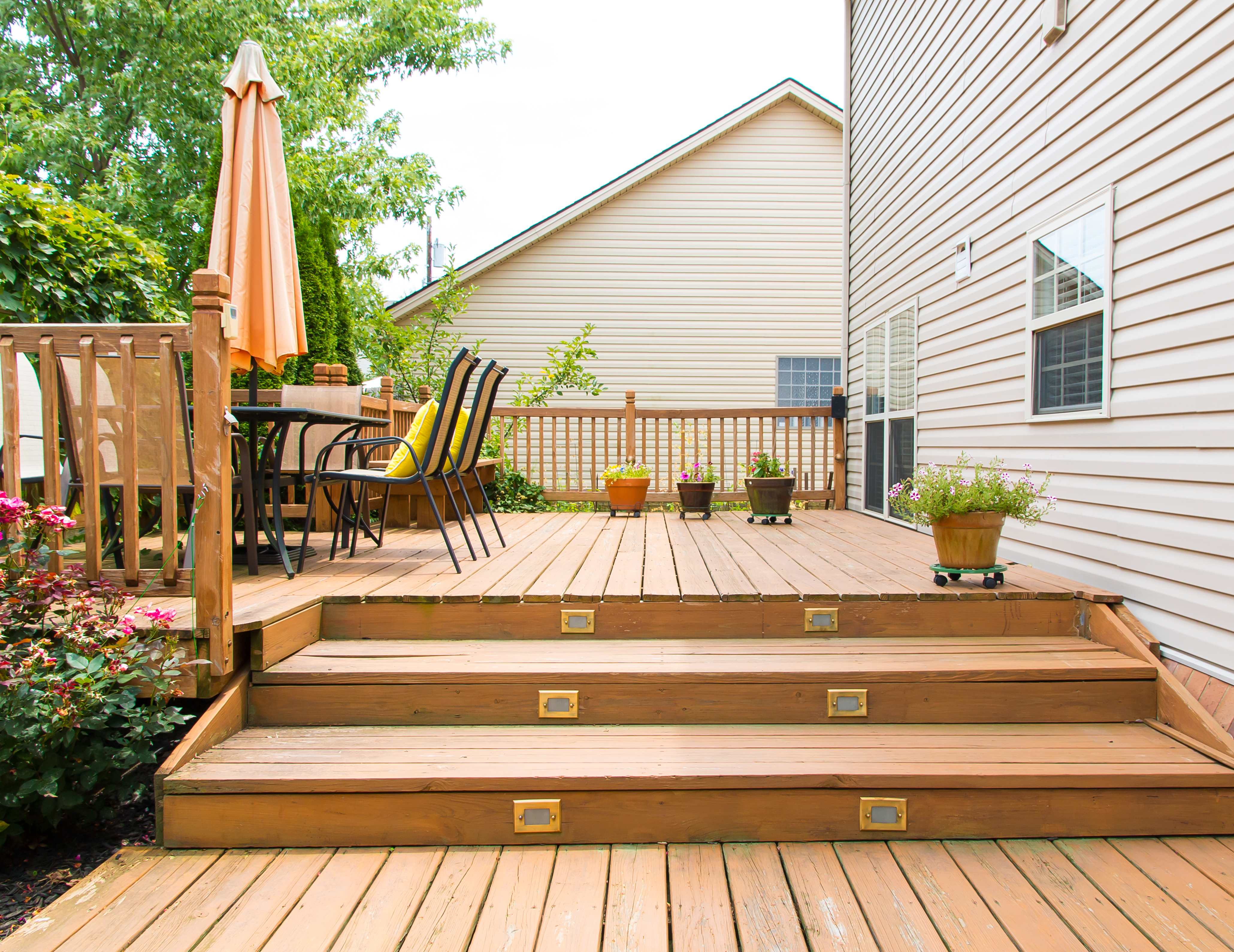
The cost to stain a deck varies depending on its size, location, and type of stain. Keep reading to learn more about how much you might spend.
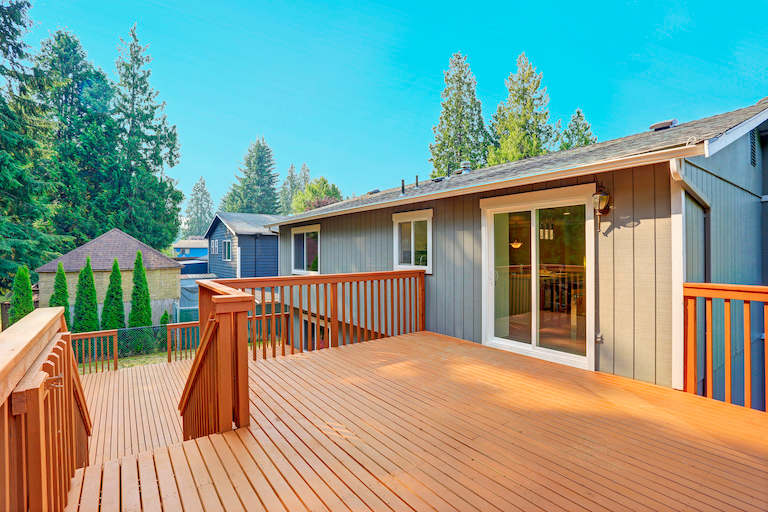
Refinishing your deck is a great way to restore its appearance and fall in love with your outdoor space. Use this guide to learn how much it costs based on factors like size and type.

The best paint for a deck varies depending on where you live, your deck’s existing paint, and more. Read this deck paint guide to help you decide.
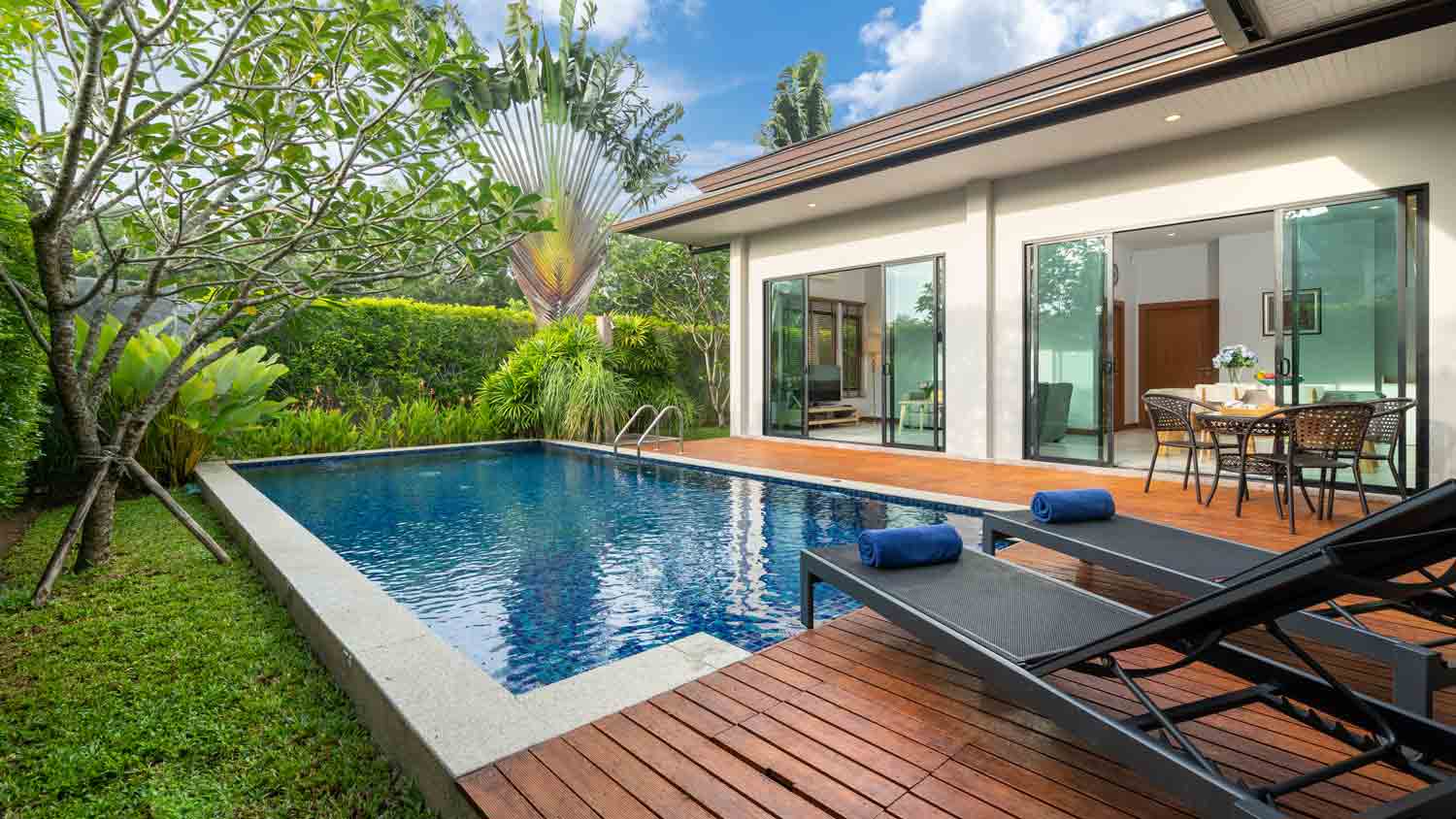
Paint can transform your backyard into a vibrant, tropical oasis. Learn more about choosing the best paint for a pool deck and find some colors for inspiration.

Deciding to apply paint or stain to a deck depends on your personal preferences. Learn more about choosing to paint or stain a deck at your house.