
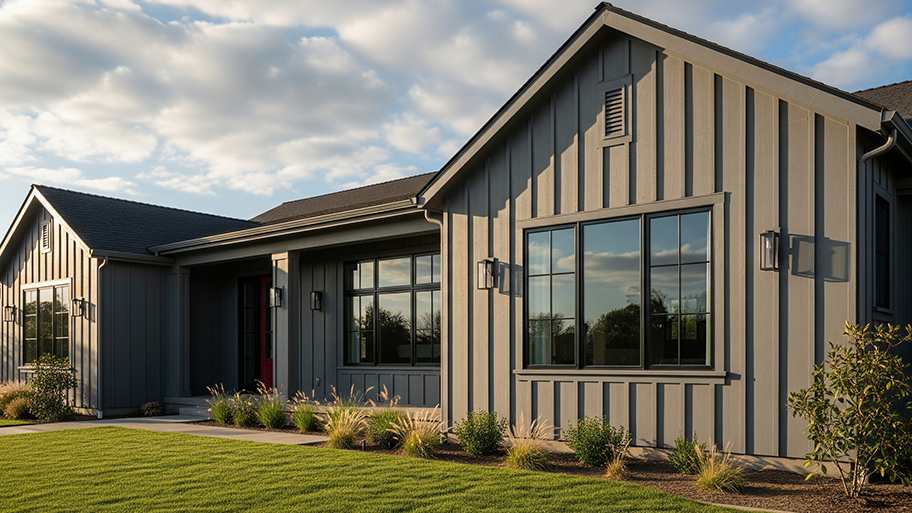
How much does board and batten siding cost? Our cost guide breaks down material and labor costs and offers tips to save money on your new siding.
Don’t deck yourself out with a solid ledger

Understanding the ledger board definition helps you recognize its role as the horizontal lumber that secures your deck to your home's framing.
Pressure-treated lumber resists rot and insects for your ledger board, while cedar and redwood heartwood offer natural durability at higher upfront costs.
Check your ledger board for cracks, soft spots, insect damage, and rust on fasteners to catch small issues before they become major problems.
Hiring a local deck building professional ensures proper ledger board installation with correct fasteners and flashing, keeping your deck safely attached to your home.
Imagine this: it’s a warm summer day, and you’re outside on your deck putting your grill to good use. The smoke’s rising, the ice is melting in your drink, and the only thing on your mind is how soon to flip a patty for a well-done burger. Meanwhile, the one thing keeping your deck from tearing away from your house is working a lot harder than it looks. The ledger board isn’t flashy, but if it’s not installed right, the whole cookout could end with a story you’d rather not tell. Let’s break down why the ledger board is one piece of wood that matters more than most homeowners realize—and what it takes to get it right.

A ledger board is the horizontal piece of lumber that physically connects your deck to the house. It’s what makes an attached deck actually attached. This board is one of the most important parts of a deck because it supports the end closest to your home. Ledger boards are mounted directly to the home’s framing—not just the siding—using structural bolts or screws that have to meet your local building codes. Once secured, the joists, which run perpendicular to the ledger, are attached using metal brackets called joist hangers. This setup forms the backbone of the deck’s load-bearing structure.
Here’s how the load path works: when weight hits the deck—whether it’s people, furniture, or anything else—it moves through the decking, into the joists, and then into the ledger board. From there, the load transfers into the house’s framing (typically through the rim joist behind the siding) and ultimately down to the foundation. That’s how the entire structure stays stable and secure.
Because the ledger supports the end of the deck closest to the home and transfers all that weight to the house itself, installation matters a lot. The fasteners used, their size and spacing, and the tightness of their fit must all meet code requirements. In short, the ledger board isn’t just another piece of lumber you use in building your deck. If it fails, the entire deck system can fail as well.

An attached deck is connected directly to your house using a ledger board and relies on your home’s structure for support on one side. This setup usually means fewer footings and less lumber, making it more budget-friendly. A floating deck, on the other hand, stands completely on its own with posts and beams supporting all sides—no connection to the house required. They’re more versatile in placement, which is great if you’re building near a pool or further out in the yard, but often more expensive. The choice boils down to whether you want the deck connected to your house or as a separate structure, plus considerations such as your home’s condition and local building requirements.
Not all wood is up for the job of being a ledger board. Since this board takes on both structural responsibility and constant exposure to the elements, you need wood that can handle the elements without rotting, warping, or inviting insects to move in.
Pressure-treated lumber is the standard for many deck builders, thanks to its durability and affordability. It’s typically made from softwoods, such as Southern Yellow Pine, and infused with preservatives that fight off rot and bugs. But watch out for corrosion. This wood can eat through regular fasteners over time, so always use hot-dipped galvanized or stainless steel hardware.
Redwood and cedar heartwood are popular options if you’re going for a naturally durable, untreated look. These species hold up well against decay and insects, though they cost more and usually need sealing to stay sharp. Redwood heartwood is denser and longer-lasting, while cedar is easier to handle and lighter in weight. Either way, make sure you’re getting true heartwood, not sapwood. The inner core of heartwood is what delivers that long-term resistance.

Building a deck that feels solid under your feet starts with getting the ledger board right. Again, this isn’t just a piece of lumber. It’s a structural bridge between your house and your deck. Choose wrong, and you’ll deal with warping, rotting, or worse: a deck that pulls away from the house. Here’s what to consider before you start bolting anything to your home.
You want a ledger board that’ll hold up for years, not crumble at the first sign of moisture or bugs. Pressure-treated lumber is a common choice because it’s affordable and chemically treated to resist rot and pests. If your budget allows, naturally durable woods like redwood or cedar heartwood offer a cleaner look and don’t rely on treatment. Avoid untreated pine or leftover composite. Your ledger board carries real structural weight and needs to stand up to the elements.
Cost depends mostly on the material you choose. Pressure-treated wood is the most budget-friendly and easiest to find. Cedar and redwood cost more up front but can reduce maintenance later, especially in wet climates. Engineered wood, like LVLs (laminated veneer lumber), adds strength and durability, but it isn’t always necessary for a typical backyard deck. Shirking on costs here can mean spending more on deck repairs or replacements later.
Even if your ledger isn’t touching the ground, it’s still exposed to rain, snow, and moisture from the air. That’s why ground-contact-rated lumber (UC4A) is the smarter choice, especially if you’re in a region that sees a lot of humidity or precipitation. Above-grade-rated boards (UC3B) may technically pass, but they’re less resistant to long-term moisture exposure. It’s worth going with the higher durability rating to protect your deck.
The size of the ledger board needs to match your deck plans. If your joists are 2x10s, the ledger should also be a 2x10. Anything smaller weakens the connection and puts your deck at risk. Most building codes spell out what size to use based on the deck’s design and load, so confirm these details before cutting or ordering materials.
Your local building department isn’t making suggestions—they’re setting the rules. Deck building codes specify approved wood types, fasteners such as hot-dipped galvanized or stainless steel bolts, and the exact spacing needed for those fasteners. Codes exist for a reason: to make sure your deck is safe and strong. Failing to follow your local building codes can lead to more than just a failed inspection.
The ledger board doesn’t get much attention once the deck is built, but it should. This one piece of lumber is doing a heavy structural job, and that’s why it’s highly recommended to hire a professional deck builder from the beginning. If your ledger board fails, your deck could go with it.
Deck maintenance starts with quality installation—including proper deck flashing, hardware, and spacing—and continues with routine checkups. Even if everything was done right from the start, weather, moisture, and time can eventually take their toll. The goal is to catch small issues before they become bigger problems.
Perform Inspections: Check for cracks, soft spots, insect damage, or any sign of rot, especially near the fasteners and joist hangers.
Check Fasteners: Ensure bolts, screws, and hangers are tight and corrosion-free. Replace anything rusted or missing with rated hardware.
Inspect Flashing: Look for gaps, tears, or loose flashing that could let water sneak behind the ledger. Repair it quickly to keep moisture out.
Manage Drainage: Keep gutters and downspouts clear, and ensure water flows away from the house—not toward the ledger.
Clean Regularly: Clear out leaves, dirt, and debris that can hold moisture against the wood and speed up decay.
If you spot anything that feels off or outside your comfort zone, bring in a professional. Ledger boards aren’t a place to guess or wing it. Handling its issues isn't a quick weekend DIY fix either. Staying on top of maintenance—and knowing when to hand it off—keeps your deck safe, sturdy, and stress-free for the long haul.
One of my old tall evergreen trees was suddenly leaning toward the busy street in front of my house. I submitted a request for an emergency tree inspection, and Alejandro, owner of Cajete Tree Service, contacted me immediately and arrived to look at it just 20 minutes later. We agreed the...
 Cajete Tree Service LLC
Mitchell and the crew were top tier i am so happy with my new roof
 Home Genius Exteriors
1 tree was cut down and 5 others including a large willow tree were trimmed. The Grant Tree Service men were professional and cleaned up afterwards. The cost of the 6 trees were affordable. I am very happy with the results. I would hire them again.
 Grants Tree Service
Archie did a good job cleaning up the driveway before he laid down the sealer. It looks good. He was gracious and even helped me bring up my groceries. His rate was comparable to another company who came out to give me a quote and he talked to me personally rather than just text me a quote...
 Pro Seal Roofing & Paving
We have bought and sold numerous times over the past 50 years. Sherman Hall and Top Line are top notch. Thorough and detailed, he explains every possibility, probability, and eventuality. High class and pleasant. The best.
 Top Line Home Inspections, LLC
D1 Roofing delivers outstanding service from beginning to end, backed by a strong warranty and expert teams. I highly recommend them for their excellence in meeting and surpassing expectations with unmatched communication. Choosing D1 Roofing was flawless decision
 Division 1 Roofing LLC
Supreme Brick & Chimney did an excellent job restoring the brick and mortar joints on my home. Their team was professional, knowledgeable, and completed the work on time. I highly recommend them and will hire them again in the future! Thanks!
 Supreme brick & chimney
Window Depot did an amazing job on my deck. I wasnt sure what I wanted to do, but their composite decking was affordable and will last a long time. I am excited to have family over, and I am no longer embarrassed by my backyard. Jeff and the ground crew were polite, respectful, and caring for...
 Window Depot USA of Central Ohio
We were having 2”x 2” tile installed . There was a small installation error and the new additional replacement tile was from a different lot and the colors didn’t match. Joe assured us that he would rectify everything , which he did without hesitation. We decided to go with the 18” x 36” tile...
 CarifaTile
Maple Tree Service should serve as a mentor for other business! Customer service was superior and beyond expectation. Response to request was prompt. The representative was very courteous and proud of the company. Quote was given during initial visit and work date established. A follow up...
 Maplewood Tree Service
From average costs to expert advice, get all the answers you need to get your job done.
How much does board and batten siding cost? Our cost guide breaks down material and labor costs and offers tips to save money on your new siding.
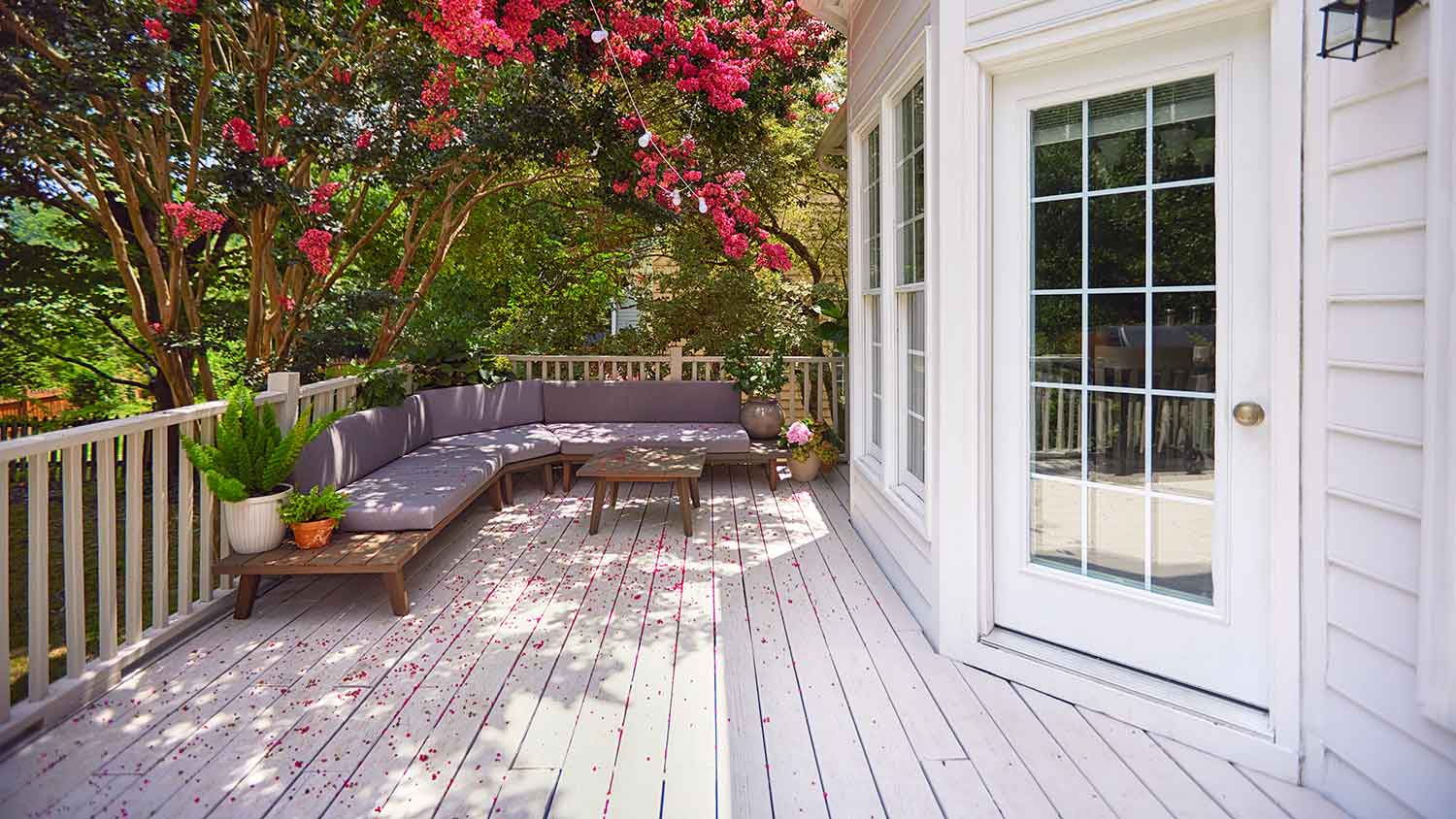
Your new deck will be a welcomed outdoor living space. But what is deck flashing, and why do you need it? We discuss this important aspect of deck building.
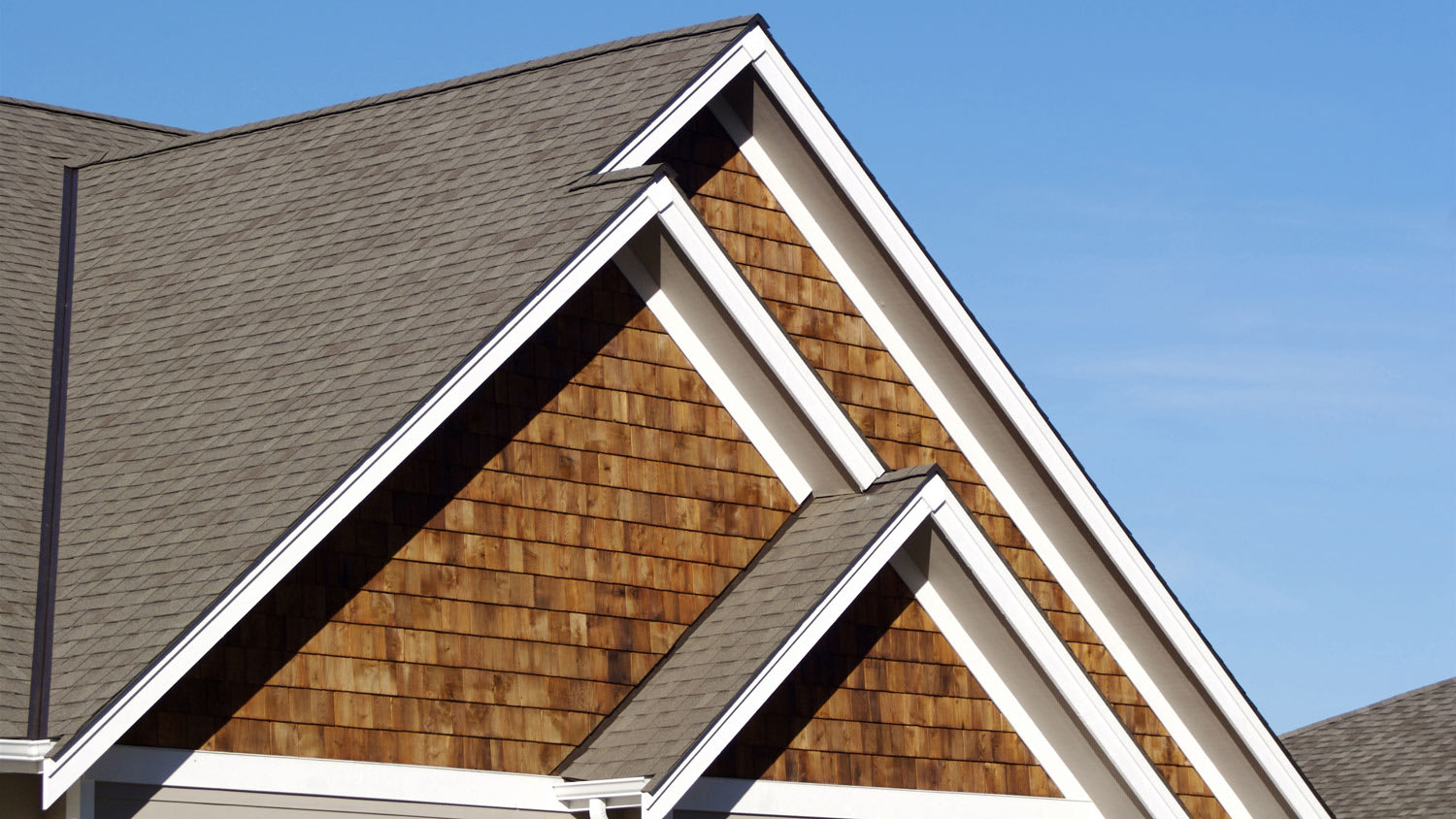
Choosing the right frieze board size is a minor but very important detail. Learn what frieze board dimensions you need to elevate your home’s exterior.
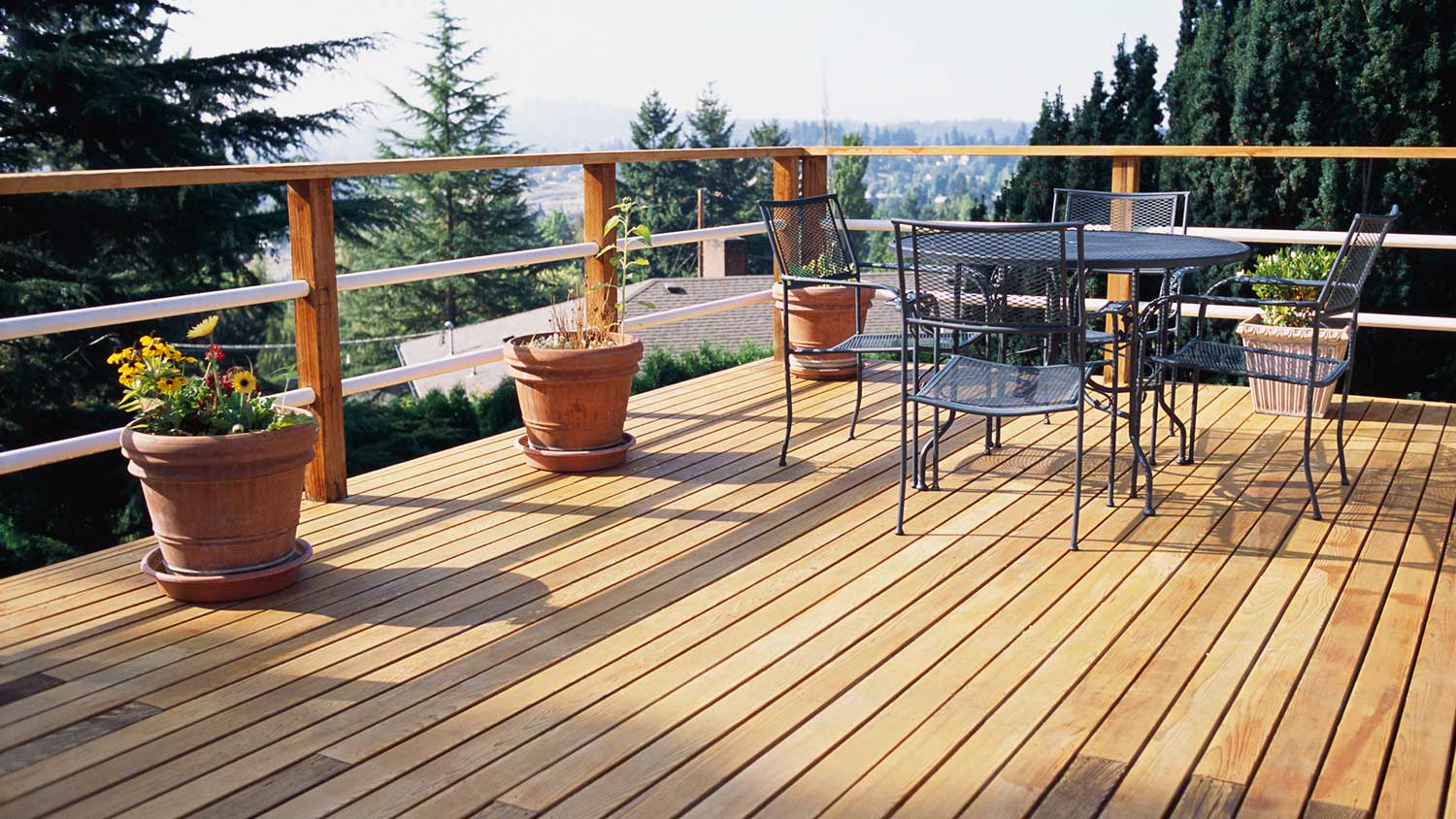
It's important to know the right terminology when taking on the task of staining your deck. Take a look at the deck maintenance terms every homeowner should know.
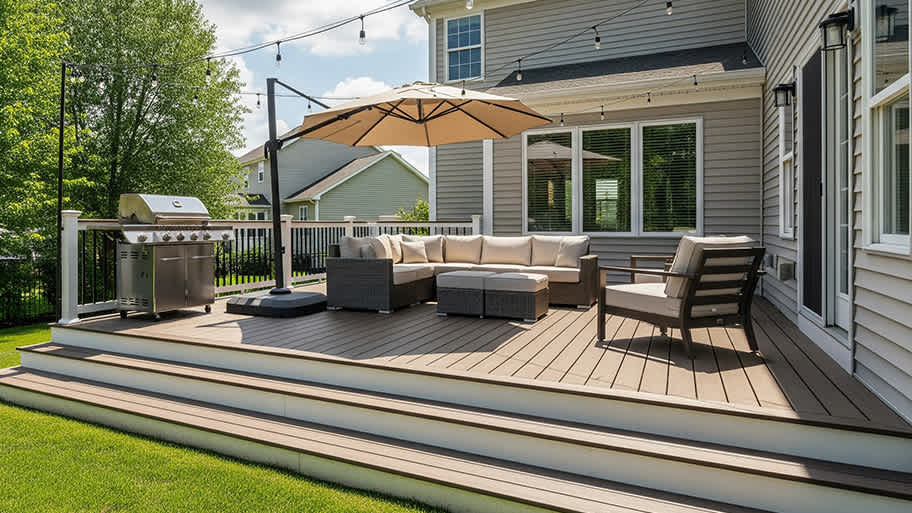
You might know about deck boards and railings, but what are the other parts of a deck? Here are the parts you should know before you build a new deck.
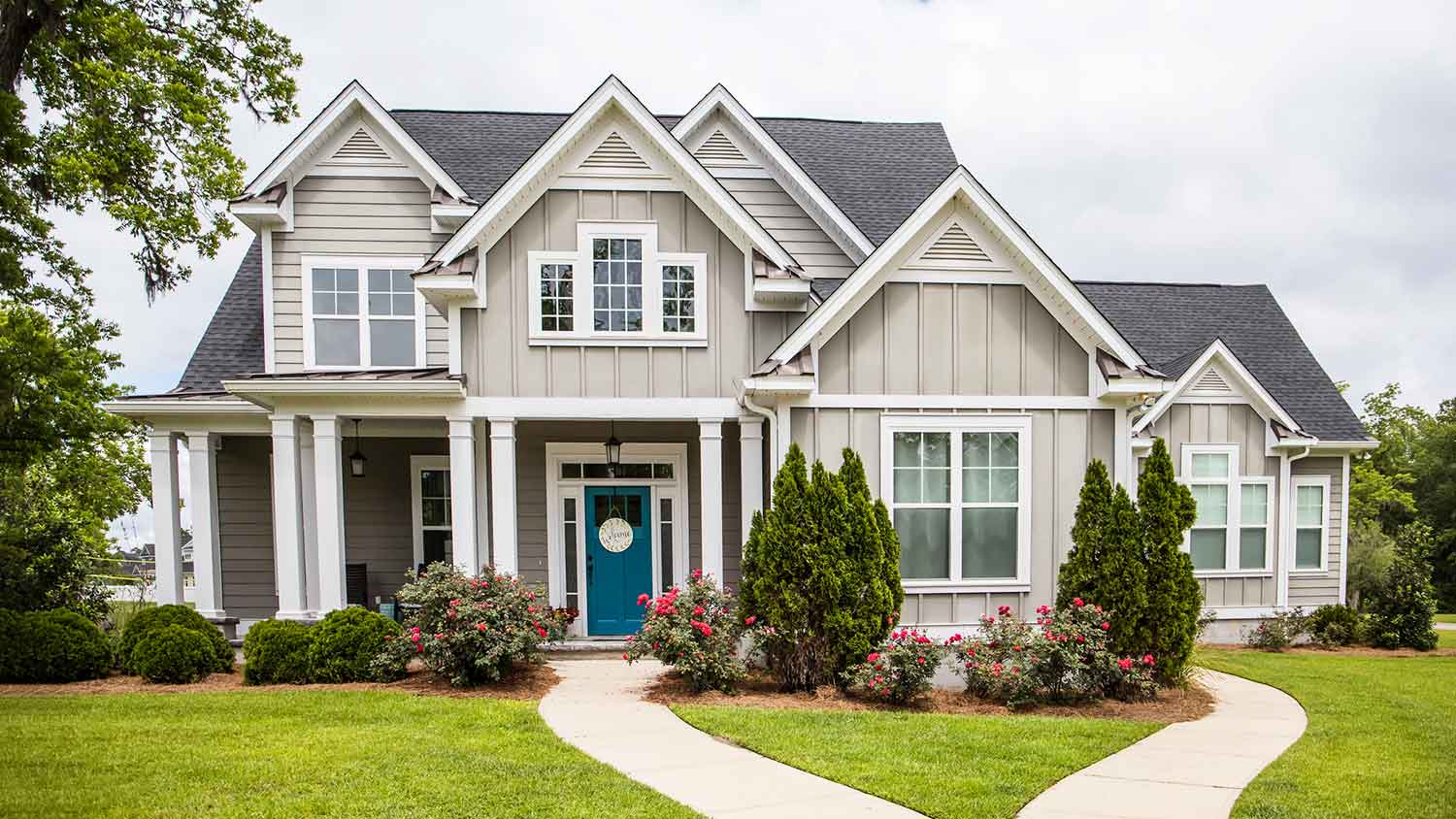
Board and batten sidings have made their way from traditional barns to modern designs with their flexibility, durability, and timeless aesthetics.