
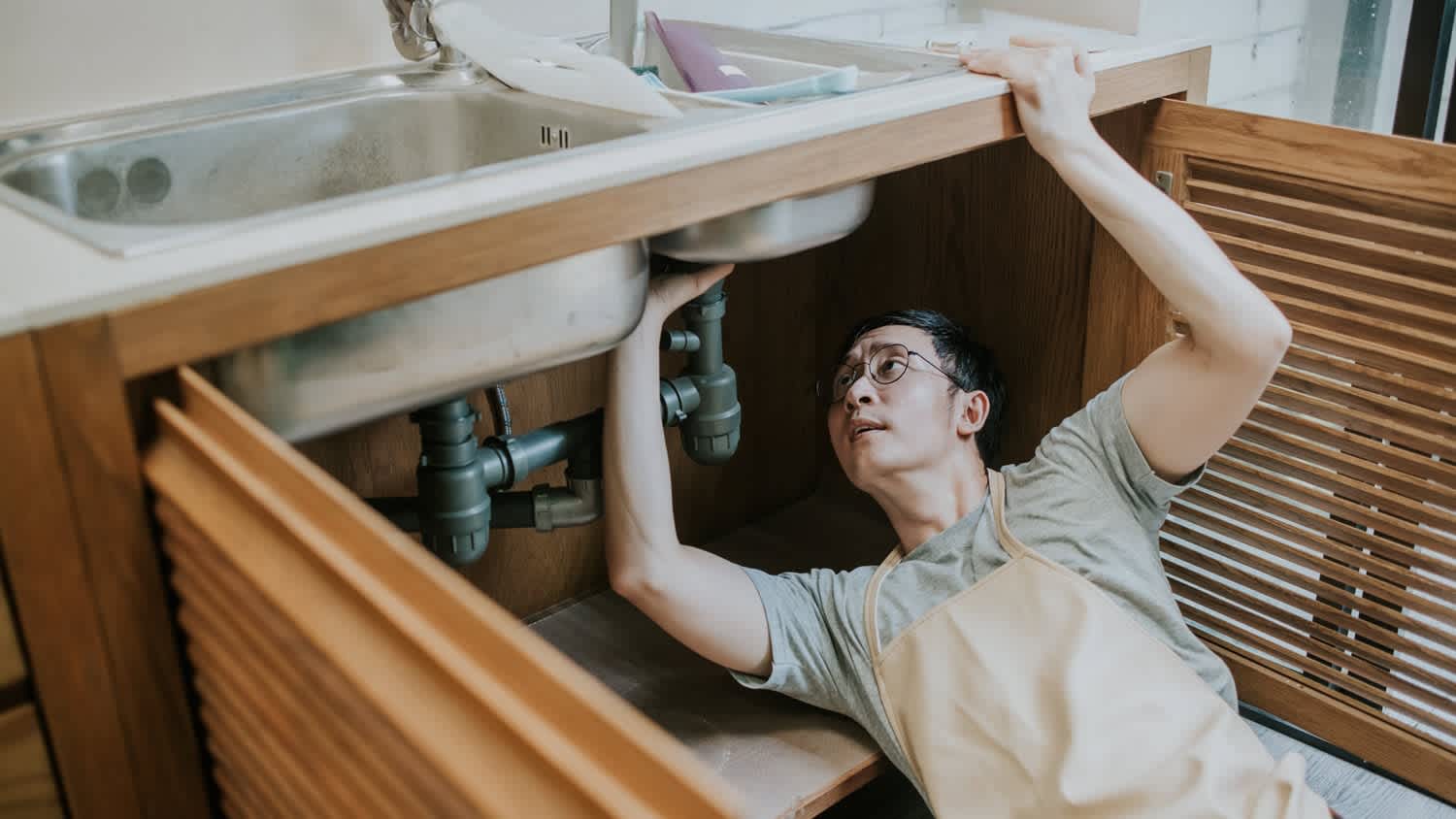
Your cost to install an under-sink water filter will depend on the type and size of system you choose and whether you need professional installation.
Which one is better for drinking? Filtered water or distilled water?

Filtered water and distilled water both remove contaminants, but distilled water removes everything including healthy minerals while filtered water keeps beneficial nutrients.
Whole-house water filtration systems cost $200 to $6,000, while water distillers range from $300 to $7,000, with filtration offering better value for daily use.
Your choice between filtered and distilled water depends on your needs: filtered water suits daily drinking and cooking, while distilled water works for specific uses like canning.
Hiring a local water specialist helps you choose the right system for your home, ensuring proper installation and matching your water quality needs with the best solution.
Generally, it’s not a good idea to drink directly from your water taps. Most cities have hard water flowing through the pipe. The same water also often contains impurities and harmful chemicals. Therefore, many have looked into water purification systems. However, while filtered water and distilled water both remove contaminants and impurities from the water, they are not exactly the same. Knowing the key differences between the two will help you live healthier with the proper water purification system.
While both can be called purified water, filtered water, and distilled water differ from each other on quite a few aspects, including:
Water content
Purification method
Purification speed or time consumed
Equipment cost
Taste
The table below provides a general summary of the key differences between the two.
| Differences | Filtered Water | Distilled Water |
|---|---|---|
| Content Removed | Contaminants and impurities | Everything |
| Purification Method | Filtration systems | Water distillers |
| Purification Time | Minimal | 45+ minutes |
| Equipment Cost | More affordable | Expensive |
| Taste | Natural | Flat |
| Usage | For daily usage | For lab purposes |

Distilled water is made using a process that removes everything from the water. Filtered water is made using a process that, depending on the technology in the filter you choose, only removes specific chemicals, minerals, impurities, and pollutants from the water.
When someone uses the term “purified water,” they are most likely referring to filtered water. Most water filtration systems remove lead, chlorine, bacteria, calcium, minerals, salt, and carcinogens from the water supply.
However, filtered water retains microorganisms and dissolved oxygen in the water source.
Water distillation removes everything from the water supply, leaving it completely empty. While distilled water is 100% free of contaminants, it also loses all healthy, natural minerals and dissolved oxygen. Distillation is also the only way to completely remove microorganisms from your water supply.
The process and system used are the main differences between filtered water and distilled water. Filtered water uses a water purification system, which can be a whole-house system or a partial system. Meanwhile, Water distillers are standalone equipment not connected to your plumbing system.

The three most common water purification systems are reverse osmosis systems, water softeners, and water filtration systems.
Reverse osmosis is the most expensive house water purification system and costs $12,000 to $18,000 with installation included. Reverse osmosis also creates the most wastewater, which can be a heavy burden on your utility bill.
Water softeners cost $1,500 on average, though it ranges between $200 and $6,000, mainly depending on your home’s size. Other filtration systems include carbon filters, sediment filters, mechanical filters, and UV filters.
While most water filtration systems are whole-house systems, water distillers often come in a set capacity. For example, a high-capacity house distiller can process 42 gallons of water a day. Other common capacities include 5 gallons, 8 gallons, and 12 gallons.
On average, it takes 45 minutes or more for a full round of distillation, limiting how much distilled water you can use daily. There may also be times that you have to wait for the water tank to fill back up.
An affordable countertop water distiller with a lower capacity costs $300 to $500, whereas a larger automatic unit starts at around $1,300 with some models costing $7,000 or more. A local water specialist can answer any questions you may have about these systems.
Filtered water and distilled water are suitable for different purposes. This is mainly because the different water content determines what benefits and concerns each comes with.
Look for an NSF rating on your water treatment device. These ratings come from the National Sanitation Foundation and give you more detail about what a product does. An NSF seal also means that the product has been tested and certified safe with proper use.

Filtered water is most suitable for daily consumption as cooking water, drinking water, or for showering purposes. Many people also prefer the taste of filtered water over unfiltered tap water. Plus, a water filter allows you to spend less money and waste less plastic as opposed to buying water bottles every week.
However, water filters do not remove hard water minerals. If you are concerned about hard water stains in your water fixtures and plumbing systems, you should consider installing a whole-house water softener so that filtered water runs through your household.

Distilled water is great for pickling or canning, plant propagation, or other scenarios that require a highly sanitized water source. However, we do not recommend you drink distilled water regularly.
The distillation process removes healthy nutrients and minerals from the water. As a result, drinking distilled water regularly can cause certain health problems, such as tooth decay due to a lack of fluoride in the water. Distilled water can also alter your body’s pH level and cause excessive acid exposure, known as acidosis.
The only time you should use distilled water as drinking water is if you have a compromised immune system. Even then, you should still make up for the missing nutrients with supplements to keep yourself balanced.
Overall, water distilling has more restrictions and is far more time-consuming. The process also has a stricter sanitation requirement, resulting in a higher maintenance demand, as contaminated equipment will cause the process to fail. In comparison, a water filtration system is less restrictive and more manageable.
Also, the distillation rate is approximately 5:1, meaning it takes about 5 gallons of tap water to produce one gallon of distilled water, let alone the high energy volume required to power a water distiller. Therefore, water distillation can put a heavy burden on your utility bills and inevitably comes with high waste.
If you’re good people wanting to do business with good people, hire Matt. He is a consummate professional and utterly competent. He installed a water heater in my home at a price that beat competitors by hundreds of dollars with a promise to support the unit for its life (even after its 6 yr...
 Greene's Plumbing Services
As usual with ECO, tech Jordan was outstanding, very professional, very knowledgeable, and very thorough with repairs made to tankless water heaters. Very highly recommend ECO!!!
 Eco Plumbers, Electricians, and HVAC Technicians
Did a great job replacing the ice maker and water regulator on my refrigerator. He was quick and thorough, very friendly and professional. If I needed a heart transplant I'd want him to do it!!!
We had a gutter blockage that was causing water to sheet down the side of the house and ultimately it started to come in at a window (need mortar people next). Called around 7:30am, and he responded by 8am. He was able to come out the same morning and do a look over and clean out. He also...
Scott checked our large crawl space for mold and water infiltration and recommended a viable solution. The crew was efficient and they cleaned up well after the job. The job was expensive but I am confident that I won't have to deal with the problem again. Highly recommend.
 AdvantaClean of Dublin
They were the most through inspecting the water system in my house. Even going the extra mile to get the water professionally tested for contamination.
 Hague Water Conditioning, Inc.
It went very well. The drain is absorbing all the access water. I had other estimates a year earlier and Hughes was right on. I will use them, again.
 Hughes Construction Co
Very well. Have already used them again to fix hot water heater
 Service Olympians
The Paul Davis team was very professional and went the extra mile to take care of my water damage. The work was very high quality and done in a timely manner. I would highly recommend their services.
 Paul Davis Restoration
Honesty is hard to find in business today. GBR met me today at a 3 story building regarding my being told that I needed to tuckpoint the brick because of water leaks. The owners took the time to evaluate the situation and advised me that I did not need their service at all. They pointed me...
 GBR Masonry Inc
From average costs to expert advice, get all the answers you need to get your job done.
Your cost to install an under-sink water filter will depend on the type and size of system you choose and whether you need professional installation.
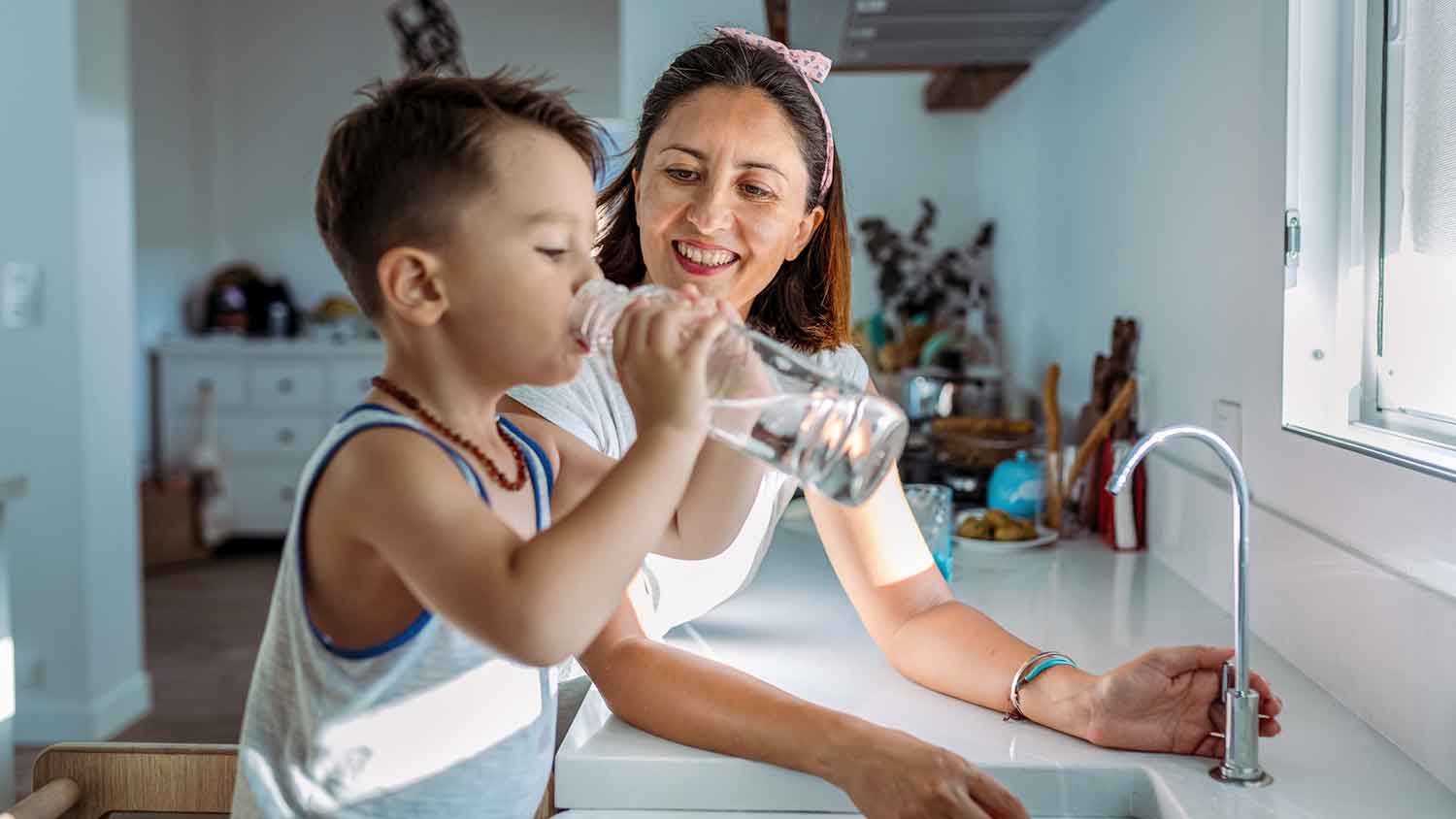
Though distilled water is a type of purified water, there are a few differences. Stay tuned to learn more about these water types.

Distilled water is one of the purest forms of water you can have in your home, but what is distilled water exactly? Keep reading to find out more.
From activated carbon to reverse osmosis, there are many types of water filters on the market today. Here are 10 of the most popular options.
Discover the key differences between a water filter versus water purifier. Find out which option is best for your household's water needs.
Water softeners and filters might sound similar, but they serve different purposes. Here’s what to know when comparing a water softener versus a water filter.