
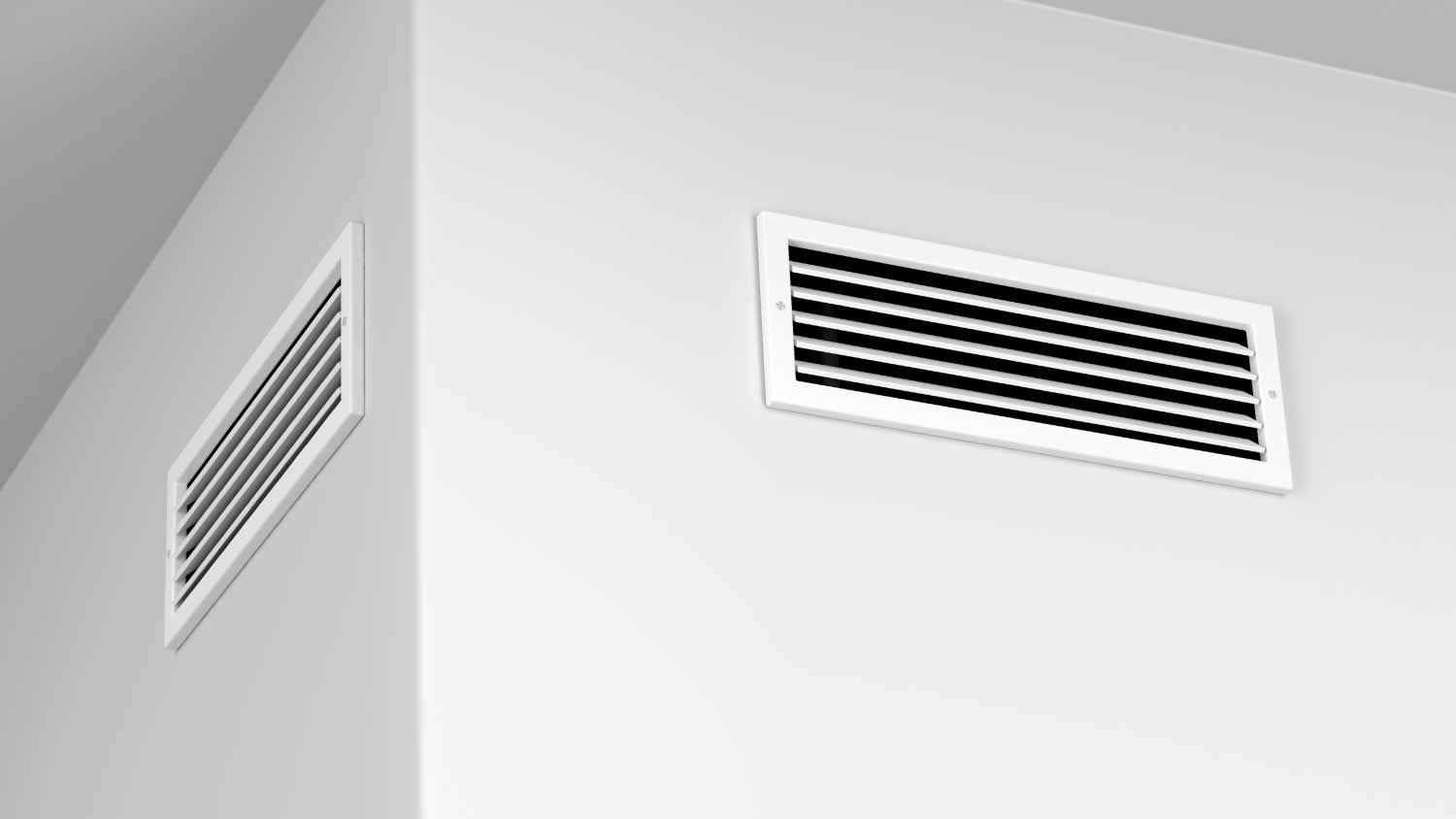
Curious about how much it will cost to add a return air vent? Our guide will help you discover the cost factors and ways to save on this project.
Forced air? Why not go with the flow?

Return air vents pull air back to your HVAC system to complete the circulation loop, keeping your home evenly pressurized and comfortable.
Blocked return vents force your system to draw in dirty outdoor air, which increases wear on parts and can lead to moisture problems.
You can improve airflow by adding jump ducts, undercutting bedroom doors, or installing direct returns that tap into your existing ductwork.
Hiring a local duct installing professional ensures proper airflow balance and helps you avoid pressure issues or temperature differences throughout your home.
It’s easy to understand what a return air vent is, and it’s important to know about its role in your HVAC system. Return air vents draw in air and return it to your home’s heating and cooling system. They’re a vital part of your home’s ductwork, keeping your home comfortable and evenly pressurized. Learn how these vents work, what you need to watch out for, and what to do if you notice a problem.
Think of your home’s central heating or cooling system as a closed loop. The air handler holds the furnace, which heats the air. The blower pushes this warmed air toward the living areas. The supply vents release the warmed air into the rooms of your home, and the return vents suck it back in, sending it back to the air handler to start the process all over again. The same applies to central cooling. Without a return vent, the loop can’t close.
The difference between return vents and supply vents is the direction of airflow. In fact, this is how you tell the difference between a supply vent and a return vent: Hold your hand or a piece of paper in front of the vent. If you see or feel air blowing out, that’s a supply vent. If you feel suction, that’s a return vent.
Without return air vents, what would happen to the air in your home? That warmed or cooled air, sent to each room in your home, would stay put, and more air would be added each time you turned the HVAC system on. Air pressure would eventually build and build without a vent to release it. Return air vents let the air circulate and keep the pressure stable. But they have other important jobs, too:
Maintain temperature: Return air vents draw air back to the furnace or evaporator so that it can be heated or cooled as necessary.
Maintain pressure: Without a return air vent, you wouldn’t be able to maintain neutral air pressure.
Maintain cleanliness: Return air vents bring the recycled air through an air filter before it’s released into the home again, keeping dust and dander out of the air for cleaner, fresher air in your home.
Maintain efficiency: Properly operating return air vents keeps your heating and cooling system working efficiently, which helps lower your utility costs.

The location of your return air vents often depends on the age of your home. For older homes, there might be just one cold air return located near the center of the home; newer homes usually have multiple air return vents, sometimes one in each room. Either way, the best spot for an air return vent is on an interior wall, away from the supply register. They can be placed near the floor or up near the ceiling; lower is better for returning cold air since it sinks, and higher is better for warm air since it rises.
Return air vents are often pretty large, or at least larger than the supply vents; you can explore creative ways to hide ductwork if you find the standard-issue metal grille unattractive.
No matter where your return air vent is located, make sure it isn’t blocked. You may have heard that it’s smart to close vents in unused rooms, but it can actually affect the performance of your HVAC system—and not in a good way! There are several reasons you really don’t want to close off your return vents.
First of all, consider what happens if you block the return air vents: You prevent the air from, you know, returning. That will force your HVAC system to draw new air from wherever it can find it, including the dirty, dusty outdoor air, which might be drastically warmer or cooler than the temperature you’d like to keep your home.
Secondly, reduced airflow can lead to a number of problems with your system, including:
Excess wear and tear on your system’s parts
Increased pressure on your air ducts
Moisture, mold, and mildew that can reduce air quality and affect your health
Carbon monoxide leaks that can be dangerous and even fatal
Instead of trying to close off your forced air return, make sure the vent is clean, clear, and unobstructed. Move furniture or decor away from the vent, too. With the average cost of air duct cleaning sitting at about 25 cents per square foot, it could be pretty smart to have your ductwork professionally cleaned while you’re at it.
If you’re missing a return air vent or you don’t have enough return air vents for your heating system or square footage, you’ll probably notice it. There might be wide differences in temperature in different parts of your home or noticeable changes in airflow. Your HVAC system might break down more than it should, and you may even notice condensation or damage on your air ducts. (If that’s the case, make sure you know how to stop condensation on air vents so you avoid moisture problems.)
To fix the reduced airflow, you have a few options. You can try to add jump ducts or jumper vents to your existing system. These are short, flexible ducts that can improve airflow, especially in bedrooms where doors are often closed. Or, you could “undercut” the bedroom doors, which allows air to flow back to the home’s main air return vent. Finally, you could install direct returns, which would tap into your existing ductwork.
If you’re good people wanting to do business with good people, hire Matt. He is a consummate professional and utterly competent. He installed a water heater in my home at a price that beat competitors by hundreds of dollars with a promise to support the unit for its life (even after its 6 yr...
 Greene's Plumbing Services
Corey Carr was great. I had damage from a recent storm and needed to have my mast and other components replaced. The project entailed coordinating with AEP, and Corey helped make a stressful situation a lot less stressful. I really appreciated his dedication to service and the job very well done.
 Mr. Electric of Columbus
This service was great. My air conditioner went out during the heat spell that we had. My husband has health issues and they came out that night and at 9:30pm the air conditioner was fixed and running. We are sooo very thankful, this is the company I will be using from now on and would...
 Mr. Mechanical Ohio
I normally do not leave reviews, but my experience with Worthington Air was extremely frustrating and disappointing. About 30 days ago, I had a consultation done for an HVAC replacement and was quoted approximately $15,079. Based on that quote, I applied for financing through their company...
 ARS Columbus Worthington Air
Great company! Price was competitive, technician showed up on time and completed the job (exterior electric Radon fan replacement) quickly. Would hire them again.
 MaGen Property Inspections and Radon Mitigation
Raven and crew does absolutely fantastic job. They are very professional if any concerns were to occur with any of her work she always took responsibility and finished out with a great job. I have worked with her business for a year and have always been satisfied. Very trusted business and...
 Creations of Transformation LLC
I would recommend this company to anyone! He showed up on time, was friendly, completed a very difficult repair on our dryer vent cover, was responsive, and pricing was extremely fair and competitive. I would have him back to do any of our repairs or cleanings without hesitation!
 U.S.A. Dryer Vent, LLC
Ace Fireplace Services' chimney sweep service is truly exceptional. They used advanced technology to ensure a thorough cleaning process, and my chimney has never looked better. I highly recommend their services.
 Ace Fireplace Services
The technician was very professional and friendly. He answered all my questions and was very thorough. He left the fireplace area very clean . He inspected from the roof and advised me as to other work that might need to be done. There was no pressure there. I was very satisfied with the...
 Supreme brick & chimney
On time, clean and finished fast. Windows seem sturdy and the finish is good. Caulking was done with no smudges. Would recommend.
 Window Depot USA of Central Ohio
From average costs to expert advice, get all the answers you need to get your job done.
Curious about how much it will cost to add a return air vent? Our guide will help you discover the cost factors and ways to save on this project.

Our guide looks at whether return air vents can be on the floor, how to spot one, and what causes air vents to stop working.
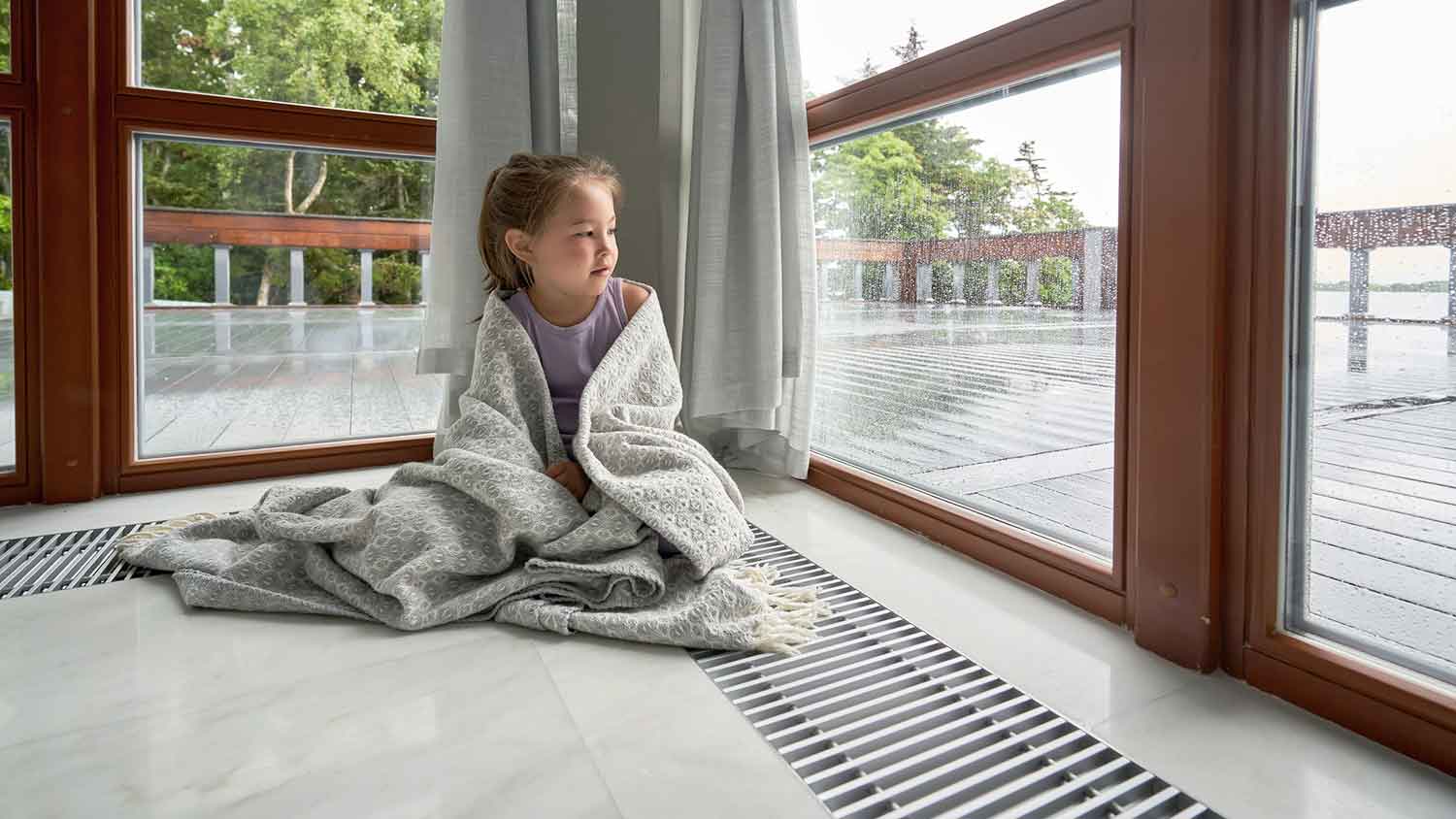
How do you know which vent is return air versus supply air? Learn how to tell your HVAC vents apart with our easy guide.
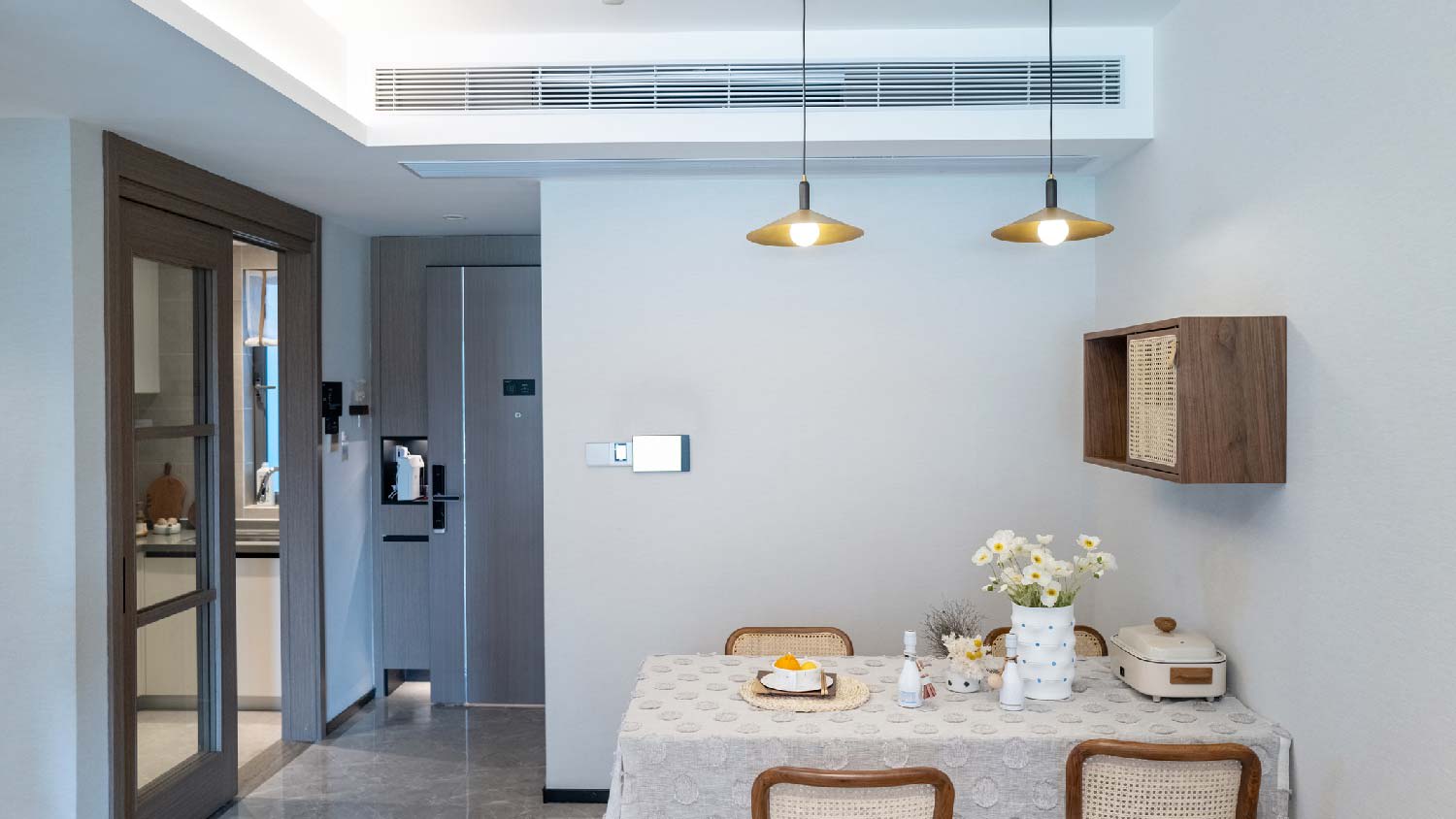
Your home’s vent placement matters, so where should return air vents be located? We discuss what factors impact your return vent’s performance.

Return vents help your HVAC system work to ensure your home maintains its desired temperature and air quality. How many return vents you need depends on your home.

Dusty return air vents can wear out an HVAC system. Learn answers to why is my return air vent so dirty, plus ways to prevent dirty return air vents.