
Curious about how much it will cost to add a return air vent? Our guide will help you discover the cost factors and ways to save on this project.
Better air circulation and air quality start with the correct placement

Return air vents work best in central rooms, like family rooms, to pull air efficiently from your home into the HVAC system.
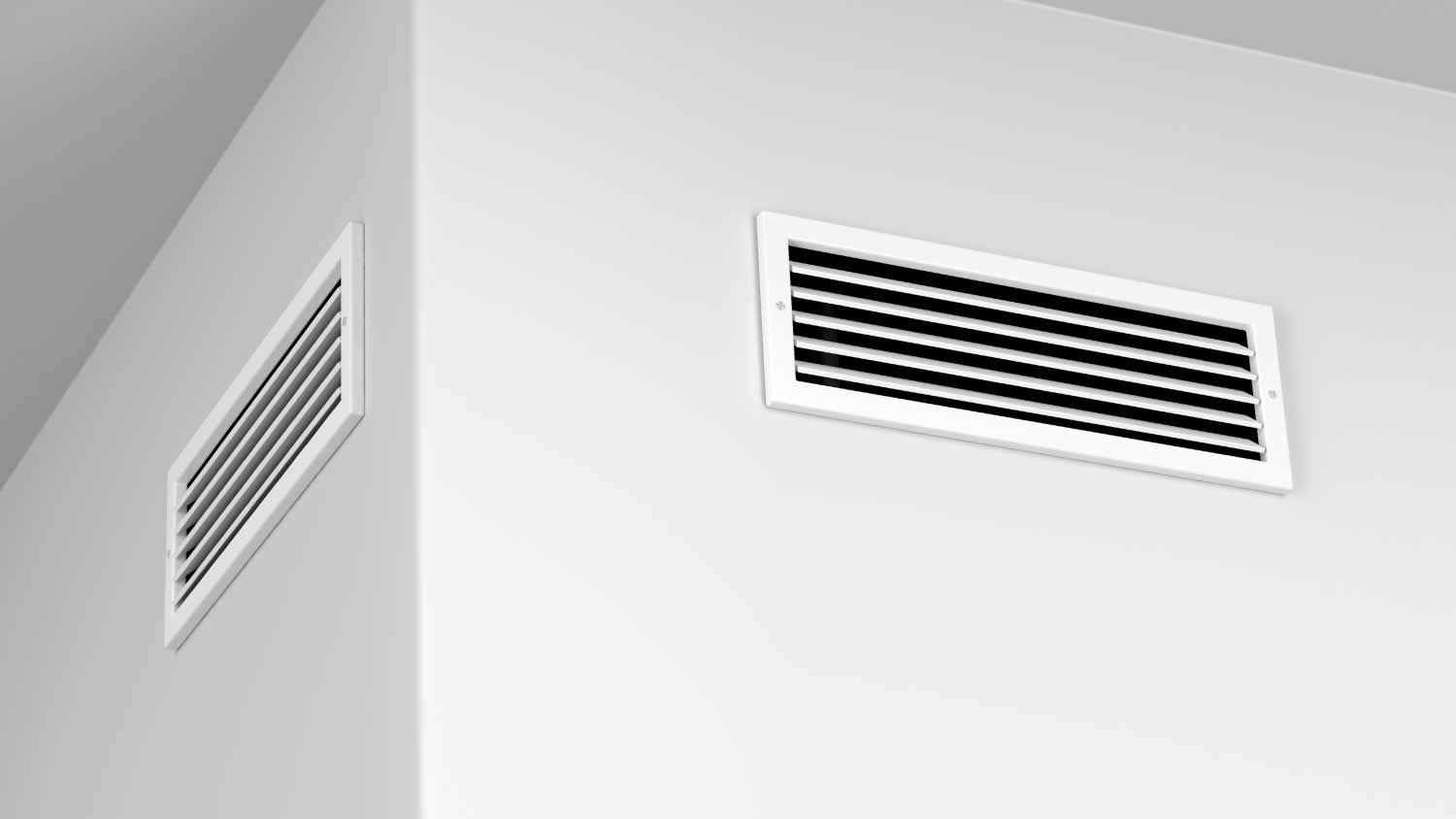
Your cold air return vents should sit lower on walls or floors, while heated air return vents belong near ceilings to match how air naturally moves.
Poorly placed return vents create hot and cold spots, whistling sounds, low airflow from supply vents, high energy bills, and condensation when your AC runs.
Hiring a local duct installer ensures proper vent placement and balances your system, preventing inefficiencies and keeping your home comfortable year-round.
If you’re building a new home, upgrading your heating and cooling system, or even just noticing some issues with your current HVAC setup, you may have some questions about return vents. Correctly positioning these vents is crucial for maintaining a comfortable and energy-efficient indoor environment. Let’s dig into what these vents are, how they work, and the factors influencing their placement in your home.
Return air vents are an essential component of your HVAC system. They play a vital role in maintaining indoor air quality and temperature control. These vents collect the air from your living spaces, which contains dust, allergens, and temperature differences, and recycle—or “return” it—through the HVAC system for conditioning.
These vents work well at creating a continuous circulation of air. When the HVAC system is operational, it draws in the air from various rooms in your home through these vents. This air then passes through filters to remove impurities before it is either heated or cooled and redistributed through the supply vents. Proper installation of return air vents is crucial to ensure this process is efficient and effective.
If your house isn't cooling down or heating up like it used to, before calling in a pro for air duct maintenance, make sure all your vents and return vents are open and unobstructed.

Return vents should be located in centralized rooms, such as larger living spaces or family rooms. These central locations allow return vents to efficiently pull air from the house and into the system. In most cases, you'll find return air vents located on a wall instead of the floor or ceiling.
Several factors come into play when deciding where to position return air vents in your home. Let's take a closer look at these considerations.
Your HVAC system’s supply vents release conditioned air, whether heated or cooled, into your rooms. The placement of your supply vents greatly influences the positioning of return air vents. After all, you don’t want your wonderfully conditioned air to be sucked out of the room before it can even impact the room’s temperature. Balancing air distribution is critical to maintaining consistent comfort throughout your home.
The placement of your return air vents is closely tied to the location of your ductwork. The strategic positioning of return vents depends on the accessibility and layout of ducts, which is why return ducts in many homes are located on the ceiling. This is because the attic is a commonly used space to house air ducts so that the ductwork is hidden. The return vent on the ceiling places the vent closer to an appropriate duct.
Proper coordination ensures that the vents efficiently capture and recirculate air, maintaining indoor comfort. To optimize your HVAC system's performance, it's essential to consider both return vent and ductwork placement in tandem.
The climate in your region also plays a role. In colder climates, you should position return air vents near windows or exterior walls to capture cold air, pull it out of the room, and have it heated. In contrast, capturing hot air near the ceiling might be more critical in warmer climates.
The layout of your home certainly matters regarding the location of return air vents. You won’t want to cover up these vents with pictures, furniture, or area rugs, so choosing an inconspicuous location is best. In addition, open floor plans may require fewer return air vents overall, while homes with many separate rooms might benefit from a higher number of return vents.
Homes with high ceilings require special consideration when placing return air vents. Because warm air rises, it tends to accumulate near the ceiling in these spaces. To maintain an even temperature throughout the room, return air vents should ideally be positioned higher on the walls or near the ceiling to capture the rising warm air effectively. This strategic placement helps ensure that your HVAC system can efficiently recirculate and condition the air, preventing hot spots and improving overall comfort in rooms with high ceilings.

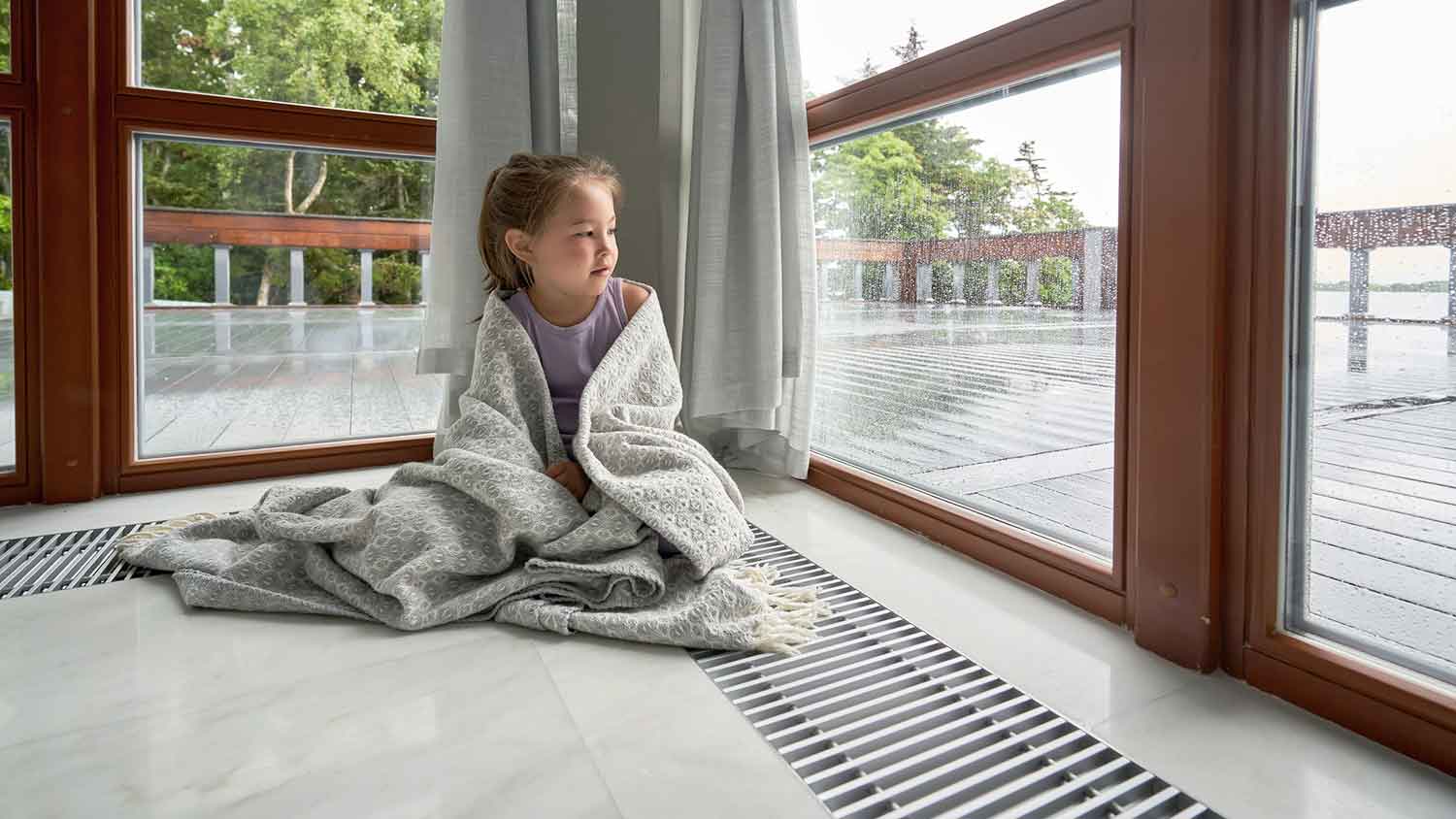
Cold air return vents should typically be placed lower on the walls or the floor since cold air naturally sinks. This placement helps capture the cooler air faster and more efficiently, allowing it to be recirculated through the HVAC system for heating or cooling.
On the other hand, heated air return vents should be situated near the ceiling or high on the walls. This placement helps gather the rising warm air that needs to be recirculated to maintain an even temperature throughout your home.
If your HVAC system serves both heating and cooling functions, consider a balanced approach. Place return air vents in locations that account for rising warm air and sinking cold air to maintain a comfortable temperature year-round.
While having a return vent in every room is unnecessary, it’s becoming more common in modern homes. You should ensure a balanced distribution of these vents throughout your home. This ensures that air circulates effectively, preventing hot or cold spots.
It's essential to be aware of signs that your return vents need to be correctly positioned. If you notice any of the following issues, it might be time to reevaluate their placement:
Uneven temperatures in different areas of your home can indicate that the return vents are not effectively capturing and distributing air.
A whistling noise from your return vents can be due to low return airflow or less air movement through the vents. Sometimes, this happens when the vents are placed in an area too close to closed doors, like a hallway or staircase.
If you notice reduced airflow from your supply vents, it could indicate a problem with the placement or sizing of the return vents.
Inefficient air circulation due to poorly placed return vents makes your HVAC unit work harder. This can lead to increased energy consumption and higher utility bills.
While using your air conditioner, condensation on your air vents may indicate that warm, moist air is not adequately captured and returned for cooling.
Moving an air vent can be a DIY task if you’ve got the skills, tools, and experience to perform this type of work. Realize these vents are critical in maintaining indoor air quality and temperature control. Attempting to move them without the necessary expertise can disrupt the balance of your HVAC system, leading to inefficiencies and potential damage.
There may also be some need for cutting drywall and repairing drywall damage during this project, so be sure you have adequate cutting tools and protective gear.
If you’re not confident, it’s best to enlist the help of a local duct installer. These HVAC technicians have the knowledge and tools to assess your system, ensure proper vent placement, and make the required adjustments, ensuring your HVAC system functions optimally while preserving indoor comfort.
If you’re good people wanting to do business with good people, hire Matt. He is a consummate professional and utterly competent. He installed a water heater in my home at a price that beat competitors by hundreds of dollars with a promise to support the unit for its life (even after its 6 yr...
 Greene's Plumbing Services
Corey Carr was great. I had damage from a recent storm and needed to have my mast and other components replaced. The project entailed coordinating with AEP, and Corey helped make a stressful situation a lot less stressful. I really appreciated his dedication to service and the job very well done.
 Mr. Electric of Columbus
This service was great. My air conditioner went out during the heat spell that we had. My husband has health issues and they came out that night and at 9:30pm the air conditioner was fixed and running. We are sooo very thankful, this is the company I will be using from now on and would...
 Mr. Mechanical Ohio
I normally do not leave reviews, but my experience with Worthington Air was extremely frustrating and disappointing. About 30 days ago, I had a consultation done for an HVAC replacement and was quoted approximately $15,079. Based on that quote, I applied for financing through their company...
 ARS Columbus Worthington Air
Great company! Price was competitive, technician showed up on time and completed the job (exterior electric Radon fan replacement) quickly. Would hire them again.
 MaGen Property Inspections and Radon Mitigation
Raven and crew does absolutely fantastic job. They are very professional if any concerns were to occur with any of her work she always took responsibility and finished out with a great job. I have worked with her business for a year and have always been satisfied. Very trusted business and...
 Creations of Transformation LLC
I would recommend this company to anyone! He showed up on time, was friendly, completed a very difficult repair on our dryer vent cover, was responsive, and pricing was extremely fair and competitive. I would have him back to do any of our repairs or cleanings without hesitation!
 U.S.A. Dryer Vent, LLC
Ace Fireplace Services' chimney sweep service is truly exceptional. They used advanced technology to ensure a thorough cleaning process, and my chimney has never looked better. I highly recommend their services.
 Ace Fireplace Services
The technician was very professional and friendly. He answered all my questions and was very thorough. He left the fireplace area very clean . He inspected from the roof and advised me as to other work that might need to be done. There was no pressure there. I was very satisfied with the...
 Supreme brick & chimney
On time, clean and finished fast. Windows seem sturdy and the finish is good. Caulking was done with no smudges. Would recommend.
 Window Depot USA of Central Ohio
From average costs to expert advice, get all the answers you need to get your job done.
Curious about how much it will cost to add a return air vent? Our guide will help you discover the cost factors and ways to save on this project.
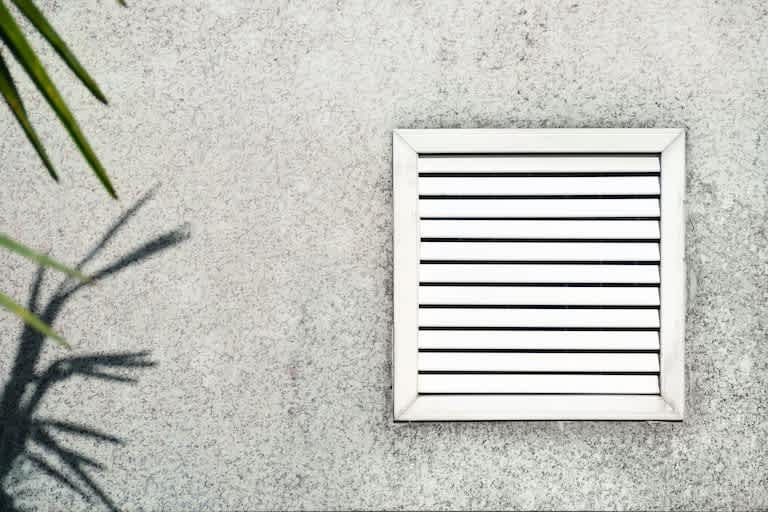
Several factors impact dryer vent installation cost. Use this guide to learn what affects the cost, and how much you should budget for this project.

Return vents help your HVAC system work to ensure your home maintains its desired temperature and air quality. How many return vents you need depends on your home.

Our guide looks at whether return air vents can be on the floor, how to spot one, and what causes air vents to stop working.

What is a return air vent? They’re how the air in your home returns to the central heating and cooling system. Here’s how they work.
How do you know which vent is return air versus supply air? Learn how to tell your HVAC vents apart with our easy guide.