
Wondering how much it costs to reroute plumbing? We have the information you need to learn about plumbing vent pipes and cost considerations when installing them.
Heating and air conditioning service costs depend on your project and location. Check with a local pro for your specific job.

Return air vent installation costs between $250 and $500 per vent, with $350 as the average for your project.
Your duct material choice affects the final price, with flexible polyester being less durable than sheet metal ductwork.
You should also budget for air duct cleaning between $150 and $780 or duct insulation around $1 to $6 per square foot.
Hiring a local duct installing professional ensures proper ductwork placement and sizing, so your HVAC system circulates air efficiently.
In 2026, the national average cost to add a return air vent is $350 per vent. Most homeowners pay between $250 and $500 per vent, with the spread driven by duct material, vent location, and the complexity of the existing HVAC system.
Several key factors shape the total cost of adding a return air vent to your home, so understanding them helps you budget with confidence. Duct material, vent size, and labor are the primary drivers, and costs can vary significantly depending on the complexity of your installation. Speaking with a local duct installer near you is the most reliable way to get an accurate estimate for your project.
Duct material is one of the most significant cost variables for a return air vent, with different types of ductwork ranging from $1 to $4 per linear square foot for flexible polyester up to $4 to $12 per linear square foot for sheet metal. Flexible polyester, aluminum, and insulated duct are the most affordable, while fiberglass or fiberboard fall in the middle, and sheet metal costs the most. Flexible polyester has the shortest lifespan, so it suits only short-term fixes, while sheet metal's higher cost buys better resistance to mold growth.
The table below compares average costs across five duct materials used to connect a return air vent to existing ductwork:
| Duct Material | Cost per Linear Square Foot in 2026 | Qualities |
|---|---|---|
| Flexible polyester | $1–$4 | Least expensive but shortest life span. |
| Flexible aluminum | $2–$5 | Not as expensive as other options, but prone to pest damage. |
| Flexible insulated | $2–$6 | Lightweight and durable, though prone to air leaks around the seams. |
| Fiberglass/fiberboard | $4–$7 | Well insulated and fire-resistant, but needs to be cleaned more often. |
| Sheet metal | $4–$12 | Most expensive option but less prone to mold growth than other ductwork options. |
Vent size directly affects your total cost, with return air vent installation running $10 to $20 per square foot for materials and labor. Larger vents require more materials and labor, so choosing the right size for your space is worth discussing with your installer before committing to a specific vent size.
Labor is a substantial part of the total cost of air vent installation, running $5 to $10 per linear foot. When ductwork runs through hard-to-reach areas like a cramped crawl space, specialized tools or additional labor time may be required, pushing costs toward the higher end of that range.
Deciding whether to undertake the installation of a return air vent as a DIY project depends on various factors. If you're a skilled DIYer with some HVAC experience, installing the new return vent yourself will certainly save on labor costs. However, this project can be complex. It may involve cutting drywall and ductwork as well as considerations such as proper ductwork placement and sizing to ensure efficient airflow.
Local duct installers have the expertise to handle these intricacies, ensuring optimal performance and safety. For those lacking HVAC knowledge, hiring a pro is recommended, as it reduces the risk of costly mistakes and ensures the job is done correctly. Ultimately, the choice between DIY and professional installation should align with your comfort level, skills, and budget.

In addition to the primary installation costs, there are a few common add-ons that you might consider when adding a return air vent. Speak with your local ductwork installer to understand the costs associated with these extras.
Adding a return air vent is a natural opportunity to have your existing ducts cleaned, and air duct cleaning costs $150 to $780 depending on the type and size of your ductwork. Bundling this service with your vent installation can save you a separate service call and help your HVAC system run more efficiently from day one.
Duct insulation is a worthwhile add-on that improves your HVAC system's energy efficiency and helps maintain consistent indoor temperatures, with air duct insulation costs running $1 to $6 per square foot. Addressing insulation at the same time as your vent installation reduces disruption and can lower your long-term energy costs.
If mold or asbestos is discovered while adding a return air vent, addressing it immediately is essential for the health and safety of everyone in your home. Testing, inspection, and removal are necessary steps that add to your project cost, so budget accordingly if there is any reason to suspect these hazards exist in your ductwork or surrounding materials.
Mold inspection costs: $200–$650
Mold remediation costs: $450–$6,000
Asbestos inspection costs: $250–$700
Asbestos removal costs: $700–$2,200
Saving money when adding a return air vent is a goal for many, so here are some cost-saving tips:
DIY if you can: If you have the necessary skills with drywall repair and the necessary HVAC knowledge, consider doing the installation yourself to save on labor costs.
Choose the ideal location: When deciding on a location for your return vent, choose a spot that minimizes the need for extensive ductwork modifications.
Go with an affordable duct material: Select cost-effective duct materials like flexible polyester or aluminum.
Bundle HVAC projects: If you have other projects on your HVAC to-do list—like air duct cleaning or HVAC inspections—consider bundling them together to potentially reduce overall costs.
Home is the most important place on earth, which is why Angi has helped more than 150 million homeowners transform their houses into homes they adore. To help homeowners with their next project, Angi provides readers with the most accurate cost data and upholds strict editorial standards. We extensively research project costs to develop the pricing data you see, so you can make the best decisions for you and your home. We rely on reputable sources, including the U.S. Bureau of Labor Statistics, academic journals, market studies, and interviews with industry experts—all to ensure our prices reflect real-world projects.
Want to help us improve our cost data? Send us a recent project quote to [email protected]. Quotes and personal information will not be shared publicly.
I have used Columbus Worthington Air for years and recommend them whenever I have a chance. The staff is quick, courteous, and well-trained.
 ARS Columbus Worthington Air
If you’re good people wanting to do business with good people, hire Matt. He is a consummate professional and utterly competent. He installed a water heater in my home at a price that beat competitors by hundreds of dollars with a promise to support the unit for its life (even after its 6 yr...
 Greene's Plumbing Services
Corey Carr was great. I had damage from a recent storm and needed to have my mast and other components replaced. The project entailed coordinating with AEP, and Corey helped make a stressful situation a lot less stressful. I really appreciated his dedication to service and the job very well done.
 Mr. Electric of Columbus
This service was great. My air conditioner went out during the heat spell that we had. My husband has health issues and they came out that night and at 9:30pm the air conditioner was fixed and running. We are sooo very thankful, this is the company I will be using from now on and would...
 Mr. Mechanical Ohio
Great company! Price was competitive, technician showed up on time and completed the job (exterior electric Radon fan replacement) quickly. Would hire them again.
 MaGen Property Inspections and Radon Mitigation
Raven and crew does absolutely fantastic job. They are very professional if any concerns were to occur with any of her work she always took responsibility and finished out with a great job. I have worked with her business for a year and have always been satisfied. Very trusted business and...
 Creations of Transformation LLC
I would recommend this company to anyone! He showed up on time, was friendly, completed a very difficult repair on our dryer vent cover, was responsive, and pricing was extremely fair and competitive. I would have him back to do any of our repairs or cleanings without hesitation!
 U.S.A. Dryer Vent, LLC
Ace Fireplace Services' chimney sweep service is truly exceptional. They used advanced technology to ensure a thorough cleaning process, and my chimney has never looked better. I highly recommend their services.
 Ace Fireplace Services
The technician was very professional and friendly. He answered all my questions and was very thorough. He left the fireplace area very clean . He inspected from the roof and advised me as to other work that might need to be done. There was no pressure there. I was very satisfied with the...
 Supreme brick & chimney
On time, clean and finished fast. Windows seem sturdy and the finish is good. Caulking was done with no smudges. Would recommend.
 Window Depot USA of Central Ohio
From average costs to expert advice, get all the answers you need to get your job done.
Wondering how much it costs to reroute plumbing? We have the information you need to learn about plumbing vent pipes and cost considerations when installing them.
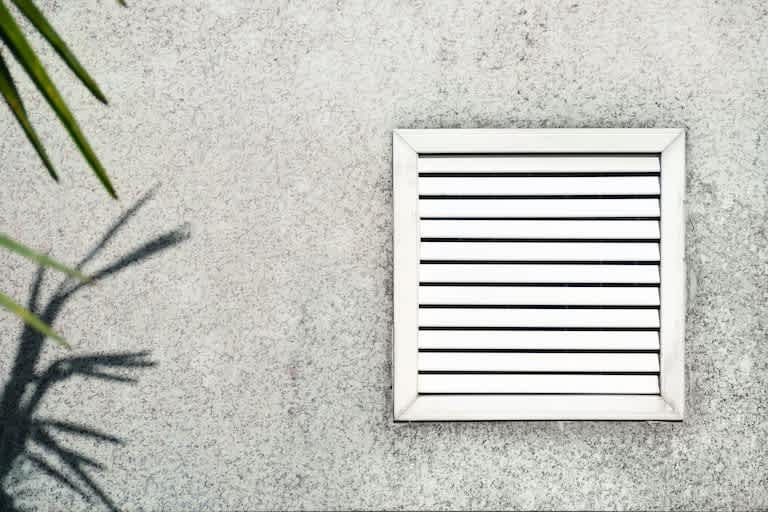
Several factors impact dryer vent installation cost. Use this guide to learn what affects the cost, and how much you should budget for this project.
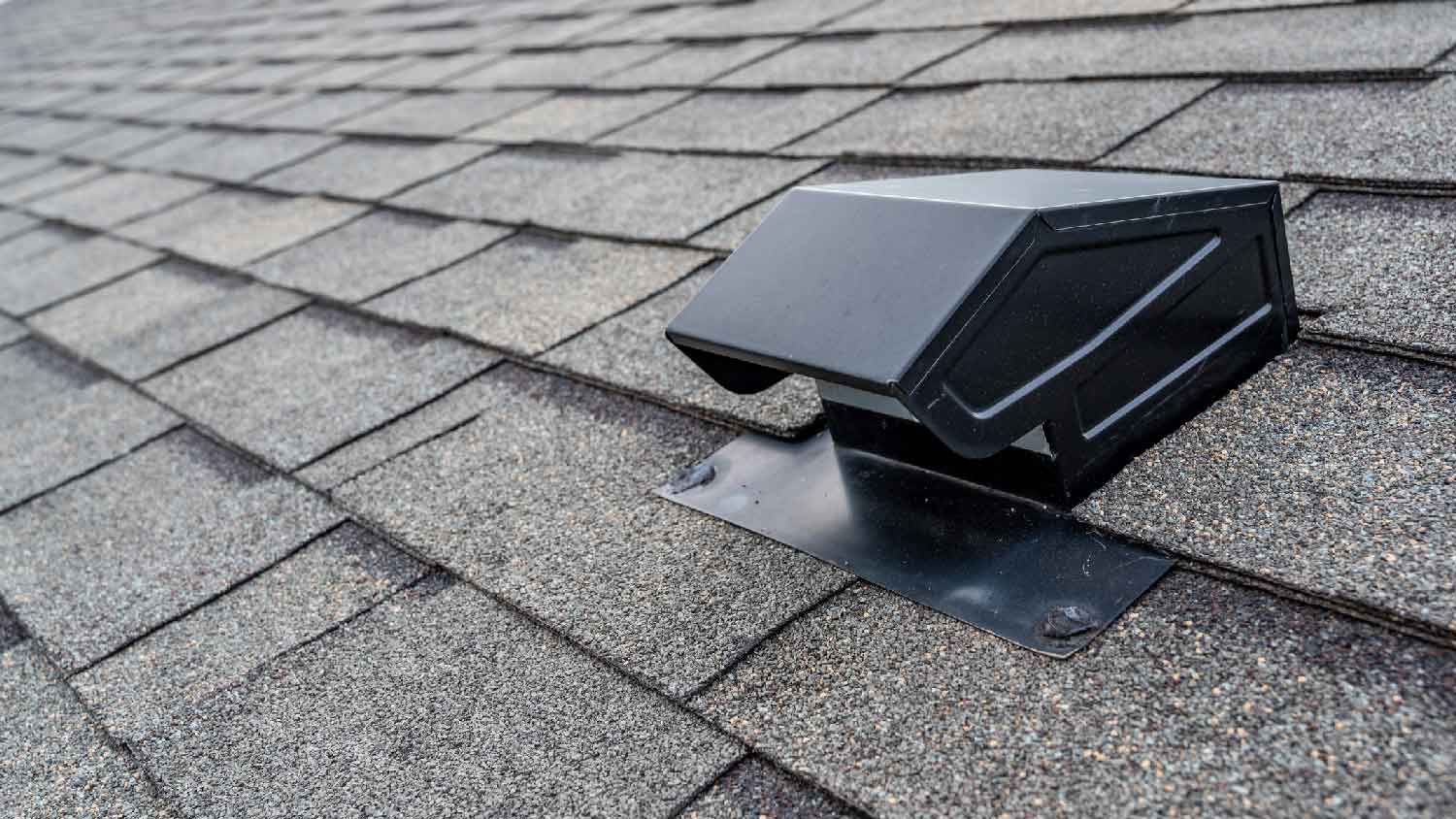
This guide lays out the cost to install a roof vent on your home depending on the type of ventilation that's best for your roof based on several factors.

Return vents help your HVAC system work to ensure your home maintains its desired temperature and air quality. How many return vents you need depends on your home.

Our guide looks at whether return air vents can be on the floor, how to spot one, and what causes air vents to stop working.
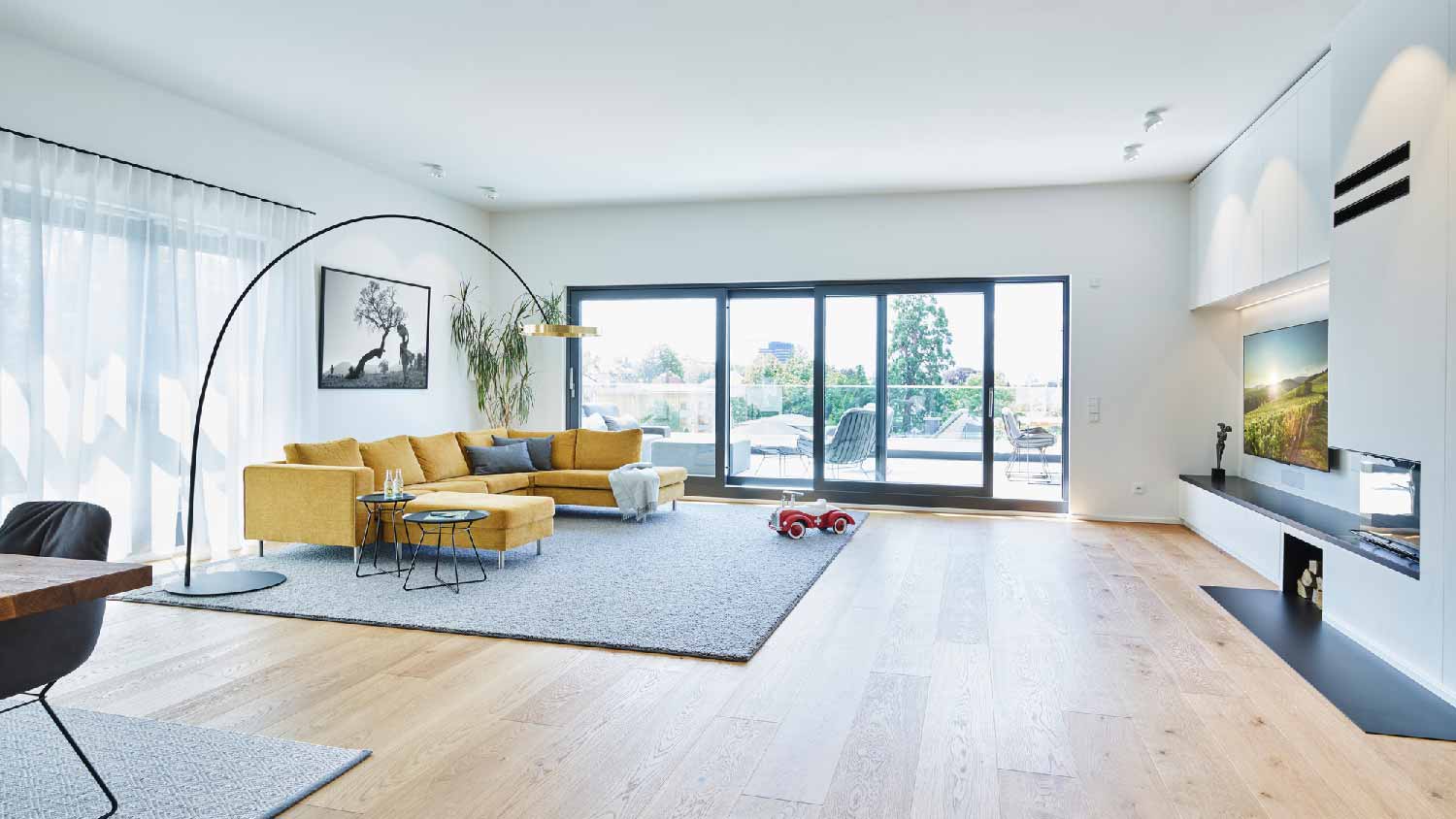
You can learn how to add vents to existing ducts in your home in a few simple steps. Keep reading to learn what tools and supplies you will need.