
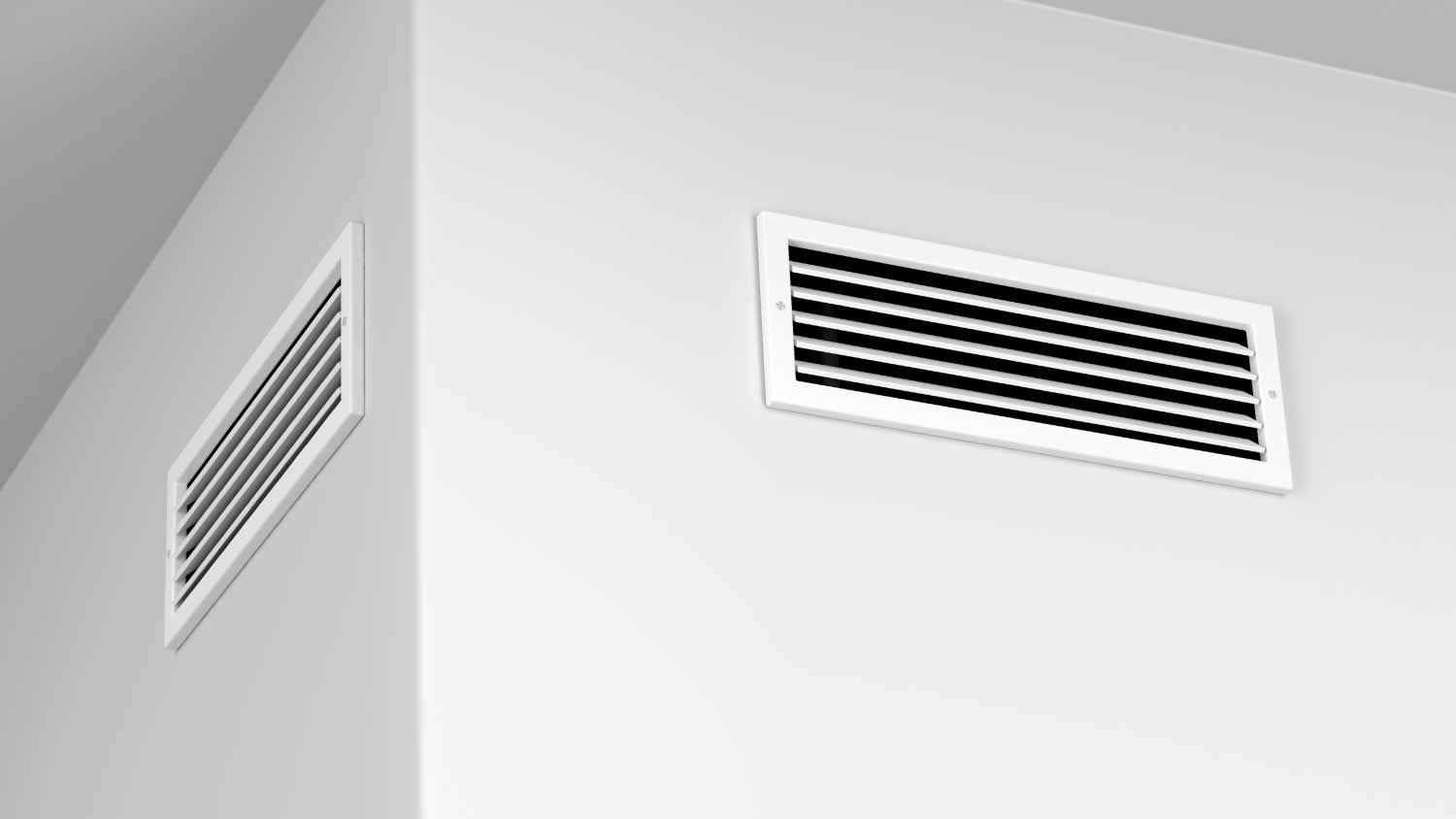
Curious about how much it will cost to add a return air vent? Our guide will help you discover the cost factors and ways to save on this project.
Proper return air vent placement keeps your home comfortable

Your air return vents pull warm air back into your HVAC system for cooling, and placing them higher on walls captures rising heat more effectively.
Adding a return air vent costs a few hundred dollars, while air duct cleaning runs around $380 to keep your system running smoothly.
Keep furniture at least 12 inches away from floor return vents so your HVAC system can balance temperature and humidity without working harder than needed.
Hiring a local duct installing professional provides reliable support for vent placement decisions and ductwork inspections, helping your home stay comfortable year-round.
Your home features two different kinds of air vents: supply and return. Your supply air vent pushes cooler air into your rooms, while your return air vent pulls warmer air back into the ductwork for reconditioning. Both are crucial for cooling your home. As such, ensuring the proper location of your return air vents can result in a comfier home, even on a sweltering summer afternoon. Our guide covers whether return air vents can be on the floor, furniture placement around them, and tips to keep them operating well.
Your home’s HVAC system is a network of parts, with your air vents being the most visible. In each room of your home, you’ll have supply air vents. These push cooler air into your room. Meanwhile, in homes older than 10 years, you might have a return air vent on each floor of your home. Usually, they will be centrally located. With return air vents, they’re tasked with pulling warmer air out of your environment, drawing it back into the ductwork so your HVAC can remove the warmer molecules from it.
Yes, because they can balance the temperature and humidity levels in your home. Not only can this lead to a more comfortable living space, but it also reduces the workload of your HVAC system. In turn, you can lower your energy bills.
You can locate return vents by turning on the fan and placing a piece of paper in front of the vent. If the vent tries to suck the piece of paper in, you’ve found a return air vent (if it blows the paper away from you, that’s a supply vent). If you notice parts of your home becoming stuffy even with the air on, you might need another return air vent. The cost to add a return air vent can run you a few hundred dollars.

In older homes, it’s somewhat common to find return vents on or near the floor. You can have an HVAC technician move these to a higher location if you notice your HVAC constantly kicks on or some rooms feel more humid than others. While it isn’t necessary to move them, they’ll work a lot better the higher positioned they are.
With newer houses, you’ll often find these on the wall closer to the ceiling. The reason for this is that warm air rises. Therefore, it makes sense to have an air vent located higher to capture the warmer air. However, if you do have one on your floor, then you’ll want to design your furniture and other fixtures around these vents.
In homes where you have return air vents on the floor, you don’t want to slide a couch or a decorative rug over them. When you do this, it impedes airflow in your home. This doesn’t allow the return air vent to gather all of the warmer air, resulting in temperature and humidity imbalance—your room will feel stuffy even with the AC cranked.
As a rule of thumb, you want to keep furniture and other obstructions at least 12 inches away from floor vents at all times. Also, you’ll want to clean floor air vents regularly, as they’re more likely to attract dust, fur, and other particles.
Floor vents are not the most visually appealing creatures. However, similar to the way you can learn creative ways to hide ductwork, you can add personality to your space with prefabricated vent covers. These come in a variety of styles and colors that can add uniformity to your space. And with levers, you can open and close the metal plates easily.
When testing your return air vent, if you notice it isn’t pulling air in, it could signify a problem with your HVAC system. Here are some of the common problems and ways to fix them:
Your HVAC’s air filters are responsible for trapping particles, dander, mold, and other irritants. However, if you don’t replace them as directed, they won’t be as effective in trapping particles, allowing the buildup to happen within your home’s ductwork. That’s why changing your air filters once every one to three months, depending on your manufacturer’s guidelines, can keep your air and ducts clean.
If you’re wondering how to stop condensation on air vents, inspecting your ductwork is the answer. You can hire a local duct installer to come out and inspect your existing ductwork for leaks. Or, you can turn on your HVAC system’s fan and run your fingers over the exposed areas to check for leaks. Upon finding them, use mastic or duct sealant to address the problem.
Similar to air filters, if you don’t keep your air ducts cleaned, it can result in particle buildup that, with time, can impede airflow. You can have your ducts cleaned when you notice your air vents becoming dirtier often. The average air duct cleaning cost is $380.
Another culprit could be not enough insulation in your attic or crawlspace. When this happens, it’s easier for moisture to seep into the ductwork, which can lead to mold or mildew growth. If you notice your energy bills skyrocketing but rooms still feel stuffy, you can consult with an HVAC expert. They can discuss roof ventilation options.
Closing vents in unused rooms seems like a wise idea because if you’re not using them, then what’s the point? Keep in mind, though, that your HVAC system’s design is to account for all of your space, not specific rooms. Therefore, when you close some of the vents, it can lead to a humidity and temperature imbalance. In turn, you have a stuffier home, you could have condensation buildup in your ductwork, and your energy bills will be higher. Make sure to check all of your air vents occasionally to ensure they’re open, as this will improve your home’s comfort.
If you’re good people wanting to do business with good people, hire Matt. He is a consummate professional and utterly competent. He installed a water heater in my home at a price that beat competitors by hundreds of dollars with a promise to support the unit for its life (even after its 6 yr...
 Greene's Plumbing Services
Corey Carr was great. I had damage from a recent storm and needed to have my mast and other components replaced. The project entailed coordinating with AEP, and Corey helped make a stressful situation a lot less stressful. I really appreciated his dedication to service and the job very well done.
 Mr. Electric of Columbus
This service was great. My air conditioner went out during the heat spell that we had. My husband has health issues and they came out that night and at 9:30pm the air conditioner was fixed and running. We are sooo very thankful, this is the company I will be using from now on and would...
 Mr. Mechanical Ohio
I normally do not leave reviews, but my experience with Worthington Air was extremely frustrating and disappointing. About 30 days ago, I had a consultation done for an HVAC replacement and was quoted approximately $15,079. Based on that quote, I applied for financing through their company...
 ARS Columbus Worthington Air
Great company! Price was competitive, technician showed up on time and completed the job (exterior electric Radon fan replacement) quickly. Would hire them again.
 MaGen Property Inspections and Radon Mitigation
Raven and crew does absolutely fantastic job. They are very professional if any concerns were to occur with any of her work she always took responsibility and finished out with a great job. I have worked with her business for a year and have always been satisfied. Very trusted business and...
 Creations of Transformation LLC
I would recommend this company to anyone! He showed up on time, was friendly, completed a very difficult repair on our dryer vent cover, was responsive, and pricing was extremely fair and competitive. I would have him back to do any of our repairs or cleanings without hesitation!
 U.S.A. Dryer Vent, LLC
Ace Fireplace Services' chimney sweep service is truly exceptional. They used advanced technology to ensure a thorough cleaning process, and my chimney has never looked better. I highly recommend their services.
 Ace Fireplace Services
The technician was very professional and friendly. He answered all my questions and was very thorough. He left the fireplace area very clean . He inspected from the roof and advised me as to other work that might need to be done. There was no pressure there. I was very satisfied with the...
 Supreme brick & chimney
On time, clean and finished fast. Windows seem sturdy and the finish is good. Caulking was done with no smudges. Would recommend.
 Window Depot USA of Central Ohio
From average costs to expert advice, get all the answers you need to get your job done.
Curious about how much it will cost to add a return air vent? Our guide will help you discover the cost factors and ways to save on this project.

Return vents help your HVAC system work to ensure your home maintains its desired temperature and air quality. How many return vents you need depends on your home.

Dusty return air vents can wear out an HVAC system. Learn answers to why is my return air vent so dirty, plus ways to prevent dirty return air vents.
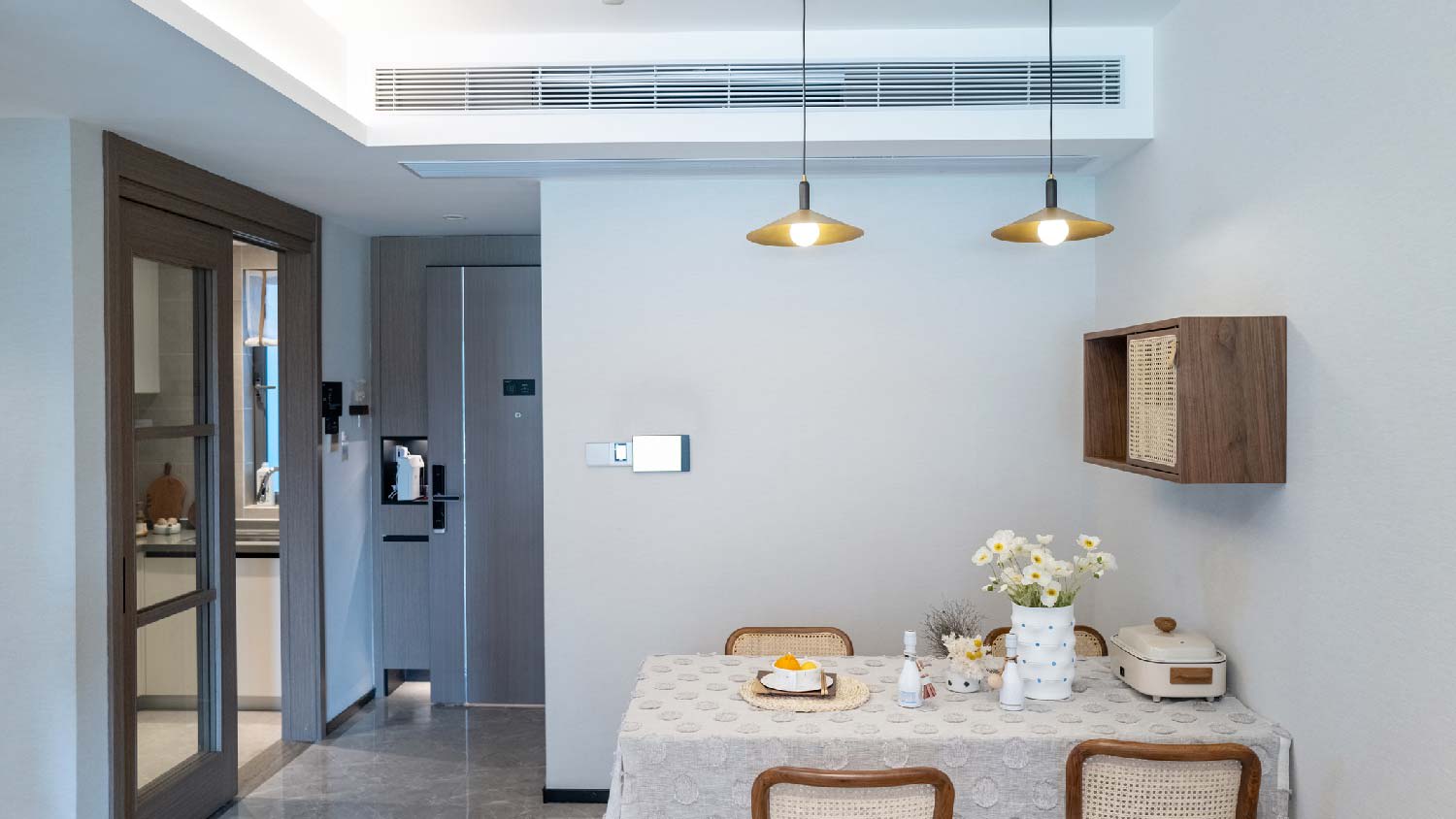
Your home’s vent placement matters, so where should return air vents be located? We discuss what factors impact your return vent’s performance.

What is a return air vent? They’re how the air in your home returns to the central heating and cooling system. Here’s how they work.
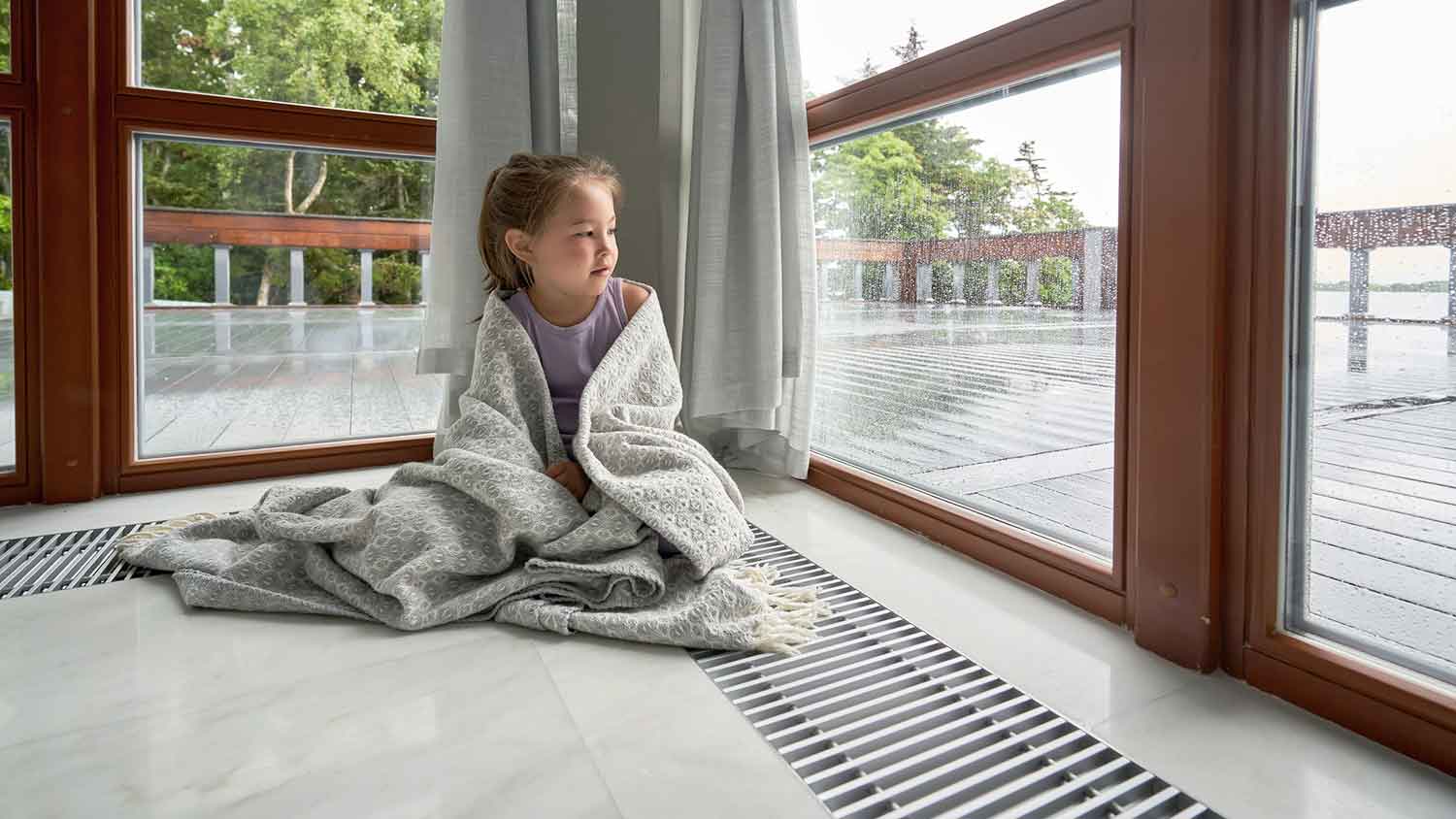
How do you know which vent is return air versus supply air? Learn how to tell your HVAC vents apart with our easy guide.