


A small septic tank system is ideal for spaces with minimal needs, such as a one-to-two-bedroom apartment or guest house. A small septic tank contains 750 or 1,000 gallons. We’ll cover everything that factors into your small septic system cost here.
Septic tank service costs depend on your project and location. Check with a local pro for your specific job.

Septic system installation costs between $3,590 and $12,463, depending on your tank size and system type.
Your soil conditions, yard space, and groundwater level decide the right system design and tank material for your property.
Account for percolation and soil tests in your budget, these required evaluations add $700 to $2,000.
Hiring a local septic tank company prevents groundwater contamination and keeps your installation compliant with permits and local codes.
In 2026, the national average cost of a septic system is $8,016, based on 1,277 verified projects from Angi Pros. Most homeowners pay between $3,590 and $12,463, with the spread driven by tank size, system type, and the labor required to dig and install a leach field.
I had another company design my septic system replacement, but Paul re-designed it to avoid having to remove a 50+ ft tall tree and added a drainage system for the water from the gutters. The old no-longer-up-to-code 2-cesspool septic system was replaced by a drainfield and Ecoflow septic tank. The work was done on the days I was told workers would be here (unlike the company that drew up the first set of specs), and Paul and Jon were always friendly and great to work with.
The septic tank size you need depends on the number of bedrooms in your home. A 1,000-gallon tank for a three- or four-bedroom home costs $900 to $1,500 for the tank alone. Larger homes have more sinks, toilets, and bathtubs contributing to wastewater volume, so costs rise as tank size increases. The table below shows how septic tank size and cost vary by house size:
| House Size | Tank Size (Gallons) | Average Cost in 2026 |
|---|---|---|
| 1 bedroom | 500 | $500–$900 |
| 2 bedroom | 750 | $700–$1,200 |
| 3–4 bedrooms | 1,000 | $900–$1,500 |
| 5–6 bedrooms | 1,200 | $1,200–$1,600 |
| 6–7 bedrooms | 1,500 | $1,500–$2,500 |
Septic tanks are most commonly made of plastic, concrete, or fiberglass. Costs depend on which material you choose, as shown in the table below:
| Material | Average Cost in 2026 |
|---|---|
| Plastic | $500–$2,000 |
| Concrete | $700–$2,000 |
| Fiberglass | $1,200–$2,000 |
Labor accounts for 50% to 70% of the total septic tank system cost, and rates vary by region, tank size, and materials. Installing a septic system is a complex undertaking that requires specialized skills, so hiring a local septic tank installer is well worth the investment. Before work begins, confirm whether your contractor includes excavation costs in their quote, as they can add $1,500 to $6,300 if billed separately.
The two main septic system types, anaerobic and aerobic, each come with distinct trade-offs in cost, maintenance, and property requirements. Septic system type is a key driver of overall cost, as the breakdown below shows:
| Septic System Type | Average Cost in 2026 |
|---|---|
| Anaerobic | $3,000–$8,000 |
| Aerobic | $10,000–$20,000 |

Anaerobic septic systems are the most common choice for homeowners and average $3,000 to $8,000. In these systems, a pipe carries waste from the house to the tank, where anaerobic bacteria break down solids before wastewater is distributed into the leach field. They require no extra power or chemicals, though they do need a larger leach field than aerobic alternatives.

Aerobic septic systems cost $10,000 to $20,000 and work by pumping oxygen into the tank to activate bacteria that break down solid waste. They are more efficient than anaerobic systems and better suited to smaller properties, though they do require a continuous power source to operate. To protect against outages, connect the system to a backup power generator.

Beyond the tank and labor, factors such as land surveying, percolation testing, and leach field design also contribute to your total septic system cost. Budgeting for these elements upfront ensures your system meets local regulations and performs efficiently from day one.
A land survey is required before septic system installation to confirm your plans fall within property lines, and you can expect to spend $330 to $900 for a licensed land surveyor. Skipping this step risks costly legal disputes, so it is a non-negotiable part of the pre-installation process.
A percolation test, performed by a local perc test pro, is required before installation and costs $700 to $2,000. The test measures soil type and sediment layer depth on your property to determine which septic system design is the right fit.
A leach field, also called a drain field, is the trench component of your septic system that returns treated wastewater to the soil, and drain field installation costs $5,000 to $12,000. This is one of the larger line items in a septic installation budget, so factor it in early when planning your project.
Your soil must meet specific conditions to support a leach field, and issues like a failed perc test, a small yard, or a shallow water table can disqualify a standard installation. If your property doesn't qualify, consult a local septic system professional to identify an alternative drainage solution.
Septic system installation typically requires one or more building permits depending on local laws, with permit fees ranging from $450 to $2,300, though some jurisdictions charge less. Angi customer data shows that 29% of homeowners are unsure whether they need a permit, and 28% know they need one but haven't obtained it yet. Check your local requirements before breaking ground, and know that a septic tank pro can clarify exactly what you need before installation begins.
Beyond the core installation, ongoing maintenance services can add up quickly, depending on your property's condition and the system's age. Here are some common services you may need to factor into septic system installation costs:
Old septic tank removal costs $45–$200 per hour
Land clearing costs $1,200–$4,800
Landscaping costs $5–$24 per square foot
A septic tank riser costs $300–$600
A pump alarm costs $500 on average
Septic tank pumping costs $300–$600
Septic distribution box replacement costs $500–$1,500
Pump replacement costs $800–$1,400
Baffle replacement costs $300–$500
Filter replacement costs $230–$280
Tank lid replacement costs $30–$70
Drain field replacement costs $7,000
When a property has a high water table, high bedrock, poor soil quality, or insufficient space for a standard drain field, an alternative septic system may be necessary. Compare the cost of alternative systems in the table below:
| Alternative System | Average Cost in 2026 |
|---|---|
| Mound | $10,000–$20,000 |
| Sand filter | $7,000–$18,000 |
| Chamber | $5,000–$12,000 |
| Drip | $8,000–$18,000 |
| Evapotranspiration | $10,000–$15,000 |
| Build wetland | $5,000–$12,000 |
Mound septic systems cost $10,000 to $20,000 to install, making them one of the pricier alternative options. They work by pumping wastewater from the tank into a sand mound built above the septic area, where the sand filters the water before it reaches the soil and groundwater. Despite the higher cost, these systems are the right solution for properties with a high water table.
Sand filter septic systems cost $7,000 to $18,000 and use a pump to push wastewater through a sand filter at low pressure before it enters the soil, effectively removing nutrients like phosphorus and nitrogen that can damage aquatic ecosystems. These systems can be built above or below ground, protect the underlying water table, and can last decades. They are the best fit for properties with high water tables or those located near bodies of water.
Chamber septic systems cost $5,000 to $12,000 to install and work similarly to conventional systems, but use plastic chambers in the leach field instead of gravel. They are a strong choice for properties with variable wastewater input, such as vacation homes. If you choose this system, keep it away from driveways and parking areas, since driving over it can cause serious damage.
Drip septic systems cost $8,000 to $18,000 depending on size and use drip tubing with a dosing system to release timed, smaller doses of waste into the soil. They are well-suited to areas with shallow soil depth but require more components than a conventional system, including a dedicated dosing tank and pump.
Evapotranspiration septic systems cost $10,000 to $15,000 and are designed for arid climates and areas with shallow soil, using open-air leach fields that allow effluent to evaporate from the surface. These systems are not suitable for regions that receive rain or snow, since moisture can cause them to fail, leading to costly septic tank repairs.
Built wetland septic systems cost $5,000 to $12,000 and mimic the natural water treatment process found in wetlands, using microbes, plants, and bacteria to treat effluent in a wetland tank before releasing it into the soil. These sustainable systems create a self-reinforcing cycle where waste helps the plants and microbes thrive.
Hiring a septic system pro near you will cost between $40 and $250 per hour , depending on location, project complexity, and required equipment. While the price might seem high, septic systems are highly technical, and mistakes can be expensive. Hiring the right professional ensures your home, property, and wallet are protected.
Here's why it's ideal to hire a septic system pro
You should hire a septic system pro for the following reasons:
Pros ensure the septic system is compliant with state and local codes.
The work they perform should come with a warranty, both for their workmanship and the parts used.
Septic work is messy, labor-intensive, and potentially hazardous, and many homeowners aren't suited to deal with it.
Groundwater contamination is a real risk if the work isn't completed properly.
Most septic work requires a permit, and professionals can obtain these quickly and without hassle.
Leach field maintenance may be required, and most DIYers don't know what to look for.
Pros have specialized equipment for the task.
They can diagnose hidden issues before they become larger problems.
While DIY septic system installation is off the table in most cases, there are still some tasks you can easily do yourself to save money. Once you've selected an installation company, work with them to identify which of the following you may be able to handle on your own:
Compare multiple quotes. Request quotes from multiple contractors as you would for any other home improvement project. You might discover that one is more cost-effective than the rest, but be sure to consider the company's reputation and experience.
Coordinate your own soil tests. You might be able to save some money by gathering soil samples yourself to send to a lab rather than have an on-site technician collect them.
Confirm compliance with local code. Code violations cost time and money. Check with your septic tank pro to see if you can save both by requesting the necessary permits yourself.
Plan for work during the off-season. If you plan ahead, you might be able to take advantage of discounts and easier availability when you hire a septic tank professional in the slower season.
Prepare the landscape. While tree removal is a job for the pros, you can save money by doing other landscape prep work, including backfilling, where possible. You will need to follow the plans laid out by your professional installer, but you could significantly cut down on labor costs by doing some of the digging on your own.
Purchase materials. As with all home improvement projects, you might be able to save money and buy materials separately so that you're just paying for labor costs.
Follow a rigid maintenance schedule. By committing to regular maintenance and pumping by a septic system professional, you can ward off any potential, and expensive,problems.
Schedule a site inspection so the pro can assess soil conditions, septic tank access, and obstacles.
Confirm the pro’s licensing and insurance.
Ask about warranties on parts, equipment, and workmanship.
Review the project timeline and cost estimates.
Ensure you understand any ongoing maintenance requirements after installation.
Home is the most important place on earth, which is why Angi has helped more than 150 million homeowners transform their houses into homes they adore. To help homeowners with their next project, Angi provides readers with the most accurate cost data and upholds strict editorial standards. We’ve surveyed thousands of real Angi customers about their project costs to develop the pricing data you see, so you can make the best decisions for you and your home. We pair this data with research from reputable sources, including the U.S. Bureau of Labor Statistics, academic journals, market studies, and interviews with industry experts—all to ensure our prices reflect real-world projects.
Want to help us improve our cost data? Send us a recent project quote to [email protected]. Quotes and personal information will not be shared publicly.
I recently moved to another state and chose United Trust Van Lines after comparing several companies. Their team was punctual, professional, and extremely careful with my belongings. I was especially impressed with how they handled my home office setup and fragile items. Everything arrived on...
 United Trust Van Lines, LLC
Positive experience. As previously stated, the replacement/repair could not be completed (no fault of the plumbing tech) b/c misinformation was rec?d by property management maintenance. Thanks to the plumbing tech for your efforts. Appreciate you!
 The Waterworks
As usual with ECO, tech Jordan was outstanding, very professional, very knowledgeable, and very thorough with repairs made to tankless water heaters. Very highly recommend ECO!!!
 Eco Plumbers, Electricians, and HVAC Technicians
I would recommend this company to anyone! He showed up on time, was friendly, completed a very difficult repair on our dryer vent cover, was responsive, and pricing was extremely fair and competitive. I would have him back to do any of our repairs or cleanings without hesitation!
 U.S.A. Dryer Vent, LLC
Best cleaning I've had at my property
I'm a repeat customer of All Star Paving & Sealing and I appreciate the service that all start paving has done for me in the past. I just recently had them out for an estimate and things couldn't have gone better. The staff that they send out to do the estimates are very knowledgeable. The...
 All Star Paving and Sealing
Supreme Brick & Chimney is one of the best service providers I’ve interacted with. Extremely efficient, knowledgeable, and thorough. They took the time to walk me through their detailed full-service inspection and were extremely professional. Not to mention their turnaround time was...
 Supreme brick & chimney
They were great! They were thorough and efficient and paid attention to the details. Definitely recommend. I'm definitely going back!
 FIFI'S EARTH FRIENDLY CLEANING
Storms Mobile Welding was great to work with. They were prompt, professional and did an overall excellent job on the project. I highly recommend.
Great experience all together. Dog friendly, courteous, great results and honest with recommendations. Will certainly be using Cardinal in the future for any carpet repairs
 Cardinal Carpet Care & Repair
From average costs to expert advice, get all the answers you need to get your job done.
A small septic tank system is ideal for spaces with minimal needs, such as a one-to-two-bedroom apartment or guest house. A small septic tank contains 750 or 1,000 gallons. We’ll cover everything that factors into your small septic system cost here.

Does your property have poor ground water or soil conditions? Learn about engineered septic system cost, types, and factors for you to consider.

Replacing a drain field requires digging up quite a bit of land and involves a decent amount of testing. Using this guide, you’ll learn how much it costs to replace a drain field based on a few key factors such as size and type of septic system.

Planning a new septic system installation? Learn about the project scope, costs to expect, and how to hire the right local pro.
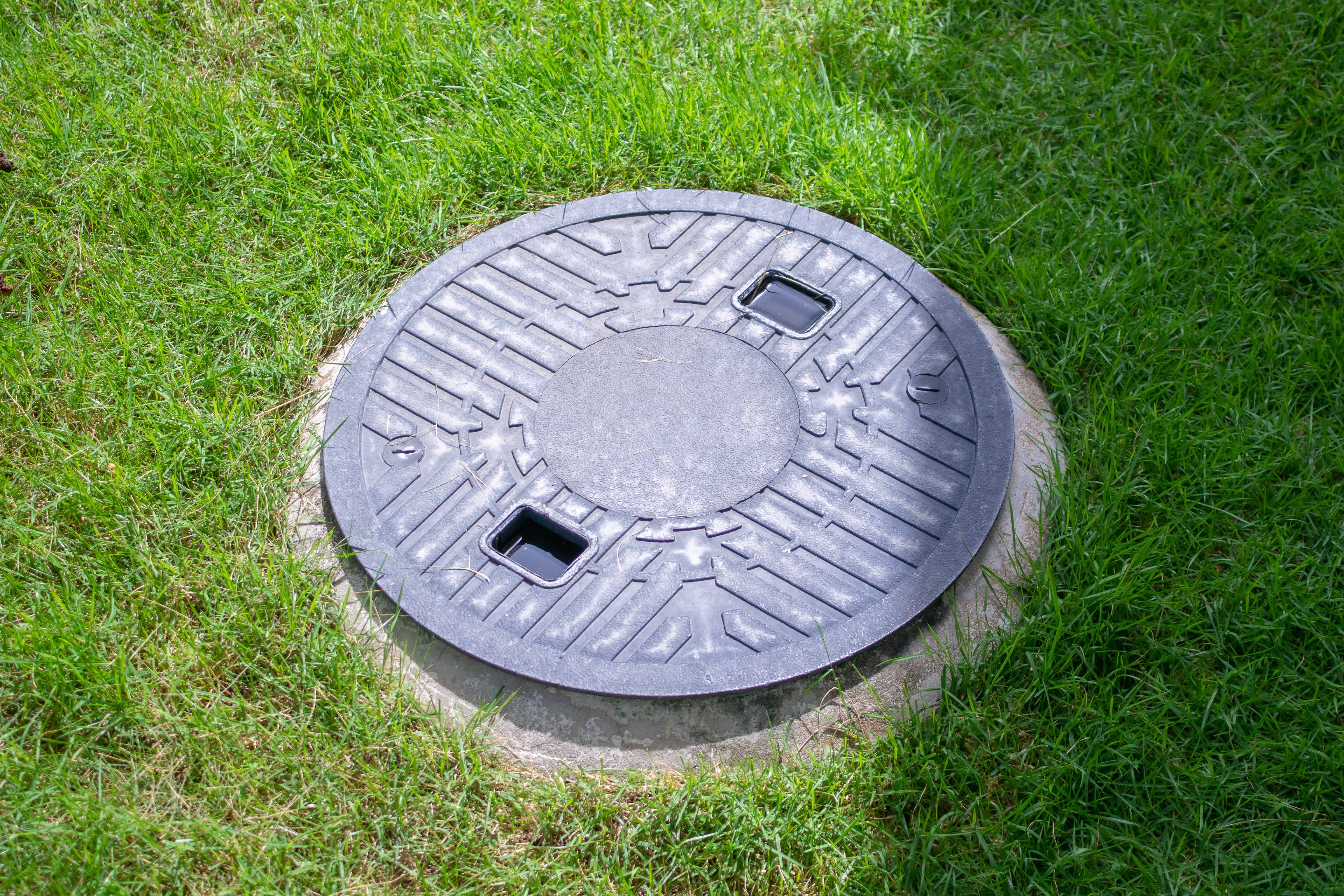
Need to replace your existing septic system or install one for a new home? Learn how to hire a reputable septic system installation pro to avoid headaches.

Septic and sewer both handle wastewater but in very different ways. Learn the distinctions between septic versus sewer to find the right option for your home.