
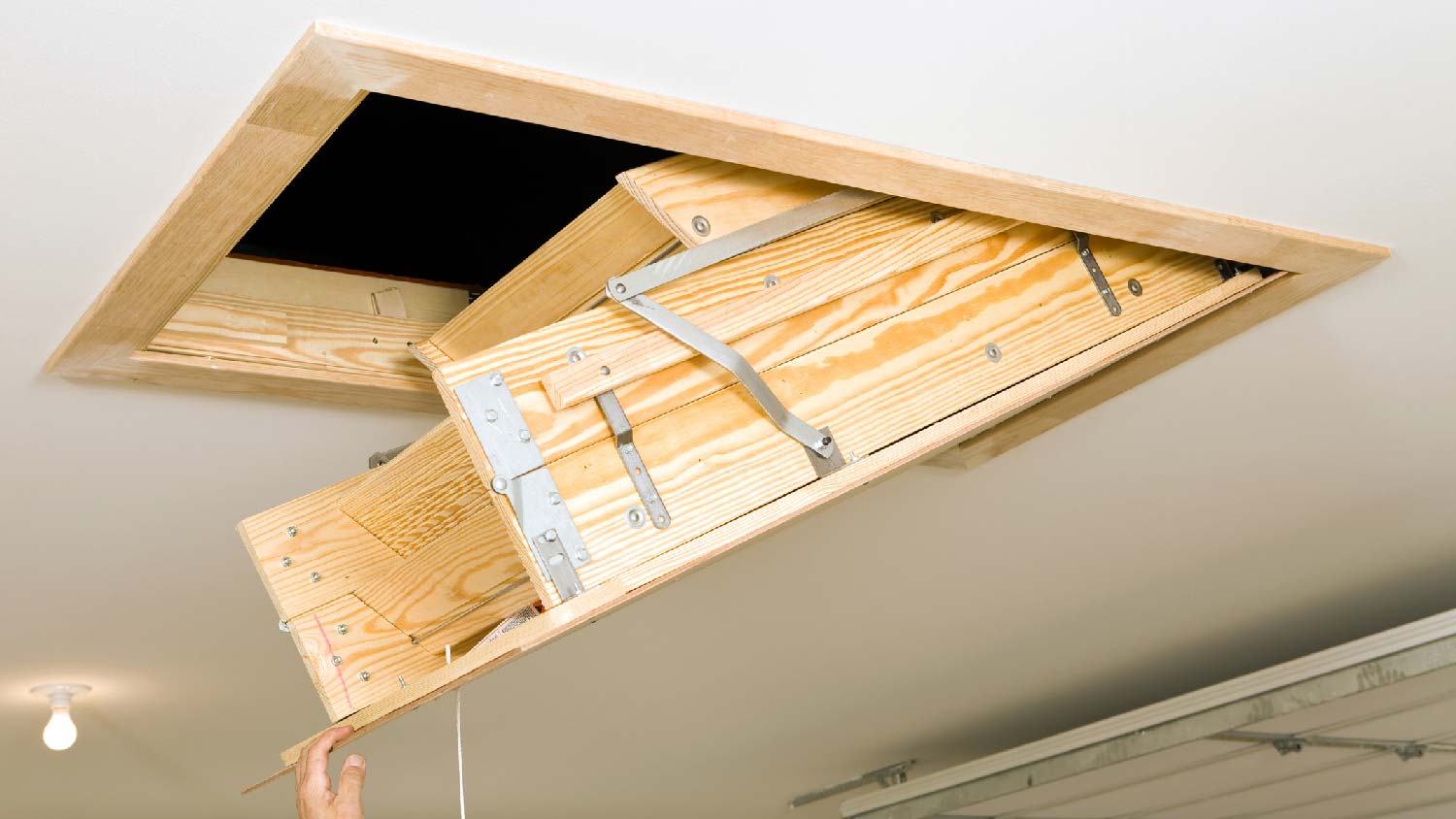
Replacing or installing an attic ladder provides a safe way to access your attic. Learn what factors affect attic ladder installation cost to help you budget.
Don’t let attic ventilation baffle you

Attic baffles in construction create an airflow path between your roof rafters, directing air from soffit to ridge vent while protecting insulation from moisture.
Baffle materials include foam, cardboard, or plastic, with each offering different benefits for your attic based on your budget and humidity concerns.
Your attic needs baffles if it has soffit vents, as these channels prevent trapped heat and moisture that can damage your roof and insulation.
Hiring a local attic insulation professional provides reliable guidance on material selection and ensures proper baffle installation between rafters for effective ventilation.
Attic baffles (also called rafter vents or vent chutes) are critical components of a vented attic system. They provide a pathway for air to move, keeping your family and your home nice and comfortable year-round. Baffles come in a few different materials and may not even be necessary for your home in some cases. Keep reading to learn more.
While this question sounds like the start of a funny joke, it’s actually a pretty important part of any vented attic system. In a vented attic, air must move freely to help prevent moisture and heat build-up.
Baffles are thin channels installed between your roof rafters that help maintain an air gap between the roof and insulation. This chute directs air from the soffit to the ridge vent, protecting insulation from moisture and movement.
Baffles can be made from foam, cardboard, or plastic, depending on your budget and your home’s needs. Cardboard is a great DIY option, but it will absorb a lot of moisture, so be prepared to replace it often. Plastic, on the other hand, won’t absorb any moisture at all, making it a poor choice for areas with high humidity.
If you’re unsure what type of material to use, consider hiring an attic insulation pro to help you make a decision.
| Material | Pros | Cons |
|---|---|---|
| Polystyrene/foam | Cheap and easy to cut | Prone to breaking |
| Cardboard | Most affordable | Not moisture resistant |
| Plastic (PVC/HDPE) | Highly durable | Doesn’t absorb moisture |
Attic baffles are a heavy hitter in your home’s ventilation system. Here are a few reasons why you should add baffles to help insulate your attic.
Keep your roof cool. Heat can easily get trapped in an attic without adequate airflow, which can impact the longevity of your roof deck and lead to ice dams, a sign of poor attic insulation.
Prevent moisture buildup. Trapped moisture always spells disaster, but that’s especially true in an area you don’t see often, like your attic. Attic baffles help remove humid air to avoid mold, mildew, and rot.
Increase HVAC efficiency. Good attic ventilation means your HVAC system won’t have to work as hard to regulate temperatures, meaning lower utility costs.

Baffles fit snuggly between each rafter in your ceiling. They’re cut to fit standard rafter bays, so they can slide right into place without much hassle. If insulation is already butting up against your roof, you’ll need to remove about 2 inches of its thickness to allow for the baffle to fit, depending on how much ventilation your attic needs.
The bottom of the baffle is installed where the ceiling joist meets the roof rafters, ensuring it’s snug on all sides. It’s then stapled in place to ensure it doesn’t move. Some pros may add spray foam insulation around the edges to prevent air leaks.
Not all attics require baffles, but those with common types of roof vents, such as soffits, typically do. While you could skip out on the baffles in a vented attic if you want, it’s not recommended. If your home uses spray foam insulation at the roof deck (AKA it’s considered a conditioned attic), you don’t need baffles.
If your attic isn’t conditioned and lacks soffit vents, baffles won’t be effective because the air will have nowhere to go. You’ll need to pay the cost to install a roof vent and then add baffles to improve your attic ventilation.
If you’re good people wanting to do business with good people, hire Matt. He is a consummate professional and utterly competent. He installed a water heater in my home at a price that beat competitors by hundreds of dollars with a promise to support the unit for its life (even after its 6 yr...
 Greene's Plumbing Services
I would recommend this company to anyone! He showed up on time, was friendly, completed a very difficult repair on our dryer vent cover, was responsive, and pricing was extremely fair and competitive. I would have him back to do any of our repairs or cleanings without hesitation!
 U.S.A. Dryer Vent, LLC
Best cleaning I've had at my property
I conferred with 2 other contractors before Armstrong Electric. Nick and his crew showed me that the project was not as convoluted as the other contractors made it appear to be. They completed the entire project on time. They were professional, friendly and cleaned up after at completion. I...
 ARMSTRONG ELECTRIC, LLC
Our exterior looks brand new thanks to Custom Paint Jobs LLC. Theyre the best in town!
 Custom Paint Jobs, LLC
Excellent experience with hiring Tether House to Mount our 77’ Samsung TV in our bedroom. Fast, friendly, and knowledgeable. Highly recommend.
 Tether House
The techs on my project, Shawn and Cliff, were great. They were prompt, courteous, and efficient. I am very happy with the results and would definitely contact Mr. Electric for any future electrical projects.
 Mr. Electric of Columbus
We had our houses windows and back door replace this summer by Window Depot USA of Central. He gave us grate advise and saved my family lots money. The team did a fantastic job with installation. If you need help, they sure get job done right!
 Window Depot USA of Central Ohio
Beginning with the estimate, Larry and Peyton were super helpful in getting my new condo's interior re-painted. Not only was the job well done, but also done in a super timely manner as promised.
 Five Star Painting of Plain City and Powell
Great job...edging and pre clean up went well with a great job with seal coat. Friendly, efficient and professional.
 All Star Paving and Sealing
From average costs to expert advice, get all the answers you need to get your job done.
Replacing or installing an attic ladder provides a safe way to access your attic. Learn what factors affect attic ladder installation cost to help you budget.
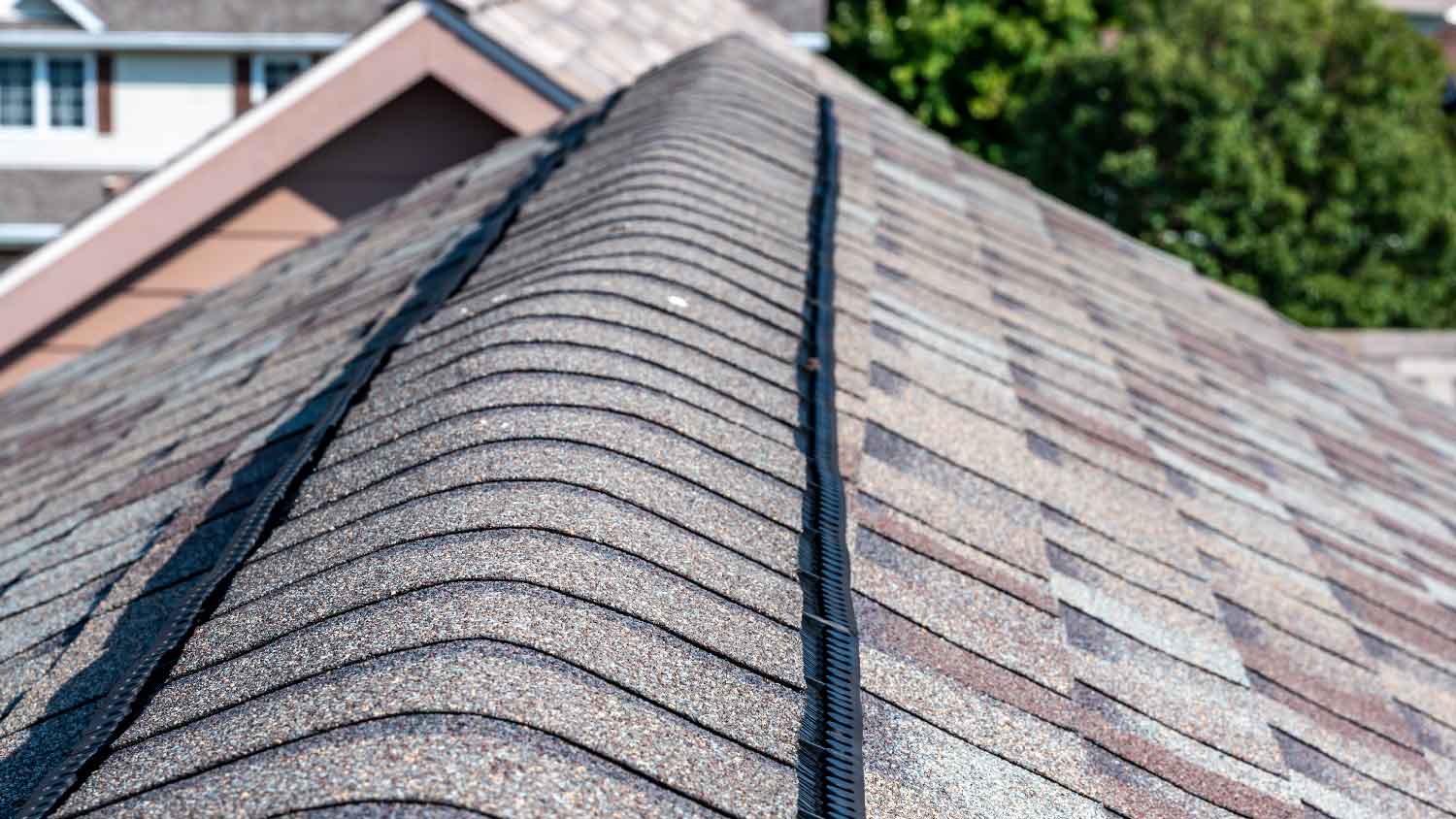
What is a ridge vent? It allows air to flow in your attic, dissipating heat and humidity buildup. We’ll help you learn what it can do for your home.
Is poor attic ventilation causing problems? Use this list of attic ventilation tips to improve attic airflow and protect your home.

An attic can serve as more than a place to store unused furniture. Check out this article to get finished attic ideas for your home.

This guide breaks down what attic insulation is and its importance in keeping your home the temperature you want. Keep reading to learn more.

The pros of having an attic ventilation fan are plentiful, but do they balance out the cons? Check out whether this common house fan is right for you, from cost to installation.