

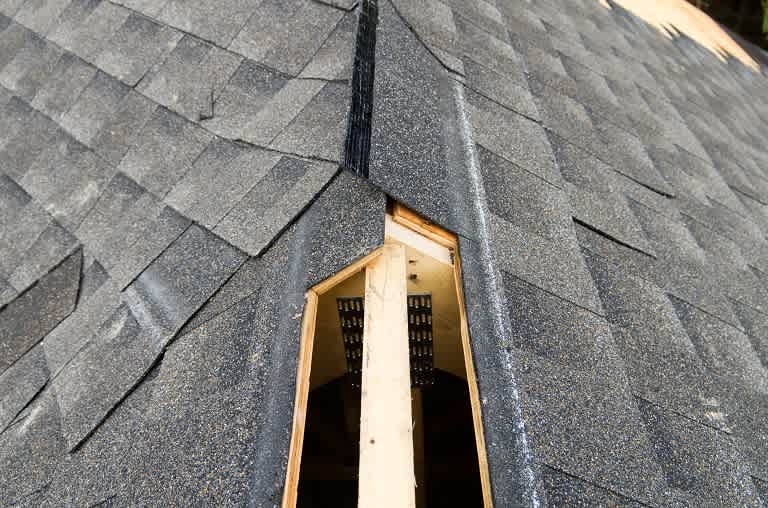
Roof ridge vents protect your home by reducing moisture in the attic. A number of factors affect ridge vent cost, and we break them down here.
Roofing costs depend on your project and location. Check with a local pro for your specific job.

Professional roof vent installation costs between $200 and $750 per vent, with an average of $475 depending on your vent type.
The vent style you choose affects materials and labor, with passive vents simpler than electric or solar options.
You should budget for maintenance and repairs, like keeping vents clear and fixing damage, to protect performance.
Hiring a local roofing professional ensures your attic gets balanced airflow and reduces condensation, mold, and temperature issues.
Your total project cost will include adding as many vents as necessary to adequately protect your home. Each vent will require penetrating the roof sheathing or soffit material, installing it, and then sealing the materials back in place.

Many types of roof vents exist, but they all operate by moving air into or out of the space below your roof's decking. Roof vents are available in passive or active types.
For example, a ridge vent acts differently than a turbine vent in that a ridge vent is passive, with no moving parts, and a turbine, is active, as it relies on wind power and motion to move the air. The type of vent that will work best for your roof will determine the material cost of your project.
| Roof Vent Type | Average Cost Range (Each, Installed) |
|---|---|
| Turbine | $75–$300 |
| Mushroom | $100–$200 |
| Turtle | $75–$175 |
| Ridge | $200–$700 |
| Gable | $75–$250 |
| Cupola | $200–$900 |
| Electric or Solar | $300–$1,200 |
| Soffit | $100–$500 |
| Eave or Fascia | $75–$200 |

The size of your roof will determine the amount of ventilation or the number of individual vents needed to maintain proper airflow and eliminate damaging condensation. The roofing contractor who installs your ventilation can perform the necessary calculations.
Variables like your roof's pitch and whether it's a hot or cold roof, among other details, come into play when doing the calculations. The general rule is that your roof needs one square foot of ventilation capacity for every 150 or 300 square feet of attic floor space. The difference depends on the building code requirements in your location and specifics about your roof's construction.
You'll need to install enough individual vents to meet the ventilation requirements. Each vent type and size accounts for a particular measurement of square feet of ventilation. This is the net venting square footage, and it applies to a combination of intake and exhaust air movement.
For instance, an active vent like an electric, solar, or turbine vent can move more air than a passive vent, such as a mushroom or turtle style. Roofs also require intake vents like soffit or eave vents.
| Roof Size ( Attic Square Feet) | Net Venting Requirements (Square Feet) |
|---|---|
| 500 | 3.33 or 1.66 |
| 1,000 | 6.66 or 3.33 |
| 2,000 | 13.33 or 6.66 |
| 2,500 | 16.66 or 8.33 |
| 3,000 | 20 or 10 |
| 3,500 | 23.33 or 11.66 |
The shape and complexity of your home's roof can play a role in determining how much venting is necessary. While the roof shape matters little when determining the square-foot measurement of your attic, the roof shape can affect airflow through the space. Particularly complex roofs with multiple dormers or ridges will require either more vents or active venting to provide adequate airflow.
The materials that make up your roof won't affect the amount of venting it needs. However, it can affect the cost of the project. Roofs that consist of metal, tiles, or slate are more costly than asphalt shingles to reseal after the vent installations.
Additionally, because your roofer will need to remove and reseal more material for ridge venting versus single-point vents, they will cost more to install. Expect to spend an amount closer to the top end of the pricing range if your home's roof is something other than asphalt shingles.
Labor is a significant cost factor when discussing roof venting, accounting for between 30% and 60% of the job's price. Labor pricing varies by location based on the cost of living in your area. Additionally, if your home's roof is particularly steep or complex, expect to spend a higher percentage on labor, as the job will take longer to account for worker safety and the complexity of the task.
Location is an essential pricing factor for roof venting. While the average wages for your roofers will affect the total project cost, another significant variable is the climate. However, this factor isn't easily definable between hot and cold climate areas, as both require proper ventilation. The difference relates to humidity, ice dam probability, house construction, and local regulations. Your roofing pro is responsible for calculating how much venting your home needs in its location.
Ongoing costs associated with your roof's ventilation system depend on the type of vent you install. They can also depend on the conditions surrounding your home, such as tree cover. The primary costs relate to keeping the vents clear of obstructions and ensuring they work properly if they're active vents.
If you install active roof vents, you'll occasionally need to check, or hire a pro to check, that they continue to function correctly. Additionally, keeping your vents clear of obstructions can happen by regularly cleaning your roof and gutter systems.
Roof inspection costs: $125–$360
Gutter cleaning costs: $120–$235
Roof cleaning costs: $295–$620
If you discover damage when inspecting your roof's ventilation system, repairing it as soon as possible is necessary to avoid roof trouble from condensation buildup underneath it. The cost of roof repair can reach $2,000, while the cost of repairing the vent system can be under $250.
Hiring a local roof vent installation pro costs more upfront, but you benefit from proper ventilation design, safe roof access, and a leak-free installation. Pros bring the right tools, roofing experience, and knowledge of ventilation requirements to ensure your attic receives adequate airflow and your roof system lasts longer.
Installing roof vents involves cutting into the roof, sealing around penetrations, and ensuring the vent type is matched correctly to your attic’s airflow needs. Here are some of the top reasons to work with a pro:
Professionals know how to determine the proper number and type of vents—such as ridge vents, box vents, or turbine vents—to balance intake and exhaust airflow.
They ensure vents are installed without damaging shingles, underlayment, or roof decking, reducing the risk of future leaks.
Hiring a pro reduces the chance of improper placement, which can lead to condensation, mold growth, or poor attic temperature control.
Many roofing contractors can bundle services such as attic insulation upgrades, roof repairs, or full roof inspections to improve overall home efficiency.
Roof vent installations often happen while other roof-related projects are happening in the home. Replacing the roof often involves also updating or upgrading its ventilation components. Here are several to-dos you can also consider while installing roof vents.
Roof replacement costs: $5,865–$13,210
Attic insulation costs: $1,700–$2,500
Siding installation costs: $5,560–$17,625
Gutter installation costs: $625–$1,715
Gutter repair costs: $240–$480
Gutter downspout installation costs: $315–$1,070
Window replacement costs: $3,445–$11,835
Tree trimming costs: $270–$1,800
Skylight installation costs: $1,010–$2,805
Your roof requires adequate ventilation to avoid potentially serious and costly damage later. Skimping on the amount of ventilation your roof needs isn't a good idea. However, you can make a few decisions to help control costs and fit a budget.
If possible, choose passive ventilation types over active ones. This can mean installing more vents, but at a lower overall cost.
Opt for in-stock venting materials from your contractor instead of choosing custom variations.
Hire your roofing company to also upgrade your roof's venting system if necessary at the time you install a new roof instead of as a stand-alone project later. This will reduce the labor cost of resealing the roof after the fact.
Let your pro know your roof type and pitch so they can choose the right style of vent and ensure safe access.
Discuss whether you need a specific kind of vent—ridge, box, turbine, or powered—based on your attic’s ventilation needs.
Ask if you need to prep anything beforehand, such as clearing attic access or moving stored items.
Confirm whether unexpected costs could come up, like repairing damaged shingles, addressing moisture issues, or cutting through multiple roof layers.
If you’re considering additional improvements like adding insulation, soffit vents, or a ventilation fan, ask whether it’s cost-effective to complete them during the vent installation.
Home is the most important place on earth, which is why Angi has helped more than 150 million homeowners transform their houses into homes they adore. To help homeowners with their next project, Angi provides readers with the most accurate cost data and upholds strict editorial standards. We extensively research project costs to develop the pricing data you see, so you can make the best decisions for you and your home. We rely on reputable sources, including the U.S. Bureau of Labor Statistics, academic journals, market studies, and interviews with industry experts—all to ensure our prices reflect real-world projects.
Want to help us improve our cost data? Send us a recent project quote to [email protected]. Quotes and personal information will not be shared publicly.
Mitchell and the crew were top tier i am so happy with my new roof
 Home Genius Exteriors
D1 Roofing delivers outstanding service from beginning to end, backed by a strong warranty and expert teams. I highly recommend them for their excellence in meeting and surpassing expectations with unmatched communication. Choosing D1 Roofing was flawless decision
 Division 1 Roofing LLC
This place took $25,000 for a flat roof job with a five-year warranty and never returned to fix the leaks that were caused by their work. These people are not professionals and should not be doing this type of work. They incorrectly changed the pitch of the roof, and caused more damage than...
The technician was very professional and friendly. He answered all my questions and was very thorough. He left the fireplace area very clean . He inspected from the roof and advised me as to other work that might need to be done. There was no pressure there. I was very satisfied with the...
 Supreme brick & chimney
I am really impressed with their timeliness and turnaround. Mitchell came out, and we decided to move forward with their pricing. Our roof was on within a week, and we could not be happier with their team! Amazing company, great prices and honest, dependable craftsmanship. I highly recommend...
 Window Depot USA of Central Ohio
Manuel Calvillo is the best option in the area for roofing and you won't be disappointed.
They damaged multiple items on my property, including a marble slab used as a table top, tried to hide it, and refused to pay or replace. Arrived day one without a ladder to access roof & delayed a day. Left a mess in back yard; didn't wear face masks; no show by owner to property to see damages
 Grants Tree Service
I've hired Gary/Cherokee Roofing for two different homes, work quality, responsiveness, and completion have been great both times. And the prices quoted were very competitive. I would definitely hire again.
Lyle did a great job removing asbestos shingles from our front porch roof. They worked together with our roofer to make sure that the new roof was able to be installed on the same day that Lyle removed the asbestos shingles.
 Lyle Environmental
Bradley Builders did a good job replacing the roof on our front porch. They color-matched the existing shingles on the rest of the house and installed a metal ridge roll since we live in a historical neighborhood. They did the job while we were out of town. When we got back, everything was...
 Bradley Builders, Inc.
From average costs to expert advice, get all the answers you need to get your job done.
Roof ridge vents protect your home by reducing moisture in the attic. A number of factors affect ridge vent cost, and we break them down here.
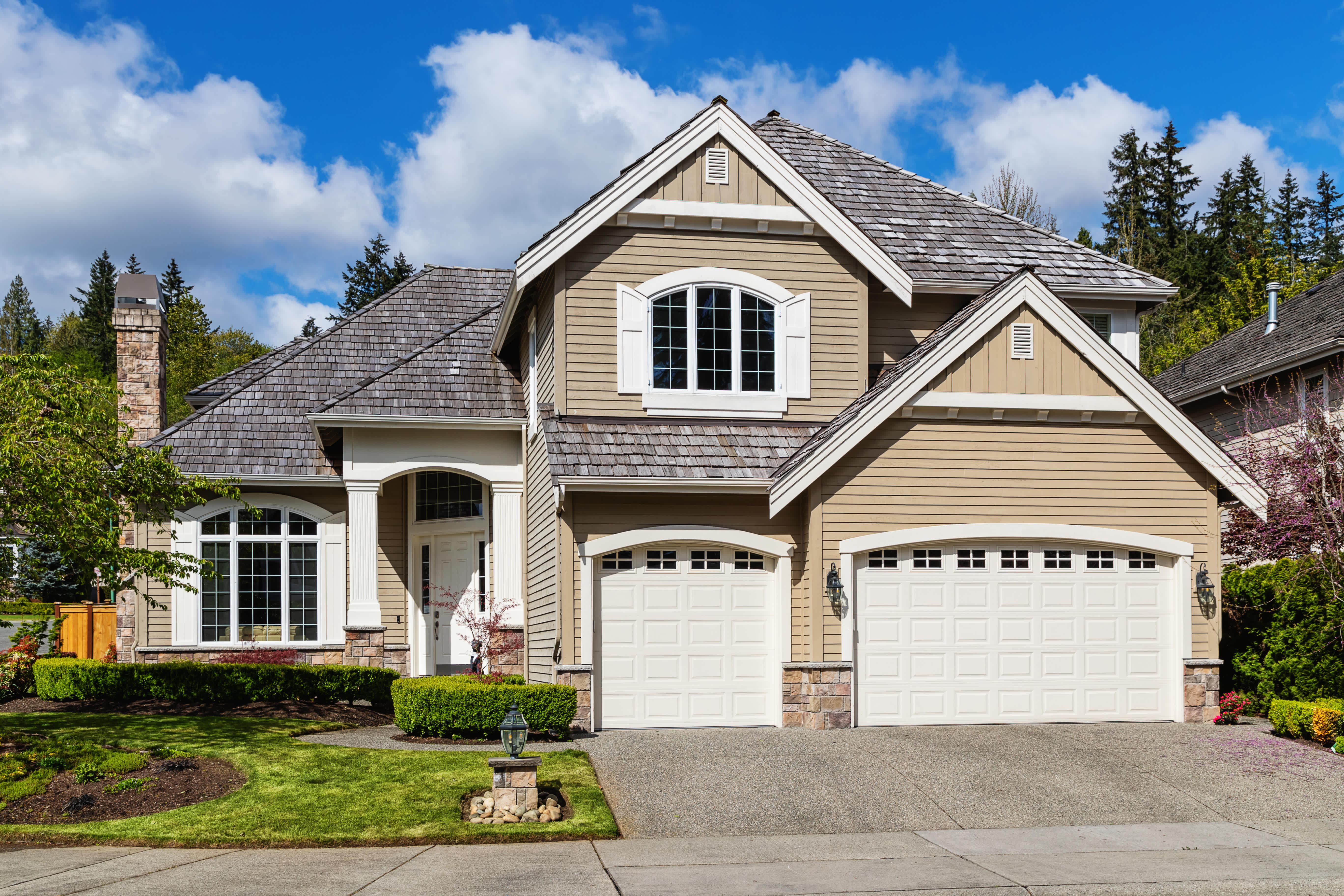
The cost to replace roof vent boots depends on a few factors, like the size of the vent, its location, and your existing roof material.
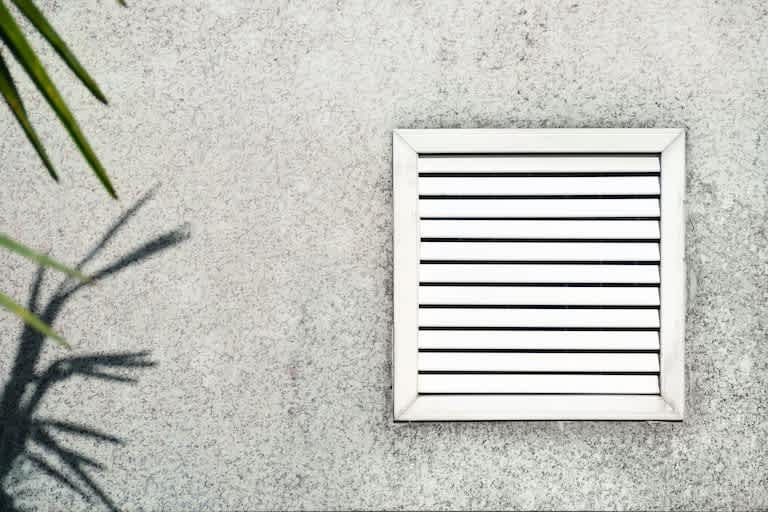
Several factors impact dryer vent installation cost. Use this guide to learn what affects the cost, and how much you should budget for this project.
Who installs roof vents? Your best bet is to pick a licensed, professional roofing contractor to do the job. Learn why in this guide.
The pros and cons of roof ridge vents can make them an attractive option for new construction and certain types of roof designs.
What is a ridge vent? It allows air to flow in your attic, dissipating heat and humidity buildup. We’ll help you learn what it can do for your home.