
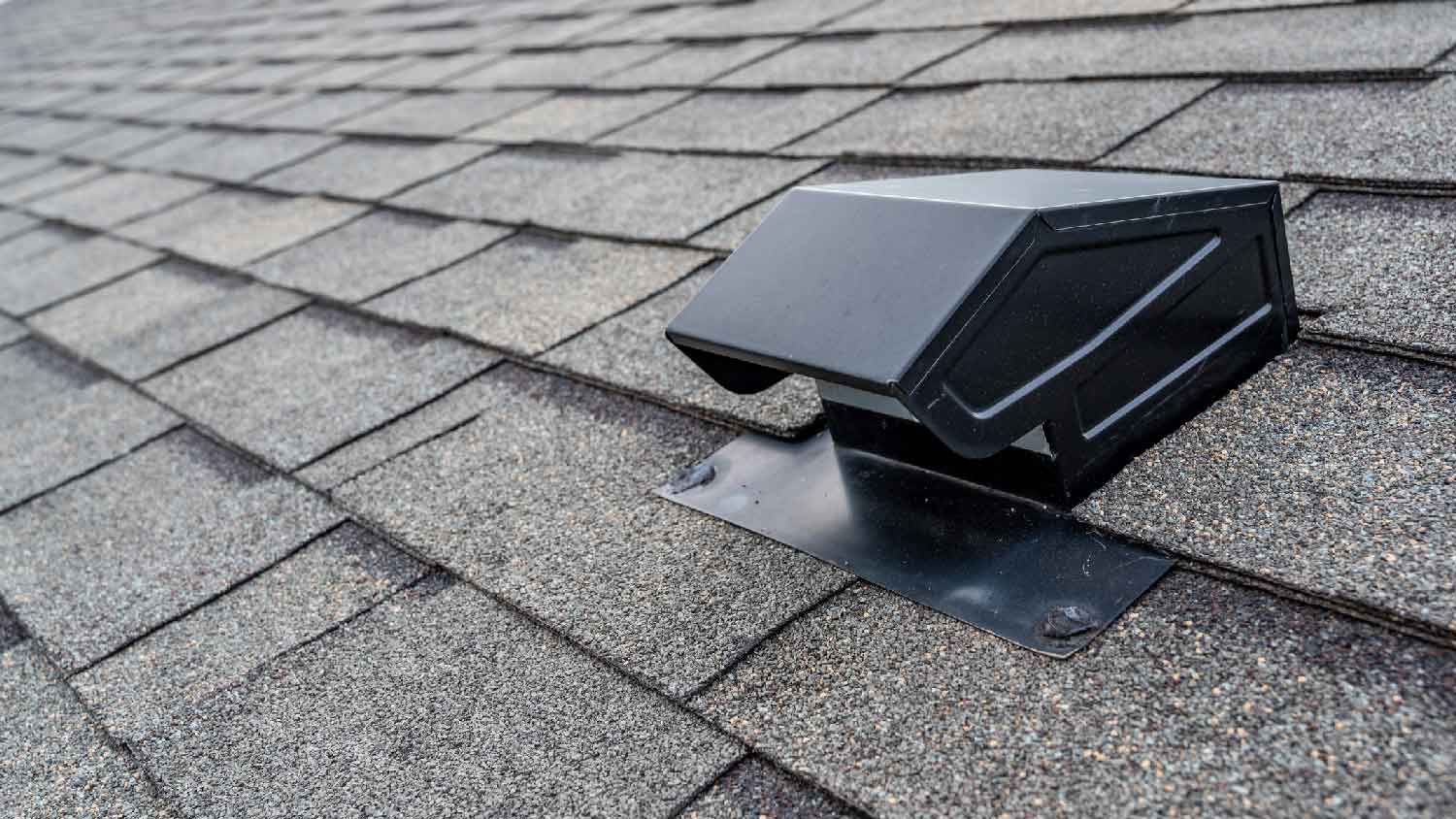
This guide lays out the cost to install a roof vent on your home depending on the type of ventilation that's best for your roof based on several factors.
Improve the airflow in your attic without sacrificing curb appeal


Ridge vents install along your roof's peak to improve attic airflow by drawing out warm air and moisture, helping extend your roof's lifespan.
Typical costs range from $300 to $650 for professional ridge vent installation, including materials at $2 to $3 per linear foot and labor fees.
Ridge vents with baffles protect your attic from rain, snow, wind, and insects better than vents without baffles, especially in areas with regular precipitation.
Hiring a local roofing professional provides reliable guidance on ridge vent installation and helps you choose the right ventilation system for your roof design.
When you’re searching for the best roof vent for your home to keep the air flowing in and the moisture out, you’ll likely come across ridge vents. In this guide, learn the benefits of ridge vents plus their cons and estimated costs.
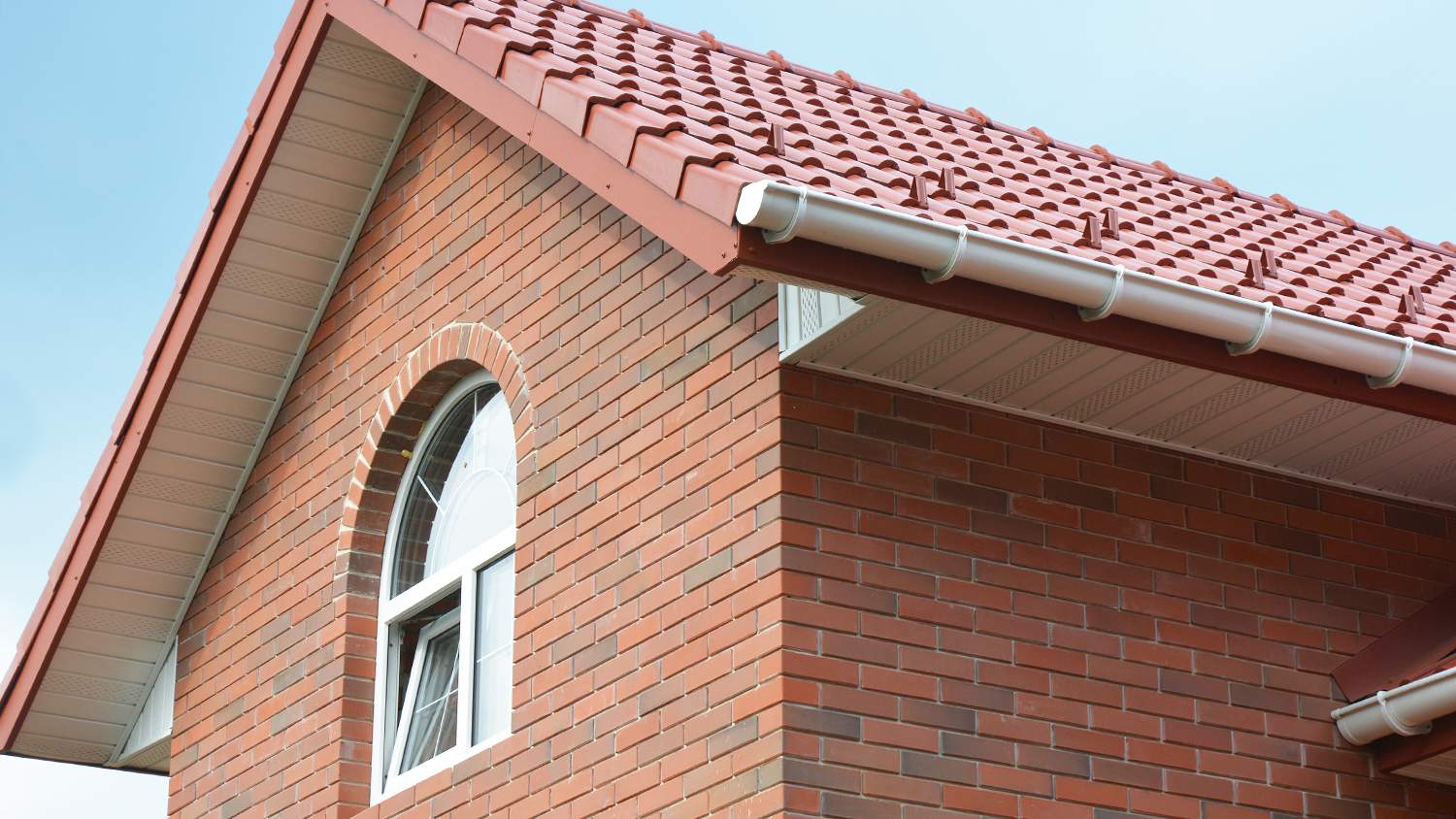
Ridge vents are installed along the ridge, or peak, of the roof. Placed at the highest point of the roof, these vents help to control airflow in the attic by drawing warm air and moisture out, allowing air circulation.
Ridge vents are installed over an air slot that is cut directly into the roof deck and typically runs the entire length of the ridge. Once installed, it is covered with the roofing material which helps it blend into the roof.
Like your kitchen or bathroom, your roof needs ventilation to extend its life span and control temperatures. Proper roof ventilation helps reduce HVAC costs and prevents ice dams and moisture damage. A roof repair pro can assess your roof and make recommendations.

There are two types of ridge vents: ones with a baffle and ones without a baffle, and the one you choose will depend on your particular roof and its needs. Most ridge vents in areas that get regular rain or snow use baffles.
A ridge vent with a baffle uses an external baffle to deflect rain, wind, snow, insects, and debris, keeping it from entering the vent and, ultimately, the attic.
Ridge vents without baffles reduce the suction that roof vents with baffles create. Air is allowed to flow into the ridge vent, which prevents warm air from escaping or only allows it to escape from one side of the vent.
| Pros | Cons |
|---|---|
| Better attic airflow | Potential leakage |
| Good aesthetics | Tricky DIY install |
| Increased roof life | Won’t fit some roofs |
| Blocks insects | Snow penetration |
| Dissipates humidity | Costlier upfront |
If you have heat or humidity buildup in your attic, the biggest benefit of roof ridge vents is their ability to improve airflow in this space. If left unchecked, heat and humidity could cause mold and mildew in your attic, as well as an unpleasant, musty smell. As mold and mildew build up, your roof may suffer unnecessary rot damage, necessitating replacement.
The design of the roof ridge vents won’t detract from the look of your home or roof. They have a low profile that’s not obvious at a glance, unlike some other designs. Additionally, insects cannot penetrate these seamless-style vents.
However, the roof ridge vent design could allow snow or rain to penetrate, especially when high winds are driving the precipitation. Following the proper installation technique is key to reducing issues with this type of moisture penetration. Certain roof design styles, such as hip roofs, do not work well with roof ridge vents. Gable roof designs tend to accommodate this kind of vent well, though.
What is a ridge vent and how does it compare to other venting options? Here is how these vents compare.
Soffit vent versus ridge vent: The soffit vent sits under the eaves of your home, while the ridge vent sits at the peak of the roof. Homeowners often use these two passive vents together for maximum airflow.
Gable vent versus ridge vent: The rectangular gable vent sits at the peak of the gable roof. It’s easier to install than the ridge vent, but the ridge vent is less likely to leak while providing greater airflow. Both types are passive vents.
Box vent versus ridge vent: Box vents can go anywhere along the slope of the roof. They are clearly visible, causing reduced curb appeal, unlike ridge vents. Ridge vents can move more air and have less of a chance of leaks than box vents. Both are passive vents.
Roof turbine versus ridge vent: Roof turbines use circular blades to catch wind. The turbine then spins and moves air inside the attic. Even though they don’t use electrical power, the moving parts mean roof turbines are not passive like ridge vents. Roof turbines cost less, but they tend to require more frequent maintenance than ridge vents. Some homeowners also consider them eyesores.

Unlike other styles of vents, where you count the number of vents you need, it’s easier to count ridge vents by the linear feet they occupy.
Each linear foot of a ridge vent provides about 18 square inches of passive venting capability. For passive vents, you should need 200 to 250 square inches of passive venting per 1,000 square feet of attic space.
Based on those numbers, here is approximately how many linear feet of roof ridge vents you need. If you have odd angles in the attic that significantly affect airflow, you’ll need more linear feet of ridge vents.
| Feet of Ridge Vents | Attic Space (Sq. Ft.) |
|---|---|
| 6–7 | 500 |
| 9–10 | 750 |
| 12–14 | 1,000 |
| 18–20 | 1,500 |
| 24–26 | 2,000 |

The average cost to install ridge vents is $300 to $650, including $2 to $3 per linear foot for the material and $45 to $75 per hour in labor fees. Here’s a look at how much it costs to have a pro who installs roof vents put in other kinds of vents:
Soffit vents: $315–$465
Gable vents: $60–$150
Roof turbine: $65–$250
However, most roofing contractors won’t charge extra to install ridge vents if you are replacing the entire roof. When choosing a roofer, find out if installing ridge vents will cost extra. If you need assistance with seeing whether the benefits of ridge vents are right for you, contact your local roofing contractor.
Roof ridge vent installation is best done when the entire roof is being replaced, but they can be added at any time. Here are some signs that your roof may need more ventilation:
Water damage or mold in the attic: High heat and humidity levels in the attic occur because of poor ventilation and airflow, leading to damage from excess moisture.
Ice dams in the winter: Without proper ventilation in the attic, you may have inconsistent temperatures on the surface of the roof. Melting snow from warmer areas can’t drain away because ice remains in place in colder areas and blocks the water flow. Ice dams eventually cause roof leaks.
Cracked or loose shingles: When temperatures are too hot in the attic, the excess heat can affect the integrity of the shingles overhead, causing them to break down or crack prematurely.
Extreme heat in the attic: If you feel a blast of hot air each time you enter your attic, this is a sign of poor ventilation, which can lead to a buildup of humidity and the formation of mold.
Unusually high energy bills: Proper ventilation in the attic improves the ability of your heating and cooling system to maintain consistent temperatures throughout the home, leading to lower energy costs.
Mitchell and the crew were top tier i am so happy with my new roof
 Home Genius Exteriors
D1 Roofing delivers outstanding service from beginning to end, backed by a strong warranty and expert teams. I highly recommend them for their excellence in meeting and surpassing expectations with unmatched communication. Choosing D1 Roofing was flawless decision
 Division 1 Roofing LLC
This place took $25,000 for a flat roof job with a five-year warranty and never returned to fix the leaks that were caused by their work. These people are not professionals and should not be doing this type of work. They incorrectly changed the pitch of the roof, and caused more damage than...
The technician was very professional and friendly. He answered all my questions and was very thorough. He left the fireplace area very clean . He inspected from the roof and advised me as to other work that might need to be done. There was no pressure there. I was very satisfied with the...
 Supreme brick & chimney
I am really impressed with their timeliness and turnaround. Mitchell came out, and we decided to move forward with their pricing. Our roof was on within a week, and we could not be happier with their team! Amazing company, great prices and honest, dependable craftsmanship. I highly recommend...
 Window Depot USA of Central Ohio
Manuel Calvillo is the best option in the area for roofing and you won't be disappointed.
They damaged multiple items on my property, including a marble slab used as a table top, tried to hide it, and refused to pay or replace. Arrived day one without a ladder to access roof & delayed a day. Left a mess in back yard; didn't wear face masks; no show by owner to property to see damages
 Grants Tree Service
I've hired Gary/Cherokee Roofing for two different homes, work quality, responsiveness, and completion have been great both times. And the prices quoted were very competitive. I would definitely hire again.
Lyle did a great job removing asbestos shingles from our front porch roof. They worked together with our roofer to make sure that the new roof was able to be installed on the same day that Lyle removed the asbestos shingles.
 Lyle Environmental
Bradley Builders did a good job replacing the roof on our front porch. They color-matched the existing shingles on the rest of the house and installed a metal ridge roll since we live in a historical neighborhood. They did the job while we were out of town. When we got back, everything was...
 Bradley Builders, Inc.
From average costs to expert advice, get all the answers you need to get your job done.
This guide lays out the cost to install a roof vent on your home depending on the type of ventilation that's best for your roof based on several factors.

Attics need adequate ventilation between intake and exhaust vents. Too much or not enough ventilation can lead to roof damage and high utility bills.
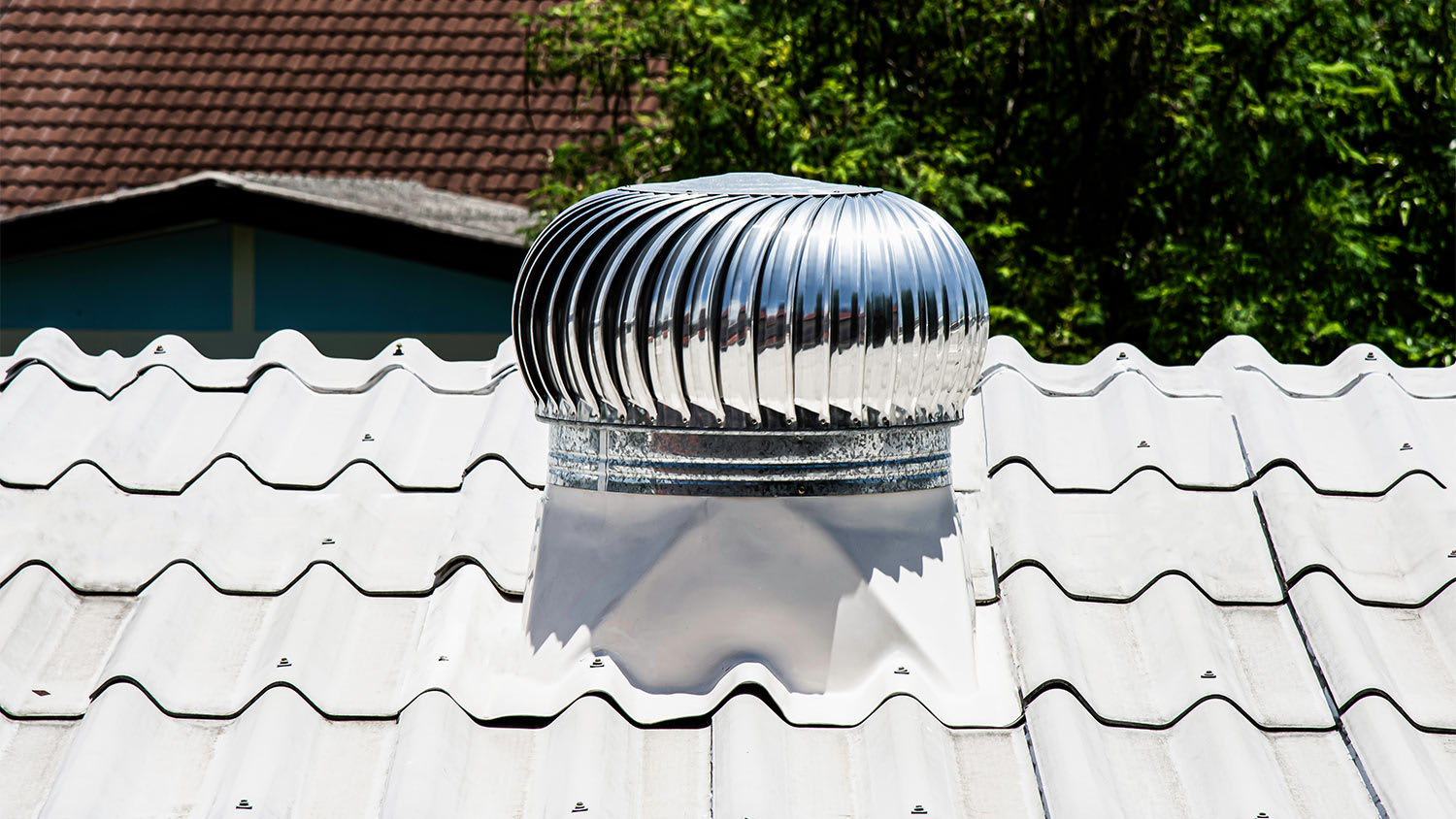
Hot or humid attic? Installing roof vents can keep your home cooler and save on utility bills. Learn about roof ventilation systems, pros and cons, and more.
Roofing is a big investment, so you probably want to extend the life of your roof for as long as possible. These tips can help.

An attic without proper ventilation can cause a number of roofing problems, inside and out. Here’s how you can tell if a poorly ventilated attic is wrecking your roof.
Airflow never looked so good. Get an inside look at how soffit vents work and keep your roof and attic dry, cool, and mold-free.