
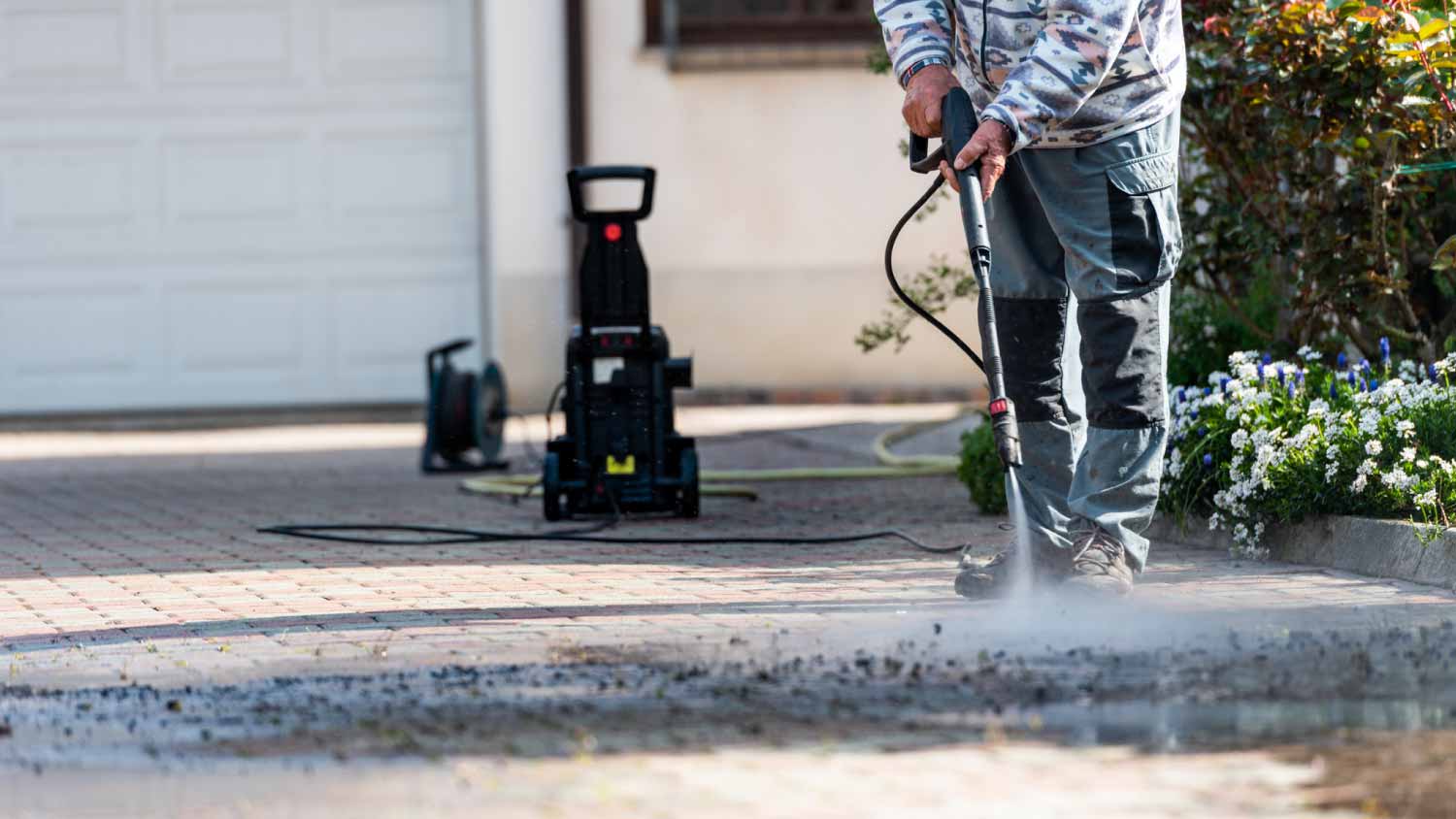
A leak can damage a pressure washer and cost more money in fuel. What would cause a pressure washer to leak oil? Find out the six top causes with this guide.
Keep your washing machine’s water where it belongs

A worn door seal is the most common reason your washing machine is leaking, as the gasket loosens, deteriorates, or accumulates debris over time.
Loose or damaged hoses cause large water leaks underneath your washing machine, and you should check both external and internal connections for corrosion or improper installation.
Your washer inlet valve can leak steadily when debris or mineral deposits clog the filter screens, and cleaning them often solves the dripping problem for you.
Hiring a local appliance repair company provides reliable help with hose replacements and drain pump repairs, keeping your laundry room dry and your washer running smoothly.
Uh oh. A leaking washing machine can turn your laundry room into a slippery mess—or worse, a moldy nightmare. But with a little investigating and some tips on how to fix your washing machine, you can prevent water damage from infiltrating your home. Here are six common reasons why your washing machine is leaking water and what you can do about it.
According to Angi customers, about 21% of washer and dryer problems involve a system that doesn’t work at all. Other commonly cited problems include being too noisy and not draining properly, at 10% each.
Gaskets serve as seals to keep water from leaking out of your washer, so they should be one of the first parts of your washer to investigate when there's a leak. The gasket is that squishy, black rim that lines your front-loading washing machine’s door. This mechanism can easily loosen, deteriorate, accumulate mineral deposits, or become snagged over time.
If you notice a compromised gasket, it should be a quick fix. A loose gasket may only need to be wiggled back into place. Gaskets with mineral buildup or debris may need a good cleaning. Damaged gaskets, however, need to be replaced entirely to have a secure seal. Make sure you choose the correct-sized gasket for your washer by measuring it or looking at the specs for your particular washing machine model.

Another common reason for washers to leak water is loose internal or external hoses. Damaged or improperly installed hoses typically cause a huge mess. If you notice large pools of water, then there is a good chance that your appliance’s connections are compromised.
Investigate external hoses for signs of corrosion, and give them a wiggle to see if any are loose. Internal hoses may need extra steps before you can check for signs of a leak. Remove the cabinet that houses the internal hoses, then take a peek and scan the hoses for damage or loose connections.
If you notice loose connections, you may be able to get away with tightening the clamp surrounding the house. For damaged hoses or the wrong-sized hose, you’ll need to replace the hose. Choose a compatible or manufacturer-made material when replacing the hose. It might be best to have a local appliance repair company remove and replace the hoses for a secure connection.
Washers leaking water from the bottom may have a defective drain pump. When washers have a pump that doesn't work, there could be a problem with the pump's ability to drain the water after completing the cycle. Sometimes, the pump itself is defective, while other times, the issue is a loose connection.
Loose connections may be tightened, but a faulty drain pump likely needs replacing. You’ll probably spend more on the cost of fixing your washer’s pump than you would if you replaced it. When replacing your washer’s pump, It's important to choose the right type of drain pump. Your washing machine may have a direct drive, belted, or electric system pump, so check the specs of your particular appliance before buying a replacement water pump.
Your washer’s pressure switch monitors how much water enters your washing machine. If the pressure switch has an issue, this can quickly turn your laundry room into a splash pad. Your washer won’t know when to stop filling the tub and can continue filling with water until someone intervenes.
When fixing a faulty pressure switch, it’s safer for you to hire a pro to tackle the issue. If you see pools of water around your electronics, there’s a chance of electrocution. Instead of trying to fix the problem, shut off the water to your washing machine to prevent further leakage before calling a technician or plumber. You may also want to look into how to make a water leak insurance claim with your homeowners insurance company for extensive damages. Expect to pay an emergency plumber cost of around $170 to have a pro look at the problem right away.

If your washer inlet valve is leaking, then you’ll have a more discreet leak on hand. The washer inlet valve manages the flow of water into the tub of your washing machine. This valve connects your washer to the hot and cold water hoses. If the washer inlet valve is leaking, you’ll have a steady drip of water regardless of whether your washer is on or off. Other signs include improper filling, incorrect water temperatures, and a washer that just won’t run.
Less obvious leaks are a recipe for mold, so learn how to check for mold to ensure you don’t have a mold problem on top of your leak.
Sometimes, the valve accumulates debris or mineral deposits and can start working again after a good cleaning. Thoroughly clean the filter screens and your washing machine to see if this solves the problem. If your washer inlet valve continues to leak, then you'll need to replace the water inlet valve.
A washer leaking water does not always mean that there is a problem with your washing machine. Skipping over the instructions is easy to do—after all, no one likes reading tiny and lengthy instructions on crinkly paper. However, if you don't follow the manual for your washer, then you could be setting your machine up for failure.
Always make sure that you do the following to ensure that you're correctly using your washer:
Use the correct amount of detergent.
Avoid overloading your washing machine.
Keep your washer on level ground.
Clean your detergent dispenser.
Routinely check the tub for blockages.
If you're wondering if fixing a washing machine leaking water can be a DIY project, the answer depends on the cause of the leak. Any issue that's rooted in hoses or plumbing should be handled by a pro. The same goes for any electrical issues with a washing machine. However, you may be able to tackle the job if you simply need to clean or swap out some parts.
If you need to replace your washing machine's gasket, this DIY project can be done for between $50 and $70 on average. If the washing machine's hose needs to be replaced, the DIY cost is usually below $20. Installing a new drain pump is a DIY project that can cost just $15 to $18 on average. With most plumbers and appliance repair pros charging between $45 and $200 an hour, paying for parts alone can allow you to save money if you're comfortable working on an appliance. While you may be eager to save a few bucks by trying your hand at fixing your washing machine, it's important to remember that the cost of water damage restoration that could be needed if improper repairs lead to leaks or flooding can total $1,349 to $6,222.
If you decide that it's time to call a local washing machine repair pro to help diagnose and fix a washing machine leaking water, it's important to ask the right questions. Keep in mind that a handyman who fixes washing machines isn't necessarily qualified to work on appliances just because they are willing to take on the task. Your appliance's manufacturer warranty may have strict rules regarding who can provide repairs. That's why working only with licensed appliance repair technicians is advised. Here's what to ask before agreeing to repairs:
Are you a licensed, bonded, and insured appliance repair company?
Are you certified to work on my brand of washing machine?
Is your work under warranty? How long does the warranty last?
How many years of experience does the person who will be working on my washing machine have?
Do you have references available?
How long will I have to wait for my appliance to be looked at and/or repaired?
How do you price your repair services?
How do you handle home warranty vs home insurance reimbursement and claims when an appliance has become broken or damaged?
Positive experience. As previously stated, the replacement/repair could not be completed (no fault of the plumbing tech) b/c misinformation was rec?d by property management maintenance. Thanks to the plumbing tech for your efforts. Appreciate you!
 The Waterworks
Carpet repair done well. Scheduling was easy. Showed up on time.
 BR Flooring Installation
As usual with ECO, tech Jordan was outstanding, very professional, very knowledgeable, and very thorough with repairs made to tankless water heaters. Very highly recommend ECO!!!
 Eco Plumbers, Electricians, and HVAC Technicians
I would recommend this company to anyone! He showed up on time, was friendly, completed a very difficult repair on our dryer vent cover, was responsive, and pricing was extremely fair and competitive. I would have him back to do any of our repairs or cleanings without hesitation!
 U.S.A. Dryer Vent, LLC
Everything from initial contact to completion was absolutely top notch. We contacted the business during off hours to leave a message, and the owner still reached out to feel out the issue within minutes. We were scheduled and repaired within 48 hours. I cannot say enough about the...
 Supreme brick & chimney
Ace Fireplace Services came to the rescue for my chimney repair. They were quick to pinpoint the issue and worked their magic to fix it. My chimney is now in excellent shape, and I'm a satisfied customer.
 Ace Fireplace Services
On Sunday 2/26 I requested quotes via Angi from 4 refrigerator repair businesses. Northwest Appliance responded to me Monday morning (2/27) and my refrigerator was repaired by noon the same day. Great communication, they did everything they said they would. The technician had the parts on...
Excellent! We were very satisfied with the service provided and the entire experience from start to finish. Very friendly and professional staff. I was able to instantly get in contact with them for a quote and the response time and overall communication remained quick and easy throughout the...
 Prime Cleaning Service
Description says they handle window repair including rotten hardwood - they called me back right away but didnâ t leave a voicemail. I followed up 3 days later and they said they donâ t do that kind of work.
 Window-Gurus
I needed reliable, affordable help the day of with moving a couple of appliances and misc items. It was a relief to hear back from Tanzillo almost instantly that morning so I could stop looking and move on to plan and prepare. Every part of the move was friendly and professional. Next time I...
 Tanzillo Concrete & Landscape
From average costs to expert advice, get all the answers you need to get your job done.
A leak can damage a pressure washer and cost more money in fuel. What would cause a pressure washer to leak oil? Find out the six top causes with this guide.
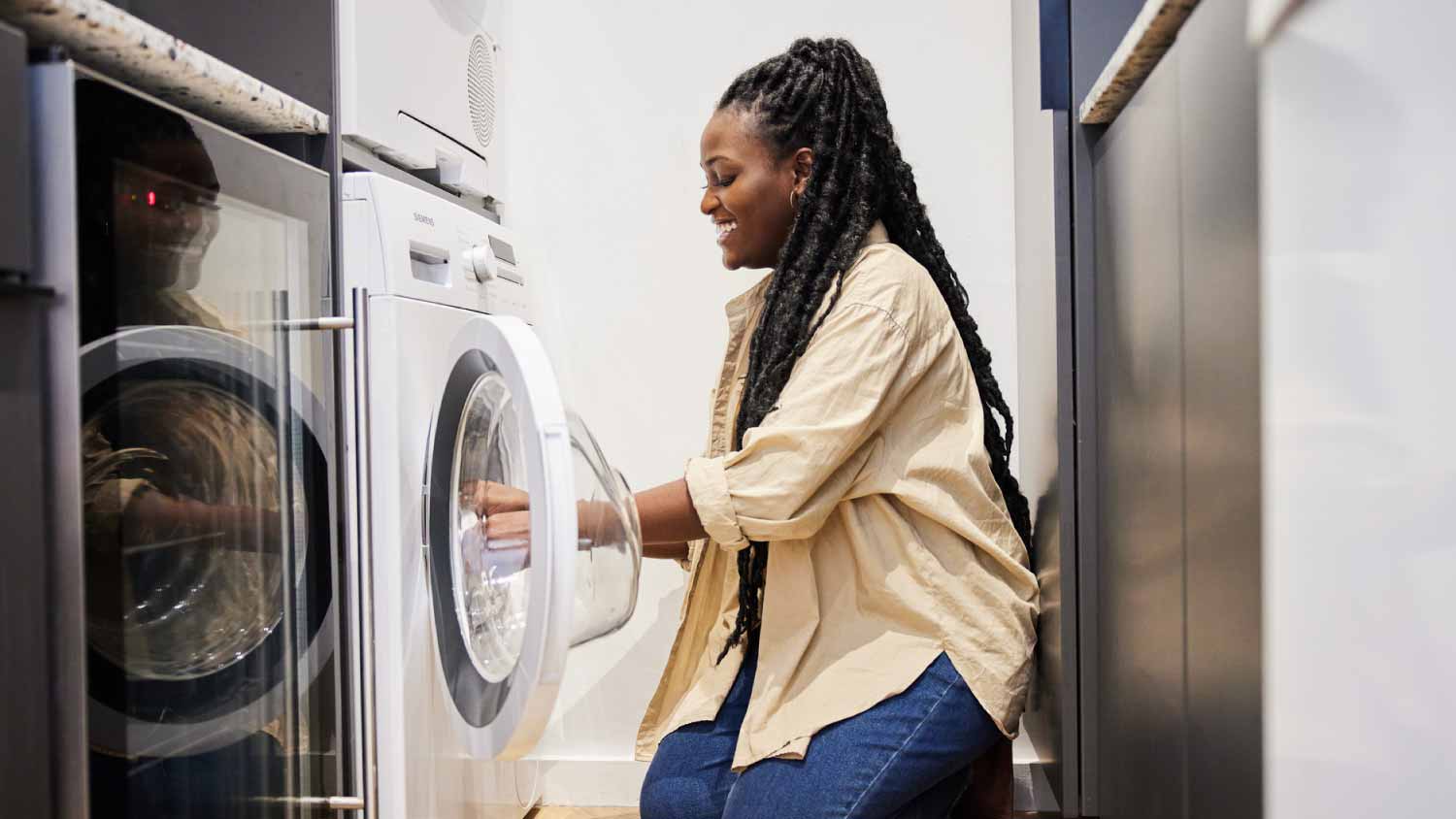
Now the reasons why your dryer is leaking water and what you can do to prevent further water damage and address the problem.
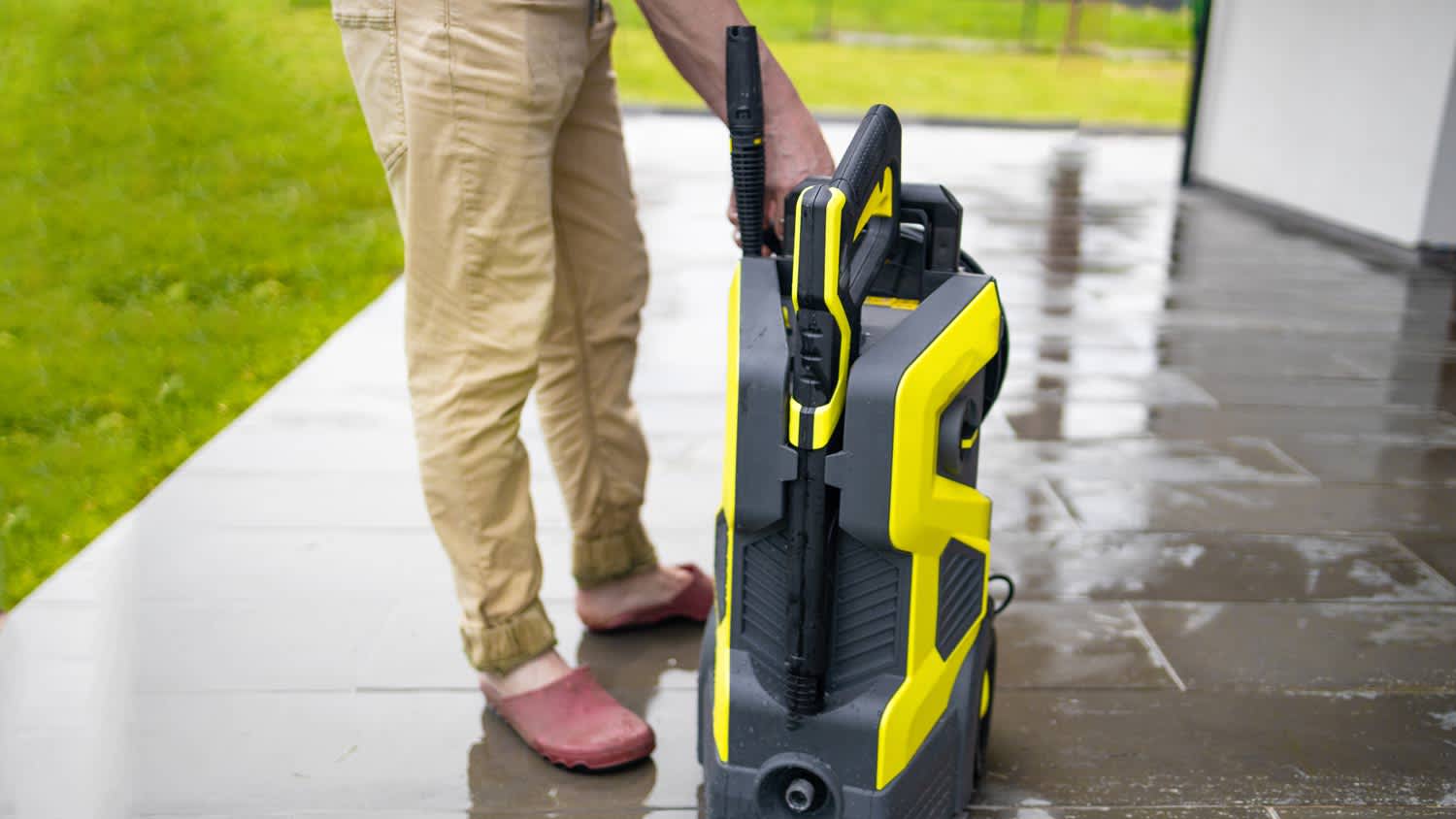
Pressure washer troubleshooting can save you a trip to a pro and a service fee. We’ve rounded up common pressure washer issues to help you fix your washer.
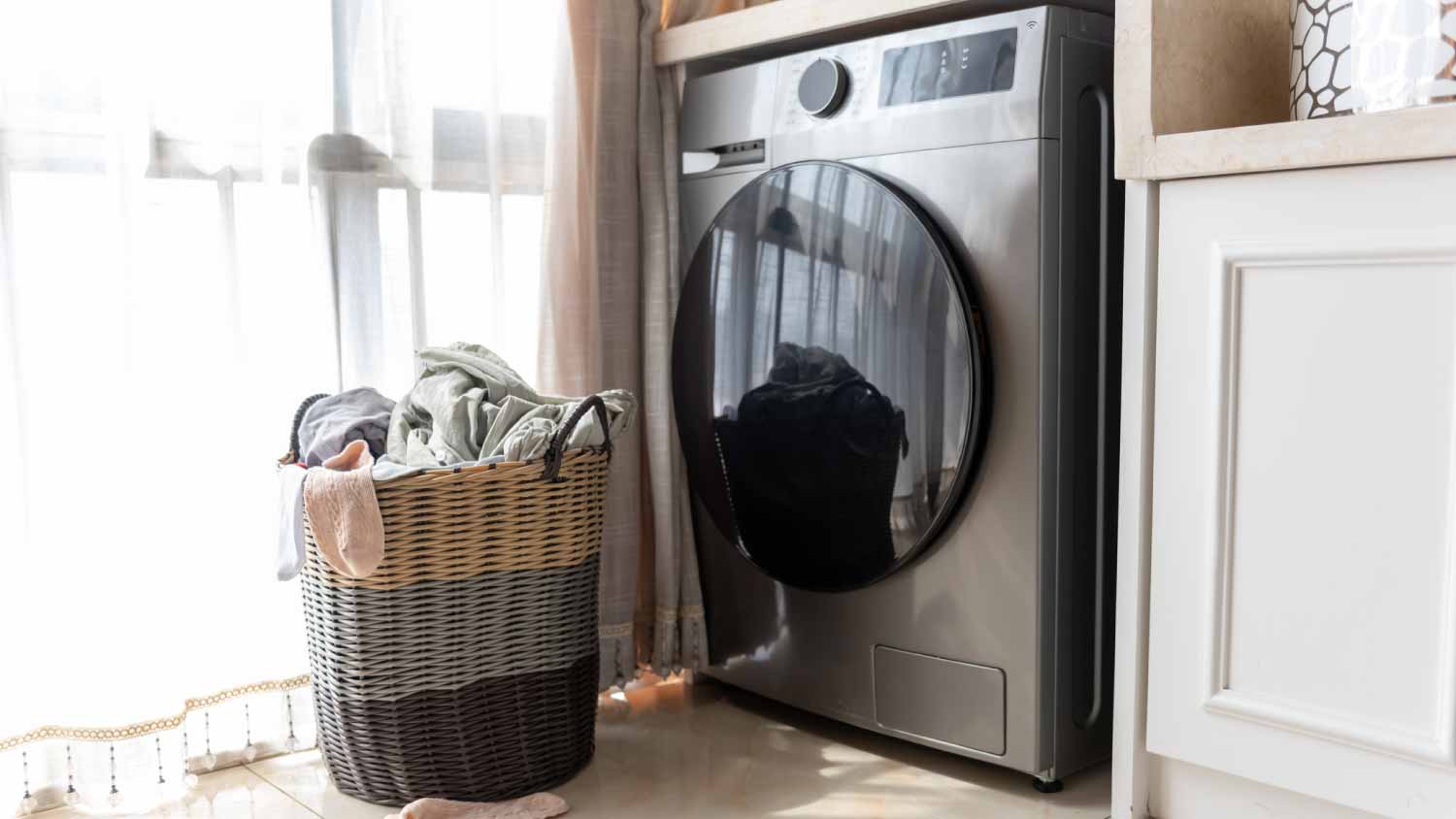
Why is my washer not filling with water? The answer could be simple enough to fix yourself, or it may require professional repair. Here's how to know.

Is there water in your water heater pan? Why is my hot water heater leaking? We’ll review common causes for leaking water heaters—and what to do.

Furnace condensation is natural, but leaks bring up cause for concern. Find out why your furnace is leaking water and what to do next to fix it.