
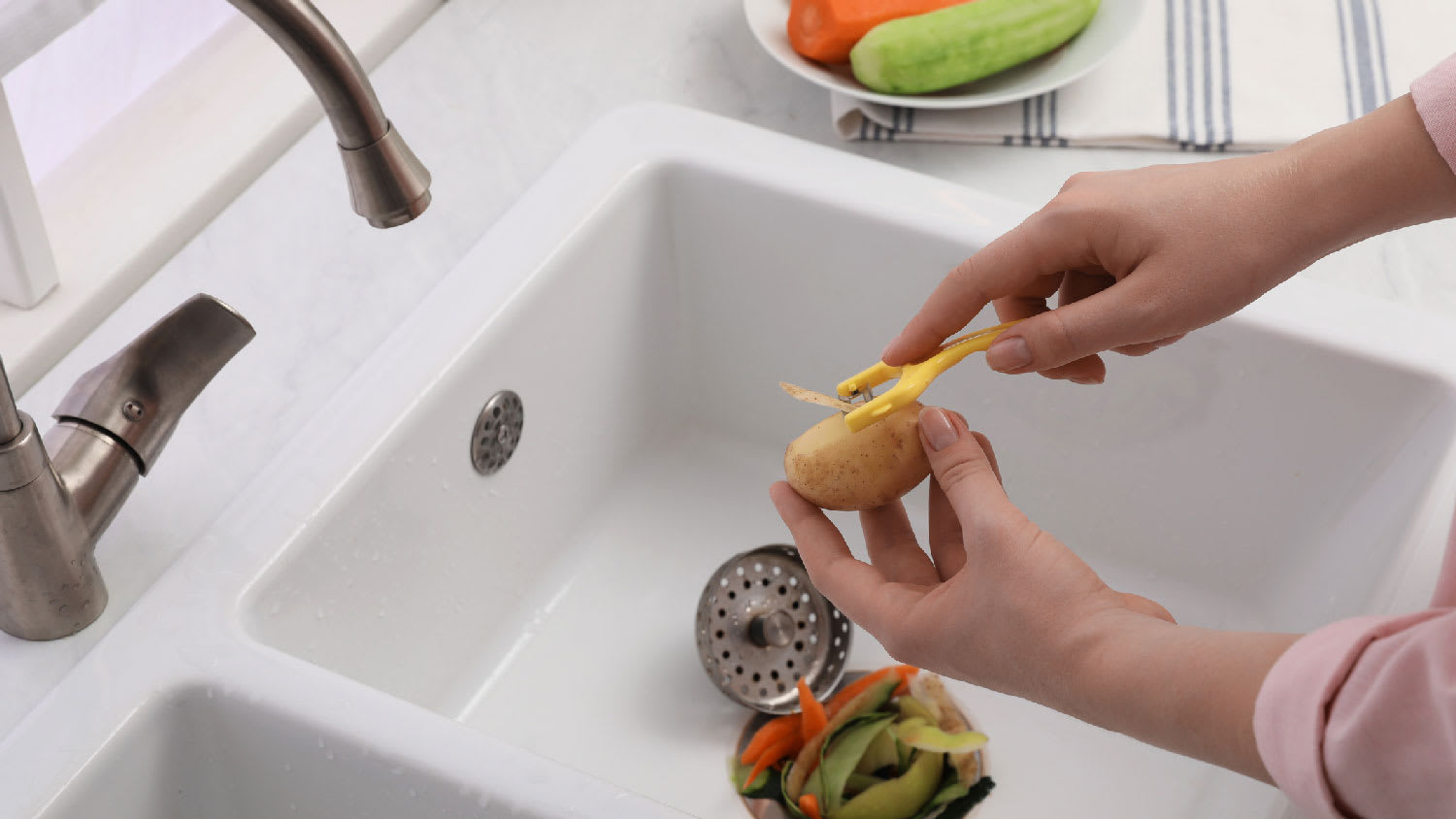
Garbage disposal repair costs depend on the specific issue, but you can save money if you DIY. Read on to learn which problems you can fix yourself and which require a professional.
Ditch the leak once and for all

A garbage disposal leaking from the bottom often signals worn internal seals that allow water to escape through deteriorated plumber's putty securing your disposal components.
Replacing a garbage disposal costs $150 to $950, with average costs around $550, so addressing leaks early helps you avoid more expensive water damage repairs.
Check your drain lines and metal clamps for looseness, as tightening these connections can stop leaks without requiring you to replace any major disposal components.
Hiring a local garbage disposal repair professional provides confident support when addressing worn seals, loose drain lines, and cracked housing, keeping your kitchen dry and functional.
If you hear the pitter-patter of a leak collecting under your kitchen sink, then your garbage disposal could be leaking from the bottom. Before you have a mold problem on your hands, you'll want to act quickly so that you don’t have to chip in extra for water damage remediation costs. Here are 8 top reasons your garbage disposal is leaking from the bottom and ways for you to fix the problem fast.
To reduce the risk of water damage caused by faulty appliances, make it a habit to check for signs of dampness, mold, and pooling water monthly.

Garbage disposal units contain seals that keep leaks at bay. This seal is typically made using plumber’s putty, and it secures elements of your disposal together, like the flange. Over time, however, the seals inside your garbage disposal will wear out. When this happens, water in the sink can slip into your garbage disposal and leak out from the bottom.
If you have worn internal seals in your garbage disposal, then you might not want to fix it at all. That’s because, if one seal is deteriorated, there is a good chance that more seals are deteriorating or have already deteriorated. Consider the age of your garbage disposal when factoring in whether you should replace it. A newer model may just need a little bit of additional plumber’s putty, but a model that’s five years or older could have more problems.
In between the disposal’s seal and your sink flange lies a rubber gasket. As with any rubber material—which naturally deteriorates over time—this gasket can become worn down from frequent use or after around five years. When the rubber gasket wears out, water can start to leak and drip out from the bottom of your garbage disposal.
With your flashlight in hand, loosen the drain pipe to access the rubber gasket inside it. If the gasket is in poor condition, replace your gasket with a compatible replacement part, then secure the drain pipe back where it belongs.

Not all garbage disposal leaks originate from the bottom of the disposal. Leaks coming from the sides of your garbage disposal could be a sign that you have a loose metal clamp on hand. The drain lines connected to your garbage disposal unit contain this metal clamp to secure the drain lines that connect your disposal to the sink or dishwasher.
Rule out a loose metal clamp by tightening the screws before you go out and purchase new drain line materials. If the metal clamp is not secure, you can quickly fix the problem by either tightening the screws connecting the clamp using a screwdriver or by replacing a broken clamp.
Garbage disposals have two drain lines that connect the disposal to your kitchen setup. One of the drain lines connects your dishwasher to the disposal so that food particles can drain into the disposal. The other drain line removes waste that enters your garbage disposal so that it can enter the sewer system.
If you can see signs of deterioration in the drain lines, then you'll need to invest in a new drain line. While you're inspecting the drain lines connected to the disposal, make note that the smaller drain line is for the dishwasher, while the larger drain line is for the sewer disposal. You'll need to choose the correct measurements when replacing a drain line to ensure that your garbage disposal has the correct sizes, or you'll continue to experience leaks.
A leaky garbage disposal may not be what meets the eye. Sometimes, it's actually your sink causing the leak. If you have a defective sink flange, then this metal piece that goes inside the drain of your sink could be leaking water. When the water leaks around the sides of the flange, it can flow down to the disposal and look like your disposal is leaking from the bottom.
If the plumber's putty that secures your sink flange has deteriorated, or the bolts securing the flange under your sink have come loose, you can easily remedy the issue and stop the leak.
For loose bolts, tighten the bolts using a screwdriver. Repairing deteriorated putty requires a little more TLC. You’ll need to disconnect the garbage disposal, loosen the flange’s bolts with the screwdriver, unfasten the clamp, take the flange out of the sink, remove the old putty, apply fresh, new putty, press the flange back into the sink, then reassemble your garbage disposal.
Corrosion most commonly affects metal in frequent contact with water, especially in the presence of salt. As you can imagine, a garbage disposal is a perfect candidate for corrosion to occur. The tiny metal pieces in the motor and grinders are usually the first to rust. However, leaks allow water in places it wouldn’t normally be, so there could be corrosion anywhere in the system.
Check the unit for any visible rust. If you find any, you can DIY its removal with an acidic solution (vinegar works). If the rust buildup is substantial or has infiltrated interior parts, you should call a pro. Most garbage disposal parts aren’t very expensive, so it’s likely they’ll swap out the affected pieces.
These don’t resemble fan blades or helicopter blades—they’re usually two pieces that force food to break up in a grind plate. These blades, called impellers, frequently break as they are the part that endures the greatest abuse. The impellers themselves are inexpensive to repair, but due to safety concerns, we recommend you let a pro do it.
Call a pro. Impellers are meant to pulverize food. They do a great job of this, but you want to make sure they only come into contact with food. A professional would be able to switch them out in under an hour, saving you time and headache.
There are many moving parts in a garbage disposal. Leaks can come from housing that’s cracked due to heavy or improper use or lack of routine maintenance. If the garbage disposal is nearing the end of its lifespan (around 10 years) and starts leaking, check for cracks around the entire unit.
Cracks commonly form around the motor and seals, so check there first. You can try to repair the crack with epoxy, but it’s only a bandaid and likely won’t last. An older garbage disposal is more likely to have a cracked housing, and the problem usually requires a full replacement.
There are a few issues you can DIY, such as tightening some screws or replacing a seal. However, for bigger issues like a cracked housing or worn/broken blades, you need to call a pro. Like with any project, anything electrical shouldn’t be done yourself due to safety risks. Talk to a local plumbing repair pro to gather quotes and discuss your options.
Whether you fixed your leaking garbage disposal or you've installed a new one and want to stop leaks from happening in the first place, having a solid maintenance plan can help prevent leaks from sneakily wreaking havoc on your beloved kitchen.
Reduce the risk of damage from garbage disposal leaks by checking for dampness, mold, and pooling water on a monthly basis. It’s also a good idea to inspect your refrigerator, washing machine, bathroom sinks, and dishwasher for leaks as part of a comprehensive maintenance checklist. Lastly, learn how to check for mold to take action if you do find yourself with a leaky appliance.
Allie Ogletree contributed to this piece.
Positive experience. As previously stated, the replacement/repair could not be completed (no fault of the plumbing tech) b/c misinformation was rec?d by property management maintenance. Thanks to the plumbing tech for your efforts. Appreciate you!
 The Waterworks
Carpet repair done well. Scheduling was easy. Showed up on time.
 BR Flooring Installation
As usual with ECO, tech Jordan was outstanding, very professional, very knowledgeable, and very thorough with repairs made to tankless water heaters. Very highly recommend ECO!!!
 Eco Plumbers, Electricians, and HVAC Technicians
I would recommend this company to anyone! He showed up on time, was friendly, completed a very difficult repair on our dryer vent cover, was responsive, and pricing was extremely fair and competitive. I would have him back to do any of our repairs or cleanings without hesitation!
 U.S.A. Dryer Vent, LLC
Everything from initial contact to completion was absolutely top notch. We contacted the business during off hours to leave a message, and the owner still reached out to feel out the issue within minutes. We were scheduled and repaired within 48 hours. I cannot say enough about the...
 Supreme brick & chimney
Ace Fireplace Services came to the rescue for my chimney repair. They were quick to pinpoint the issue and worked their magic to fix it. My chimney is now in excellent shape, and I'm a satisfied customer.
 Ace Fireplace Services
On Sunday 2/26 I requested quotes via Angi from 4 refrigerator repair businesses. Northwest Appliance responded to me Monday morning (2/27) and my refrigerator was repaired by noon the same day. Great communication, they did everything they said they would. The technician had the parts on...
Excellent! We were very satisfied with the service provided and the entire experience from start to finish. Very friendly and professional staff. I was able to instantly get in contact with them for a quote and the response time and overall communication remained quick and easy throughout the...
 Prime Cleaning Service
Description says they handle window repair including rotten hardwood - they called me back right away but didnâ t leave a voicemail. I followed up 3 days later and they said they donâ t do that kind of work.
 Window-Gurus
I needed reliable, affordable help the day of with moving a couple of appliances and misc items. It was a relief to hear back from Tanzillo almost instantly that morning so I could stop looking and move on to plan and prepare. Every part of the move was friendly and professional. Next time I...
 Tanzillo Concrete & Landscape
From average costs to expert advice, get all the answers you need to get your job done.
Garbage disposal repair costs depend on the specific issue, but you can save money if you DIY. Read on to learn which problems you can fix yourself and which require a professional.

Garbage disposals last five to 10 years, and replacement is preferred over repairs. Here’s everything you need to know about replacing your garbage disposal.
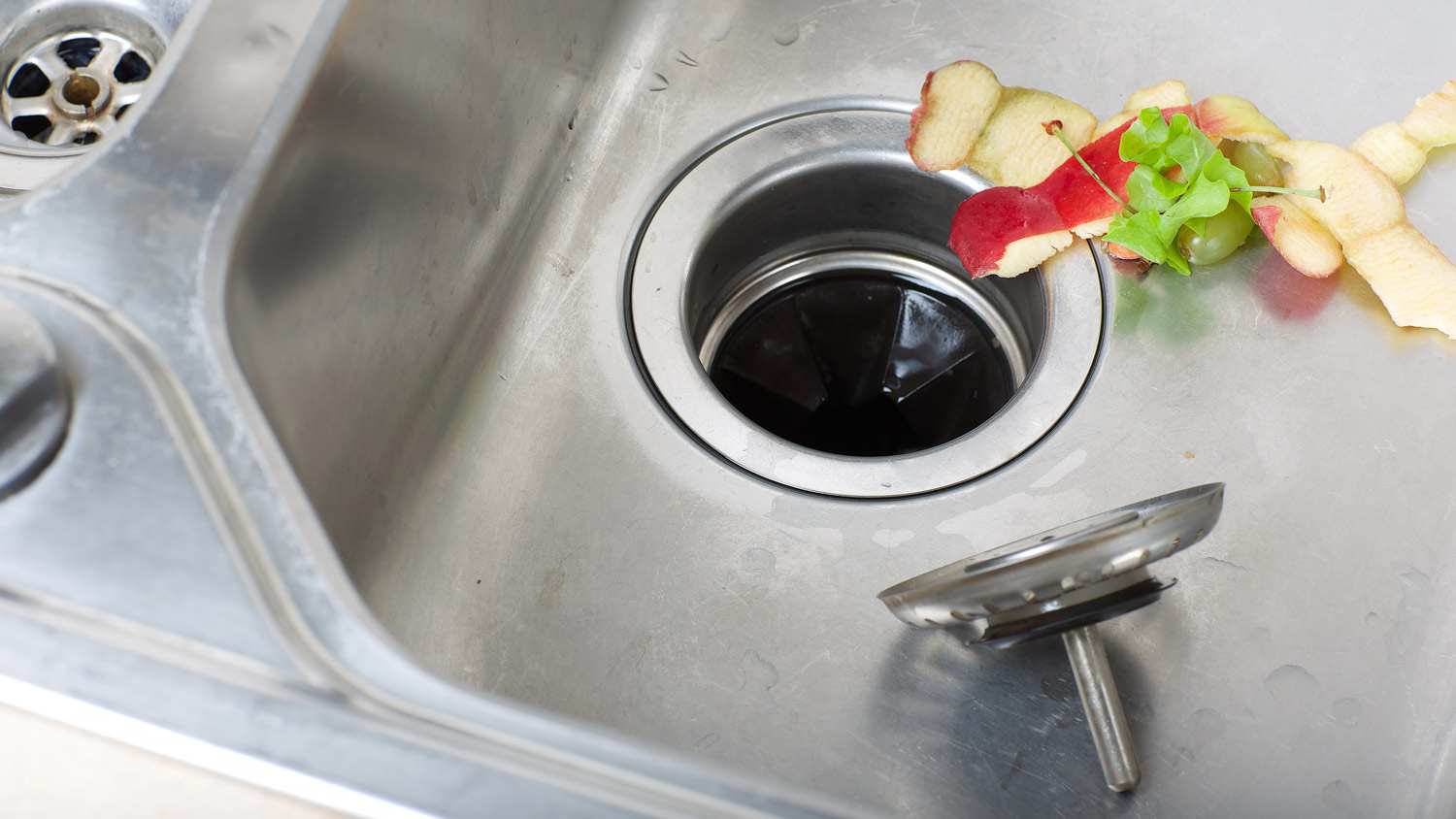
Sometimes the smallest home luxuries make the biggest difference. Installing a new garbage disposal is a relatively low-cost project with the option to DIY. Upgrade your kitchen by checking out the common costs associated with garbage disposal installation
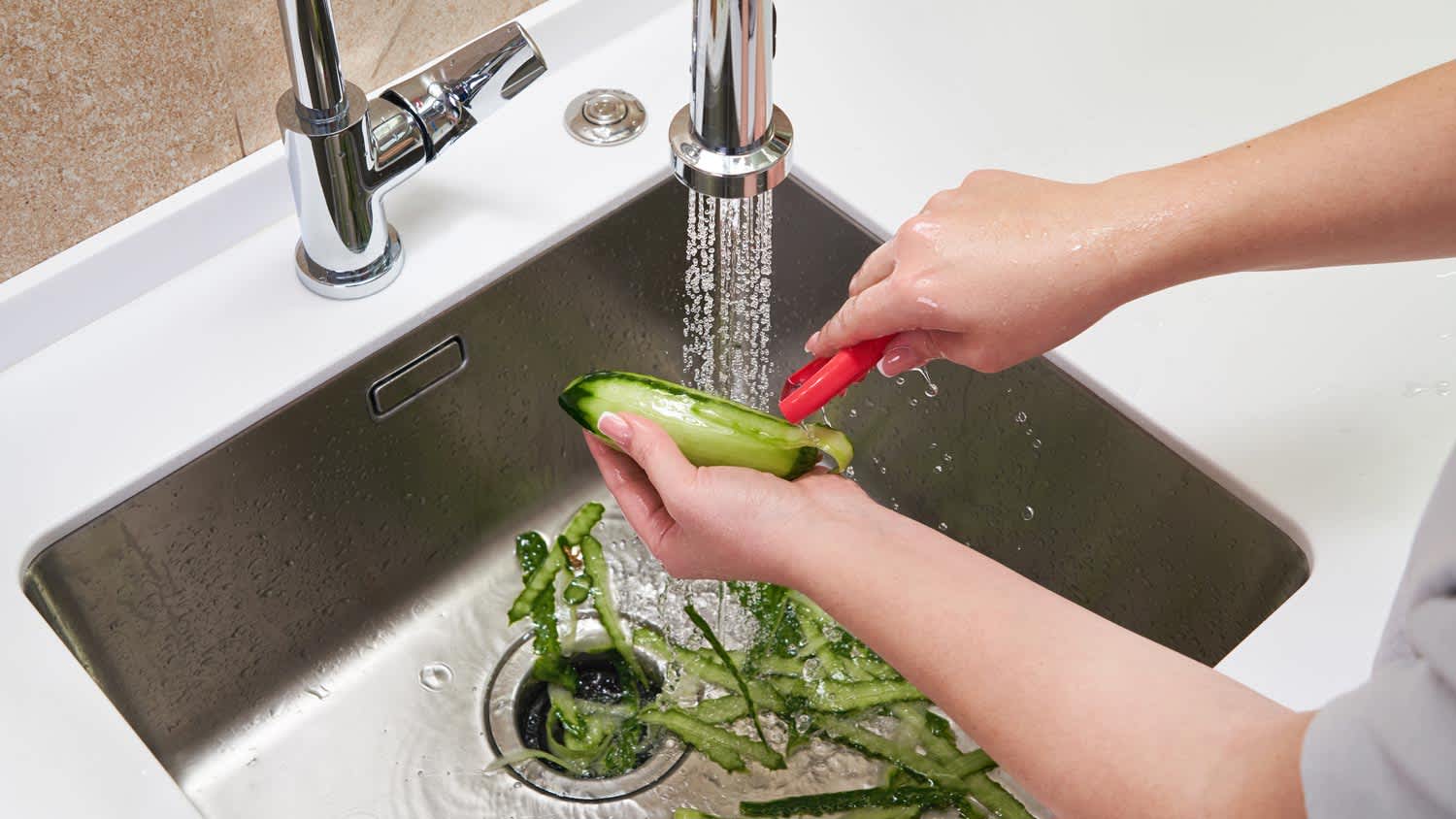
Garbage disposals need some regular maintenance. Implement the following troubleshooting garbage disposal tips to maintain your unit effectively.
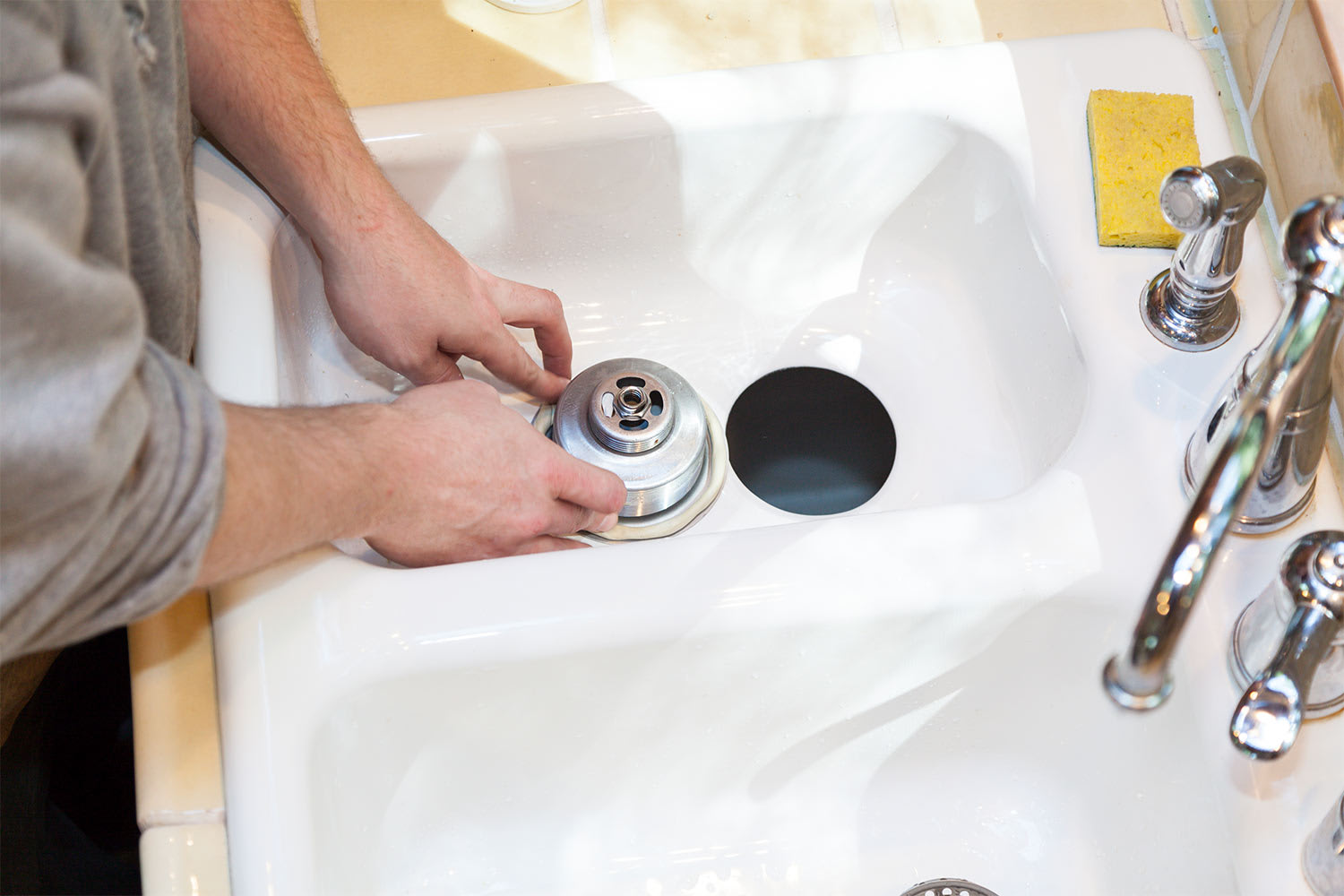
Not sure when to replace your garbage disposal? Learn more about signs like clogs, leaks, and bad smells that may mean it’s time to repair or replace your unit.

How long do garbage disposals last? They can last up to 15 years, but keep reading for some maintenance tips, cost information, and signs your unit is failing.