
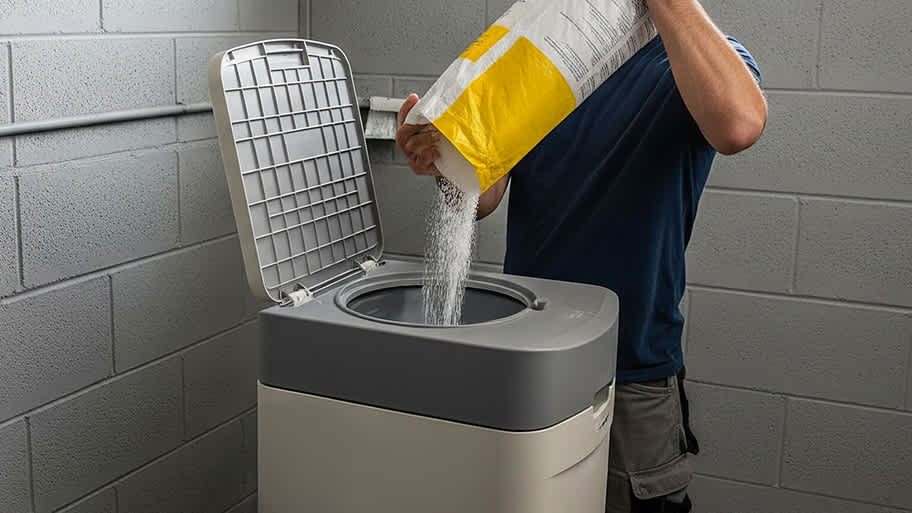
How much a water softener costs depends on your home’s size, and the system’s type and capacity. Our expert guide explores all the price factors.
Your water softener can regenerate anywhere from several times a day to once every two weeks

Your water softener regeneration frequency depends on household water demand, water hardness levels, tank size, and control valve type, with most systems regenerating every two to three days.
Expect to pay $10 per month for salt and $160 to $975 for repairs, so addressing regeneration issues early helps you avoid higher costs down the road.
If your system won't regenerate or won't stop regenerating, check for empty brine tanks, clogged drain lines, changed timer settings, or low water pressure affecting the cycle.
Hiring a local water specialist professional provides reliable support for diagnosing control valve problems and resin bed issues, keeping your system running efficiently without guesswork.
A water softener removes hard minerals from your water, and while this process happens largely behind the scenes, a lot goes into a water softener system to make your tap cleaner and healthier. Through a process called regeneration, your water softener cleans itself and maintains soft water. If you’re wondering just how often a water softener regenerates, well, it depends on many factors, so let's jump into it.
Water softener regeneration uses salt to flush out minerals that the system removed from your hard water. After days of filtering out magnesium and calcium ions from hard water, the bed of resin that your water softener uses to capture the ions becomes oversaturated and needs to be regenerated to continue trapping ions from hard drinking water. The system creates a saltwater concoction called brine to flush the ions and replace them with sodium.
Once the regeneration or recharge cycle is complete, the system returns to baseline until it undergoes another regeneration process.
A water softener should generate pretty regularly, which is a sign that it is working efficiently to remove those hard minerals from your water. Most water softeners regenerate at least every two to three days or as often as multiple times per day.
But not all water softener models work the same way. In fact, some may take one or two weeks per regeneration cycle. Aside from the type of water softener you have, other factors can also impact the regeneration cycles, from how hard your water is to how much of it your family uses each day.

A higher demand for water means more hard water gets filtered through your water softener. This in turn increases how often your water softener regenerates as it works harder to clean the resin bed from hard minerals.
What size water softener you have can impact the frequency of the regeneration cycle. Resin tanks with a higher capacity can naturally handle a larger load of mineral deposits before needing to be flushed out.
Your water softener’s control valve is responsible for determining when it's time to recharge. Some control valves automatically sense when your water softener’s resin bed has reached its capacity and kick the recharge cycle into action. Other control valves have a timer and recharge according to the settings. For example, a manual control valve may have settings for recharging once per week.
Harder water means your resin beads will collect more hard minerals in a shorter period of time as they work to filter out the minerals. This increases the regeneration frequency.
What’s in your water also plays a role in how often your water softener regenerates. Hard water that contains chlorine may eventually erode the inside of your water softener and decrease its capacity for holding minerals. Your system may regenerate more frequently as a result. If your water contains high levels of iron, then the system will also need to recharge more frequently.
The type of water softener can make a difference in the regeneration process. Single-tank water softeners may have different regeneration times than dual-tank water softeners, which utilize two resin tanks for uninterrupted cycles. Dual-tank softeners can handle more water between the regeneration cycles and may regenerate less frequently as a result.
Your water softener's life span plays another role in how often it should regenerate. Older water softener systems, especially electric ones, lose their capacity as they age and need to regenerate more frequently. If your water softener is over 15 years of age, then it may be time to replace it with a more efficient water softener.

The water softener regeneration process takes anywhere from 70 to 120 minutes to complete. During this time, around 25 gallons of water are used to complete the process.
The water softener regeneration process needs salt to work properly, and homeowners can expect to spend $10 per month on a 40-pound bag of salt to refill the water softener brine tank used for regeneration. If you use potassium chloride instead of sodium, the cost is closer to $50 to $70 per month. You won’t have to replace water softener resin for five to 10 years, but when that time comes, you’ll spend $200 to $400 to replace it. Other water softener repairs cost $160 to $975.
If your water softener is not regenerating frequently enough—or it won't stop regenerating—then it's important to troubleshoot your water softener to prevent water softener replacement costs.
If your water softener won't regenerate or isn't regenerating at its usual pace, several things may be happening, including the following:
Change in water demand: A decreased water demand may decrease your water softener’s need to regenerate.
Empty brine tank: If you have a clogged drain line or you’ve run out of salt and forgot to replace it, these can cause your brine tank to remain empty.
Changed timer: If you accidentally change the settings on a scheduled regeneration schedule, it can take longer for the control valve to begin the regeneration process.
Although it's unlikely, sometimes a water softener won't stop regenerating. If your softener is stuck in the regeneration cycle, then there is likely a clog somewhere in the system. Inspect the drain line and valves, look for blockages, and check for low water pressure to see what might be causing the problem.
For any ongoing problems, it's a good idea to contact a water softener specialist near you to troubleshoot your water softener.
Allie Ogletree contributed to this piece.
If you’re good people wanting to do business with good people, hire Matt. He is a consummate professional and utterly competent. He installed a water heater in my home at a price that beat competitors by hundreds of dollars with a promise to support the unit for its life (even after its 6 yr...
 Greene's Plumbing Services
As usual with ECO, tech Jordan was outstanding, very professional, very knowledgeable, and very thorough with repairs made to tankless water heaters. Very highly recommend ECO!!!
 Eco Plumbers, Electricians, and HVAC Technicians
Did a great job replacing the ice maker and water regulator on my refrigerator. He was quick and thorough, very friendly and professional. If I needed a heart transplant I'd want him to do it!!!
We had a gutter blockage that was causing water to sheet down the side of the house and ultimately it started to come in at a window (need mortar people next). Called around 7:30am, and he responded by 8am. He was able to come out the same morning and do a look over and clean out. He also...
Scott checked our large crawl space for mold and water infiltration and recommended a viable solution. The crew was efficient and they cleaned up well after the job. The job was expensive but I am confident that I won't have to deal with the problem again. Highly recommend.
 AdvantaClean of Dublin
They were the most through inspecting the water system in my house. Even going the extra mile to get the water professionally tested for contamination.
 Hague Water Conditioning, Inc.
It went very well. The drain is absorbing all the access water. I had other estimates a year earlier and Hughes was right on. I will use them, again.
 Hughes Construction Co
Very well. Have already used them again to fix hot water heater
 Service Olympians
The Paul Davis team was very professional and went the extra mile to take care of my water damage. The work was very high quality and done in a timely manner. I would highly recommend their services.
 Paul Davis Restoration
Honesty is hard to find in business today. GBR met me today at a 3 story building regarding my being told that I needed to tuckpoint the brick because of water leaks. The owners took the time to evaluate the situation and advised me that I did not need their service at all. They pointed me...
 GBR Masonry Inc
From average costs to expert advice, get all the answers you need to get your job done.
How much a water softener costs depends on your home’s size, and the system’s type and capacity. Our expert guide explores all the price factors.
Water softener repair costs can add up, but they’re almost always worthwhile. Use this guide to see what your project is going to cost before you get started.
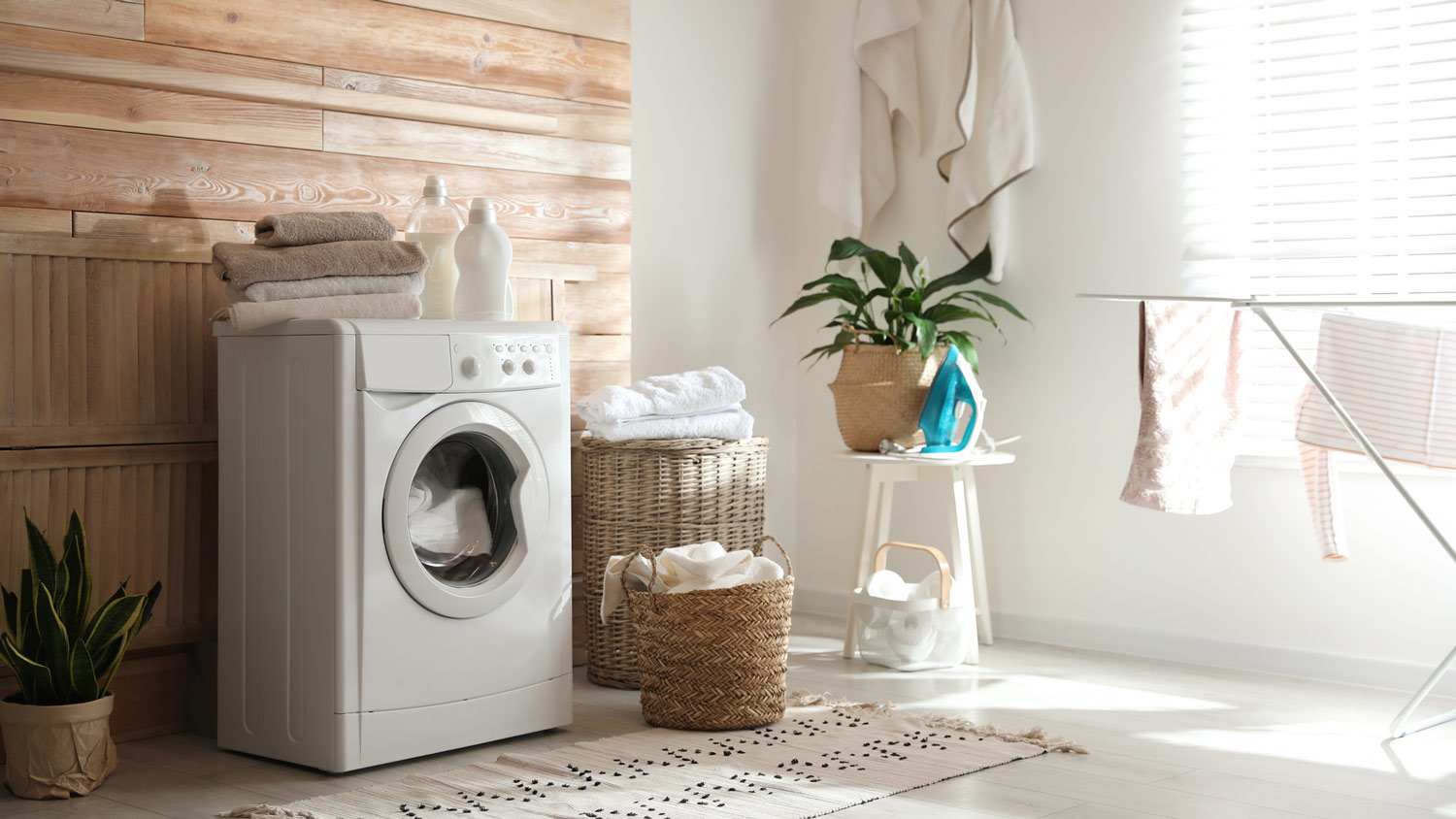
Water softeners rid your home of hard minerals and, well, soften your water. Even better, the regeneration process is an automatic cycle that works when you’re least likely to use it.
Need help dialing in your water hardness? Use this handy DIY guide on how to set a water softener to save money and get the best results possible.
Your water softener works overtime to keep your water safe. Use this guide on how to check your water heater for damage or poor performance.
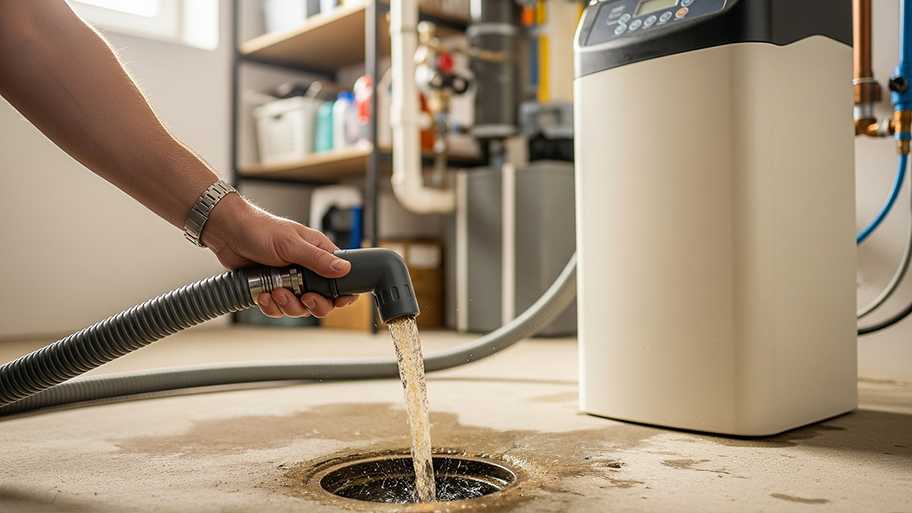
Not all states allow you to dump water softener backwash outside. Keep reading to learn where to discharge water softener backwash for your home.