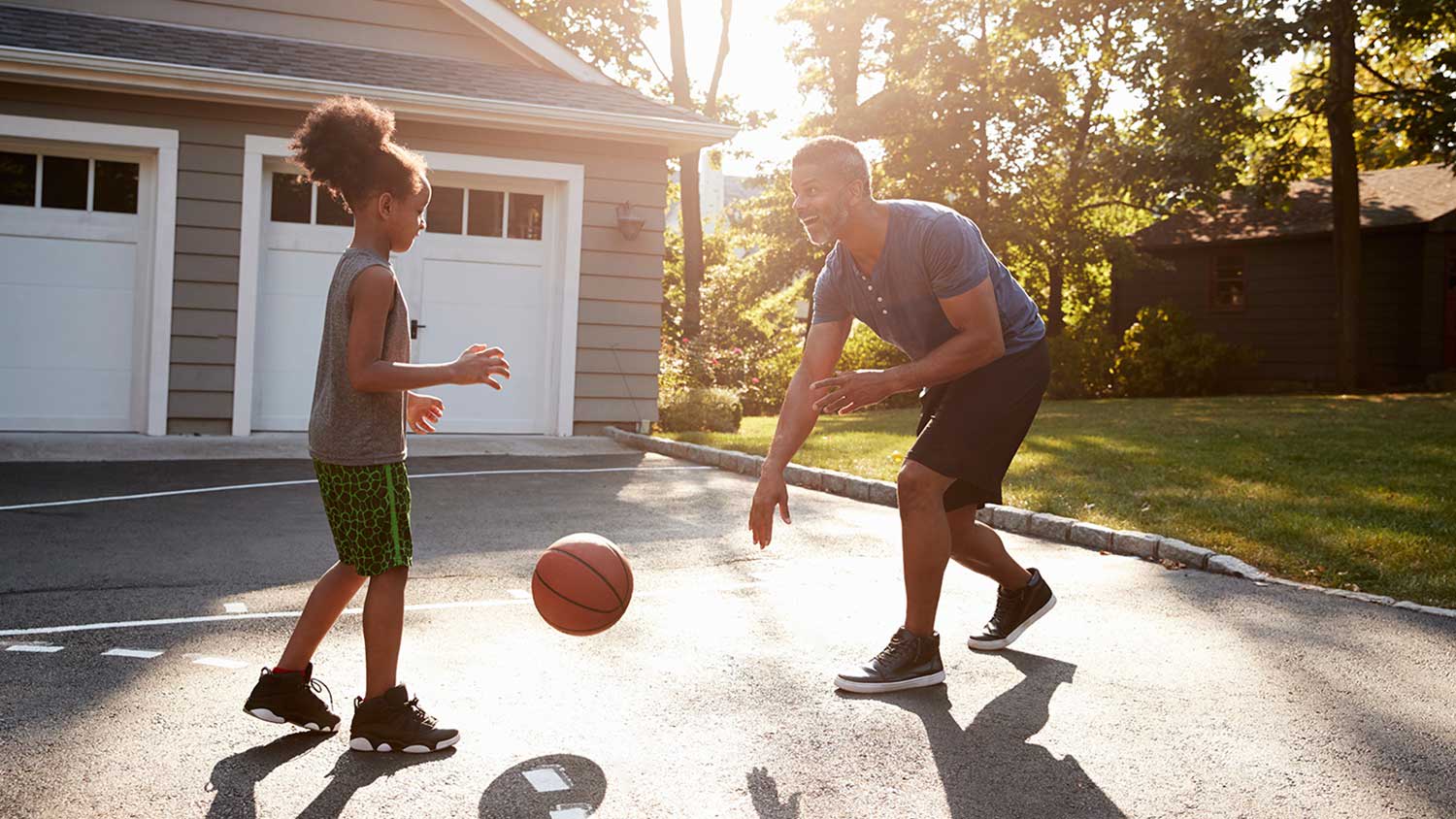
Calculate the cost of installing a new asphalt driveway based on dimensions, depth, finishes, and other custom driveway details.
Pave your path with asphalt or blacktop

Asphalt versus blacktop differs in composition, with asphalt using more fine aggregates while blacktop contains more coarse stone, creating distinct surface textures.
Asphalt installation costs range from $7 to $13 per square foot, so understanding the material differences helps you plan your driveway budget.
Your choice between asphalt and blacktop depends on traffic levels, desired appearance, maintenance commitment, and whether you need a smooth or textured surface.
Hiring a local asphalt company provides reliable guidance on material selection and installation, helping you achieve a driveway that fits your home perfectly.
Ever found yourself using “blacktop” when you really meant “asphalt?” You’re not alone. The two are often mistaken for each other, especially when you’re talking driveways, roads, and parking lots. Though they look similar, they’re actually not the same. And no, the difference isn’t just in the name. Let’s dive into what sets asphalt apart from blacktop so you can stop confusing the two—and sound like an expert while you’re at it.
It’s easy to mix up asphalt and blacktop. While they likely share more similarities than differences, they can be a bit more nuanced. Asphalt and blacktop are built for durability and budget-friendly projects, but when you dig a little deeper into how they’re made, where they’re used, and the way they age over time, you start to see where the lines are drawn. It’s not always obvious, but understanding the subtle differences can help you choose the right material for your next project.
| Type of Difference | Asphalt | Blacktop |
|---|---|---|
| Composition | Higher proportion of fine aggregates | Higher proportion of coarse aggregates |
| Appearance | Smoother, glossier surface | Rougher, more textured surface |
| Installation Location | High-traffic areas | Residential areas |
| Maintenance | Less maintenance | More maintenance |
| Durability | Slightly more durable | Slightly less durable |
| Lifespan | Similar lifespan to blacktop | Similar lifespan to asphalt |
| Cost | Slightly more expensive | Slightly less expensive |
Asphalt is a mix of aggregates—like crushed stone, sand, and gravel—bound together by bitumen, a sticky, black binding substance made from crude oil. Its composition can vary quite a bit, depending on the mix of aggregate sizes. Blacktop is a type of asphalt that refers to asphalt mixed with more coarse aggregates, like larger crushed stone. So when you see a “blacktop” surface, just know it’s a specific asphalt blend, often with coarser stone.

When you spot a freshly paved road, it’s easy to mistake the dark surface for the same thing every time, but asphalt and blacktop can look different, despite their similar compositions. Asphalt is a broad term, and its look can change depending on the mix. Some mixes, especially those with finer aggregates, create a smooth, almost glossy surface. It’s the kind you'd often find on highways and other high-traffic areas. On the other hand, blacktop is a type of asphalt that’s heavier on coarse aggregates. This makes its appearance rougher, with more of the individual stones showing. Its composition gives it a textured, slightly sparkly finish—that we sometimes see on driveways and in parking lots—especially when in direct sunlight.
The main difference when installing asphalt or blacktop is where they’re used. Asphalt is typically found in high-traffic areas like highways or large commercial lots, while blacktop is often seen on resident driveways. While installation for both is the same, the process involves specialized knowledge and equipment. First, the mix design requires the right blend and depends on factors like climate and traffic load. Then comes temperature control—keeping the mix at the right temperature ensures everything bonds correctly. From there, skilled professionals use specialized machines to lay down the material. While small repairs can be DIY-friendly, installing a solid asphalt or blacktop surface is a job best left to a professional asphalt company.
Maintaining asphalt and blacktop is pretty similar. Asphalt is typically more durable in the long run, but both surfaces need regular sealing to protect them from the sun, water damage, and freeze-thaw cycles. Blacktop is more prone to wear and tear, so it might need more frequent touch-ups. Sealing every two to three years is ideal for both, but the climate and traffic will affect this. As for crack repairs—don’t wait. Both surfaces need quick fixes to stop water from sneaking in. For homeowners, driveway cleaning and small crack repair can go a long way, but sealing and major fixes require professionals with the right tools and know-how for the job.
Asphalt is generally considered more durable than blacktop. Both asphalt and blacktop can handle heavy loads, making them ideal for everything from your driveway to highways. However, asphalt has more versatility. You can customize it with different aggregate mixes, which gives it an edge in durability. While blacktop is sturdy, asphalt’s ability to adapt to various environments (like high-traffic roads or colder climates) makes it more durable in the long run. Just be mindful of heat—both materials can soften under high temperatures, but asphalt is a bit more prone to rutting (permanent surface deformation from the wheels of heavy vehicles) in those conditions.

Asphalt is more about quality and care than the name you call it. Blacktop is just another term for asphalt that refers to a mix with coarser aggregates. Both asphalt and blacktop typically last 15 to 30 years if properly installed and maintained. Whether it’s called blacktop or asphalt, the longevity depends more on the mix design, installation, and maintenance than on the label. If the base isn’t solid, if the installation’s poor, or if cracks go unfixed, you’ll face repairs or replacement sooner rather than later.
The cost difference between asphalt and blacktop isn’t always clear-cut, mainly because people often use the terms interchangeably. That said, blacktop is generally a bit—and only slightly—more affordable. Asphalt is commonly used in more complex, high-traffic projects like highways, which means it requires stronger materials and more advanced installation methods. As a result, the cost to install asphalt ranges between $7 and $13 per square foot. Alternatively, blacktop is often used for residential jobs and doesn’t require as many high-end materials, making it the more budget-friendly option overall.
Archie did a good job cleaning up the driveway before he laid down the sealer. It looks good. He was gracious and even helped me bring up my groceries. His rate was comparable to another company who came out to give me a quote and he talked to me personally rather than just text me a quote...
 Pro Seal Roofing & Paving
D1 Roofing delivers outstanding service from beginning to end, backed by a strong warranty and expert teams. I highly recommend them for their excellence in meeting and surpassing expectations with unmatched communication. Choosing D1 Roofing was flawless decision
 Division 1 Roofing LLC
This company went above and beyond with their work, chimney sweeps are usually pretty messy, but the clean up was spot on.!! Josh explained every thing that he was doing, and the things that he was checking to make sure the chimney was safe for me and my family. He was very professional,...
 Supreme brick & chimney
Our homes curb appeal skyrocketed thanks to Custom Paint Jobs LLC s exterior painting.
 Custom Paint Jobs, LLC
Very well! Two men came to do the work. They were both polite, punctual and professional in manner. When they finished, Cameron explained about preserving an asphalt driveway, as I had never had one in the past. I will definitely be calling them in the future.
 All Star Paving and Sealing
Fantastic! Top Line was early for the appointment and very knowledgeable and took time to explain everything they had found during the home inspection. The report included clearly defined issues and what they recommended to remedy the same. The report also included many pictures to help...
 Top Line Home Inspections, LLC
Working with Peter and his crew was a breeze. They were exceptionally polite and did a neat job to repair and seal our driveway. I will definitely talk to them first for additional work.
 Central Paving
The preformed a really good job the staff is incredible never been so happy with my home, A brand new driveway is like a face lift!!
 Pristine Paving
Called Mark on a Thursday morning. Not really knowing if he could help me or not. I was having driveway, flooding issues due to a clogged channel drain and I was trying to figure out what direction to take. Heavy rains had come on Monday and again on Thursday leading to flooding in my garage...
 Mark Rodgers Construction
Had already met with 2 other contractors before Blue Ring, and Blue Ring's price quote for the work was better than either of the other 2, and the came out the next morning and cleaned up a very large fallen tree branch from a storm that was blocking my driveway. Work was completed in...
 Blue Ring Residential Services, LLC
From average costs to expert advice, get all the answers you need to get your job done.
Calculate the cost of installing a new asphalt driveway based on dimensions, depth, finishes, and other custom driveway details.
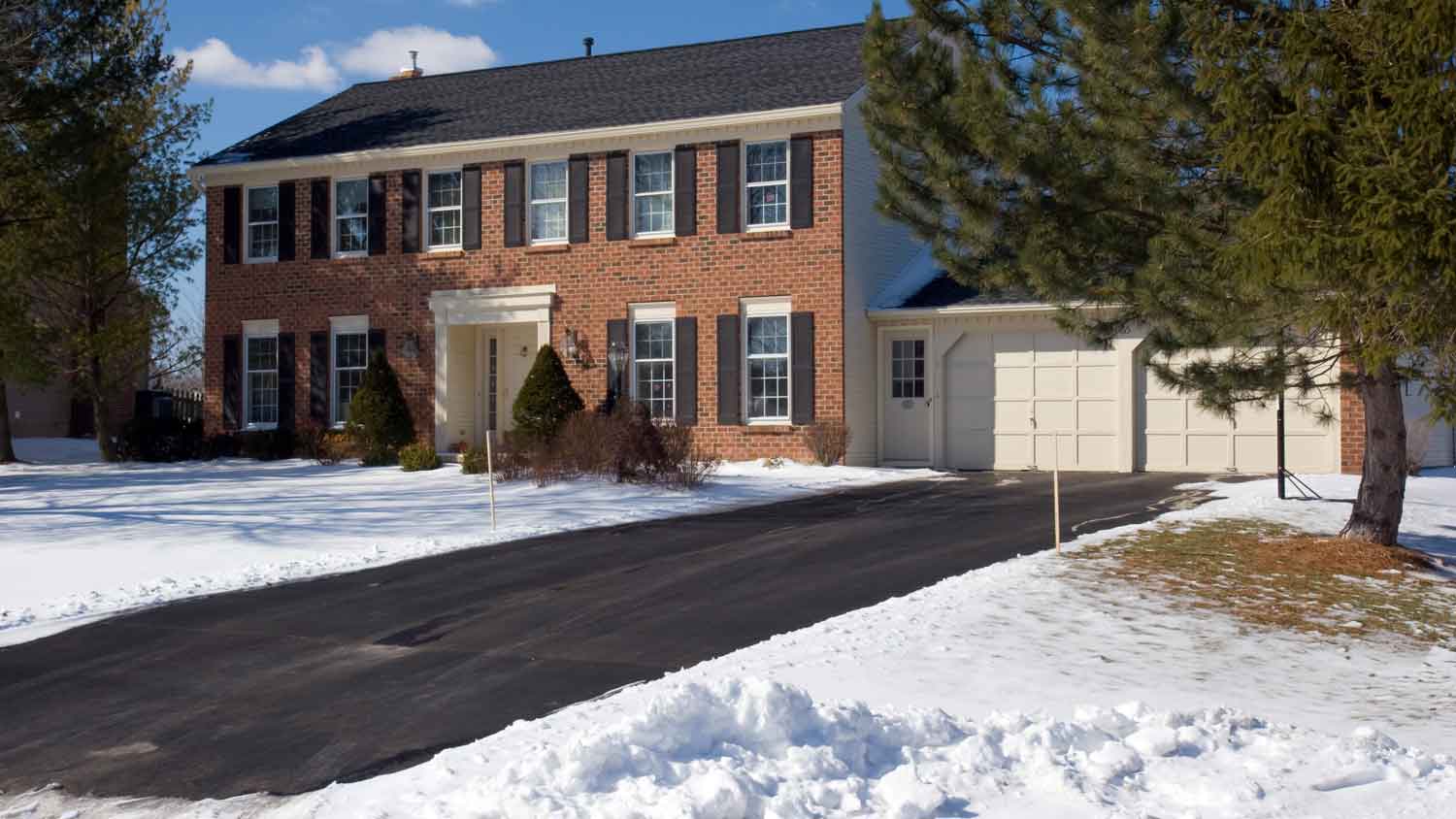
Here's everything you need to know about concrete vs asphalt in cold climates when designing a new driveway in a place with snow and ice.
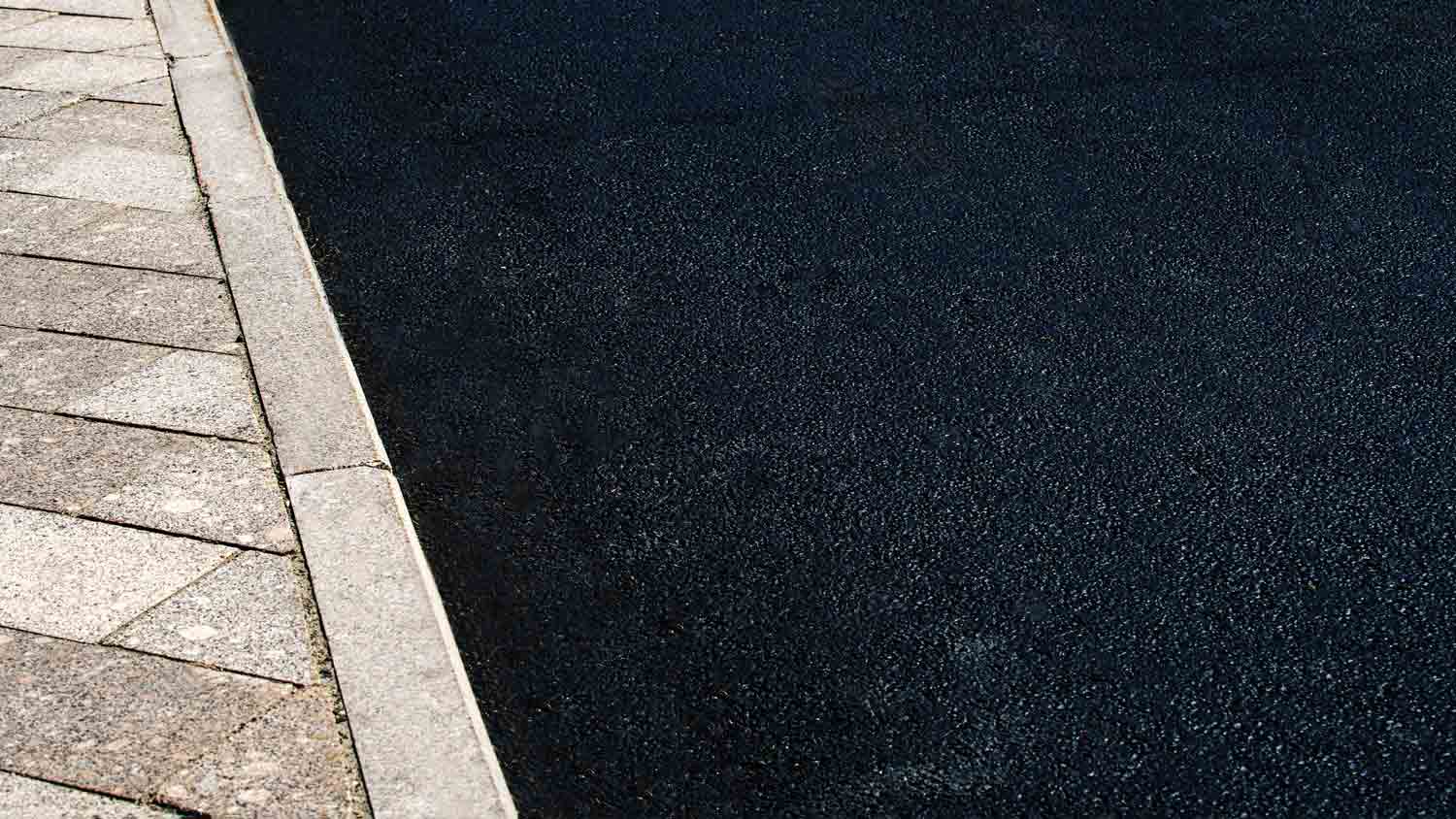
Is tar still used in paving? How does it compare to asphalt? Learn their differences, from composition to durability, and why asphalt remains the top choice.
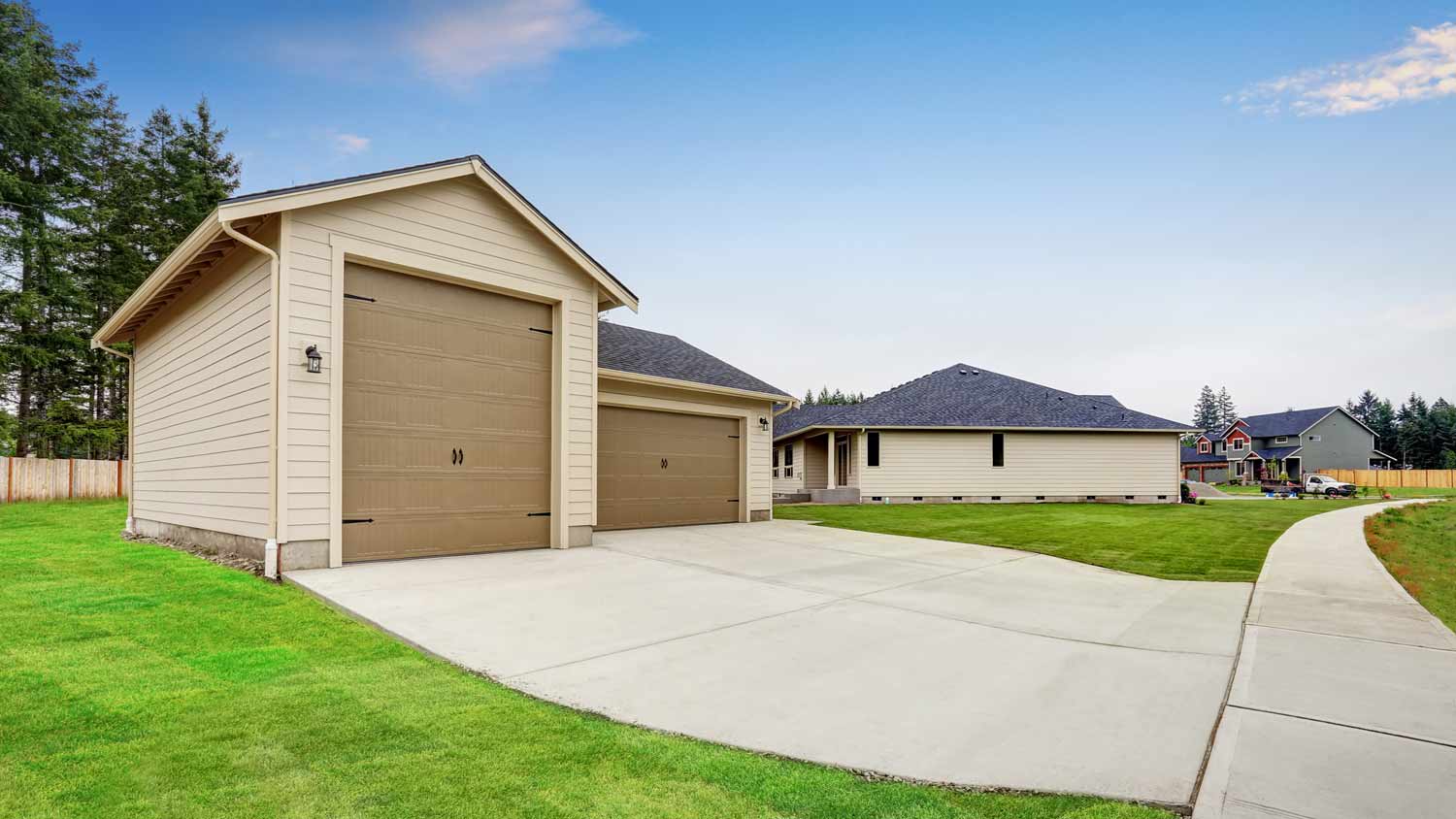
Which one is better for your home, an asphalt or concrete driveway? Learn the difference in initial installation, pros and cons, and follow-up costs.
Adding a new asphalt driveway to your home can boost its overall appearance and give homeowners a nice ROI down the line. But how long do asphalt driveways last, and what can you do to maximize their lifespans? Read this guide to find out.
Choosing the right asphalt is key to a long-lasting surface. Find out which mix works best for roads, driveways, and heavy-traffic areas.