
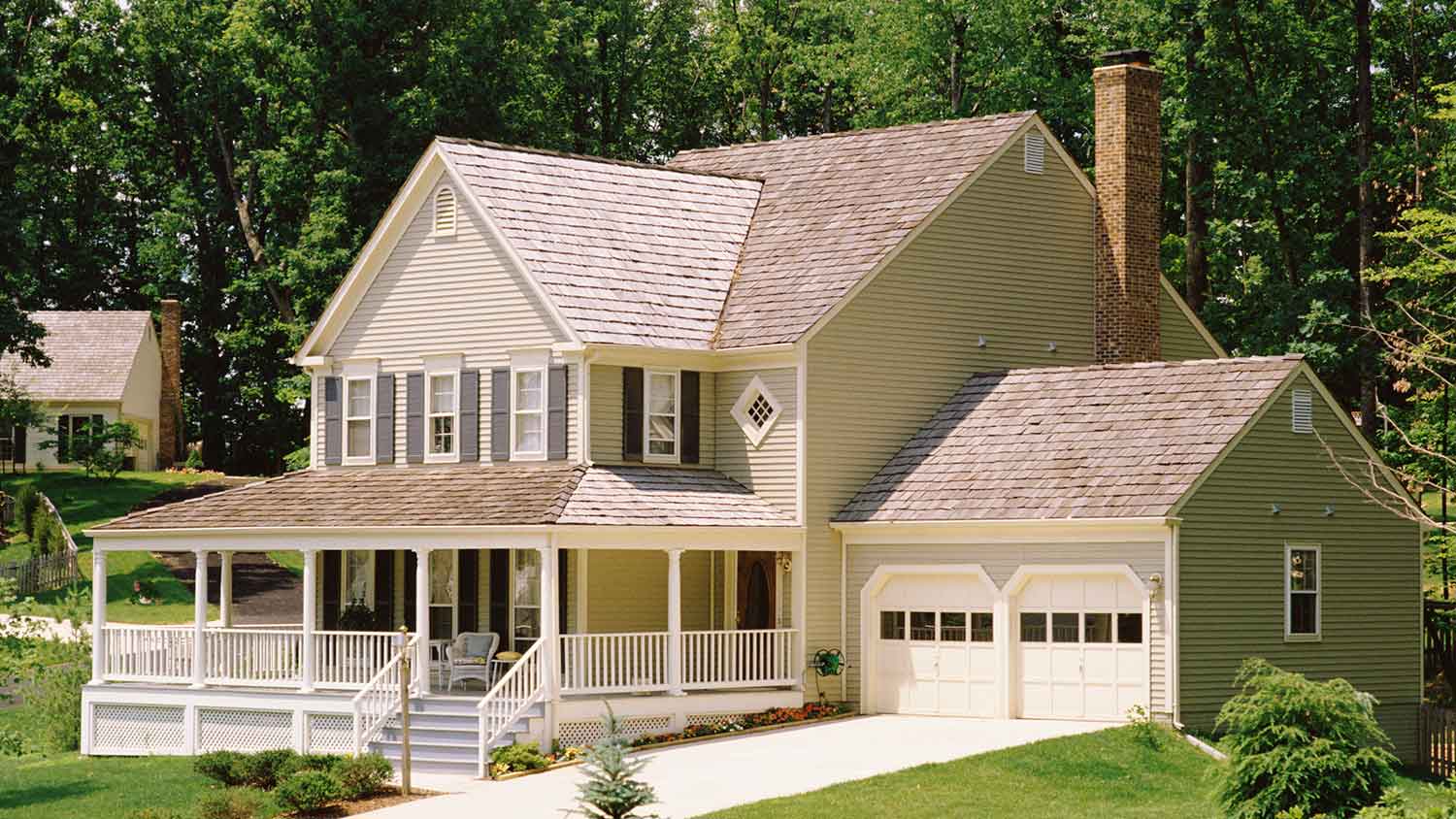
When building a new home, adding a gable roof can deliver a timeless, classic style. Learn about the seven most popular types of gable roofs.
Take a moment to reflect on your roof


Energy-efficient roofing reflects solar energy away from your home using light-colored materials, helping you save on cooling costs during hot weather.
Expect to pay $1,000 to $41,000 for energy-efficient roofing installation, with metal roofs around $13,200 and solar shingles averaging $36,500.
Your roof slope, existing roof condition, and local climate all factor into choosing the right energy-efficient roofing material for your home.
Hiring a local roofing professional provides expert guidance on material selection and proper installation, keeping your home cooler and more energy efficient.
When record-breaking heat strikes your home, ramping up those fans and air conditioners can lead to a high energy bill. However, energy-efficient roofing can help curb your energy usage by reflecting heat away from your home and keeping your house cooler. Read on to learn everything you need to know about the best roofing materials and styles for energy efficiency.
Energy-efficient roofs are typically made from light-colored, reflective materials that bounce solar energy away from the house and ward off harsh UV rays. This feature saves you on cooling energy tEnergy-efficient roofs are typically made from light-colored, reflective materials that bounce solar energy away from the house and ward off harsh UV rays. This feature saves you on cooling energy that you’d otherwise need to offset hot indoor temperatures.
Traditional roofing typically has dark colors that attract heat. And, while the best attic insulation in the world and a good ventilation system will help reduce indoor temps, they won’t keep out the heat like an energy-efficient roof.
According to the Department of Energy (DOE), cool roofing reflects sunlight better than conventional roofing, helping to prevent heat absorption and higher indoor temperatures. Though the terms “energy efficient roof” and “cool roof” are often used interchangeably, cool roofing describes the technique of painting a light-colored reflective coating over flat or low-slope roofs. The Solar Reflectance Index (SRI) describes the ability of a roof to reject solar heat. The higher the SRI, the cooler the roof will be in a sunny environment.
Energy-efficient roofing, on the other hand, refers to any rooftop that reflects thermal energy—be it a high-pitched roof, a low-pitched roof, or anything in between.
Energy-efficient roofs have various benefits, making them a good investment for your property. Their benefits include:
Spending less on utility bills to heat or cool your home, especially if your HVAC unit is getting older.
Being more comfortable in your home in the summer and winter when you might otherwise feel too hot or cold.
Helping cool down areas of the home without air conditioning, like in your garage.
Energy efficiency might extend your roof's life span and decrease the maintenance you need. It could even extend the lifespan of your HVAC system.
Having a well-ventilated roof and energy-saving materials can increase the value of your home.

Investing in an energy-efficient roof is a big financial decision that you shouldn’t take lightly. Here are the most energy-efficient roofing options to help you choose the best roof for your home.

Budget-friendly and versatile, metal roofs offer many homeowners the opportunity to save big time on energy bills in the summer. Metal is hot to the touch because it is excellent at reflecting those hot rays back into the air. White metal roofs have the highest solar reflectance, but silver metal will also positively impact your energy bills. One of the biggest issues with metal roofs is their susceptibility to dents and scratches.

Asphalt shingles are another affordable and energy-efficient roofing. The key to getting the most out of asphalt shingles is to choose one with light-coated granules so that the roof reflects more sunlight. Energy Star-certified asphalt shingles ensure that you choose a product that keeps your home cool. The cons of choosing asphalt shingles include a shorter lifespan than some of the other options—15 to 30 years—lower solar reflectances, and a higher susceptibility to damage.
The many factors that play into choosing a roofing material may surprise you, such as durability, cost, style, and the climate in which you live. Many homeowners choose asphalt, but there are various types on the market. A roofer can advise you on the best materials for your home and region.


Concrete tiles maximize natural energy efficiency while providing a gorgeous rooftop that could be the talk of the neighborhood. Since tiles are laid individually rather than in sheets like shingles and metal roofs, concrete tiles often have a lot of natural airflows that help move heat away from the home. Not to mention, concrete tiles can last up to 100 years with proper roof maintenance. The main downsides are that concrete tiles are heavy, susceptible to mold and water damage, and can fade and deteriorate over time.

Clay tiles are a beautiful addition to your home. These tiles contain a high thermal emittance, meaning they reject heat absorption and propel heat away from the house. Like concrete tiles, clay is heavy and may need additional support for the installation. This option is also pricier than asphalt, metal, and concrete—especially if you need to install a substructure for support.
A cedar rooftop converts your roof into a golden beauty that just so happens to emit solar rays. Wood shingles are naturally insulating, helping to lower your HVAC usage in the winter and the summer. This material is all-natural, recyclable, and biodegradable, too. You’ll pay somewhere in the average range for a wood shingle rooftop. Wood might not be a good option for humid, rainy climates, where mold can become a problem, or in dry areas at risk of fire hazards.

Also called solar roofs or solar tiles, solar shingles are permanent, tile-shaped solar panels that turn your roof into a futuristic-looking one. Not only do solar shingles cut costs by keeping heat out of your home, but they absorb solar energy and convert it into electricity for use around the house, making them the ultimate, energy-efficient roofing system. They do, however, come at a cost—literally. Expect to pay more for solar shingles than most other energy-efficient roofing options.

Speaking of pricier options, slate roofing comes at the top of the list for an average of $41,000, but you’ll likely never need to replace a slate roof, as it can last for up to 200 years. Slate roofs are stunning, resistant to damage, fire, and mold, and ideal for homes at risk of hail and wind damage. But, like with concrete and clay tiles, slate shingles are just plain heavy and may require modifications to your existing roof before you can install them.
Thermoplastic polyolefin roofing (TPO) is a white, single-ply roofing system made of synthetic materials. This roof type has grown in popularity for low-pitched roofs and serves as a more energy-efficient alternative to m (TPO) is a white, single-ply roofing system made of synthetic materials. This roof type has grown in popularity for low-pitched roofs and serves as a more energy-efficient alternative to modified bitumen roofing systems. The TPO membrane rolls onto the roof, where a trained professional either bonds the material with an adhesive, fastens it, or seals it using a ballast. odified bitumen roofing systems. The TPO membrane rolls onto the roof, where a trained professional either bonds the material with an adhesive, fastens it, or seals it using a ballast.
If you recently installed a dark, conventional roof and still want the perks of energy-efficient roofing material, you can get around this by using a cool roof coating to convert your roof into an energy-efficient roof. Cool roof coatings come in various materials, but the most effective cool roof coating is a white roof coating, which can reduce up to 80% of sunlight. The coating is applied to the surface of your roof with a roller or brush and dries to form a protective barrier over your roof.
You should connect with a roofer near you to ensure that you use the right cool roof coating for your roof type, as some coatings aren’t designed for high-pitched roofs.
Aside from the cost of energy-efficient rooftops, energy-efficient roofs benefit your home in nearly every way—but you still have to ensure you choose the right energy-efficient roof for your home. Here are six key factors that determine which energy-efficient roofing material is right for you.
Your budget largely impacts which rooftop you choose. While a cool roof coating price may only be $1,000 to $2,500, installing solar shingles costs significantly more at around $36,500 on average.
| Type of Roof | Average Cost |
|---|---|
| Metal | $13,200 |
| Solar Shingles | $36,500 |
| Slate Shingles | $41,000 |
| TPO | $10,700 |
| Cool Roof Coating | $1,000 – $2,500 |
Most shingles and tile roofing options work for high-pitched roofs, but low-pitched or flat roofs require special materials or techniques to install an energy-efficient roof and work best with metal, TPO, or cool roof coatings.
In some instances, you don’t need to replace your roof to achieve an energy-efficient one. If your roof is new, you might be able to apply a cool roof coating to it to reduce heat absorption. Always check with a local roofing contractor before applying any roofing material to an existing roof, as painting shingles may void your roof’s warranty or damage the roof.
If you live somewhere prone to wildfires, you’ll want to avoid wood shingles, which—though energy efficient—are more flammable than the other options. Instead, opt for a metal roof, which is naturally flame-resistant.
In your quest to save energy, you don’t want to lose energy if you live in a region with long cold seasons. Though the summer heat might be unbearable for a few months, homeowners in cooler regions will want to avoid some energy-efficient roofing options like wood shakes and concrete tiles, which don’t hold up to harsh, cold weather. Contrary to popular belief, metal roofing is an excellent option for both cold and hot climates because it’s durable, fire-resistant, and long-lasting.
Lastly, even with an energy-efficient roof, if you have poor ventilation in your attic, your roof can only do so much to prevent the heat transferred into your home from cranking up your indoor temps. Be sure to invest in roof ventilation when you upgrade to an energy-efficient roof.
D1 Roofing delivers outstanding service from beginning to end, backed by a strong warranty and expert teams. I highly recommend them for their excellence in meeting and surpassing expectations with unmatched communication. Choosing D1 Roofing was flawless decision
 Division 1 Roofing LLC
This place took $25,000 for a flat roof job with a five-year warranty and never returned to fix the leaks that were caused by their work. These people are not professionals and should not be doing this type of work. They incorrectly changed the pitch of the roof, and caused more damage than...
The technician was very professional and friendly. He answered all my questions and was very thorough. He left the fireplace area very clean . He inspected from the roof and advised me as to other work that might need to be done. There was no pressure there. I was very satisfied with the...
 Supreme brick & chimney
I am really impressed with their timeliness and turnaround. Mitchell came out, and we decided to move forward with their pricing. Our roof was on within a week, and we could not be happier with their team! Amazing company, great prices and honest, dependable craftsmanship. I highly recommend...
 Window Depot USA of Central Ohio
Manuel Calvillo is the best option in the area for roofing and you won't be disappointed.
They damaged multiple items on my property, including a marble slab used as a table top, tried to hide it, and refused to pay or replace. Arrived day one without a ladder to access roof & delayed a day. Left a mess in back yard; didn't wear face masks; no show by owner to property to see damages
 Grants Tree Service
I've hired Gary/Cherokee Roofing for two different homes, work quality, responsiveness, and completion have been great both times. And the prices quoted were very competitive. I would definitely hire again.
Lyle did a great job removing asbestos shingles from our front porch roof. They worked together with our roofer to make sure that the new roof was able to be installed on the same day that Lyle removed the asbestos shingles.
 Lyle Environmental
Bradley Builders did a good job replacing the roof on our front porch. They color-matched the existing shingles on the rest of the house and installed a metal ridge roll since we live in a historical neighborhood. They did the job while we were out of town. When we got back, everything was...
 Bradley Builders, Inc.
I would absolutely recommend this business. They offer a variety of services, including: painting, roofing, and refinishing wood flooring. I hired them to refinish the original hardwood flooring in my home built in 1874. The job was quite challenging, as the floors were extremely aged and...
From average costs to expert advice, get all the answers you need to get your job done.
When building a new home, adding a gable roof can deliver a timeless, classic style. Learn about the seven most popular types of gable roofs.
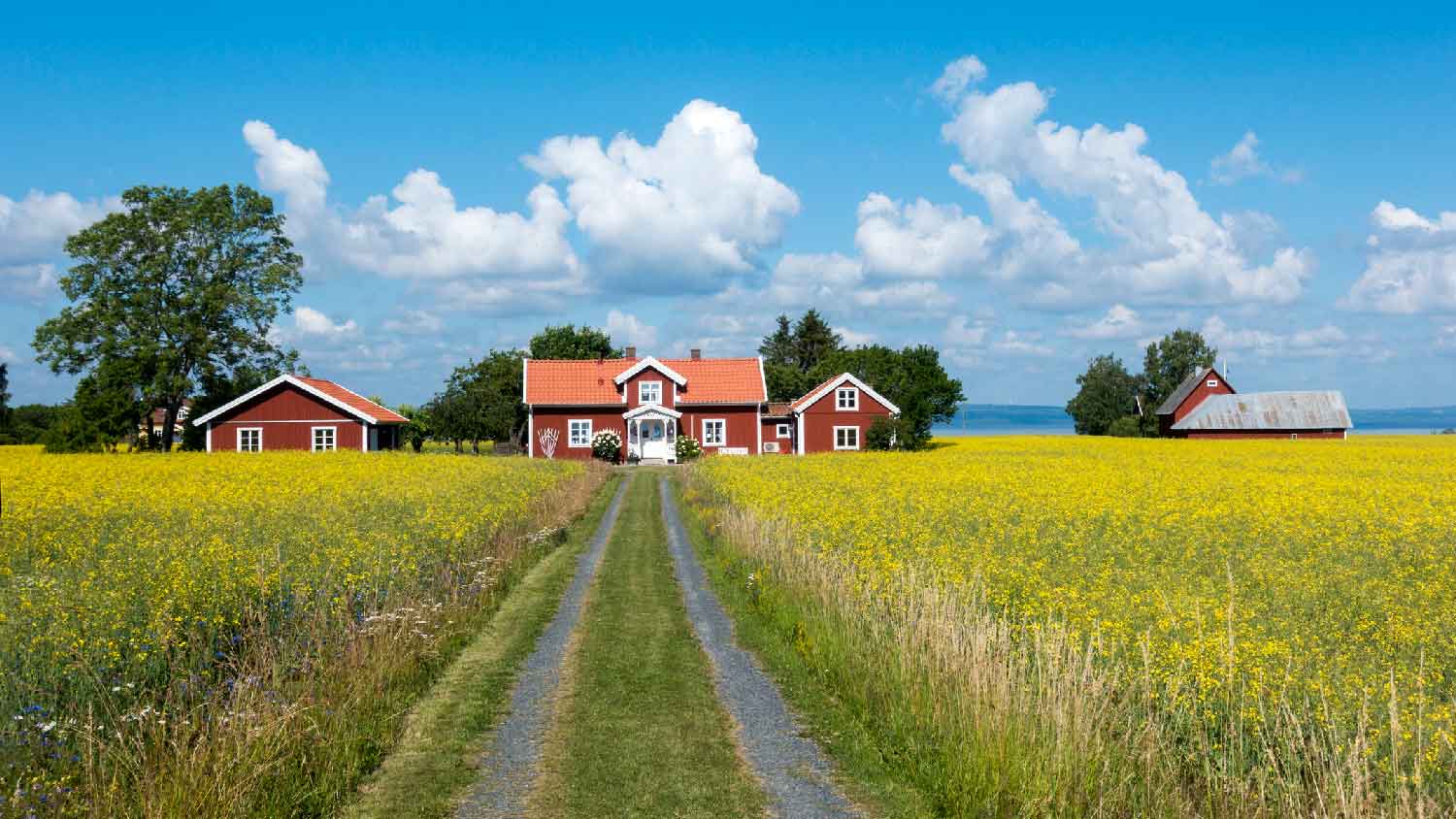
When you live in an area with sultry summers, selecting the best roof insulation for hot climates can help you save money on energy bills.
Understanding the available types of roof trusses helps you create the desired shape and support for your roof. Learn more about the different options.

Thinking about switching to solar? Consider the pros and cons of solar energy to decide if it’s right for you. We shine a light on the upsides and downsides.
Your roof’s insulation can affect your home’s energy efficiency. Learn the difference between a hot and cold roof and which is best for your home.
What color roof is most energy efficient? We know lighter colors reign supreme, but there’s actually a lot more at play. Here’s what you need to know.