
•
Discover roof insulation costs, including average prices, key cost factors, and expert tips to help you budget and save on your next project.
The right roof insulation helps you beat the heat

Choosing the best roof insulation for hot climates depends on your roof type, space availability, and current insulation, with fiberglass and reflective options working well.
Blown-in fiberglass insulation offers higher R-values than standard rolls, providing better heat resistance for your home in warm weather with tighter coverage throughout your attic.
Spray foam insulation seals air gaps completely and works well in humid climates, keeping your home cooler by creating a solid thermal barrier in hard-to-reach spaces.
Hiring a local roofing professional helps you select the right insulation type and R-value for your climate, ensuring proper installation and ventilation to keep your home comfortable.
You might think roof insulation primarily keeps your home warm during cold weather. However, insulation can provide major benefits in the summertime, too. It helps your home’s AC system maintain a consistent indoor temperature by keeping heat out of your living space. The best roof insulation for hot climates includes fiberglass rolls, blown-in fiberglass, spray foam, and reflective insulation.
| Roof Insulation Type | Biggest Benefit |
|---|---|
| Fiberglass rolls | Easiest to install |
| Blown-in fiberglass | Strong R-value |
| Spray foam | Seals air gaps |
| Reflective | Reflects sunlight |

Fiberglass insulation ships in pre-cut rolls made at a width that easily fits between studs and joists. You could install the rolls yourself. This style of insulation has outstanding thermal resistance, making it a good choice for hot climates. It’s waterproof, which is helpful in areas with high humidity. Fiberglass is also a fire-retardant. However, it may not be the best roof insulation for hot climates in every instance because it potentially can leave heat trapped in an attic. The trapped heat could reduce the comfort level in your home during a summer heatwave if you don’t have proper ventilation in the attic.
| Pros | Cons |
|---|---|
| Easy to install | May trap attic heat |
| Waterproof | Not airtight |
| Thermal resistant | Pops loose over time |
Best for: Those who want an easy installation

When you want fiberglass insulation but you want it to generate a higher R-value compared to fiberglass rolls, blown-in insulation is a wise choice. You also receive tighter overall coverage when choosing blown-in insulation versus fiberglass insulation rolls. However, you need to rent special equipment to apply the blown-in insulation or hire a local blown-in insulation application company to do the work for you. If you also have high humidity to go with your hot weather, blown-in insulation loses some effectiveness because it collapses and condenses. Blown-in fiberglass maintains the water-resistant and fire-retardant capabilities found in fiberglass rolls.
| Pros | Cons |
|---|---|
| Fits tightly | Pricier than rolls |
| Waterproof | Condenses over time |
| Improved R-values | Needs a pro to install |
Best for: Those who want a higher R-value than fiberglass rolls

If you don’t mind spending a bit of extra money, spray foam insulation is one of the best roof insulation for hot climate options. It has a high level of thermal resistance while tightly sealing air gaps. It’s completely waterproof and performs well in high humidity. It works its way into gaps and narrow areas that are difficult to reach with other types of insulation, creating a solid barrier. You shouldn’t install spray foam insulation yourself—it's best to call a local spray foam insulation installer to add this type of roof insulation. An incorrect spray foam insulation installation can cause poor air quality in the home.
| Pros | Cons |
|---|---|
| Seals any air gaps | Expensive |
| Fits in narrow spaces | No DIY installation |
| Good thermal barrier | Air quality issues |
Best for: Those who want to completely seal any air gaps

Reflective insulation, also called radiant barrier insulation, is less common than other types of roof insulation for hot climates. However, it delivers a good result at a reasonable price. It works to reflect heat away from the living areas of the home when the heat is passing through the roof. It may consist of a base material like cardboard or plastic film with a reflective material attached.
This type of insulation is extremely easy to install, although you must ensure it is facing an air space for the best results. One danger of using reflective insulation is that it can lead to moisture buildup in the attic, meaning installing proper ventilation is important. It doesn’t work as well for a home where the roof receives a lot of shade from trees.
| Pros | Cons |
|---|---|
| Cost-effective option | Not commonly used |
| Easy to install | Not for shaded roofs |
| Lasts a long time | Need attic air vents |
Best for: Those whose roofs receive significant direct sunlight
All types of insulation carry an R-value, which is the numerical measurement of the material’s ability to resist the flow of heat. An attic and roof insulative material that resists heat well will help your living space remain at a comfortable, consistent temperature.
When seeking the best roof insulation for a hot climate, you need a high R-value material. In fact, in hot climates, you should use a higher R-value insulation in the attic than in the walls and ceilings. When you’re shopping for insulation, the manufacturer includes the R-value on the package.
In addition to using insulation to keep your home cooler in a hot climate, you need to pay attention to the roof underlayment in place. These two items work in tandem to provide thermal protection for the home.
What is roof underlayment? In addition to generating thermal benefits, it provides water protection for the home while creating a protective layer between the shingles and sheathing.
When choosing an underlayment, it’s important to understand the best underlayment for a metal roof compared to a traditional shingle roof. Metal roofs often work best with synthetic underlayments, while a felt or synthetic underlayment is fine for a shingle roof.
When you are deciding how to choose a roofer, make sure the pro pairs the best underlayment with the roof material. Attention to all these items when installing the roof makes the insulation installation easier later, resulting in the best thermal barrier.
Learning how to insulate your attic yourself is possible. However, most people will want to hire a local insulation installation company to do the work. The insulation company has experience with this challenging job, has the right equipment on hand, and can help you decide whether a hot roof versus cold roof design is the better option for the installation.
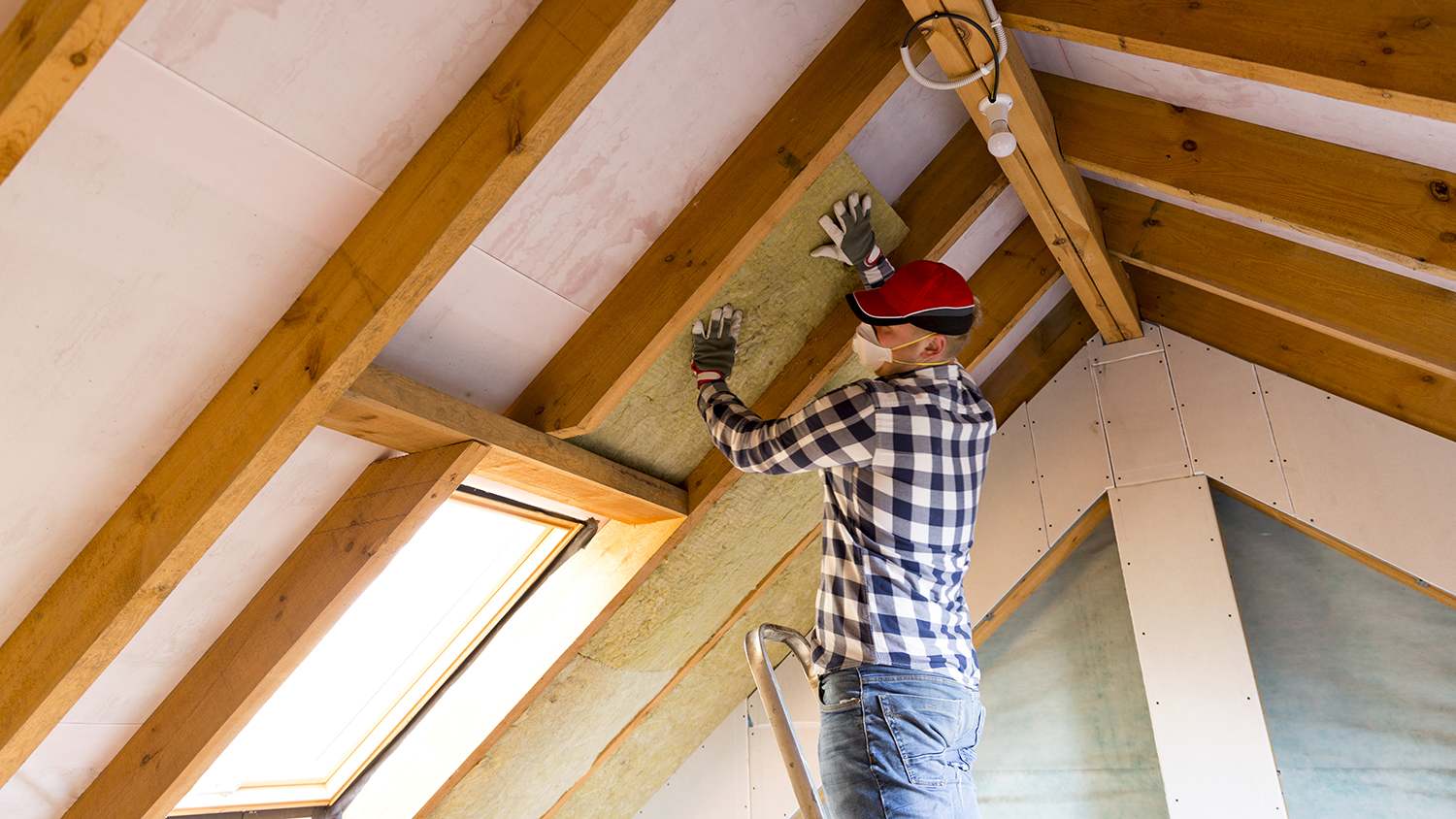
If you decide to install fiberglass rolls of insulation yourself, you’ll want goggles, work gloves, a breathing mask, and clothing that completely covers your skin. The tiny fiberglass fibers can irritate your eyes, skin, and lungs.
Other types of insulation for hot climates will undoubtedly work better with a pro doing the work. You need machines to apply blown-in or spray foam insulation, meaning you’ll have some rental costs for a DIY job. If you make an error while running these machines, you could waste quite a bit of the insulative material, quickly driving up the cost of the work.
Reflective insulation is easy to install, but you must align it just right to deliver the desired results, meaning you may want to rely on a pro.
Mitchell and the crew were top tier i am so happy with my new roof
 Home Genius Exteriors
D1 Roofing delivers outstanding service from beginning to end, backed by a strong warranty and expert teams. I highly recommend them for their excellence in meeting and surpassing expectations with unmatched communication. Choosing D1 Roofing was flawless decision
 Division 1 Roofing LLC
This place took $25,000 for a flat roof job with a five-year warranty and never returned to fix the leaks that were caused by their work. These people are not professionals and should not be doing this type of work. They incorrectly changed the pitch of the roof, and caused more damage than...
The technician was very professional and friendly. He answered all my questions and was very thorough. He left the fireplace area very clean . He inspected from the roof and advised me as to other work that might need to be done. There was no pressure there. I was very satisfied with the...
 Supreme brick & chimney
I am really impressed with their timeliness and turnaround. Mitchell came out, and we decided to move forward with their pricing. Our roof was on within a week, and we could not be happier with their team! Amazing company, great prices and honest, dependable craftsmanship. I highly recommend...
 Window Depot USA of Central Ohio
Manuel Calvillo is the best option in the area for roofing and you won't be disappointed.
They damaged multiple items on my property, including a marble slab used as a table top, tried to hide it, and refused to pay or replace. Arrived day one without a ladder to access roof & delayed a day. Left a mess in back yard; didn't wear face masks; no show by owner to property to see damages
 Grants Tree Service
I've hired Gary/Cherokee Roofing for two different homes, work quality, responsiveness, and completion have been great both times. And the prices quoted were very competitive. I would definitely hire again.
Lyle did a great job removing asbestos shingles from our front porch roof. They worked together with our roofer to make sure that the new roof was able to be installed on the same day that Lyle removed the asbestos shingles.
 Lyle Environmental
Bradley Builders did a good job replacing the roof on our front porch. They color-matched the existing shingles on the rest of the house and installed a metal ridge roll since we live in a historical neighborhood. They did the job while we were out of town. When we got back, everything was...
 Bradley Builders, Inc.
From average costs to expert advice, get all the answers you need to get your job done.
Discover roof insulation costs, including average prices, key cost factors, and expert tips to help you budget and save on your next project.
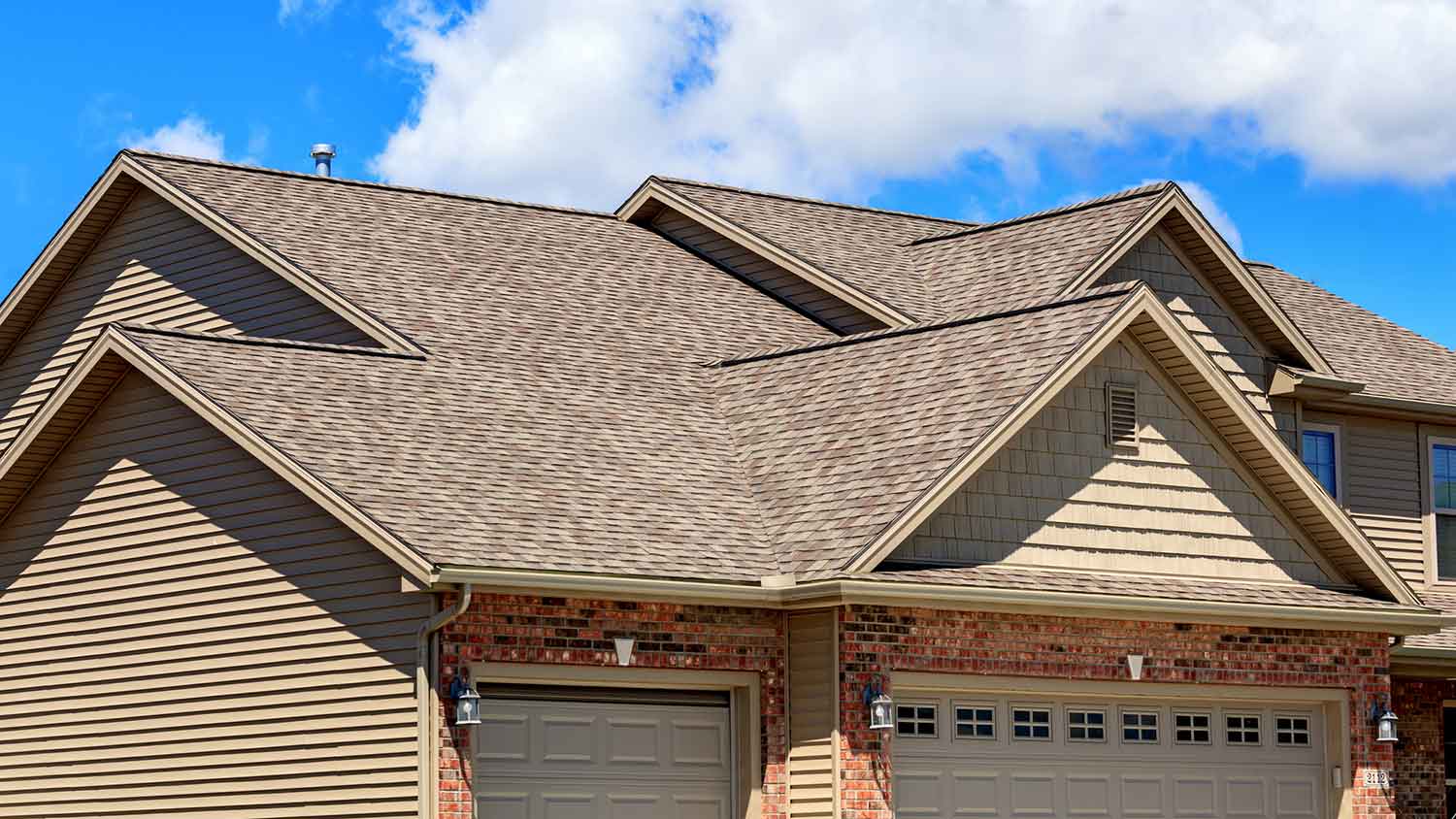
Your roof’s insulation can affect your home’s energy efficiency. Learn the difference between a hot and cold roof and which is best for your home.
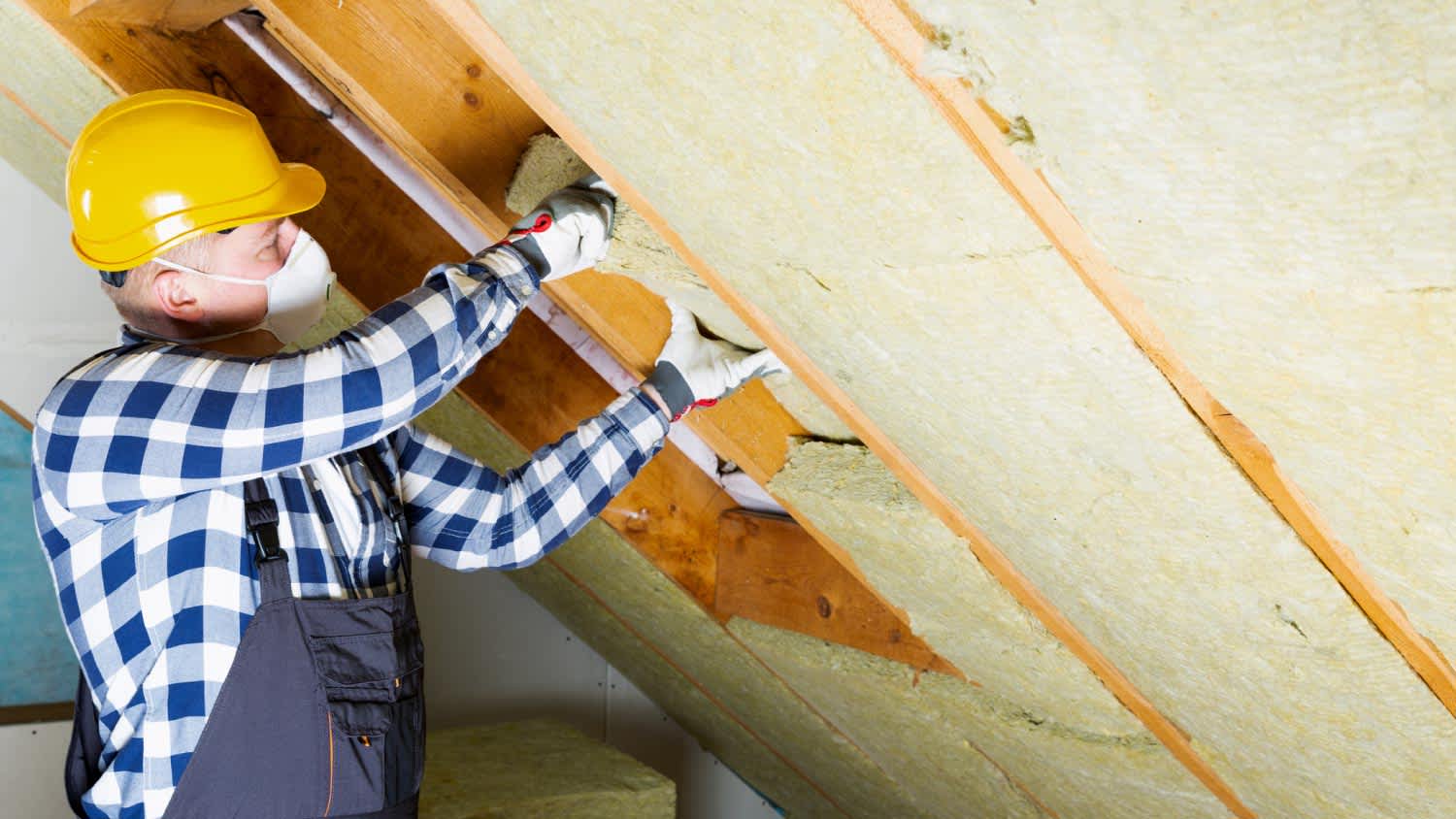
Roof insulation types include batts, spray foam, rigid foam boards, and fiber cement boards. Keep reading to learn which roof insulation is best for your home.
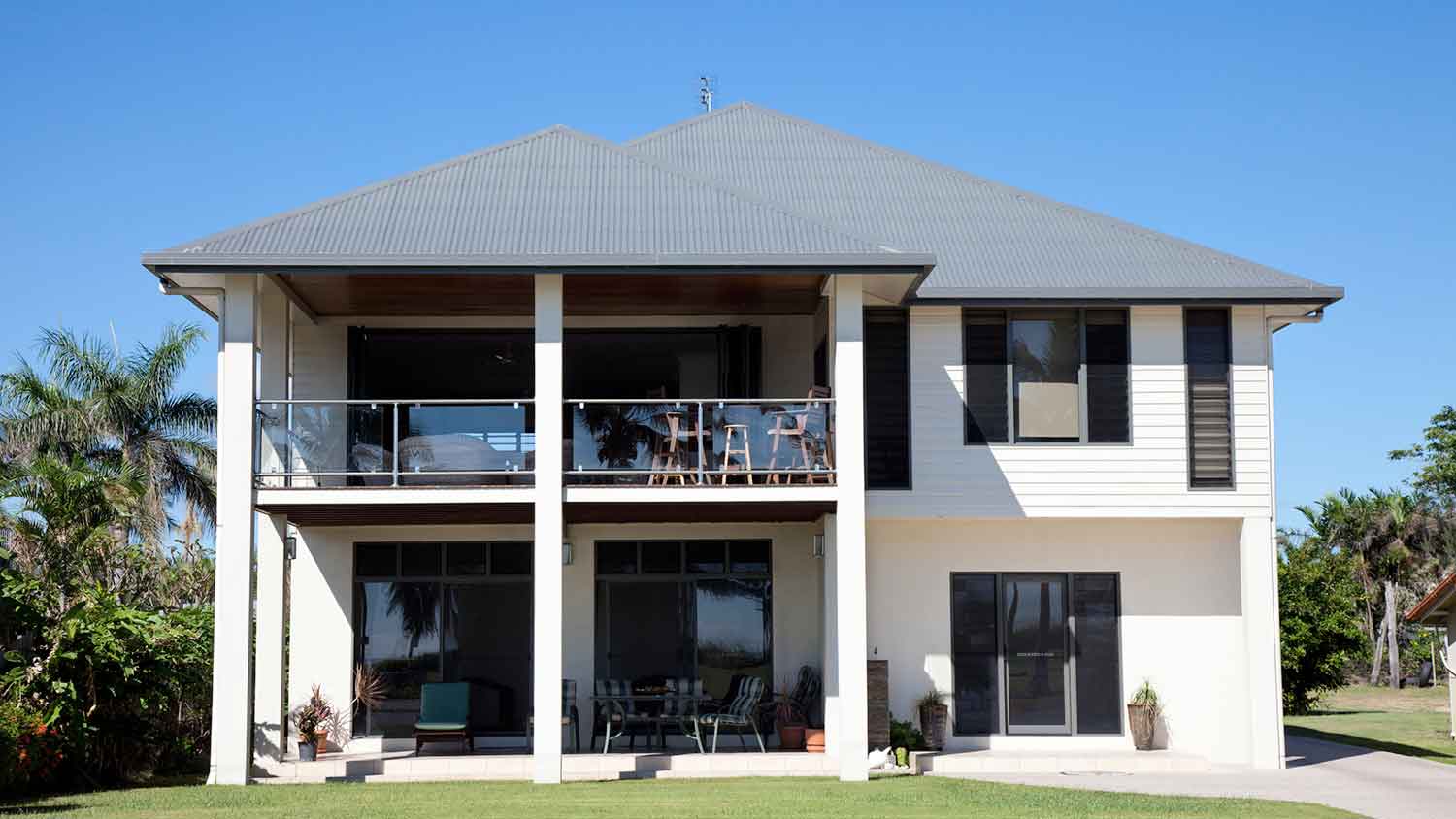
Your roof can help keep your home cool in the hot summer months. Learn about whether a metal roof or shingles are better in a hot climate for energy savings.
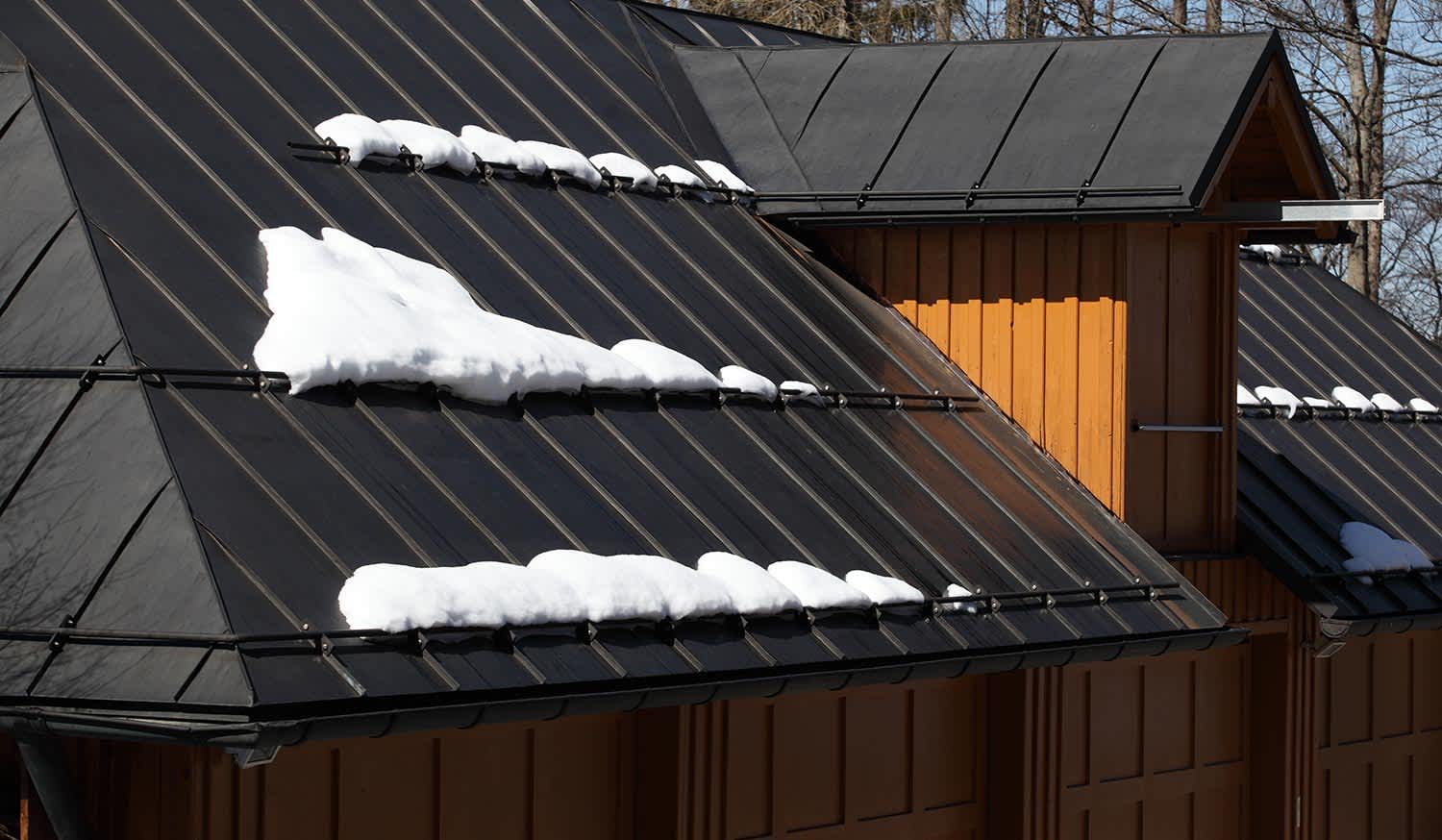
Choosing the right roofing material can help your home stand up to snow, ice, and harsh winds. Learn more about the best roofing materials for cold climates.
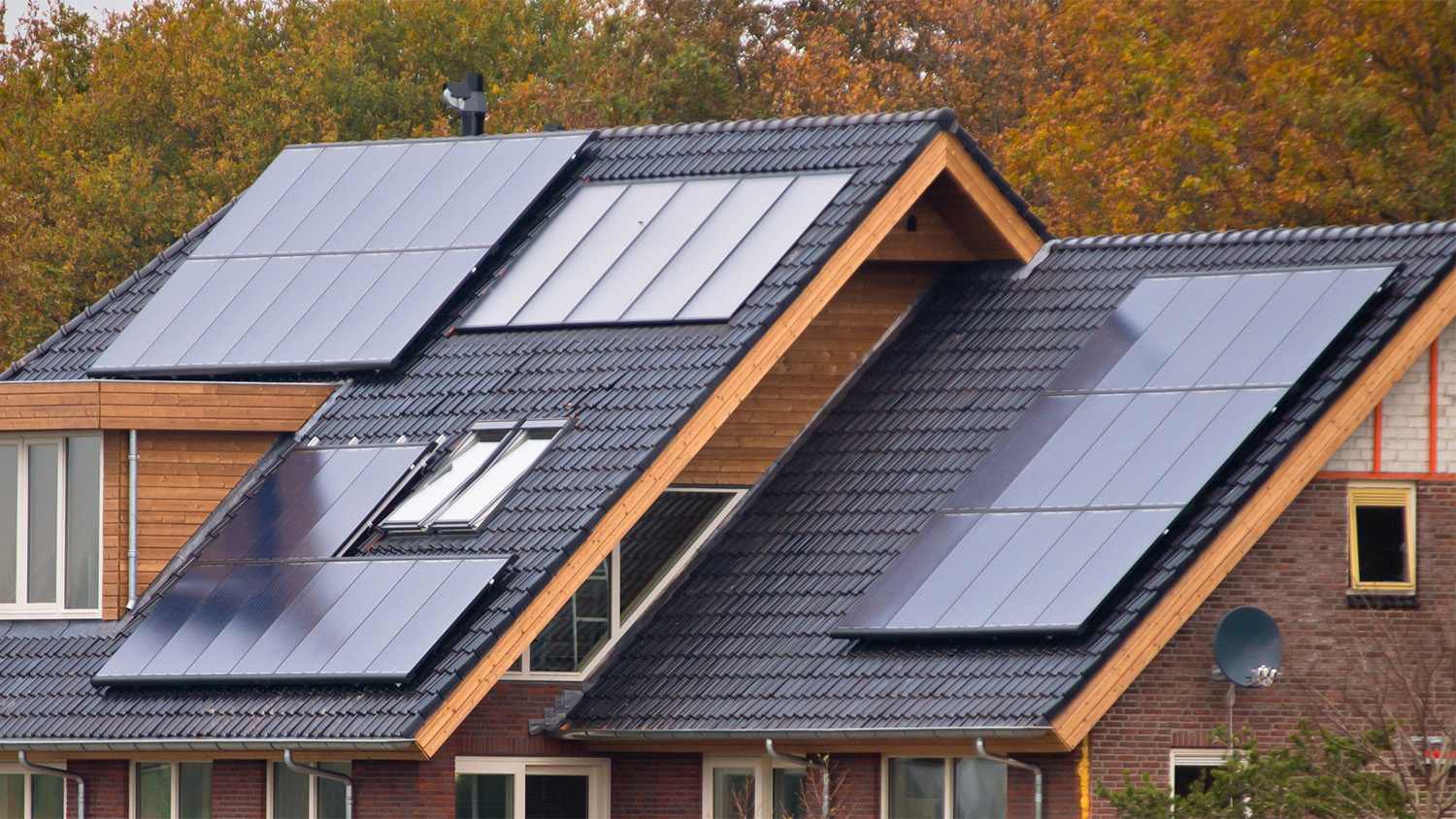
Energy-efficient roofs can save money and help regulate your home, but that’s not all they can do. Here’s how you can benefit from an energy-efficient roof.