
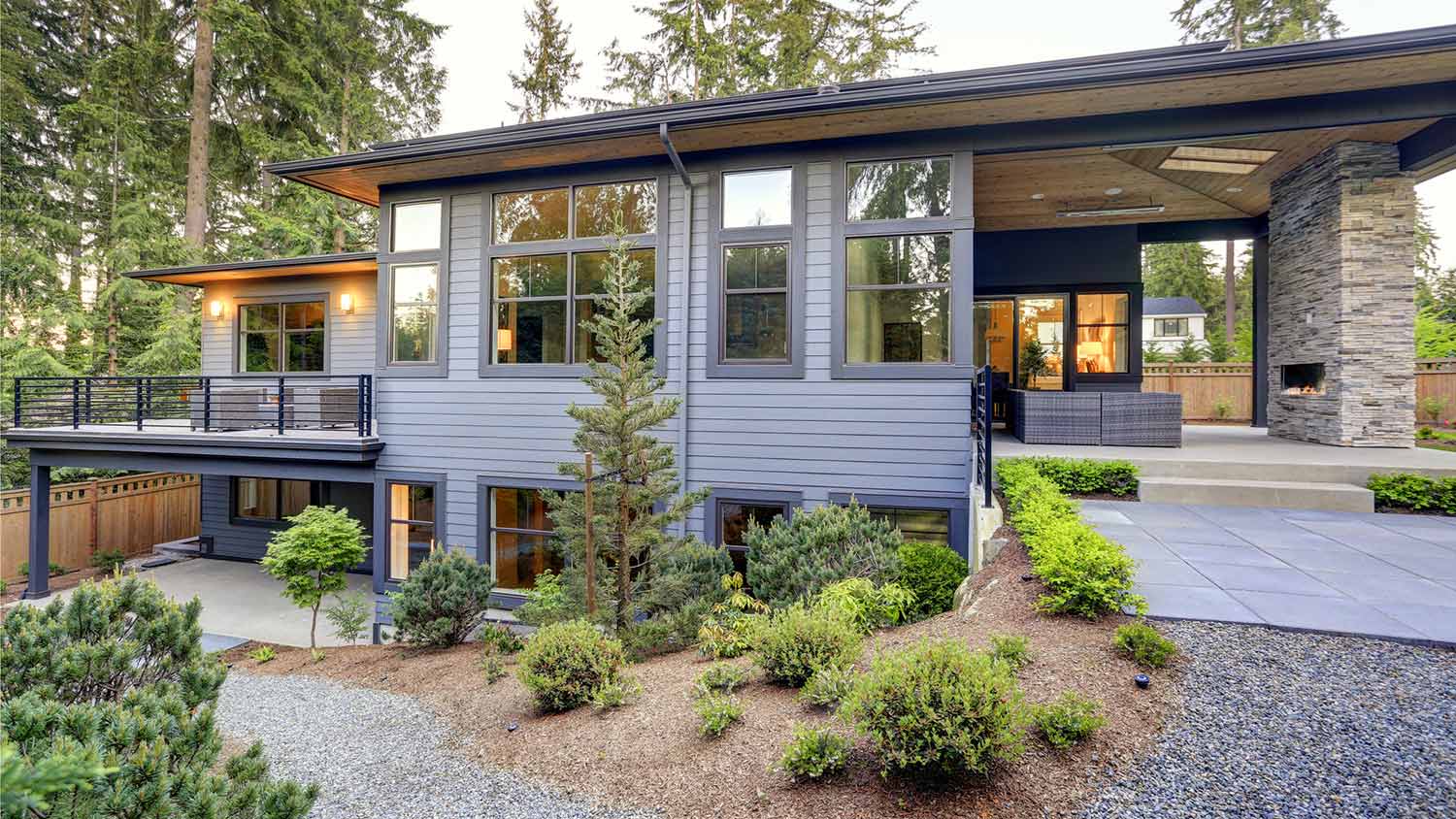
The cost of replacing a flat roof is much lower than an angled one. Learn about the factors that can affect flat roof replacement costs and ways to save on a quality replacement.
Learn about the hottest trends in roof insulation

A hot roof and cold roof both insulate your home, while a hot roof places insulation above rafters and a cold roof places it between them.
Hot roofs create usable attic space with consistent temperatures, while cold roofs require added ventilation and leave your attic space unheated and unfinished.
Your choice depends on climate, budget, and attic plans: hot roofs suit energy efficiency and finished spaces, while cold roofs help prevent ice dams.
Hiring a local roofing professional provides helpful guidance on insulation placement and ventilation setup, keeping your home comfortable and energy efficient year-round.
Installing a new roof involves many choices, including how to insulate it. You may not be familiar with the terms “hot roof” and “cold roof,” but knowing the difference between these two insulation systems can help you keep your home comfortable all year long.

The main difference between a hot roof and a cold roof is where the insulation is located. In a hot roof, the insulation sits on top of the rafters, under the roof sheathing or decking. A cold roof has insulation between the rafters, leaving uninsulated vertical space between the rafters and the roof sheathing. Cold roofs are the more traditional style of roof insulation, but hot roofs have recently gained popularity, particularly in new-build homes.

A hot roof, sometimes called a “warm roof,” has insulation installed on top of the rafters, leaving the entire space under the roof structure insulated. A hot roof doesn’t require additional ventilation, and creates usable attic space because the entire area is insulated and remains a more comfortable temperature throughout the year.
| Pros | Cons |
|---|---|
| Energy-efficient | Higher upfront cost |
| Easier repairs | Limited insulation options |
| Creates usable attic space | May encourage condensation and mold growth |
Best for:
Homes in climates that don’t see frequent snow or ice
Homeowners who want usable attic space
Homeowners who prefer the most energy-efficient option
A hot roof is the most energy-efficient roofing insulation choice as it prevents heat loss in the area underneath the roof. Because the area under the rafters remains around the same temperature as the rest of the house, this space can be used in colder weather.
Hot roof repairs are also easier than cold roof repairs since a hot roof has more layers of material between the roofing material and roof sheathing. Replacing damaged sheathing is a complex process, so the more protection between the sheathing and the elements, the less likely it is to need repairs.
Be sure to hire a roofer with experience repairing hot roofs, as they’re less common than cold roofs.
Hot roofs cost more to install than cold roofs, requiring additional materials like vapor barriers and secondary roof sheathing for support. Hot roofs also require spray foam insulation, which is more expensive than other kinds of insulation.
The lack of ventilation in a hot roof can be an advantage if the roof is installed with a fully airtight seal. Over time, however, a deteriorating seal can lead to condensation and mold growth since there’s no way to ventilate the area.
Like your kitchen or bathroom, your roof needs ventilation to extend its life span and control temperatures. Proper roof ventilation helps reduce HVAC costs and prevents ice dams and moisture damage. A roof repair pro can assess your roof and make recommendations.


A cold roof, not to be confused with a reflective “cool roof,” is a traditional style of insulating a roof with insulation placed between the rafters, resulting in vented, uninsulated space between the rafters and the underside of the roof. Cold roofs are often found in areas that experience frequent snow and ice.
| Pros | Cons |
|---|---|
| Less expensive | Less energy-efficient |
| More insulation options | Difficult to repair |
| Discourages condensation | Requires added ventilation |
Best for:
Flat or low-sloped roofs
Budget-conscious homeowners
Homes prone to ice dams
A cold roof is a more budget-friendly option than a hot roof. Its installation process is simpler and uses fewer materials, and there are more options when it comes to the type of insulation you use. Because cold roofs must have added roof vents, condensation and mold growth are less likely.
Cold roofs are also beneficial for preventing ice dams, which occur when snow or ice melts and then refreezes at the edge of the roof, forcing moisture under the roofing material and into the home’s walls.
The uninsulated space between the rafters and the roof sheathing can lead to heat loss and make a cold roof less energy-efficient than a hot roof. The lack of insulation also means that any attic space will be unusable as living space.
Cold roofs are more difficult to repair since the roof sheathing isn’t protected by as many layers of roofing materials. Sheathing is prone to water damage and warping, and replacing it is often part of a total roof replacement, which can be very costly.

The upfront cost of installing a cold roof is less expensive than a hot roof since it uses fewer materials and more traditional installation methods. Hot roofs require more expensive spray foam insulation, while cold roofs can use less costly insulation options like fiberglass.
With a hot roof, the entire space under the roof is insulated and kept at a consistent temperature, so you won’t experience heat loss above the rafters like you would with a cold roof. Over time, this can lead to reduced heating bills.
A hot roof is easier to repair than a cold roof since the elements need to penetrate additional layers of material before damaging the roof sheathing or structural elements. A local roofer with experience repairing hot roofs can repair or replace the damaged material.
The insulated space created by hot roofs opens up various options for using the attic space that aren’t possible with cold roofs. A hot roof will extend the height of the house due to the extra layers on top of the rafters, but makes up for that added height with increased interior space.
The ventilation required for a cold roof keeps the air beneath the roof cooler, preventing rapid snow and ice melting and refreezing. The cycle of melting and refreezing causes ice dams, which can seriously damage your roof and exterior walls. The less extreme temperature difference between the underside and the surface of the roof helps snow and ice melt consistently without refreezing.
Hot roofs require spray foam insulation, which provides effective temperature regulation but is more expensive than other insulation options. A cold roof can use any of several types of insulation, including more budget-friendly choices.
Mitchell and the crew were top tier i am so happy with my new roof
 Home Genius Exteriors
D1 Roofing delivers outstanding service from beginning to end, backed by a strong warranty and expert teams. I highly recommend them for their excellence in meeting and surpassing expectations with unmatched communication. Choosing D1 Roofing was flawless decision
 Division 1 Roofing LLC
This place took $25,000 for a flat roof job with a five-year warranty and never returned to fix the leaks that were caused by their work. These people are not professionals and should not be doing this type of work. They incorrectly changed the pitch of the roof, and caused more damage than...
The technician was very professional and friendly. He answered all my questions and was very thorough. He left the fireplace area very clean . He inspected from the roof and advised me as to other work that might need to be done. There was no pressure there. I was very satisfied with the...
 Supreme brick & chimney
I am really impressed with their timeliness and turnaround. Mitchell came out, and we decided to move forward with their pricing. Our roof was on within a week, and we could not be happier with their team! Amazing company, great prices and honest, dependable craftsmanship. I highly recommend...
 Window Depot USA of Central Ohio
Manuel Calvillo is the best option in the area for roofing and you won't be disappointed.
They damaged multiple items on my property, including a marble slab used as a table top, tried to hide it, and refused to pay or replace. Arrived day one without a ladder to access roof & delayed a day. Left a mess in back yard; didn't wear face masks; no show by owner to property to see damages
 Grants Tree Service
I've hired Gary/Cherokee Roofing for two different homes, work quality, responsiveness, and completion have been great both times. And the prices quoted were very competitive. I would definitely hire again.
Lyle did a great job removing asbestos shingles from our front porch roof. They worked together with our roofer to make sure that the new roof was able to be installed on the same day that Lyle removed the asbestos shingles.
 Lyle Environmental
Bradley Builders did a good job replacing the roof on our front porch. They color-matched the existing shingles on the rest of the house and installed a metal ridge roll since we live in a historical neighborhood. They did the job while we were out of town. When we got back, everything was...
 Bradley Builders, Inc.
From average costs to expert advice, get all the answers you need to get your job done.
The cost of replacing a flat roof is much lower than an angled one. Learn about the factors that can affect flat roof replacement costs and ways to save on a quality replacement.
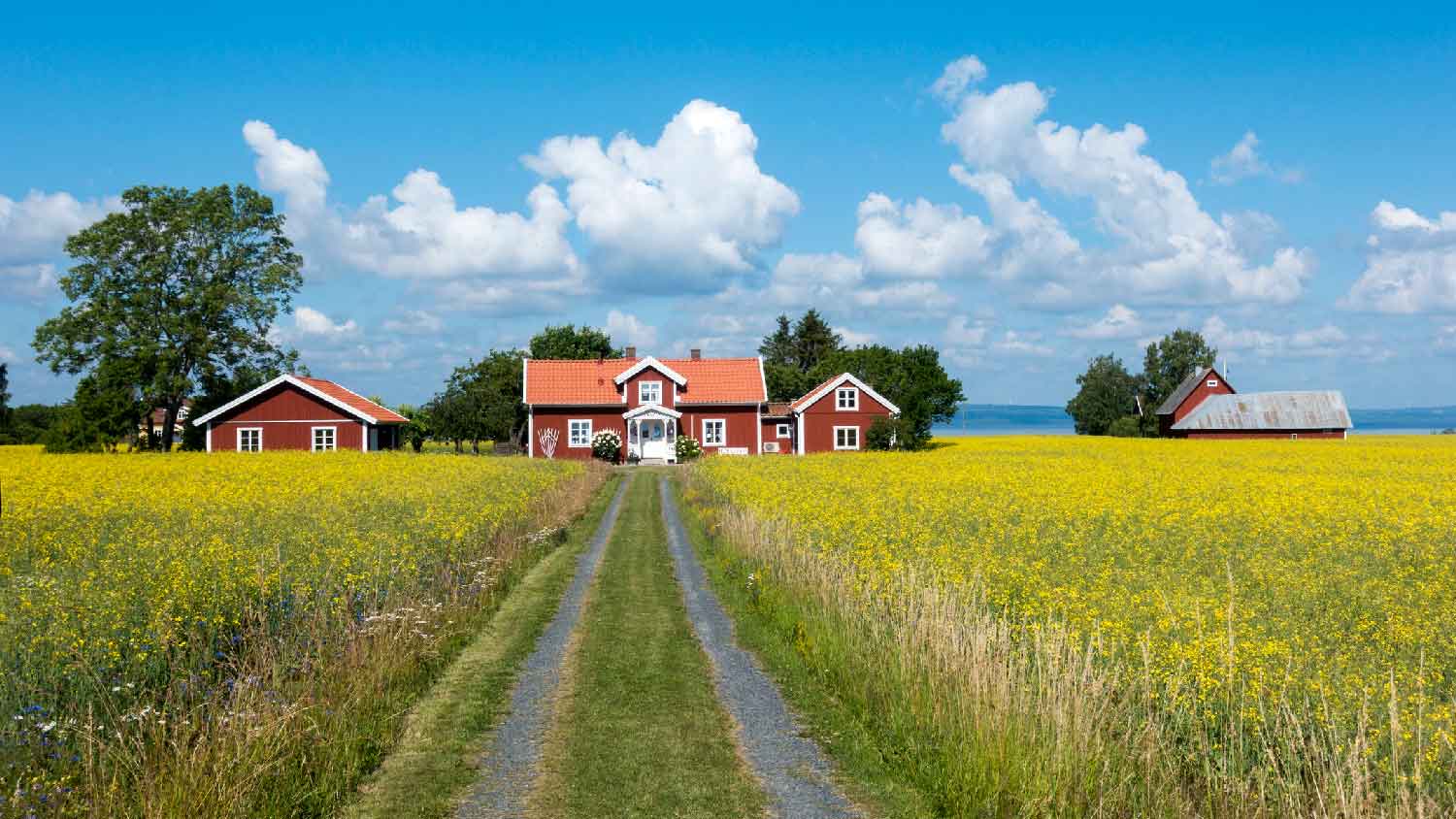
When you live in an area with sultry summers, selecting the best roof insulation for hot climates can help you save money on energy bills.
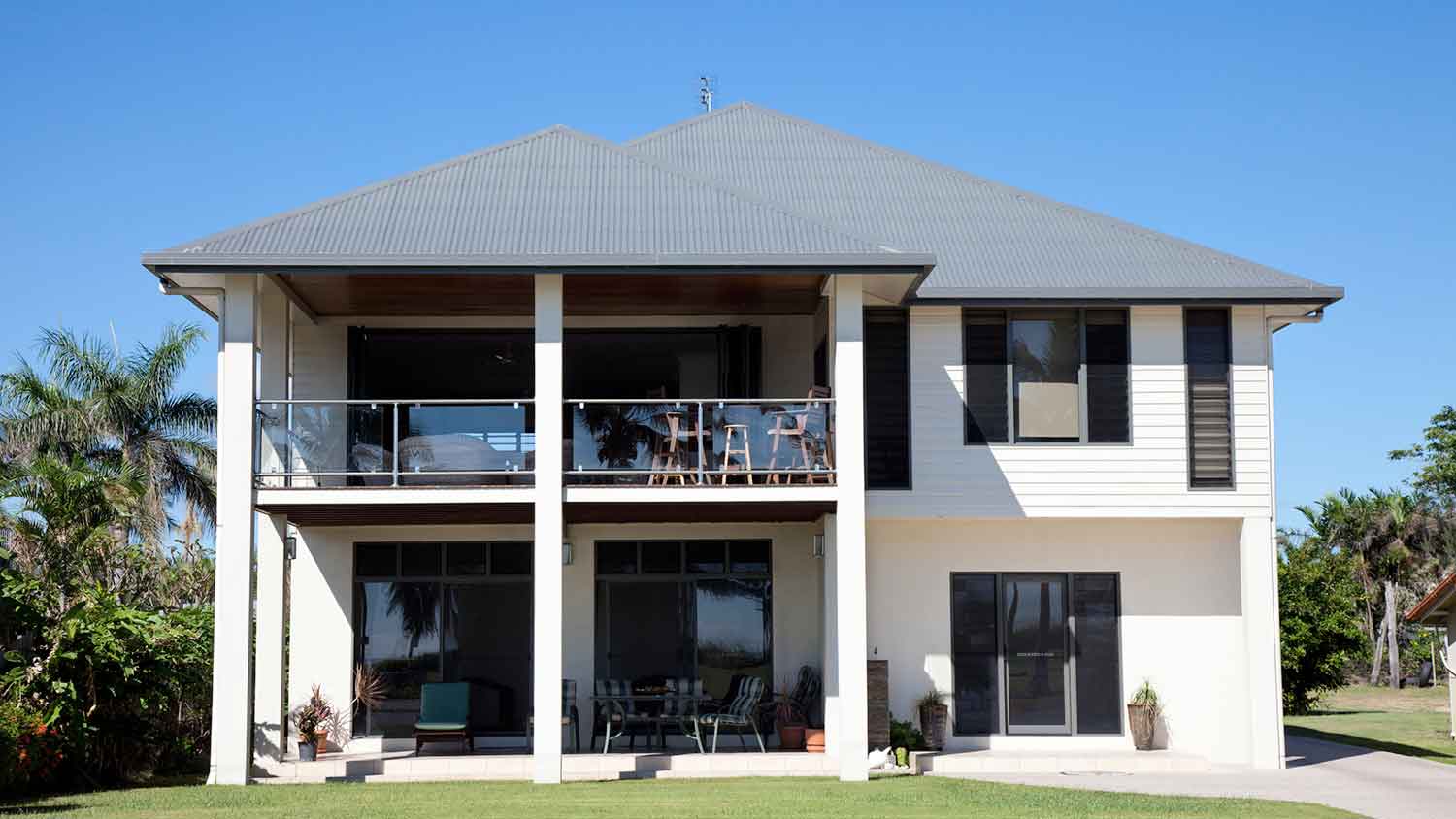
Your roof can help keep your home cool in the hot summer months. Learn about whether a metal roof or shingles are better in a hot climate for energy savings.
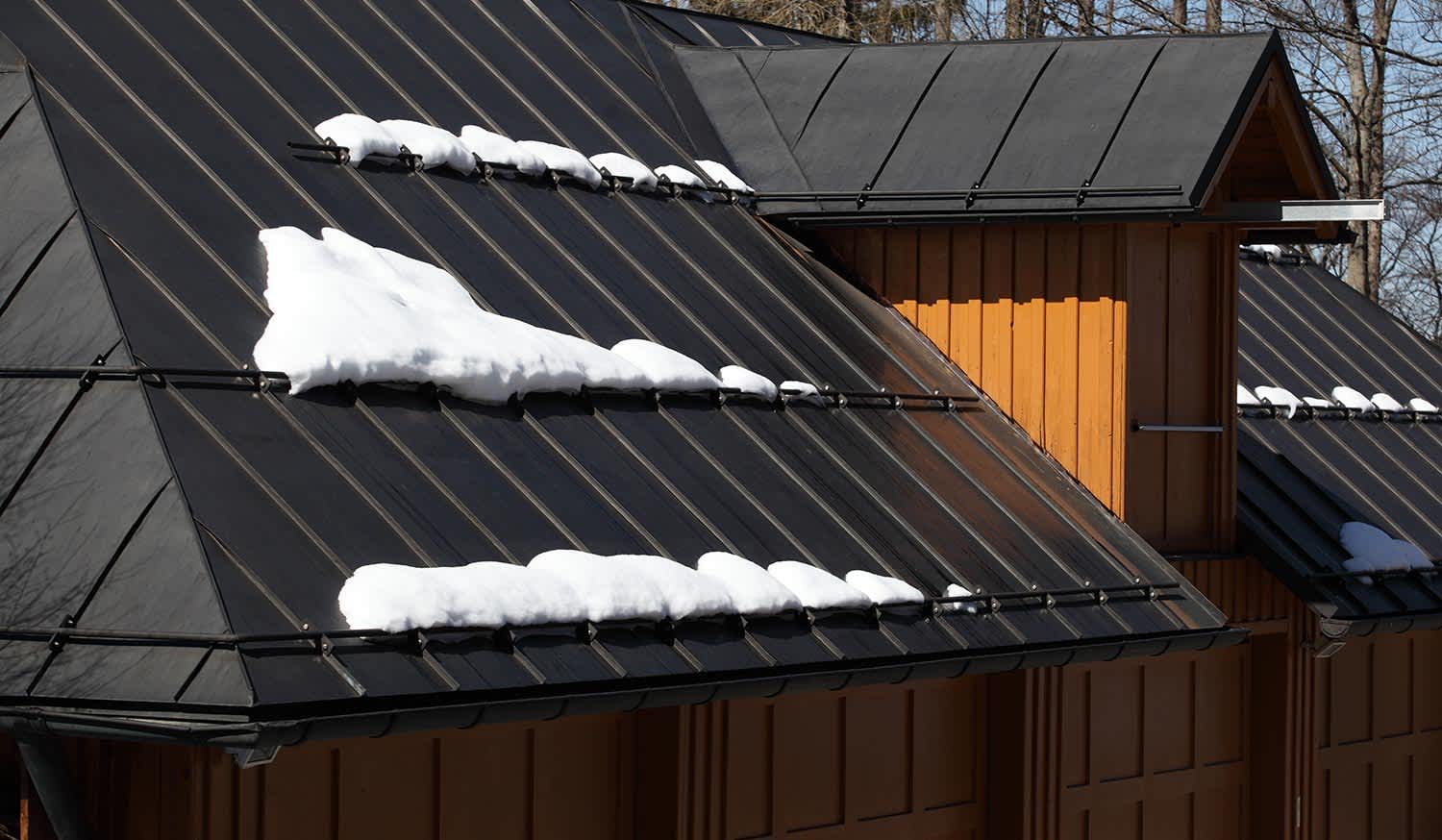
Choosing the right roofing material can help your home stand up to snow, ice, and harsh winds. Learn more about the best roofing materials for cold climates.
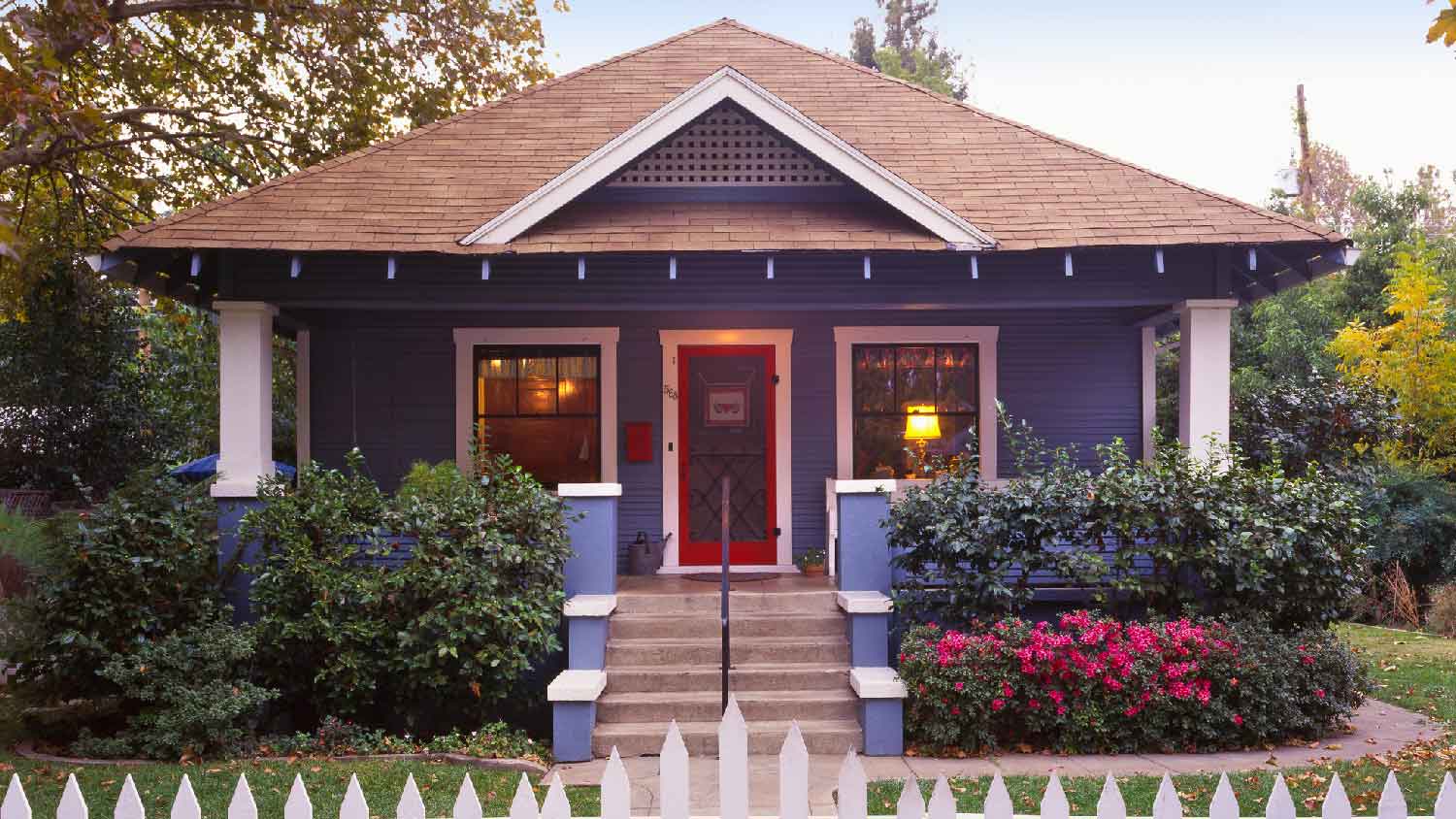
The right roof style can protect your home from weather damage. Find out the differences between gable and hip roofs to decide which is best for your home.
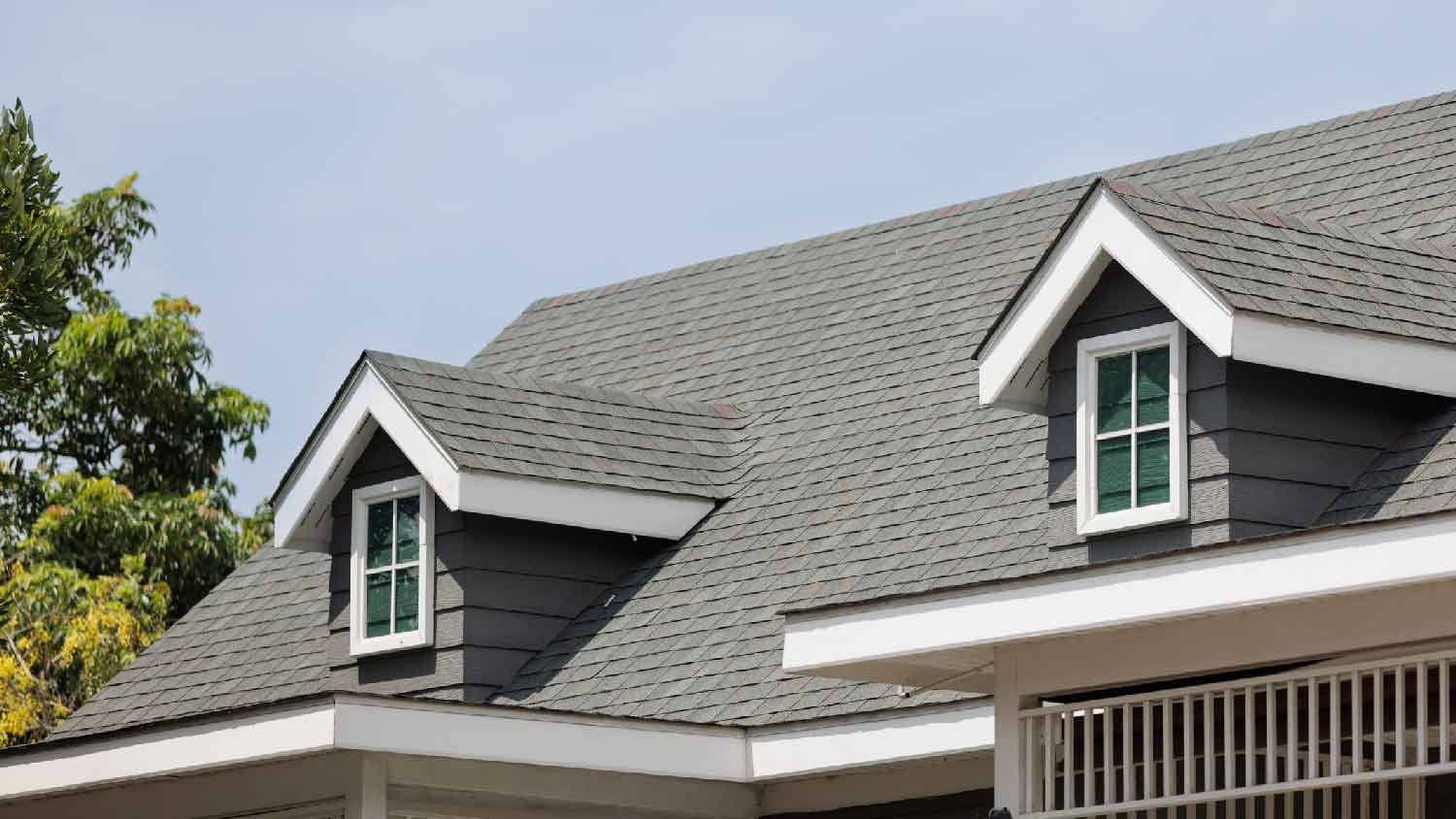
Noticing pockmarks on your asphalt roof? It might be roof blistering. Learn what roof blistering damage is, what causes it, and how to prevent it.